
 Top 5 New Key Comics 5-20-26
Explore any red-highlighted links or comic covers to shop directly from all available eBay sellers now.
*This site contains affiliate links for which I may be compensated.
CLICK HERE for last week’s Top 5 New Key Comics 5-13-26
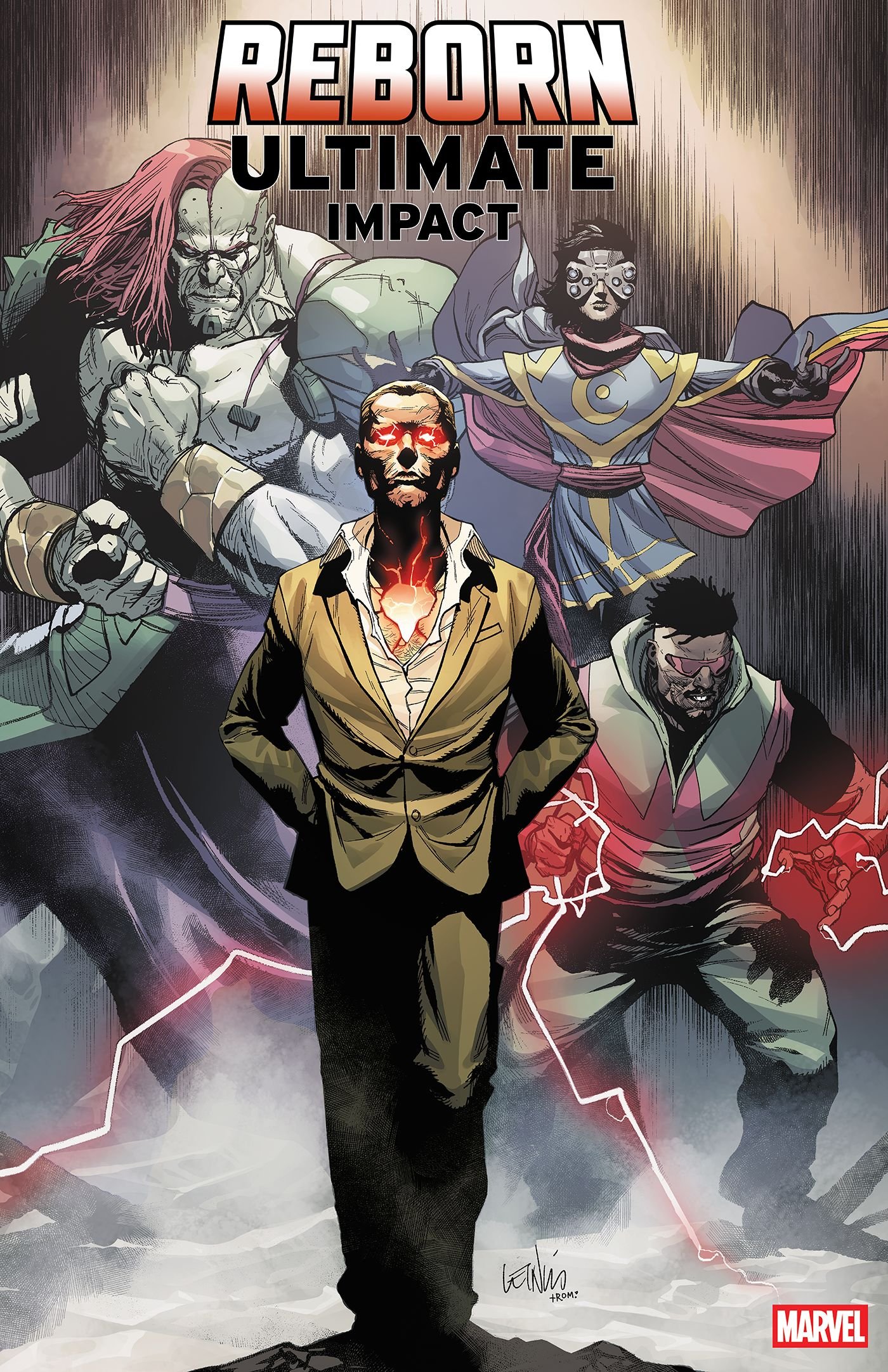
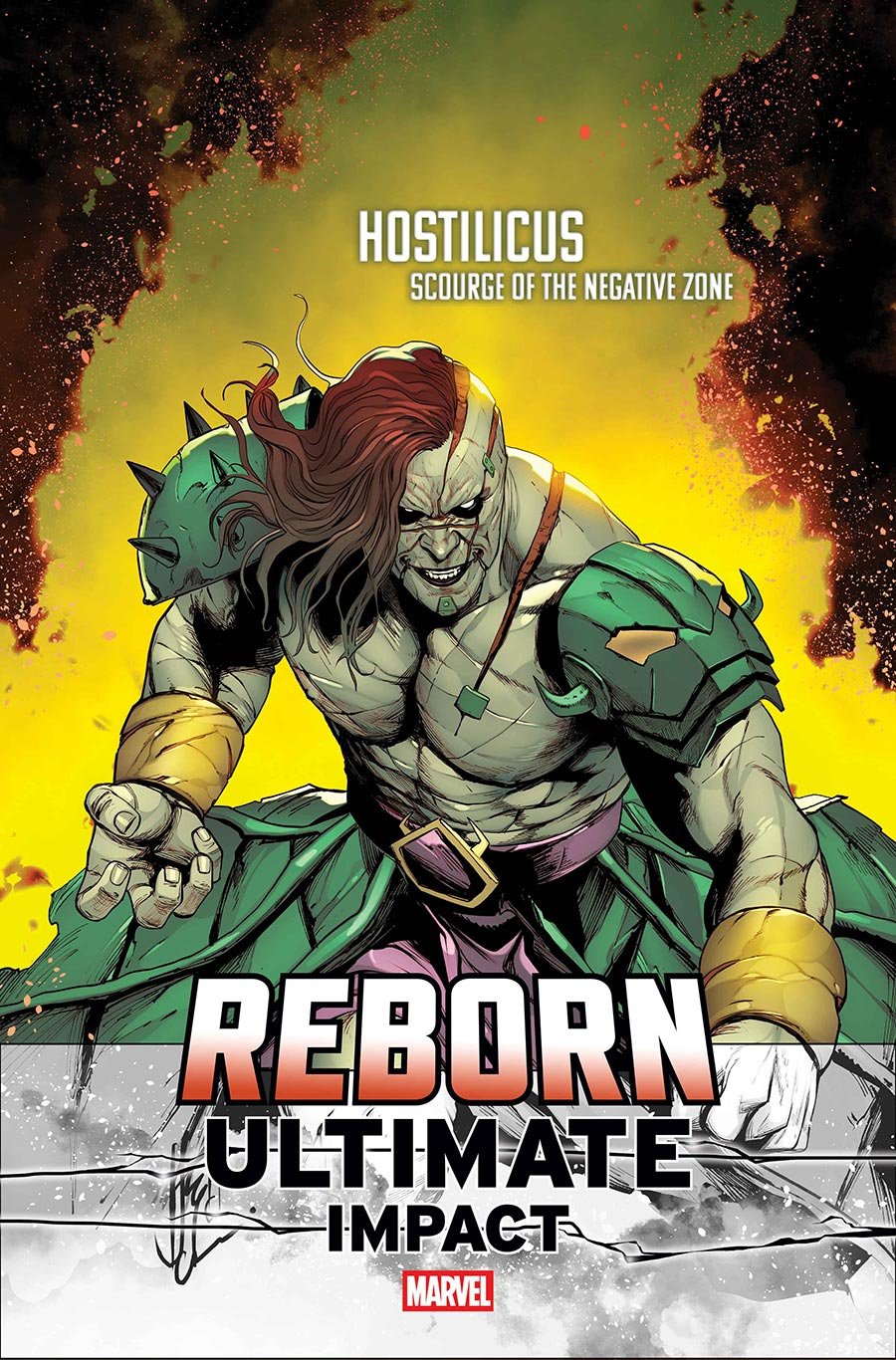
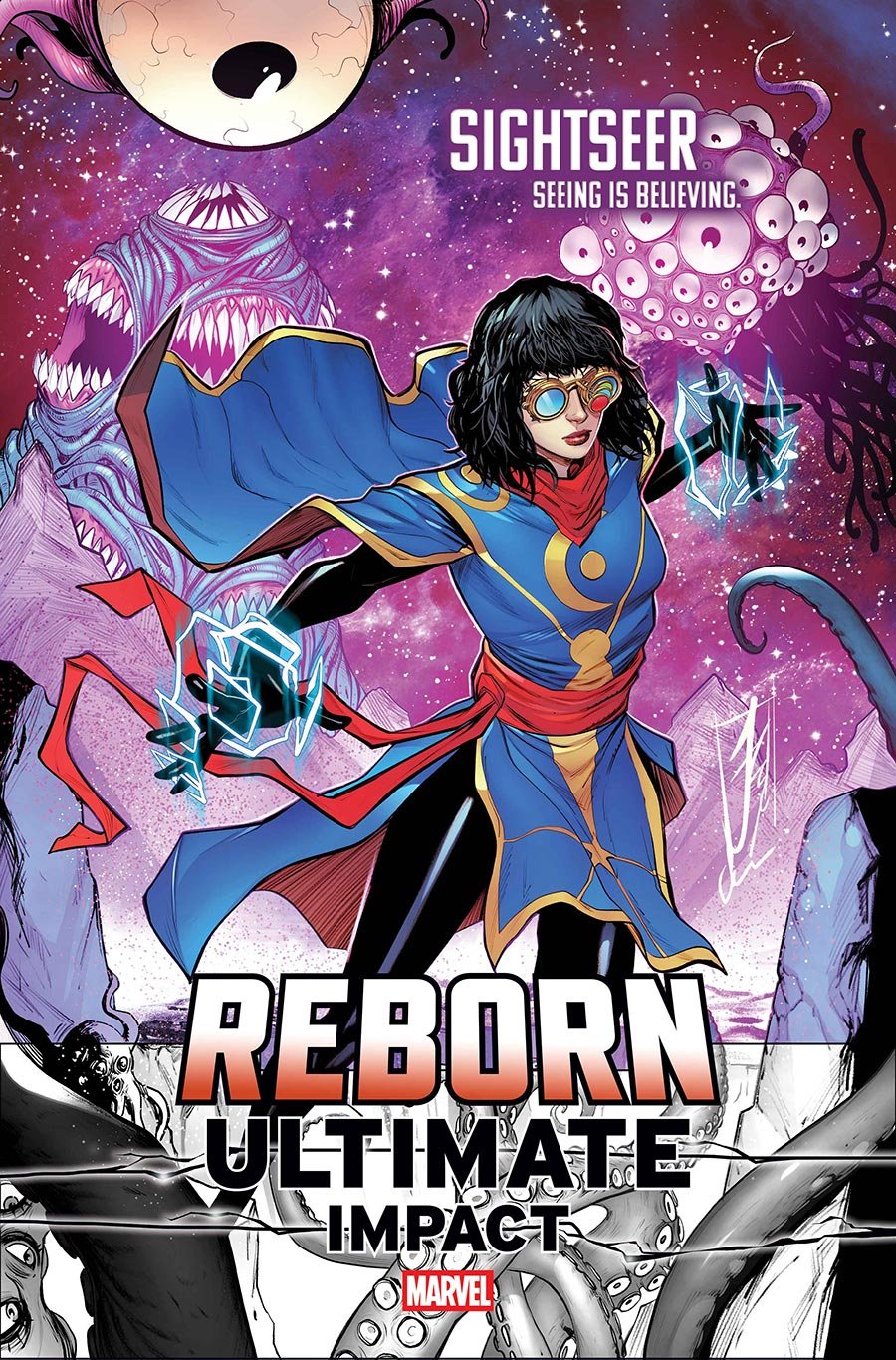
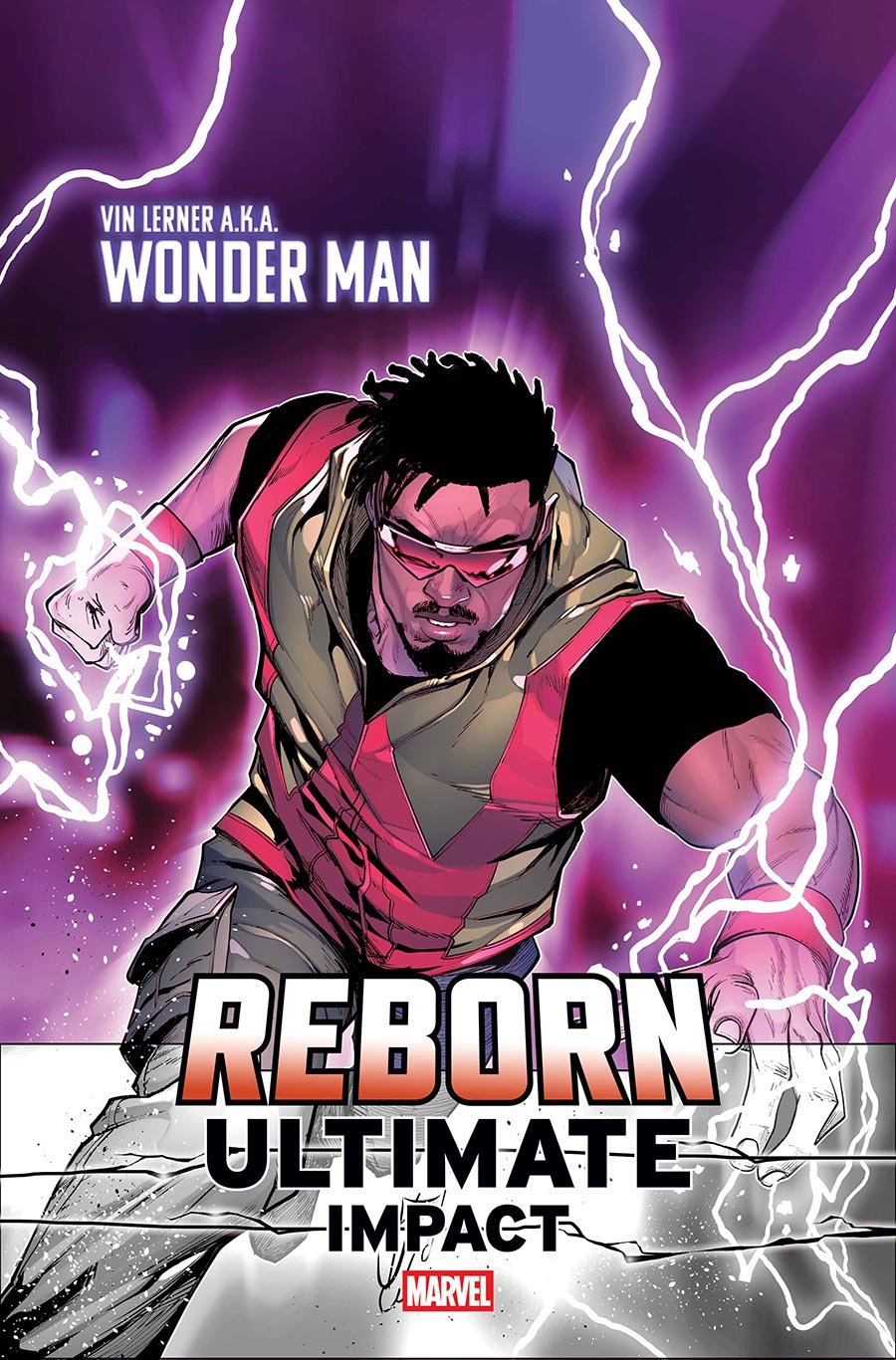
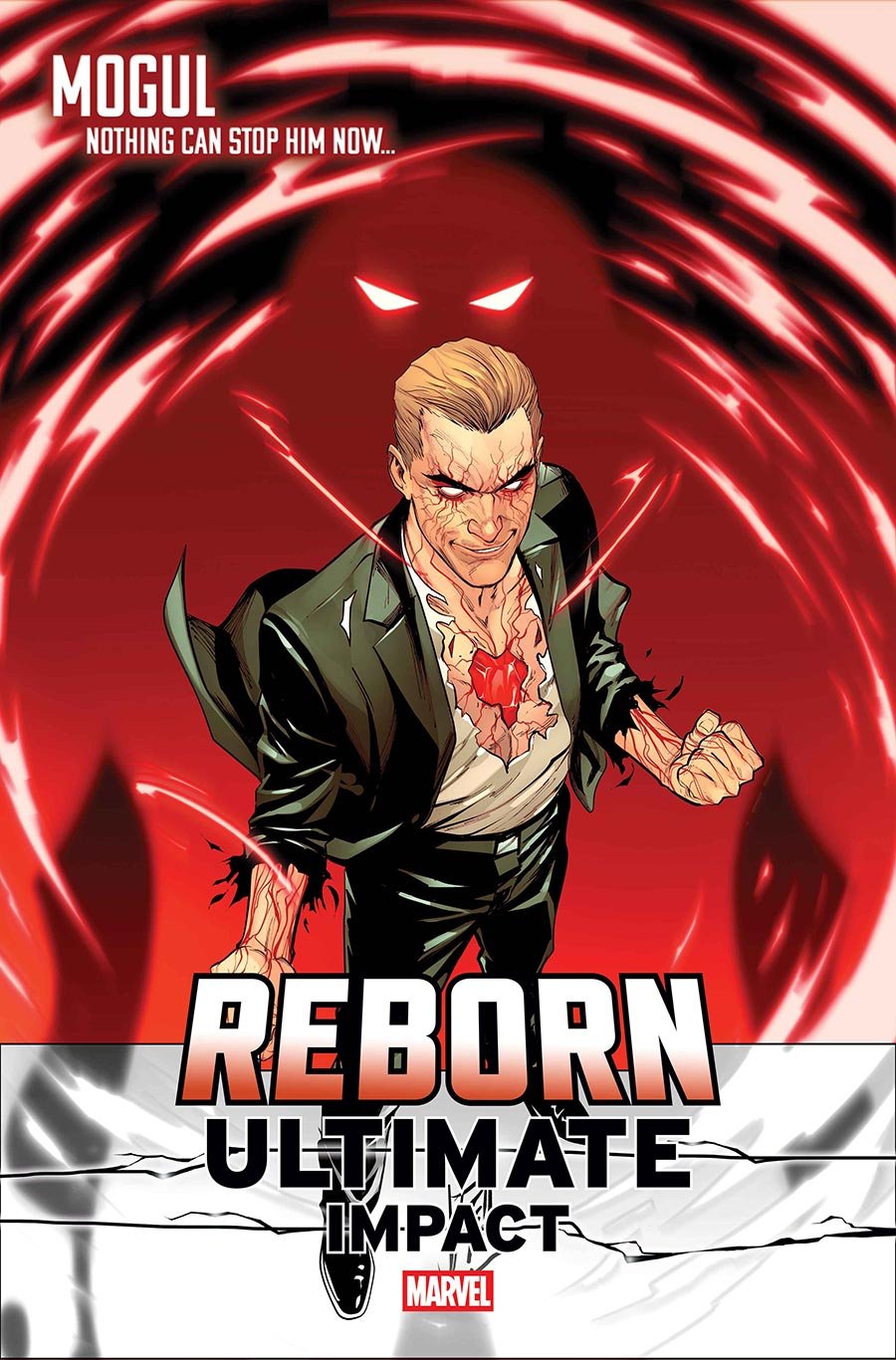
Ultimate Impact: Reborn #1 leads with one of the cleanest speculation hooks of the week because it has the words collectors quietly circle in red: new characters. Written by Christopher Condon with art by Stefano Caselli and colors by David Curiel, this Marvel launch deals directly with Miles Morales, the Ultimate Universe legacy, and the Origin Boxes, which are described as catalysts for the creation of new superheroes. That is not subtle. That is Marvel placing a stack of possible first appearances and future character mythology on the counter and asking everyone to behave normally. Good luck with that. The book positions Miles as trying to safeguard these Origin Boxes before they land in the wrong hands, but naturally the secret spreads and the conflict expands into the larger Marvel Universe. For collectors, this issue has several angles worth tracking: first issue, Ultimate Universe connection, Miles Morales involvement, possible introductions of new heroes, possible new villains, and a storyline that may shape the future of the 616. That is the kind of sentence that makes modern comic speculation both exciting and deeply annoying, because now nobody can comfortably ignore it. Condon has already been tied to Marvel’s darker modern character lanes through Ultimate Wolverine, while Caselli has the kind of polished superhero storytelling style that gives new characters an immediate visual identity. When a debut issue is built around creation engines for new superheroes, collectors should at least consider the possibility that Marvel is seeding future names here. Not guaranteed value. Not automatic key status. Just the old familiar collector math: new mythology plus new characters plus Miles Morales plus Ultimate branding equals keep an eye on it before everyone pretends they saw it coming. Oh, and just to add to the whole hook this week, four covers are being dubbed by Marvel as “first appearance covers”. Yes, they said it, not us.
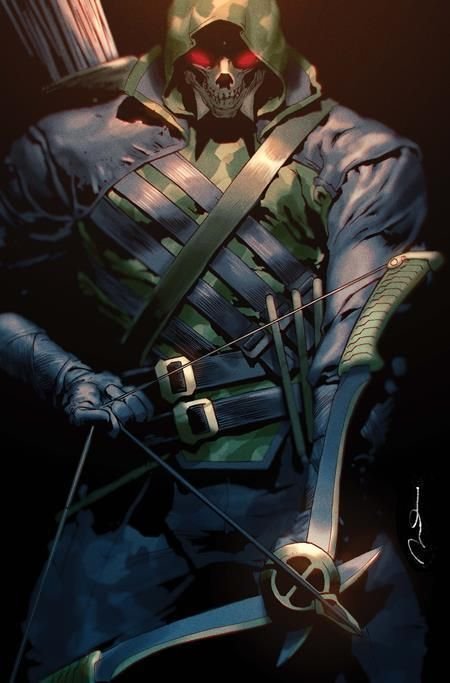
 Absolute Green Arrow #1 is another obvious Top 5 new key comics selection because Absolute Universe launches are still functioning as collector magnets, especially when they reinvent familiar DC icons with a sharper, stranger edge. Written by Pornsak Pichetshote with art by Rafael Albuquerque and colors by Marcelo Maiolo, this first issue reimagines Green Arrow through an urban horror murder-mystery lens. The setup centers on corrupt billionaires being killed, mysterious green arrows left behind, Oliver Queen’s death lingering over everything, and Dinah Lance, Absolute Black Canary, pulled into the investigation. That alone gives the issue its collector hook: first issue in the Absolute Green Arrow line, Absolute Universe expansion, Absolute Black Canary involvement, and a darker reinterpretation of the Green Arrow mythos that is clearly not here to hand out charity gala speeches. The Absolute line has worked because it gives DC room to rebuild major characters without dragging every continuity suitcase through the airport. That makes early issues matter more to collectors because first appearances, first Absolute versions, redesigns, new status quos, and new mythology all have room to breathe. Pichetshote brings a sharp genre sense to the book, and Albuquerque’s interior work gives this launch the kind of visual identity collectors like to see attached to a new corner of a universe. The speculation angle is straightforward: when DC gives a recognizable character a fresh first issue, a new continuity framework, a mystery around who is truly operating as Green Arrow, and an Absolute Black Canary lane, that is enough to put the issue on watch. Collectors love clean starting points until they sell out, then they love acting like it was obvious.
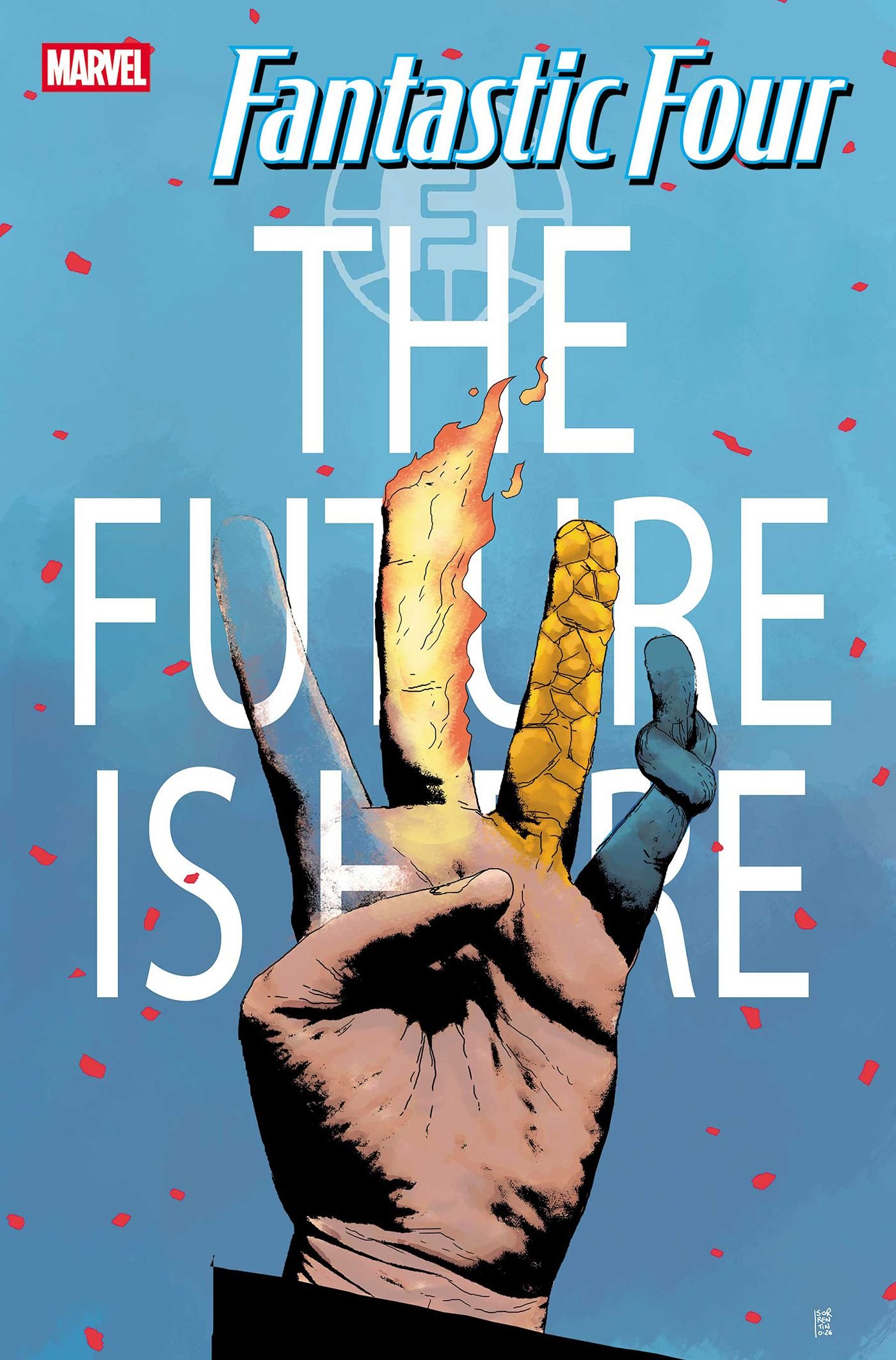
 Fantastic Four #11 has the kind of phrase that should immediately catch the attention of collectors: introducing the new Future Foundation. Written by Ryan North and Stan Sakai, with art by Pat Boutin and Stan Sakai, colors by Edgar Delgado, Emi Fujii, and Brittany Peer, this issue follows the fallout of the Invincible Woman arc while placing renewed focus on the Future Foundation concept. The Future Foundation already carries major Fantastic Four collecting weight because it connects directly to the franchise’s science-forward, next-generation legacy angle. When Marvel uses language like “introducing the new Future Foundation,” the collector brain should at least sit up in its chair. The issue also brings Doom technology into the wider world, which is usually Marvel’s way of saying some poor fool is about to touch something above their pay grade and create future consequences. The return of Crimeasaurus Rex adds another layer of oddball Fantastic Four continuity flavor, and the bonus story by Stan Sakai adds a creator-driven element that may appeal to collectors who follow names beyond standard superhero credits. The speculative side here is not just one single first appearance screaming from the cover. It is the reintroduction and reshaping of a concept with history, the possibility of new Future Foundation members, and a franchise that is always one movie, cartoon, or publishing push away from renewed market heat. Fantastic Four keys have proven again and again that concepts matter. Teams matter. Children, students, future geniuses, and science-based legacy characters matter.
The Amazing Spider-Man #29 lands in this list because Spider-Man collector logic is simple and exhausting: if there is a possible new villain, a major character consequence, or a shift in Peter Parker’s personal damage report, collectors pay attention. Written by Joe Kelly with art by Pete Woods, this issue is promoted around Spider-Man’s best friend suffering a shattered life after a terrible accident, with Peter Parker taking the blame. The solicitation question asks whether there is a new villain on Spidey’s block, and that is the sort of phrasing that makes collectors start circling the issue even before the market knows what it wants to do. Spider-Man’s villain bench is already absurdly deep, but that has never stopped Marvel from adding another name to the pile. In fact, the market often reacts strongly when a new Spider-Man villain has a strong design, clear motivation, or a clean 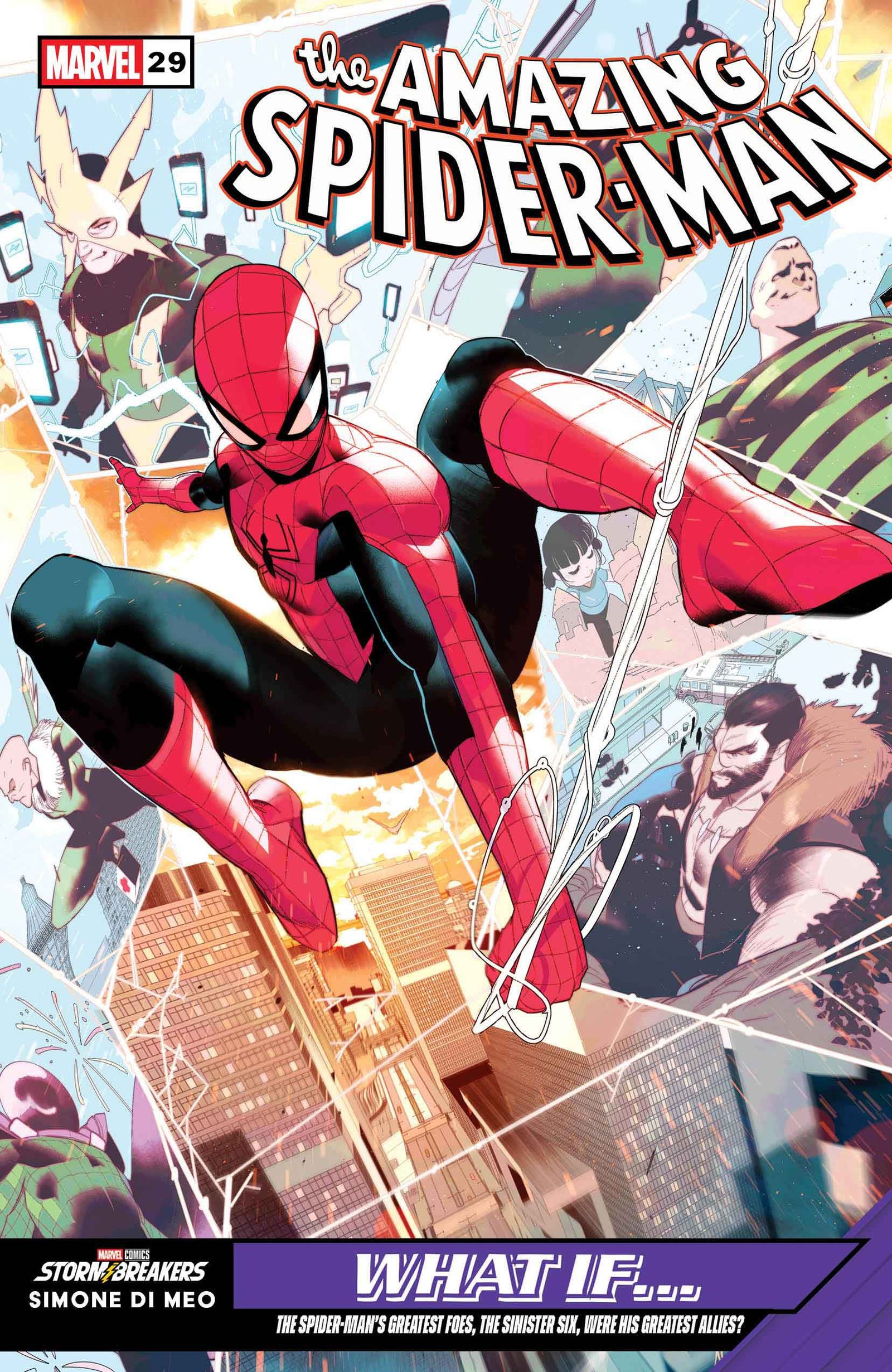
 first appearance. Is every new Spidey villain the next major long-term character? No. That would be ridiculous, and the long boxes already contain the evidence. But Spider-Man’s publishing history rewards attention because even characters dismissed early can suddenly get dragged into games, animation, film rumors, anniversary arcs, or second-print chaos. Kelly’s run has leaned into classic Peter Parker instability, and Pete Woods brings a strong visual presence that can help define whatever threat emerges here. The collector angle is the possible introduction of a new villain, a blame-driven character turn, and the fact that Amazing Spider-Man remains one of those titles where even minor developments can become irritatingly relevant later. It is the kind of issue collectors may not want to overpay for, but skipping it completely could become another small Wednesday regret. The hobby has plenty of those already.
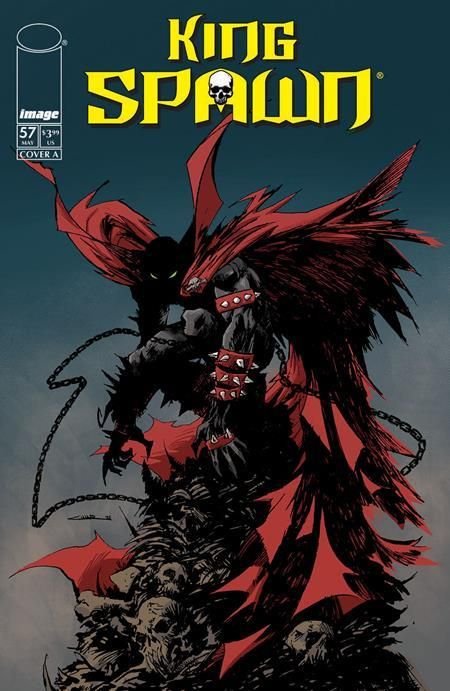
King Spawn #57 gives the Top 5 new key comics this week list a different kind of collecting logic. Written by Todd McFarlane with art by Thomas Nachlik, this issue has Al Simmons becoming the target of a secret government task force, not to kill him, but to steal his powers and create a new breed of soldier. That premise alone carries enough Spawn mythology potential to make collectors pay attention. The Spawn Universe has always been built on power structures, corrupted systems, supernatural weapons, Hell-born politics, and humans who think they can control things they absolutely cannot. A government task force trying to weaponize Spawn’s power is exactly the kind of bad idea that can create new characters, new powered soldiers, new enemies, or a future faction worth tracking. The speculative appeal here is not the same as a Marvel first issue or a DC Absolute launch. This is long-run mythology speculation. Spawn collectors tend to understand patience better than many modern-market chasers because this universe has operated for decades, and new characters or factions can matter later after the rest of the market stops paying attention. Nachlik’s art gives the issue a hard-edged visual tone that fits the concept, and McFarlane’s continued involvement keeps the title connected to the larger franchise identity. For collectors, King Spawn #57 is about watching for introductions inside a long-running universe: government-created soldiers, new power experiments, new enemies, or future franchise tools. Sometimes the smarter pickup is not the loudest first issue on the table. Sometimes it is the mid-run issue that quietly adds a dangerous new piece to the board while everyone else is arguing about variants. That is why Top 5 new key comics this week need variety. Speculation is not one lane. It is a traffic jam with better cover art.
This week’s list works because each comic offers a different collecting path.
Top 5 New Key Comics 5-20-26
-Jay Katz