
 Top 5 New Key Comics 8-5-26
LAST WEEK’S Top 5 New Key Comics 7-29-26
Two published books from Jay Katz of InvestComics are now available on Amazon. The Beginner’s Guide to Comic Investing: How to Spot Trends in Comics Before Everyone Else offers practical insight into comic speculation, first appearances, market trends, scarcity, and smarter collecting decisions. The Ultimate Comic Book Word Search gives comic fans a fun challenge packed with heroes, villains, creators, publishers, movies, television, and decades of comic book history. Two different books, one shared purpose: helping comic fans test their knowledge and sharpen their collecting awareness.➡️ https://www.amazon.com/stores/Jay-Katz/author/B0H6QN31G3
Top 5 New Key Comics 8-5-26
Clicking any red-highlighted link or comic book cover may direct you to eBay or another third-party marketplace where the item may be available for purchase. Please use your own judgment before buying. Always review the seller’s rating, feedback, item description, photos, shipping terms, and return policy before completing any transaction. InvestComics does not sell these items directly, does not control third-party listings, and is not responsible for any transaction, seller, product condition, shipping issue, refund, or dispute. InvestComics does not endorse any individual seller or listing. InvestComics participates in the eBay Partner Network and may receive compensation from qualifying purchases made through affiliate links on this site.
 Writer: Jason Aaron
Artist and colorist: Juan Ferreyra
Letterer: Becca Carey
Cover artist: Rafa Sandoval
Cover colorist: Ulises Arreola
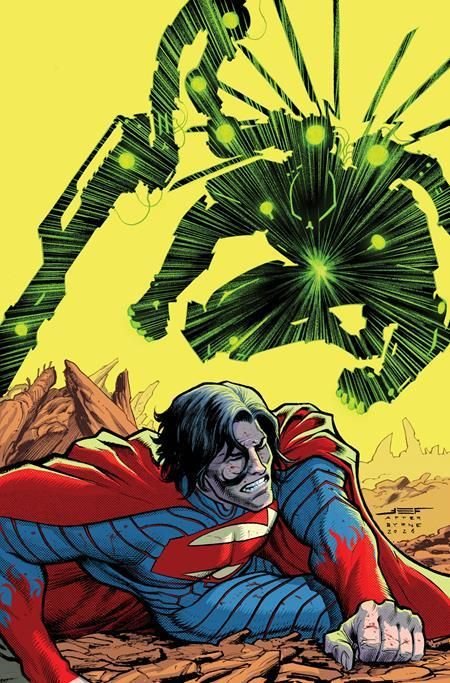
The Absolute Universe continues building alternate versions of established DC characters, and Absolute Superman #22 brings Metallo into that expanding mythology. The issue begins the “Get Brainiac” storyline, with Superman attempting to reach Brainiac while first confronting a version of Metallo whose body contains Kryptonite. The storyline is also positioned as part of the progression toward Absolute Superman #25, giving this issue importance as both an arc opener and a universe-specific character introduction.
For collectors, the primary speculative element is the introduction of Absolute Metallo. This is not the first appearance of Metallo as a DC character, nor should anyone casually erase decades of comic book history because the new version has a different design and considerably more exposed machinery. It is, however, the first appearance of Metallo’s Absolute Universe incarnation. Alternate-universe versions can establish independent collector markets when their designs, personalities and roles become distinctive enough to separate them from their original counterparts.
The Absolute line has already demonstrated that reinvented villains can receive immediate attention. The long-term significance of Absolute Metallo will depend on whether he becomes a lasting adversary, survives beyond this storyline and develops into something more substantial than an obstacle standing between Superman and Brainiac. A visually memorable redesign can attract initial demand, but sustained value usually requires recurring appearances and meaningful development.
The beginning of “Get Brainiac” adds another layer. Arc-opening issues can become relevant when the storyline eventually produces a major event, introduces additional characters or changes the direction of a series. The publisher is clearly building toward issue #25, although “game-changing” has become one of those comic book phrases that can mean anything from a major continuity shift to someone receiving a slightly different haircut. Speculators should document the claim but allow the actual issues to determine its importance.
Juan Ferreyra handling both the interior art and colors gives the issue a strong creative identity. That consistency may help define Absolute Metallo’s visual presentation, particularly if later artists continue using the same design. Original character designs frequently become more collectible when the artist responsible for establishing the look is directly connected to the debut issue.
Among the Top 5 New Key Comics This Week, Absolute Superman #22 carries one of the clearest key designations. It introduces a recognizable villain into a successful alternate universe, launches a new storyline and begins the march toward a promoted milestone. That does not guarantee market growth, but it provides identifiable reasons for collectors to keep the issue documented.
 Writer: Matt Fraction
Artist and cover artist: Jorge Jiménez
Colorist: Tomeu Morey
Letterer: Clayton Cowles
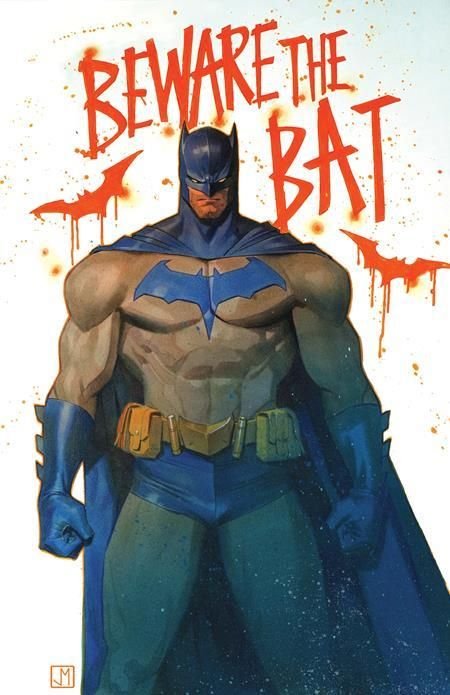
Batman #12 places Bruce Wayne against six assassins descending upon Gotham while introducing Verity Pennyworth as a significant new ally to the Bat-Family. Verity is tied directly to Alfred Pennyworth’s legacy and arrives to assume a support role within Bruce Wayne’s life at a time when Gotham apparently believes six assassins constitute a manageable scheduling conflict.
The collecting discussion surrounding Verity requires precision. Verity appeared on the final page of Batman #11, where she introduced herself to Bruce and Damian Wayne. That issue therefore has the strongest claim to her actual first on-panel appearance. Batman #12 is positioned as the issue in which collectors receive her first substantial role, more information about her connection to Alfred and a clearer understanding of her place within the Bat-Family.
This creates the familiar first-appearance versus first-full-appearance debate. Some collectors will prioritize Batman #11 because it contains the earliest physical appearance. Others may pursue Batman #12 as the first full appearance if Verity receives meaningful participation throughout the issue. Both comics may remain connected in the market, particularly if the character develops into a recurring member of Batman’s supporting cast.
The mistake would be declaring Batman #12 her unquestioned first appearance while ignoring the final page of issue #11. Modern collectors have access to enough information to be more accurate than that. A one-page debut does not vanish simply because the following issue offers a character more dialogue and a larger role. At the same time, the market has a long history of assigning separate importance to a first cameo and first full appearance, even when nobody can agree on where the line should be drawn.
Verity’s Pennyworth name gives the character immediate significance. Alfred was not merely an employee of Bruce Wayne. He was one of the emotional foundations of the Batman mythology, and introducing a new relative into that position creates possibilities extending beyond a temporary appearance. Verity’s long-term relevance will depend on whether she develops her own identity rather than existing solely as an Alfred substitute.
Her connection to the newly introduced Society of the Midnight Key may also prove important. If the organization expands into a meaningful part of Batman’s world, collectors may eventually look back at the issues surrounding its introduction. For now, Batman #11 and Batman #12 should be considered companion speculation comics rather than competitors fighting for a single label.
 Writers: Steve Orlando, Tom Waltz and Josh Trujillo
Artists and inkers: Bruno Büll, Áthila Fabbio and Ryusei Yamada
Colorists: Jim Campbell, Yen Nitro and Javier Tartaglia
Letterer: VC’s Joe Sabino
Cover artist: Juan Frigeri
Cover colorist: Erick Arciniega
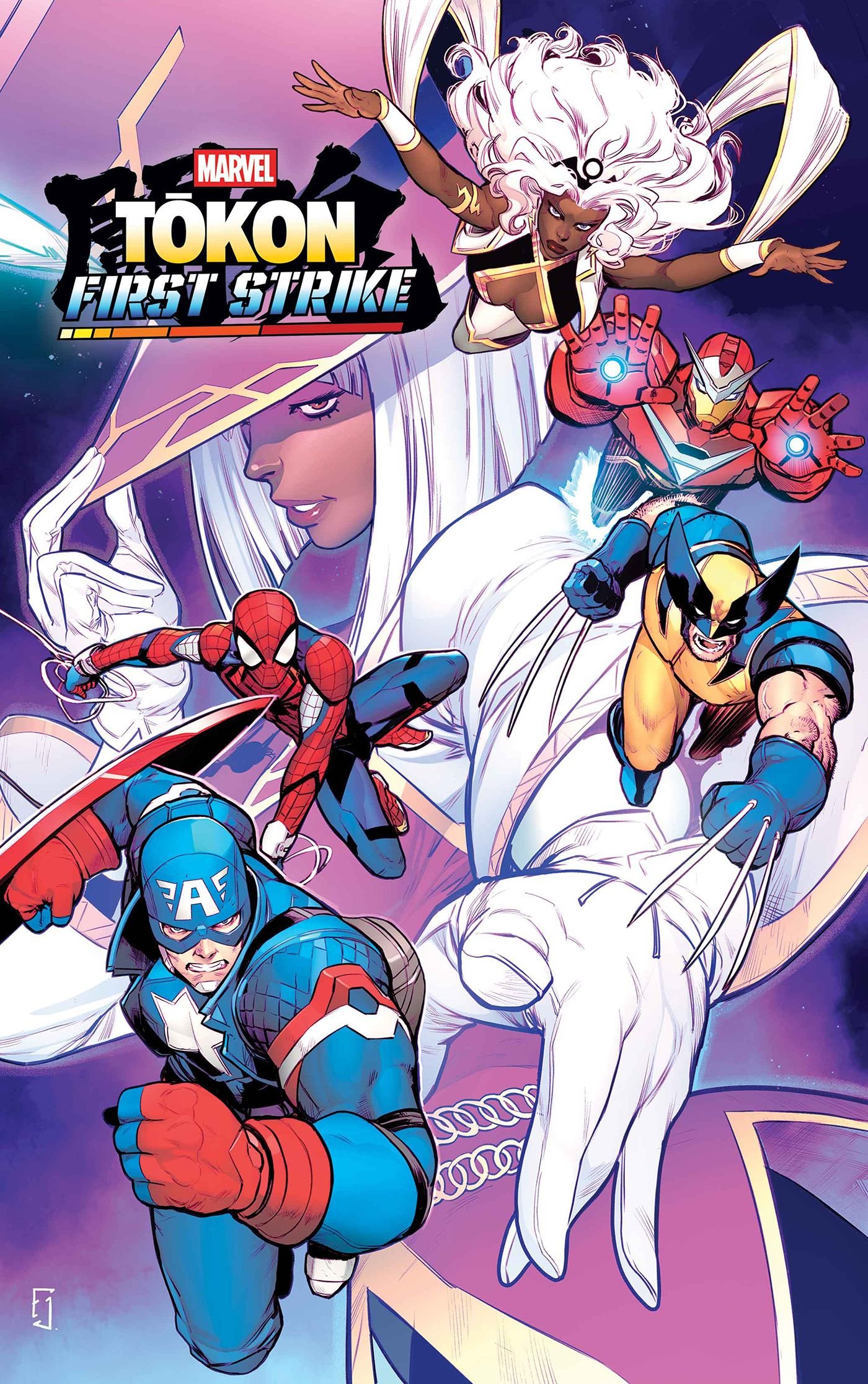
Marvel Tōkon: First Strike #1 is a one-shot expanding the mythology of the new Marvel Tōkon: Fighting Souls video-game universe. The anthology features the Fighting Avengers and Unbreakable X-Men while exploring the backgrounds of its heroes and the game’s antagonists, the Promoter and Champion. The comic arrives August 5, one day before the game’s scheduled August 6 launch on PlayStation 5 and PC.
From a speculation standpoint, this issue offers several possible firsts. It serves as the first dedicated comic book issue set within the Marvel Tōkon universe, presenting redesigned interpretations of familiar Marvel heroes inside a continuity created for the game. It may also provide the first comic book appearances of the Promoter and Champion, although collectors should confirm their presence and narrative roles inside the finished issue before assigning definitive labels.
This distinction matters because promotional material sometimes uses phrases such as “reveal the backstories” without confirming whether a character appears physically, appears only in narration or receives a full introduction. A name mentioned in dialogue, a background image and a developed character appearance do not always carry equal weight in the collecting market. The safest approach is to document the potential and verify the execution.
Cross-media comics occupy an unusual speculative space. A successful game can send collectors looking for its earliest comic-related material, especially when the comic contains exclusive mythology unavailable elsewhere. A game that disappears quickly can leave the tie-in as an interesting curiosity with a limited audience. Neither outcome can be known on release day, regardless of how confidently someone presents a preorder receipt as advanced market analysis.
The one-shot format adds appeal because there is no need to determine which installment begins the mythology. This is the launch comic. If Marvel Tōkon develops sequels, downloadable characters, animated projects or additional comics, Marvel Tōkon: First Strike #1 will remain the first dedicated printed entry tied directly to that universe.
The creative structure may also help its collectibility. Three writing and art teams provide different segments within the anthology, potentially establishing several characters and concepts at once. Collectors should pay close attention to the Promoter, Champion and any original supporting characters whose names or designs appear for the first time.
The strongest speculative argument is not simply that the comic has a number one attached to it. Marvel publishes enough number-one issues to keep long boxes from becoming emotionally secure. The stronger argument is that Marvel Tōkon: First Strike #1 documents the beginning of a separate Marvel gaming universe at the exact moment the game launches. That gives the comic a clearly defined place within both comic book and video-game collecting.
 Writer: Ryan North
Artist and cover artist: Humberto Ramos
Letterer: VC’s Joe Caramagna
Cover colorist: Edgar Delgado
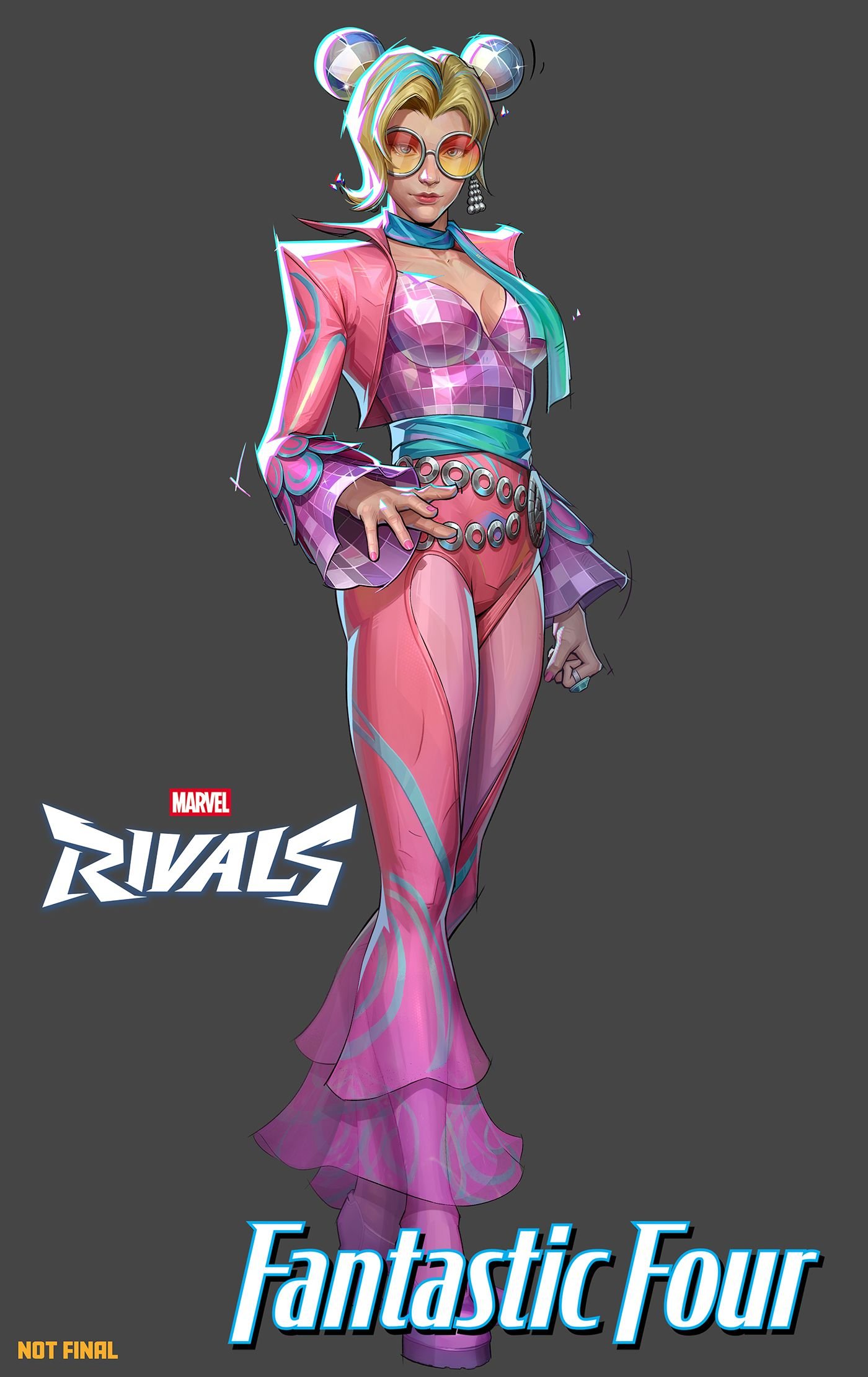
Fantastic Four #15 commemorates the 65th anniversary of Marvel’s First Family with an oversized story spanning centuries of the team’s history. The Fantastic Four have their individual arrows of time reversed and are pulled backward through history while an unidentified woman attempts to determine how to bring them home. The issue also incorporates classic moments associated with creators including Jack Kirby, John Buscema, John Byrne and Steve Epting.
Unlike several other selections this week, Fantastic Four #15 does not arrive with a confirmed first appearance. The unidentified stranger assisting the team is the character collectors should watch. She may be new, she may be an established character whose identity is being withheld or she may exist primarily to move the time-based plot forward. Until the issue confirms who she is and how substantial her role becomes, any first-appearance label would be premature.
That uncertainty is exactly why the comic belongs on a speculation list. Collectors do not always receive a convenient announcement naming the new character, explaining her abilities and promising twelve additional appearances. Sometimes the important detail is hidden inside a broader anniversary story. The issue’s description deliberately emphasizes the stranger, which suggests she has an important function, but importance within one story does not automatically create lasting collector demand.
The 65th-anniversary designation gives the comic historical appeal beyond possible character introductions. Anniversary issues often receive increased orders and extensive promotion, which can work against scarcity. They can still become desirable because of their content, creative team and connection to a franchise milestone, but collectors should not confuse a significant anniversary with a low print run.
Ryan North and Humberto Ramos are using the anniversary to revisit and recontextualize moments from the Fantastic Four’s history. That creates an art-driven collecting angle, particularly for fans of the creators whose classic work is being incorporated. The issue effectively connects several generations of Fantastic Four material while moving the current series forward.
The unidentified woman remains the primary speculative question. Collectors should note her name, appearance, abilities and whether she survives beyond the issue. A single helper appearing during an anniversary adventure may not have much market impact. A new character connected to time manipulation, the Fantastic Four’s history or an upcoming storyline could be a different matter.
There is also the matter of Johnny Storm’s mustache saving New York City. After 65 years of cosmic exploration, interdimensional science and world-threatening villains, facial hair has apparently become the final defensive line. Speculation has survived stranger developments.
Fantastic Four #15 earns its spot among the Top 5 New Key Comics This Week because it combines a major franchise anniversary, an oversized historical structure, notable artistic material and a possible character introduction that has not yet been fully explained. This is the selection requiring the most patience, but patient observation is generally more useful than deciding every unidentified figure is the next billion-dollar franchise.
Origins of the Hood: Marvel Rivals #1
 Writer: Pallie Paul Allor
Artist and inker: Francesco Archidiacono
Colorist: Carlos Lopez
Letterer: VC’s Joe Sabino
Cover artists: Paco Diaz and Paco Medina
Cover colorist: Fer Sifuentes
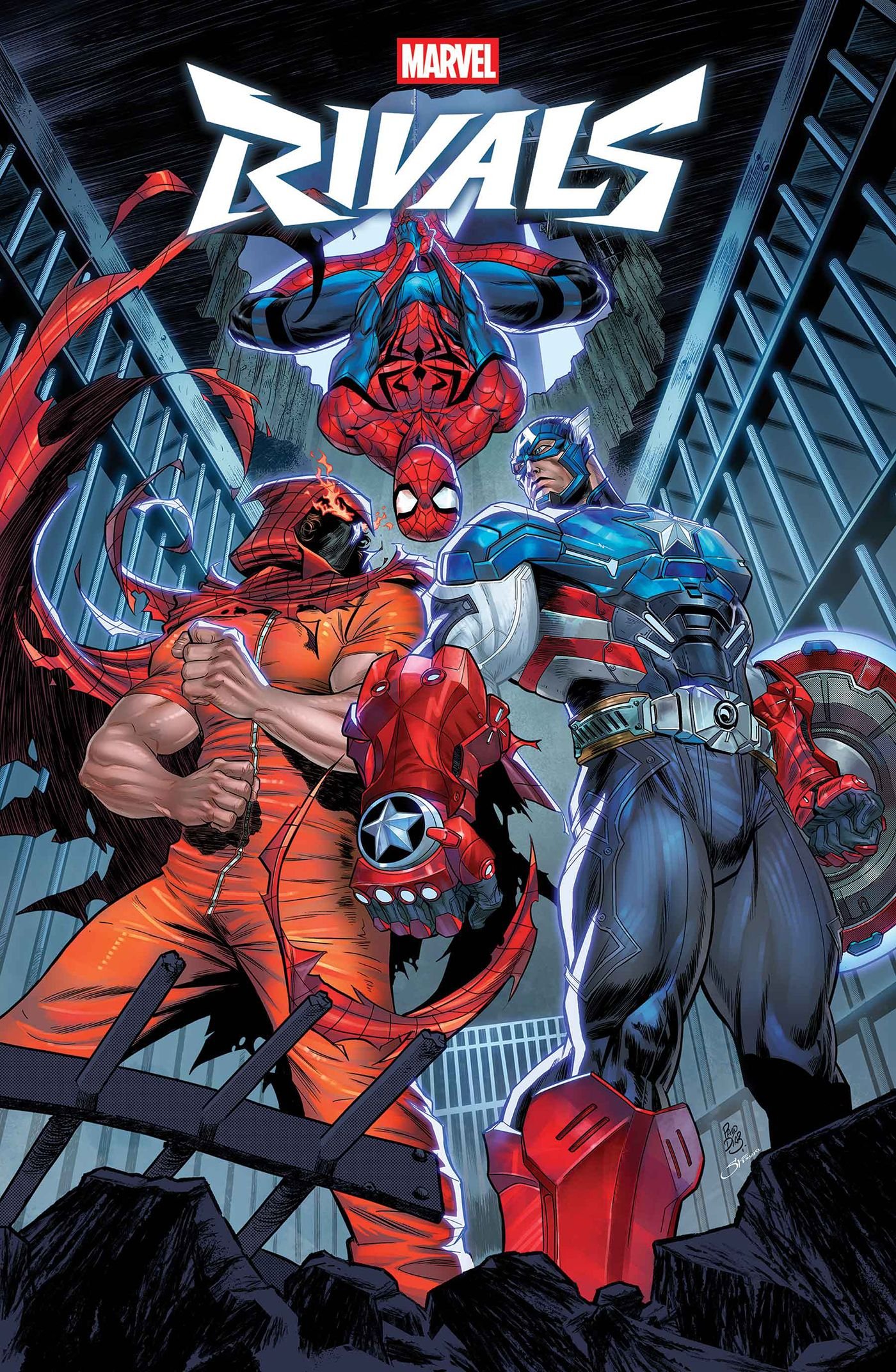
This new release explores the Marvel Rivals history of Parker Robbins, following his transformation from a child inspired by Captain America into a man willing to attack the Kingpin’s empire. That decision places Parker in prison alongside the hero he once admired and moves him closer to becoming the Hood.
The key detail for collectors is that this story originally appeared digitally as part of the Marvel Rivals Infinity Comic, beginning with issue #43. The August release represents the story’s first traditional print collection rather than its first publication in any format.
That distinction should be stated clearly. This is not the first appearance of Parker Robbins. The Hood has existed in comics since 2002 and has accumulated an extensive history involving organized crime, Dormammu, the Avengers and Ghost Rider. It is also not the first time this Marvel Rivals origin story has been available. It is the first print presentation of material that began as a vertical digital comic.
First print appearances have developed a collector audience, particularly when digital-first stories introduce alternate versions, costumes or continuity elements. Some collectors strongly prefer physical editions and consider the first print version a separate milestone. Others prioritize the earliest publication regardless of format. Neither position changes the chronology, but the difference can influence demand.
The larger speculative angle is the print debut of Marvel Rivals’ interpretation of the Hood. This version of Parker is shaped by his childhood admiration for Captain America, his family’s collapse and his conflict with the Kingpin. If the game continues developing the Hood as a major character, this issue may become the most accessible physical comic documenting that interpretation’s origin.
Collectors should resist marketing it as the first appearance of the Hood without qualification. That would be historically inaccurate and easily disproven. The value lies in its status as the first print edition of a game-specific origin story, its connection to Marvel Rivals and its role in expanding Parker Robbins for a newer audience.
The number-one issue format, recognizable characters and gaming connection may produce initial interest. Long-term attention will depend on the Hood’s prominence within Marvel Rivals and whether additional comics continue this continuity. Cross-media demand can be powerful, but it can also disappear with impressive efficiency when a franchise stops receiving updates.
Origins of the Hood: Marvel Rivals #1 completes the Top 5 New Key Comics This Week as the selection requiring the clearest terminology. It may become a desirable first print edition, but it should never be presented as Parker Robbins’ original comic book debut. Accurate speculation is less dramatic than exaggerated speculation, although it is considerably more useful.
-Jay Katz