
 Top 5 New Key Comics 9-16-26
New Books from Jay Katz of InvestComics
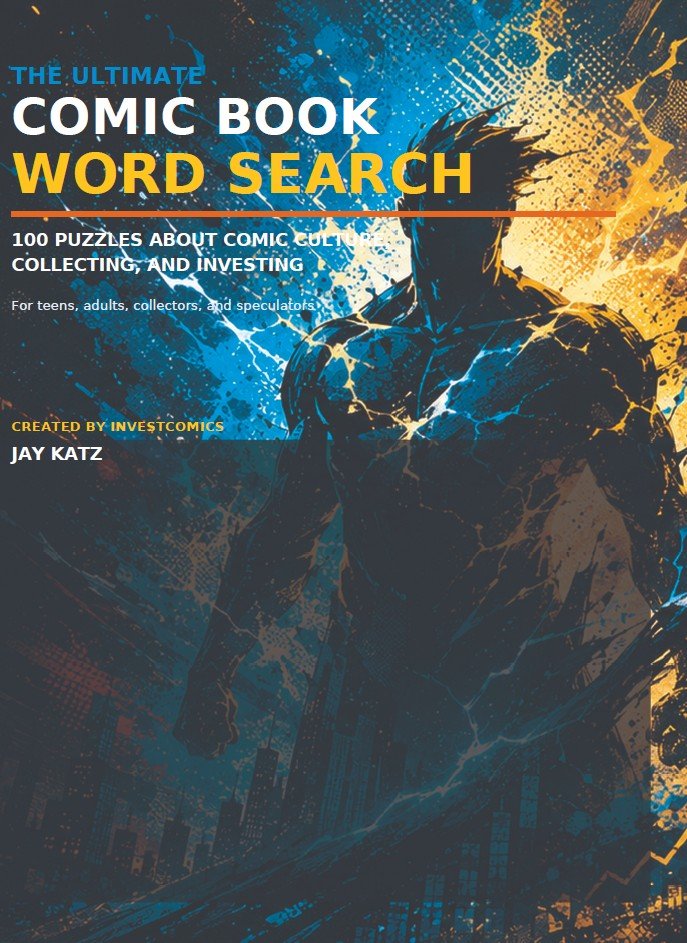
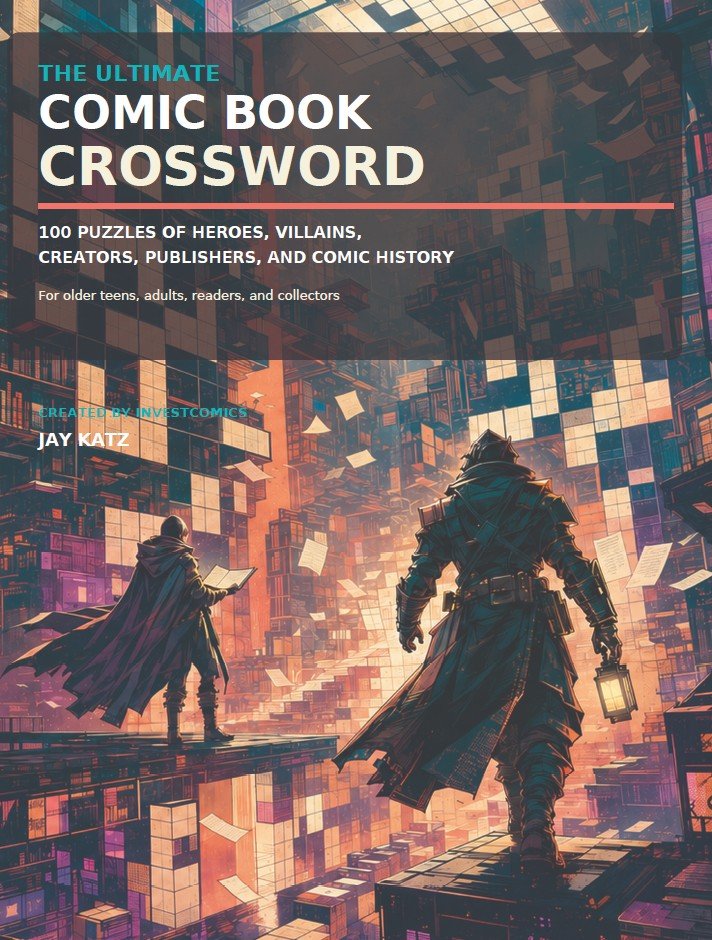
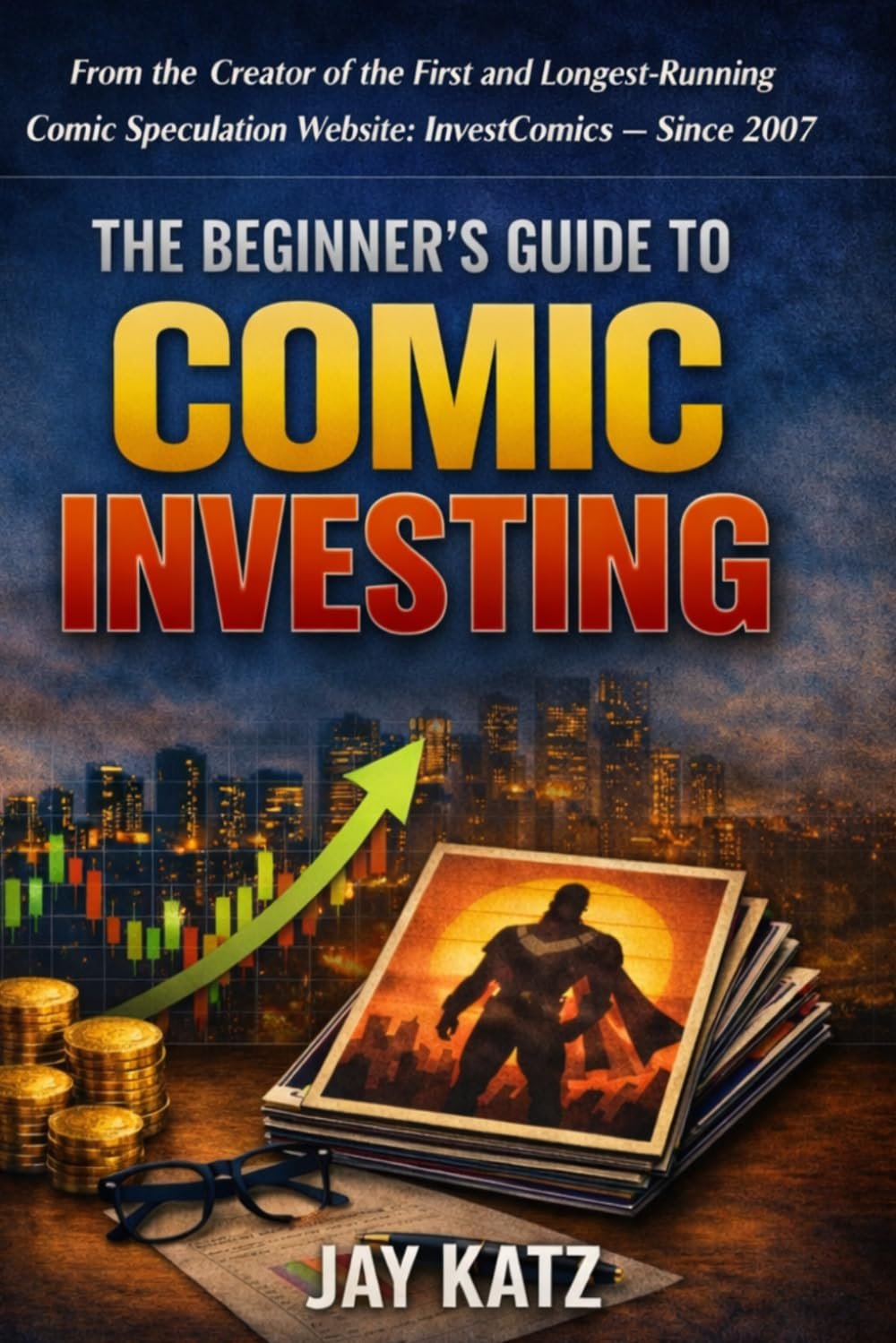
Jay Katz of InvestComics now has three comic-themed books available on Amazon: The Beginner’s Guide to Comic Investing: How to Spot Trends in Comics Before Everyone Else, The Ultimate Comic Book Word Search, and The Ultimate Comic Crossword Puzzle. Whether you want to sharpen your speculation instincts or test your comic knowledge, all three books are available in one place.
 View all three books on Amazon
LAST WEEK’S Top 5 New Key Comics 9-9-26
Clicking any red-highlighted link or comic book cover may direct you to eBay or another third-party marketplace where the item may be available for purchase. Please use your own judgment before buying. Always review the seller’s rating, feedback, item description, photos, shipping terms, and return policy before completing any transaction. InvestComics does not sell these items directly, does not control third-party listings, and is not responsible for any transaction, seller, product condition, shipping issue, refund, or dispute. InvestComics does not endorse any individual seller or listing. InvestComics participates in the eBay Partner Network and may receive compensation from qualifying purchases made through affiliate links on this site.
Detective Comics #1113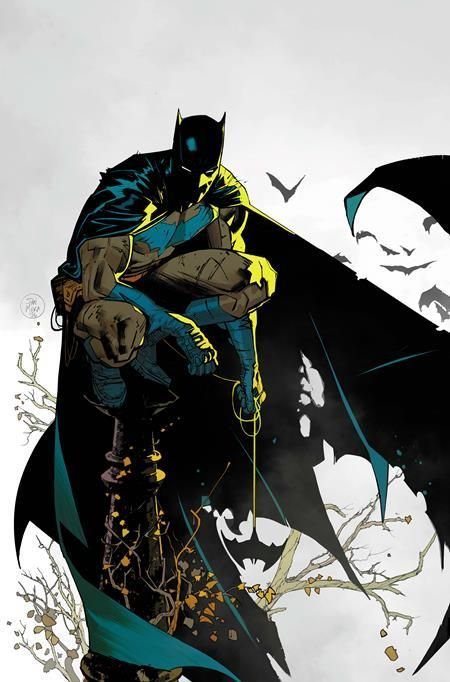
Creators: Writers Tom Taylor and Dan Watters. Artist Jeff Spokes. Provided cover artist Dan Mora.
There is considerably more happening with Detective Comics #1113 than another chapter in a Batman crossover. The main story continues the Bad Seeds event directly from Batman #13, with Gotham overwhelmed by prehistoric plant life while Vandal Savage and his TUCO forces complicate matters even further. That direct continuation makes Batman #13 the logical immediate companion issue for collectors following the event. The bigger key-comic development, however, is tucked into the backup story, where DC introduces a brand-new Batman villain created through its Building Bad initiative.
That villain is Rhetoric, and this is the character’s first comic-book appearance. No cameo-versus-full argument needs to be manufactured before the character even gets comfortable in Gotham. DC has specifically positioned the new villain to debut in Detective Comics #1113, with additional plans extending beyond this single comic. Rhetoric is also slated for Batman #14 and for a LEGO Batman: Legacy of the Dark Knight appearance, along with a DC GO presentation. That is an unusually coordinated introduction for a completely new Batman adversary.
Cross-media planning does not automatically make Rhetoric the next Harley Quinn, Bane or Court of Owls. That sentence should probably be printed on the back of every speculative comic purchase. What it does provide is something collectors should recognize: DC is not introducing the character and immediately tossing the concept into storage. There is already a pathway beyond the debut issue. That matters because continued appearances are what eventually separate many lasting first appearances from the thousands of characters who technically have a first appearance and approximately nobody remembers where it happened.
The unusual creation of Rhetoric also gives Detective Comics #1113 another distinction. The character emerged from a fan-driven contest in collaboration with DC, making this an origin story outside the fictional one. If Rhetoric develops into a recurring member of Batman’s rogues gallery, the debut will always trace back here. Batman collecting is particularly sensitive to villain introductions because Gotham has produced one of the deepest antagonist catalogs in comics. Nobody can guarantee Rhetoric joins those ranks, but that is exactly why the first issue becomes the speculation point instead of the twentieth appearance after everybody has decided they like the character.
For collectors concentrating on story line chronology, Batman #13 belongs beside this one because Detective Comics #1113 explicitly continues from it. For collectors concentrating on first appearances, the cleaner target is the Rhetoric backup contained here. Those are two different reasons to track two connected books, and they should remain two different things rather than being mashed together for convenience.
The Dan Mora cover supplied here adds an art-collecting component without changing the actual key designation. Mora’s Batman work has developed a substantial collector following, so the variant offers another lane for people who collect artists in addition to story significance. The first appearance remains the fundamental reason the comic belongs among the Top 5 New Key Comics This Week. The cover is the additional temptation, because apparently collectors needed another decision to make.
Marvel Mangaverse: Arcane Avengers #1
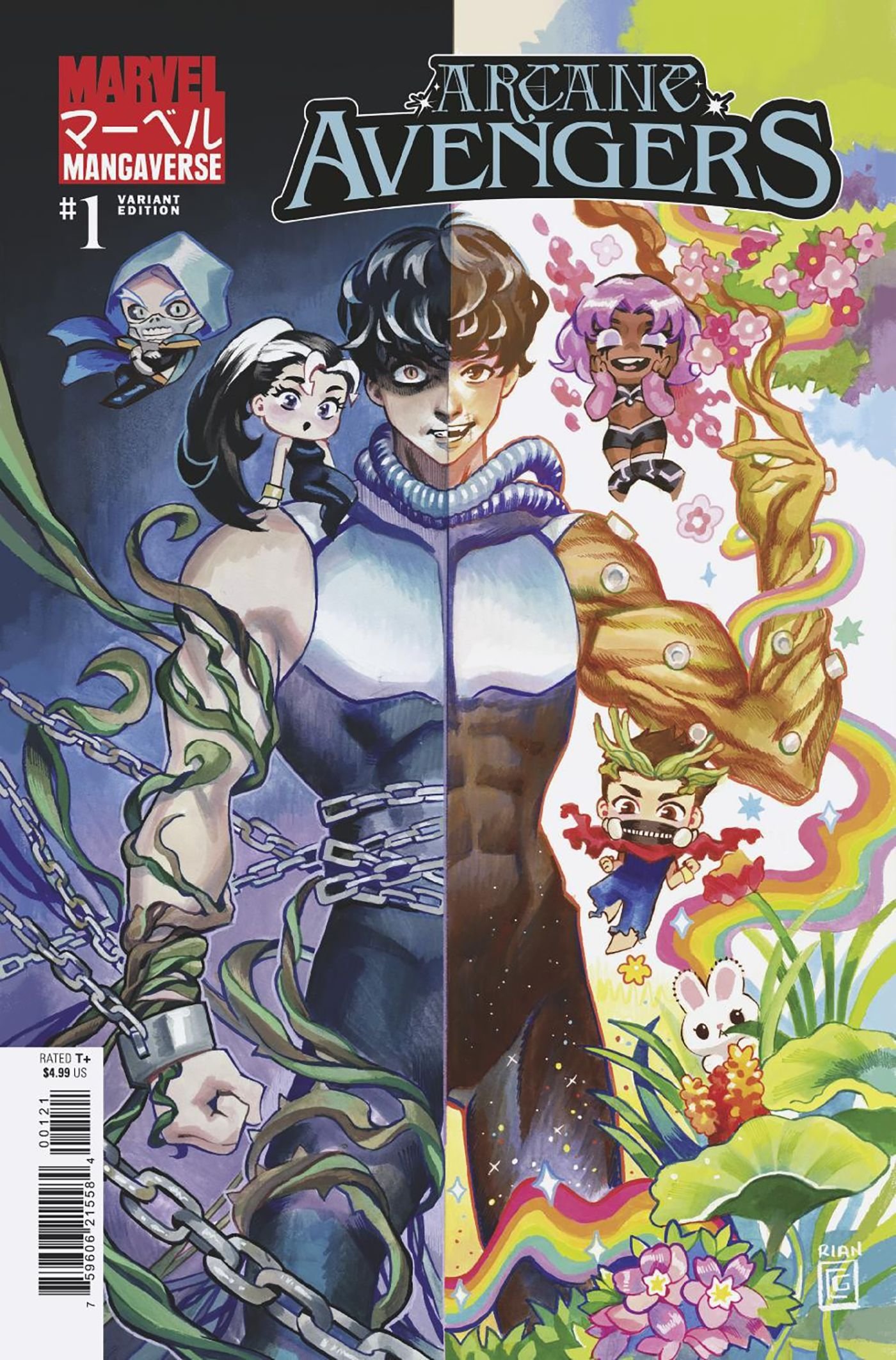
 Creators: Writer Ashley Allen. Artist Mirka Andolfo. Provided cover artist Rian Gonzales.
The first thing collectors should establish with Marvel Mangaverse: Arcane Avengers #1 is what this book actually belongs to. Marvel Mangaverse is Earth-2301, and its clean historical starting point is Marvel Mangaverse: New Dawn #1 from 2002. Calling New Dawn the “first Marvel manga comic” would be far too broad because Marvel had experimented with manga influences outside this particular continuity. Calling it the foundational Earth-2301 Mangaverse key is much cleaner.
Another back issue becomes directly relevant here: Marvel Mangaverse: Avengers Assemble #1. That one introduced the Earth-2301 Avengers and several Mangaverse counterparts, including Hawkeye. Hawkeye’s appearance in Marvel Mangaverse: Arcane Avengers #1 therefore is not a first appearance of Mangaverse Hawkeye. Avengers Assemble #1 is the logical older book to connect to this one because the new special brings that character back into an Avengers-branded Mangaverse story.
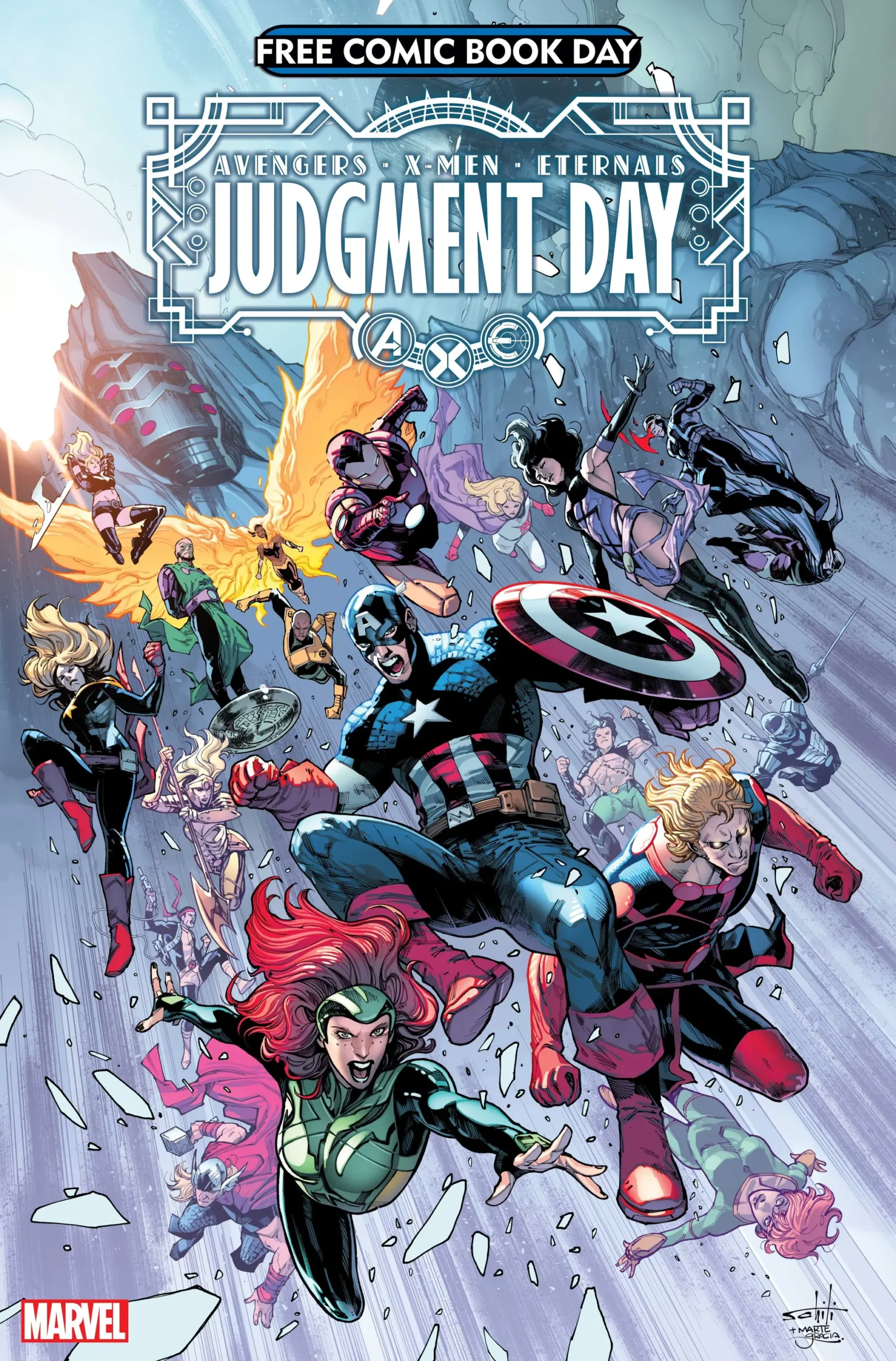
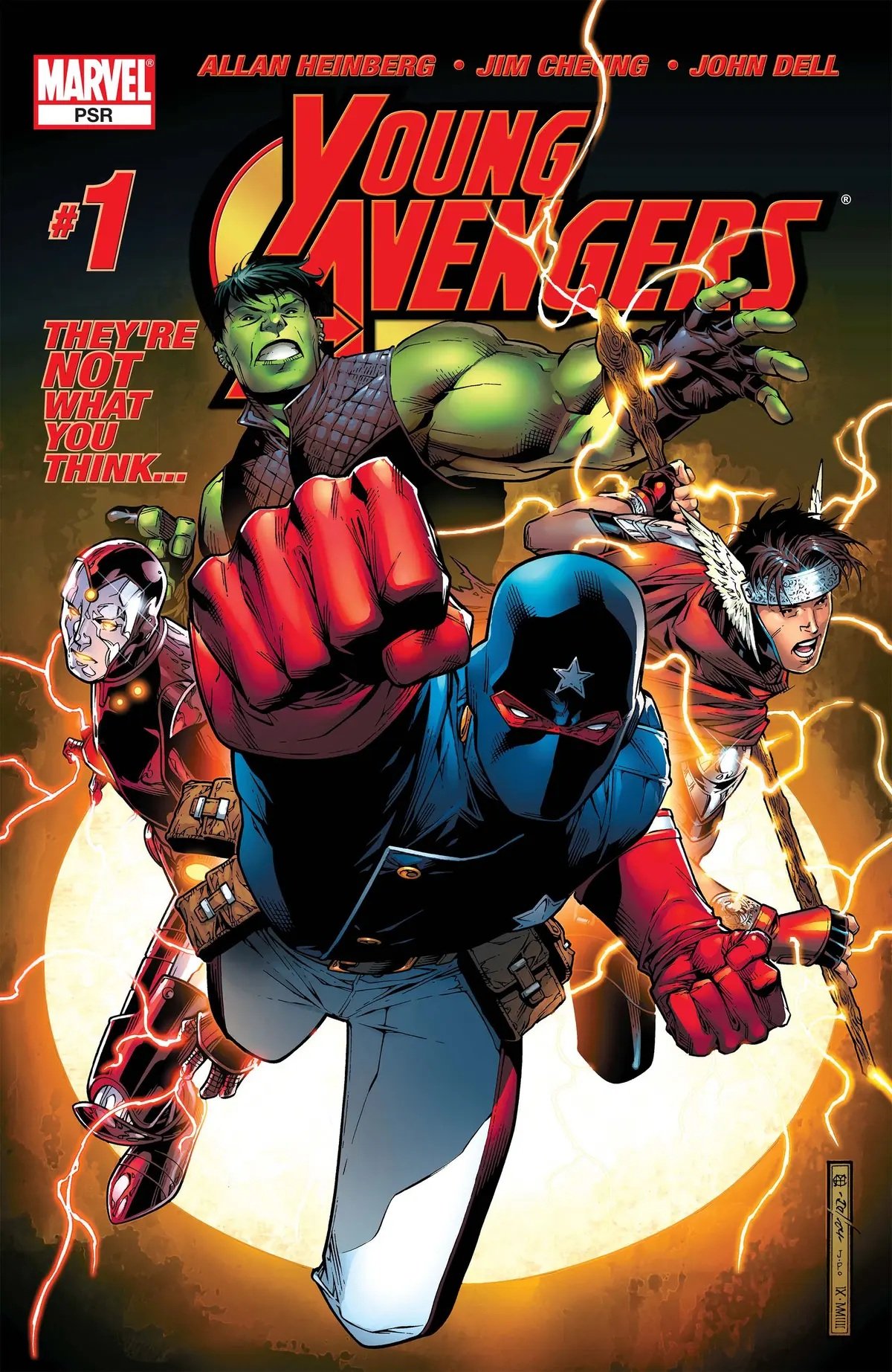
The much more intriguing speculation angle involves Winter Soldier, Wiccan and Bloodline. These characters represent generations of Marvel history that did not line up neatly with the original Mangaverse launch. Wiccan’s mainstream first appearance traces to Young Avengers #1 in 2005, several years after the original Earth-2301 material began. Bloodline, Brielle Brooks, did not arrive until Free Comic Book Day 2022: Avengers/X-Men #1. The modern Winter Soldier identity likewise emerged after the earliest Mangaverse material had already been established. That makes the possibility of new Earth-2301 incarnations extremely relevant here.
Until every continuity detail is established from the finished issue, I would treat those as potential Mangaverse first appearances rather than engraving the designation in stone. The safer statement is that Marvel Mangaverse: Arcane Avengers #1 is positioned to introduce this Arcane Avengers configuration while bringing characters into the revived Mangaverse who we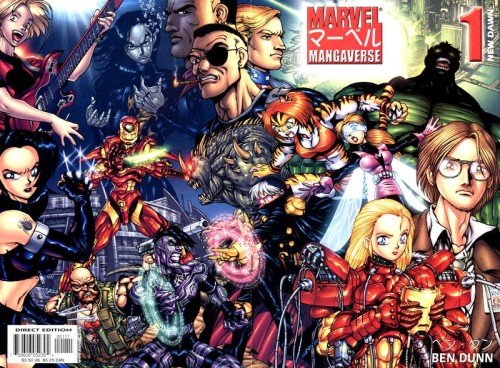 re not part of the original 2002-era foundation in the forms collectors now recognize. If Wiccan, Bloodline or this particular Winter Soldier incarnation is formally established as a new Earth-2301 version, that becomes the type of universe-specific first appearance alternate-reality collectors regularly catalog.
There is also no need to drag Peach Momoko’s Demon Days material into the Earth-2301 chronology simply because both projects carry strong Japanese artistic influences. Demon Days is its own alternate Marvel concept rather than the original Marvel Mangaverse continuity. Manga-inspired Marvel material and Marvel Mangaverse are not interchangeable terms, regardless of how convenient that might make an online auction title.
Ashley Allen and Mirka Andolfo bring this incarnation together with Winter Soldier leading Bloodline and Wiccan under the control of the Ten Heads, while Hawkeye’s reappearance ties the special back to an established Mangaverse Avenger. That combination of new-generation Marvel characters and old Earth-2301 history gives speculators more to work with than simply seeing “Mangaverse” printed across another #1.
DNX #1
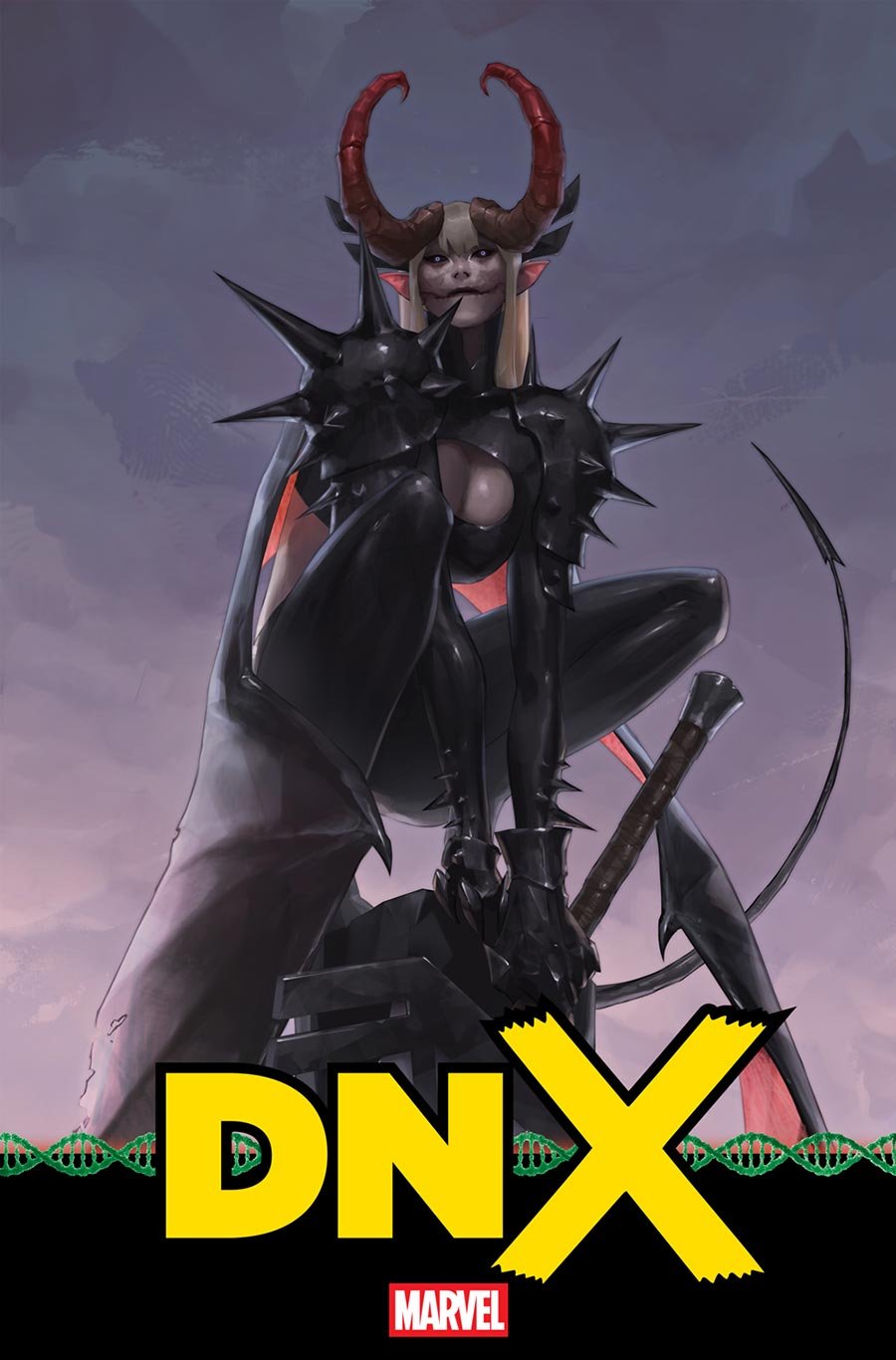 Creators: Writer Jed MacKay. Artist Federico Vicentini. Provided cover artist Jeehyung Lee.
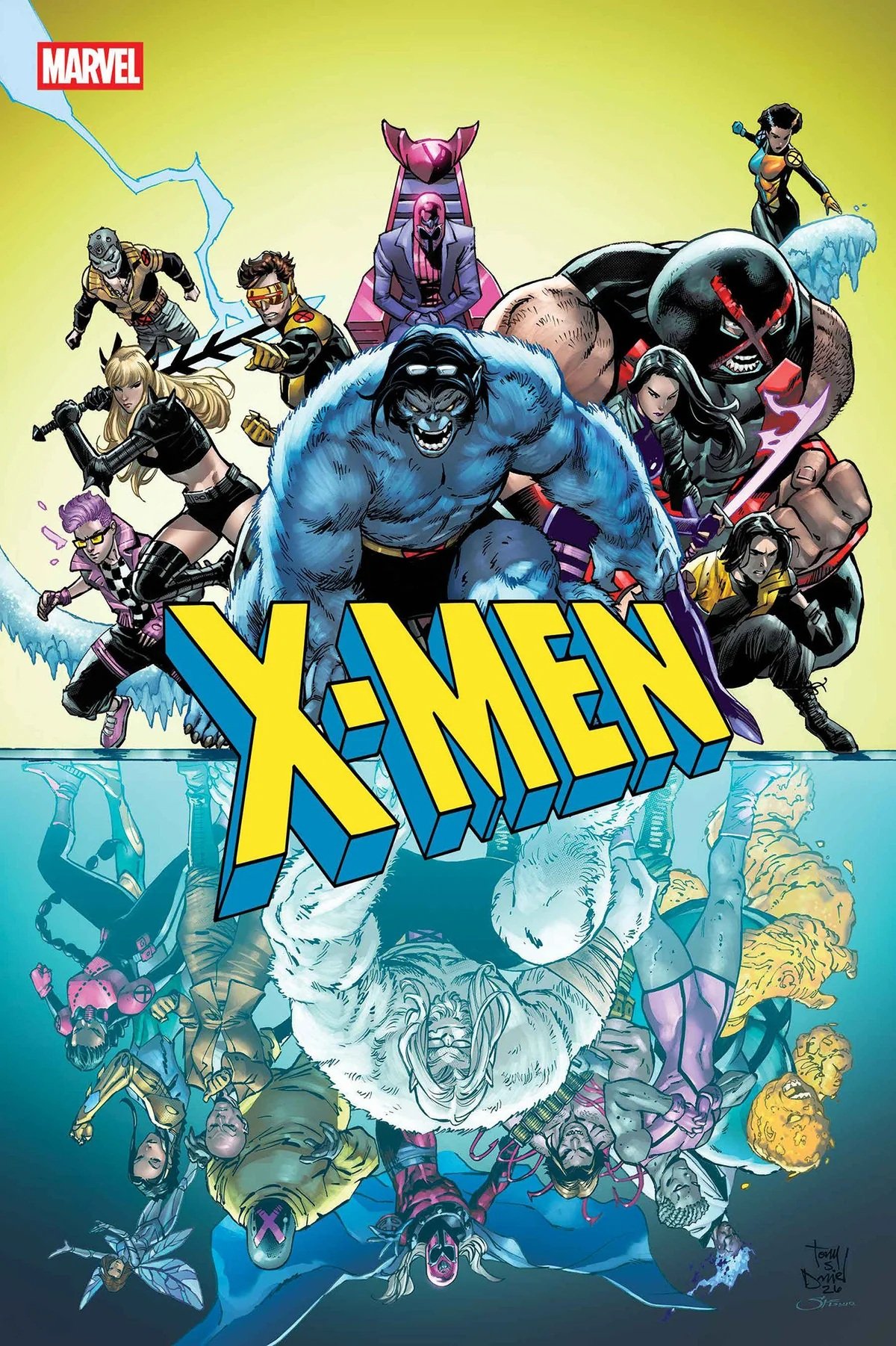
DNX #1 is an interesting case because calling the X-Virus a new first appearance here would be incorrect. The X-Virus was introduced earlier in X-Men: Age of Revelation #0 as part of the future associated with the Age of Revelation. That historical distinction immediately creates a back-issue correlation for collectors who believe the X-Virus could become an important concept beyond the event itself.
The path into DNX #1 also runs directly through the recent X-Men series. X-Men #35 and X-Men #36 function as DNX setup material, with the conflict involving 3K, the Chairman and the attempt to develop the X-Virus for the present. X-Men #36 is particularly relevant because 3K’s work toward a viable X-Virus build and its connection to Magneto push the story line directly toward the DNX confrontation. Those books should be looked at as setup issues, not retroactively relabeled as something they are not if DNX becomes popular six months from now.
That leaves DNX #1 with a different speculation identity. This is where the virus moves from future-history concept to the central threat of a present-day Marvel event involving the X-Men, 3K and the Fantastic Four. Cyclops wants to prevent the future he experienced. The Chairman and 3K want control of what that future revealed. The White Beast intends to unleash the X-Virus in a major population center. A concept introduced in an alternate future suddenly becoming a weapon capable of changing the current Marvel landscape is exactly how an overlooked earlier appearance can become interesting again.
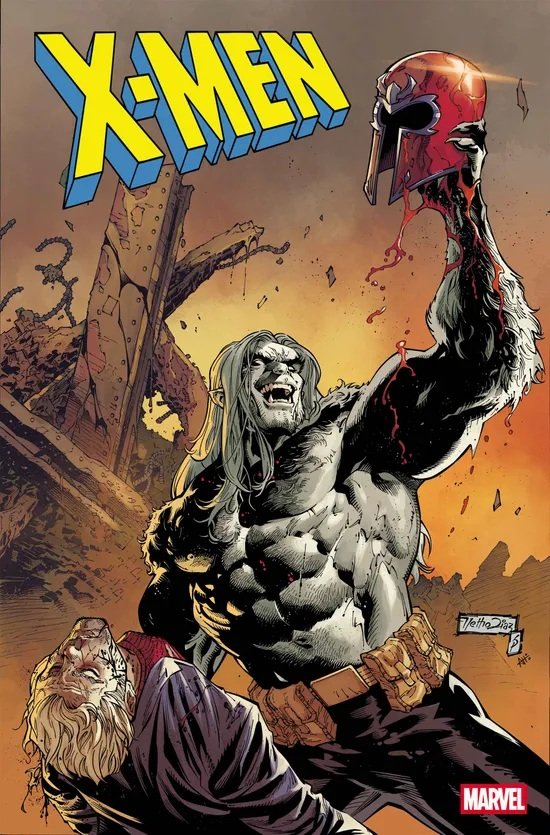
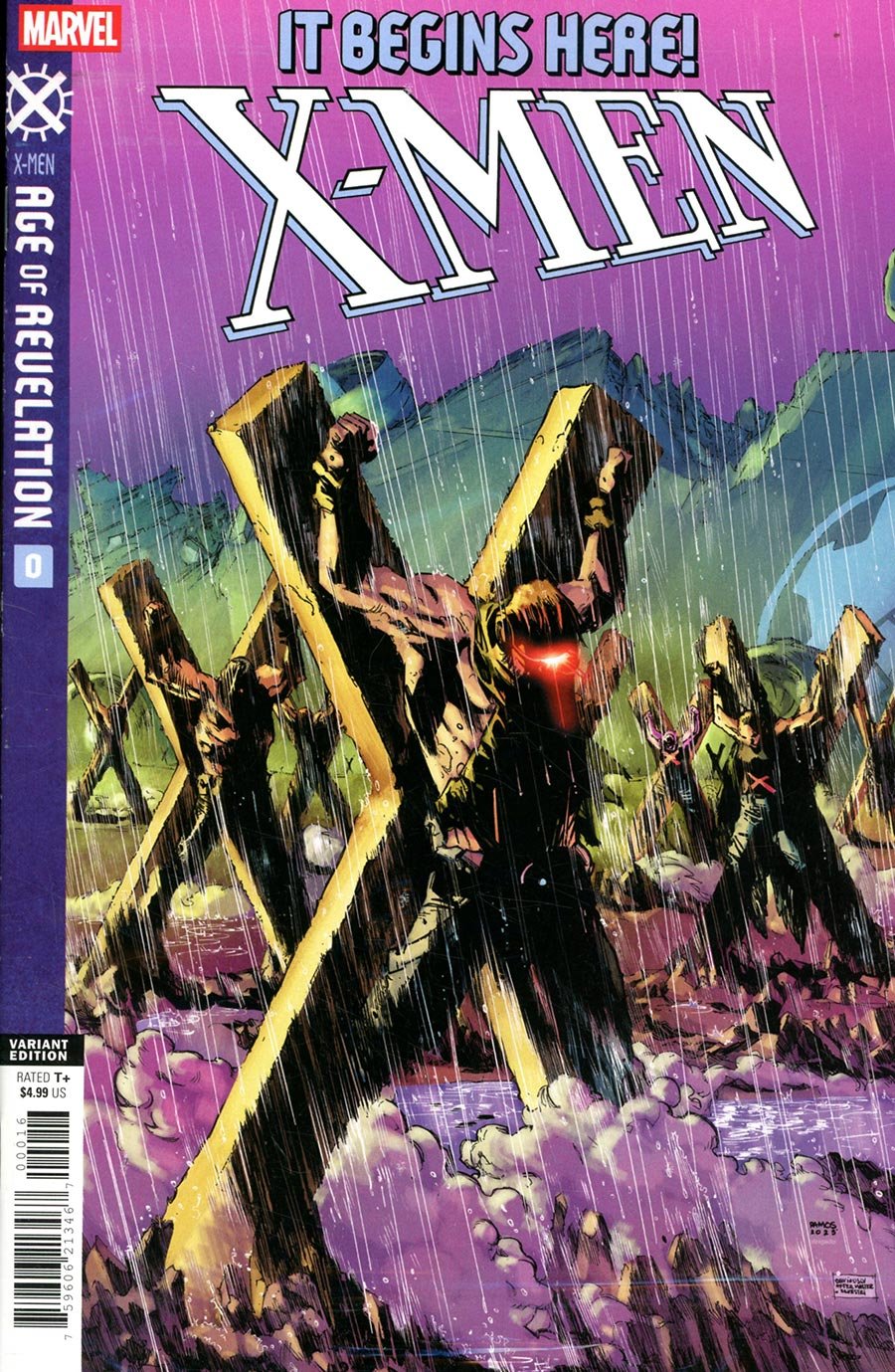 For collectors, X-Men: Age of Revelation #0 is therefore worth remembering as the original X-Virus appearance, while X-Men #35 and #36 form the immediate road into this event. DNX #1 should be judged as the launch of the event and the first major present-day deployment of the concept, not as the virus’s original debut. Accuracy is less exciting than slapping “FIRST APPEARANCE” on everything, but it tends to age better.
The other variable is what DNX introduces from this point forward. Marvel has not publicly identified a specific brand-new character debut in the first issue in the same explicit manner used for Avengers: Armageddon #4. That means there is no reason to manufacture one before the issue establishes it. New forms, new infected characters, mutations or other introductions may eventually create additional key designations, but speculation works better when the facts are allowed to arrive before the price tags.
Jeehyung Lee provides the supplied variant, giving cover collectors a distinct art option tied to a major X-Men event launch. Marvel’s broader blind-bag program around DNX adds another layer of chase collecting, because apparently knowing exactly which comic cover you are purchasing was becoming far too predictable. That may create short-term cover demand, but mystery packaging and actual story significance remain different collecting categories.
For long-term speculation, the more compelling question is what Marvel does with the X-Virus after DNX. If it survives the event as an ongoing tool, threat or permanent part of mutant mythology, the books establishing its history could become increasingly relevant. If it disappears when the event ends, the market will make that judgment just as efficiently. Either way, DNX #1 gives collectors a logical modern milestone with clearly identifiable books behind it.
Avengers: Armageddon #4
Creators: Writer Chip Zdarsky. Artists Delio Diaz and Frank Alpizar. Provided cover artist Dike Ruan.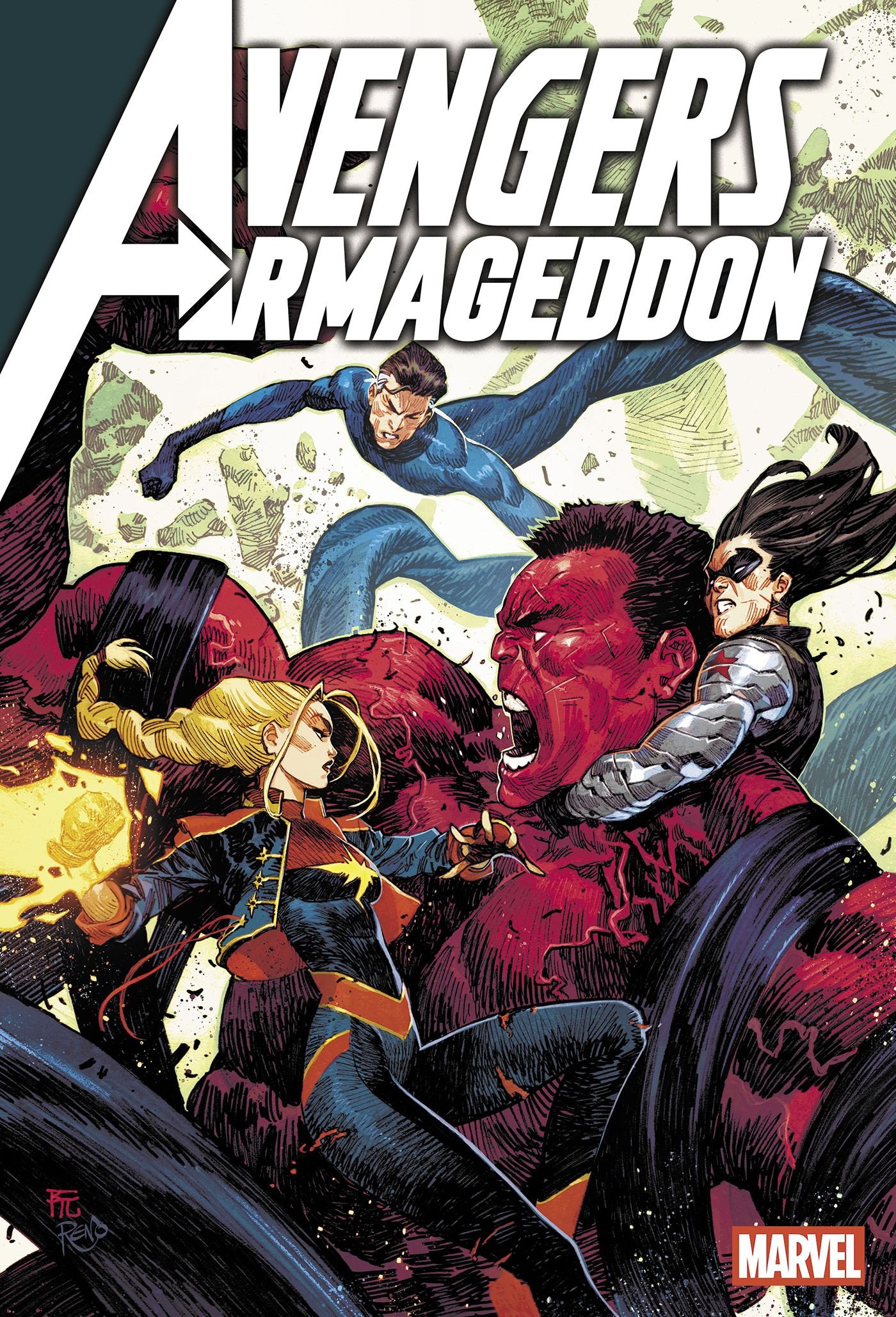
If there is one book on this list where the first-appearance flag is being waved directly by the publisher, it is Avengers: Armageddon #4. Marvel has openly described the issue as the debut of a shocking new character who helps set the stage for the upcoming Avengers #1. That is much stronger speculation material than attempting to decode whether the fourth person standing behind Captain Marvel on a teaser image has a slightly different haircut.
The identity is the mystery. The existence of the debut is not.
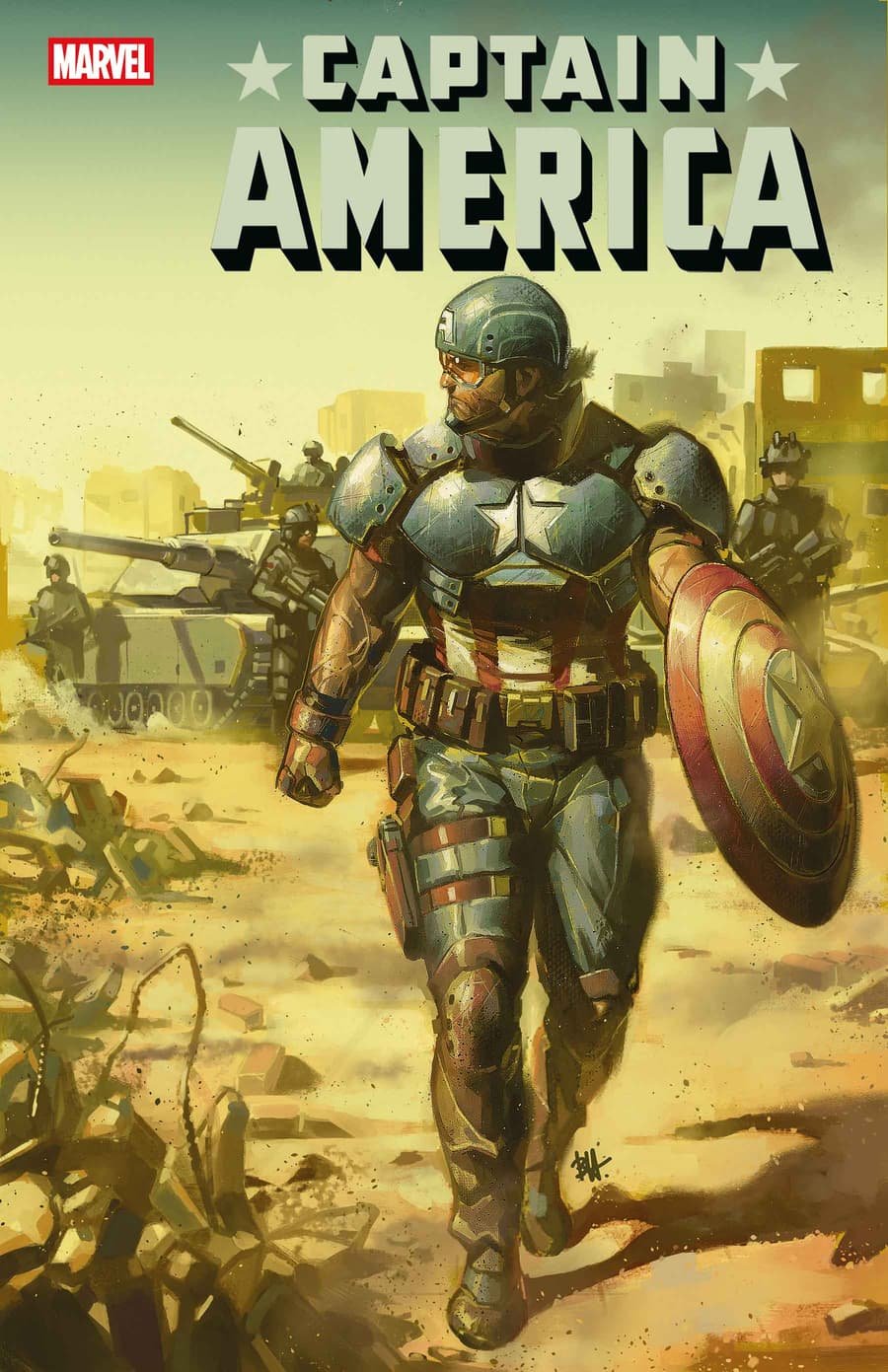
That distinction matters because David Colton is already deeply connected to the Armageddon story line, but collectors should not mistakenly assume he is the promised new character. Colton debuted earlier in Chip Zdarsky’s Captain America #1, making that comic his established first appearance. Marvel itself identifies that Captain America run as the road to Armageddon, and subsequent material keeps Colton at the center of the fallout. If he becomes increasingly important after Avengers: Armageddon #4, Captain America #1 remains his origin point in the collector timeline.
So who makes the new debut here is where the speculation begins. Marvel is keeping that information hidden while simultaneously confirming that the character has consequences extending into the next Avengers series. That gives Avengers: Armageddon #4 the kind of setup collectors generally prefer: a defined first appearance combined with a future publishing plan. It still does not guarantee demand. A new character can appear in the most aggressively promoted comic on Earth and disappear into editorial storage three months later. Longevity is earned after the debut.
Historically, Avengers collectors understand why villain and character introductions buried inside ongoing numbering can matter far more than another new #1. Kang’s debut as Kang in 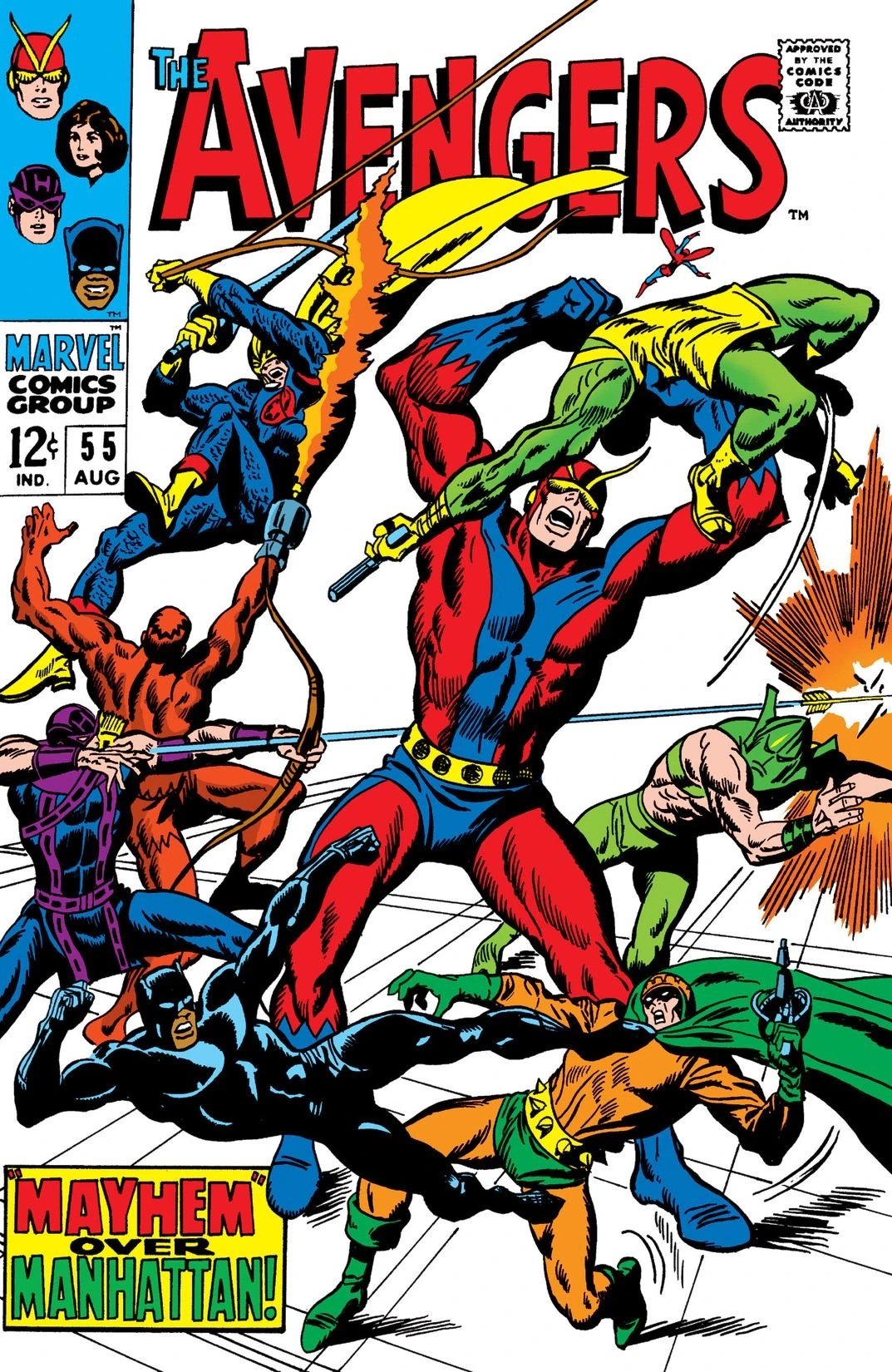
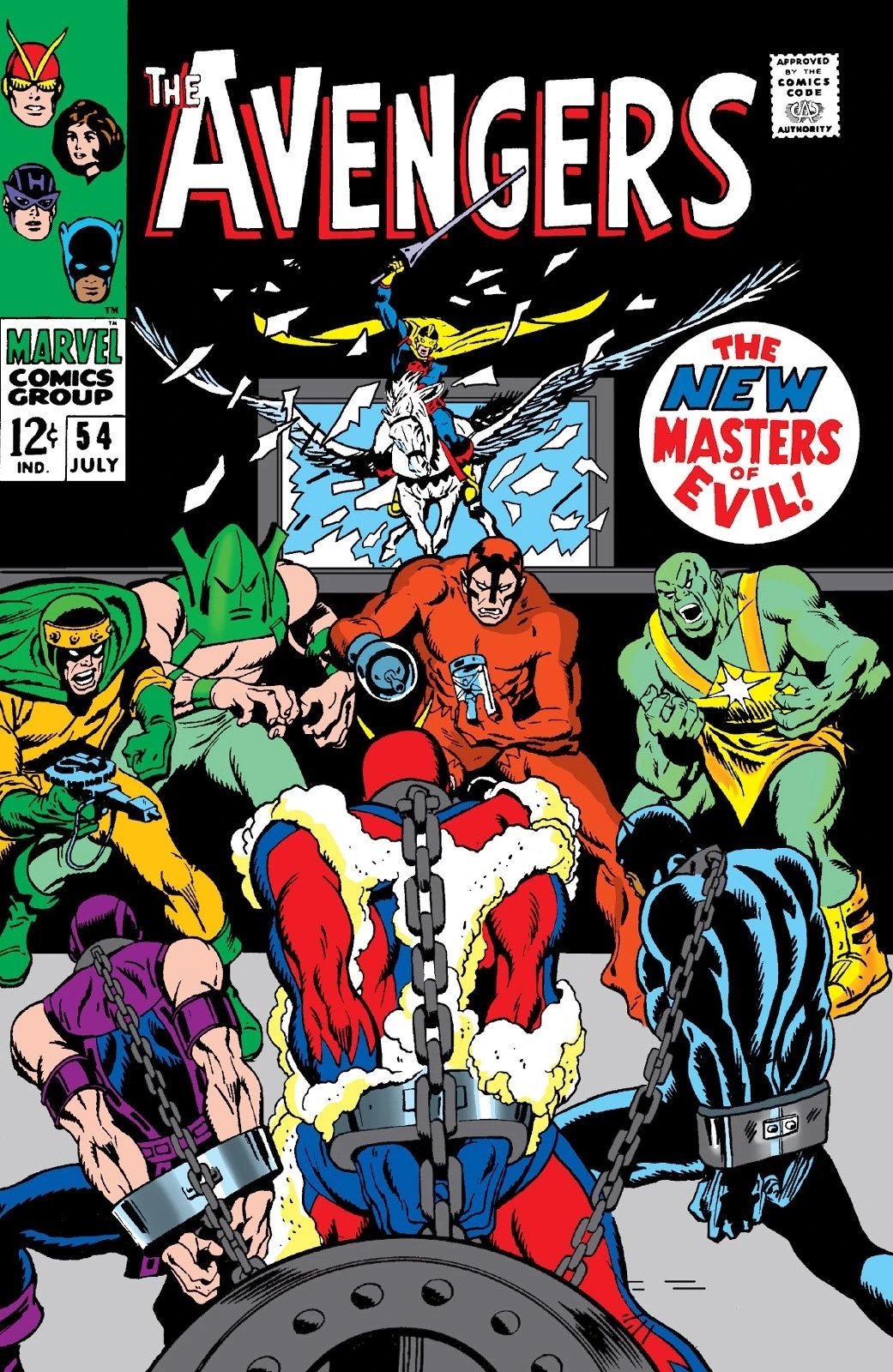
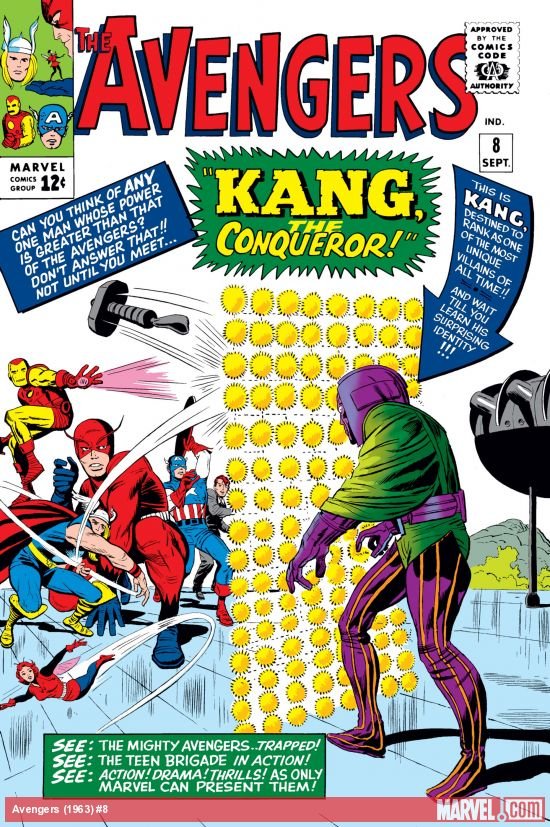 Avengers #8 is a classic example. Ultron’s famous early Avengers #54/#55 sequence is another reminder that some of the franchise’s most important keys were simply regular issues until history decided they were not so regular. That does not make the mystery debut in Avengers: Armageddon #4 the next Kang or Ultron. It demonstrates why dismissing an issue because the cover says #4 instead of #1 would be equally lazy.
Avengers: Armageddon #3 also deserves contextual attention because its material already places an unstable new power at the center of the escalating conflict. Then #4 delivers the explicitly promoted character debut, followed by fallout leading directly toward a relaunched Avengers #1. That sequence gives collectors a clear timeline instead of requiring random back-issue archaeology.
The simple strategy with Avengers: Armageddon #4 is to resist guessing. Document the new character when Marvel reveals who it is. Determine whether this is a full appearance, transformation, new identity or something more complicated. Then watch how that character moves into Avengers #1. The publisher has already done enough promotional shouting. Collectors do not need to help it yell louder.
Star Wars: The Fall of Kylo Ren #2
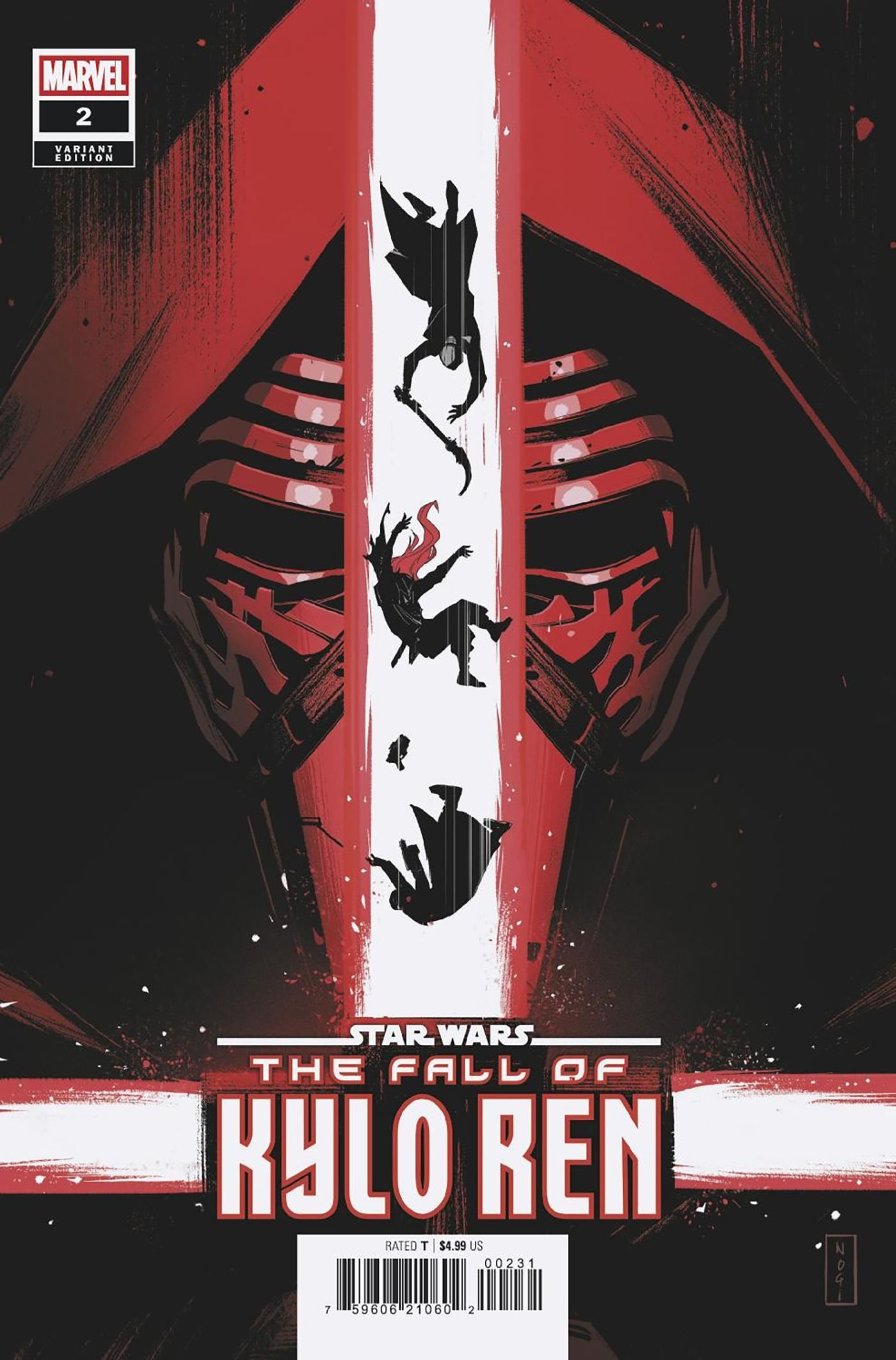
 Creators: Writer Charles Soule. Artist Will Sliney. Provided cover artist Nogi San.
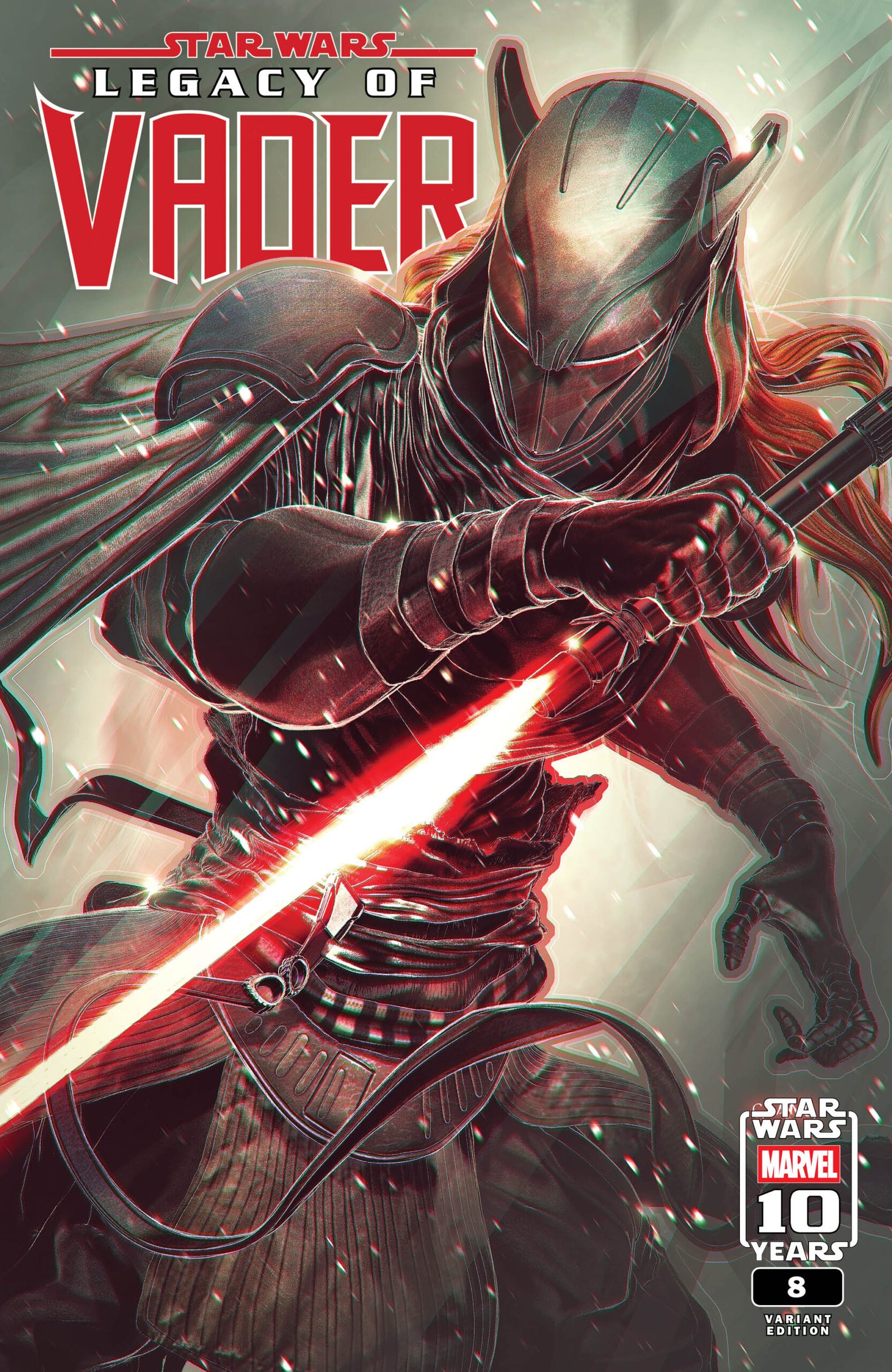
Star Wars: The Fall of Kylo Ren #2 offers two separate collector trails, and understanding which one is actually new is important. Tava Ren returns with the Knights of Ren seeking Kylo Ren and the First Order’s assistance against a terrifying new droid threat. Tava is a relatively recent Star Wars comic creation, but this is not her first appearance. That distinction belongs to Star Wars: Legacy of Vader #8, where she debuted as a new leader of the Knights of Ren.
That immediately makes Legacy of Vader #8 a logical back issue to associate with Star Wars: The Fall of Kylo Ren #2. If Tava continues expanding into a more prominent part of Kylo Ren-era continuity, her original appearance becomes the established starting point. Star Wars comic speculation has repeatedly demonstrated how quickly previously modest books can receive renewed attention when a comic-created character gains additional publishing or media relevance. Whether that happens with Tava remains speculation, but at least collectors know which book establishes the beginning.
There is another historical correlation worth making. Charles Soule and Will Sliney previously collaborated on Star Wars: The Rise of Kylo Ren, with its first issue introducing Ren, the earlier leader of the Knights of Ren, while exploring the path from Ben Solo toward Kylo Ren. Returning that creative combination to another pivotal Kylo Ren series gives The Fall of Kylo Ren a direct creative lineage rather than a superficial title resemblance.
The possible new-key material in issue #2 is the mysterious droid threat. Marvel specifically presents Tava as seeking help because of this new danger, and later information surrounding the series identifies an assassin droid that continues becoming increasingly difficult to stop. That raises a very reasonable speculation question: does Star Wars: The Fall of Kylo Ren #2 provide the actual first comic appearance or initial introduction of that droid?
The word “potential” matters until the published pages establish the character, designation and scope of the appearance. A new droid threat is not automatically a major Star Wars key simply because droids are involved. This franchise has accumulated enough mechanical characters to start its own census. What matters is whether the droid receives a defined identity, becomes recurring and continues beyond its introductory story line.
That makes Star Wars: The Fall of Kylo Ren #2 a book with both backward and forward speculation. Looking backward, Legacy of Vader #8 is the Tava Ren first appearance. The Rise of Kylo Ren #1 provides an earlier Knights of Ren milestone from the same Soule/Sliney team and introduced the original Ren. Looking forward, the unknown droid threat is the element collectors should monitor for a possible new first appearance designation.
-Jay Katz