
 Top 5 New Key Comics 10-21-26
Books from Jay Katz of InvestComics
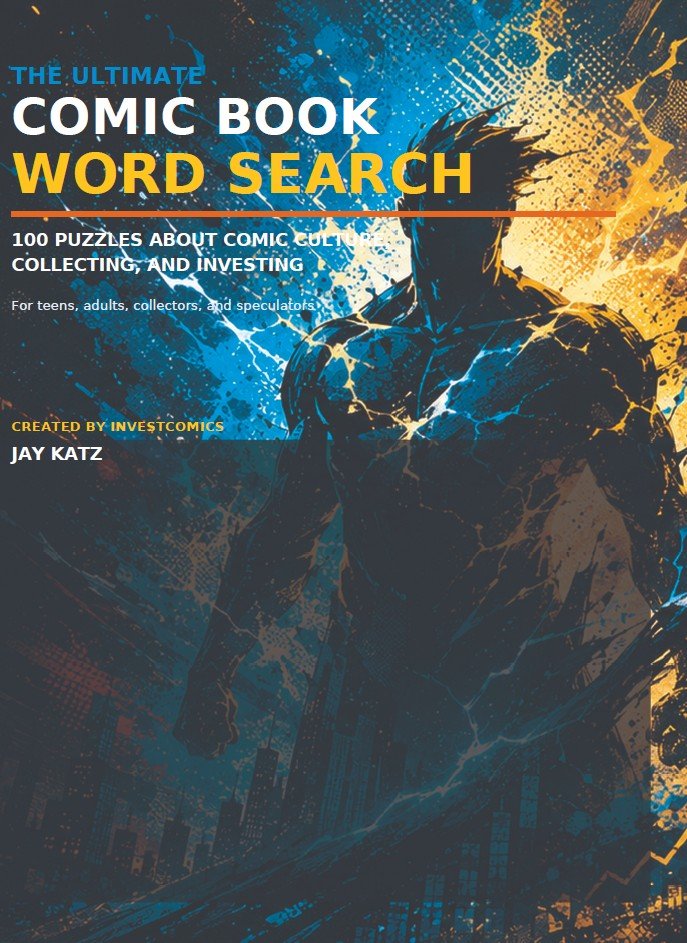
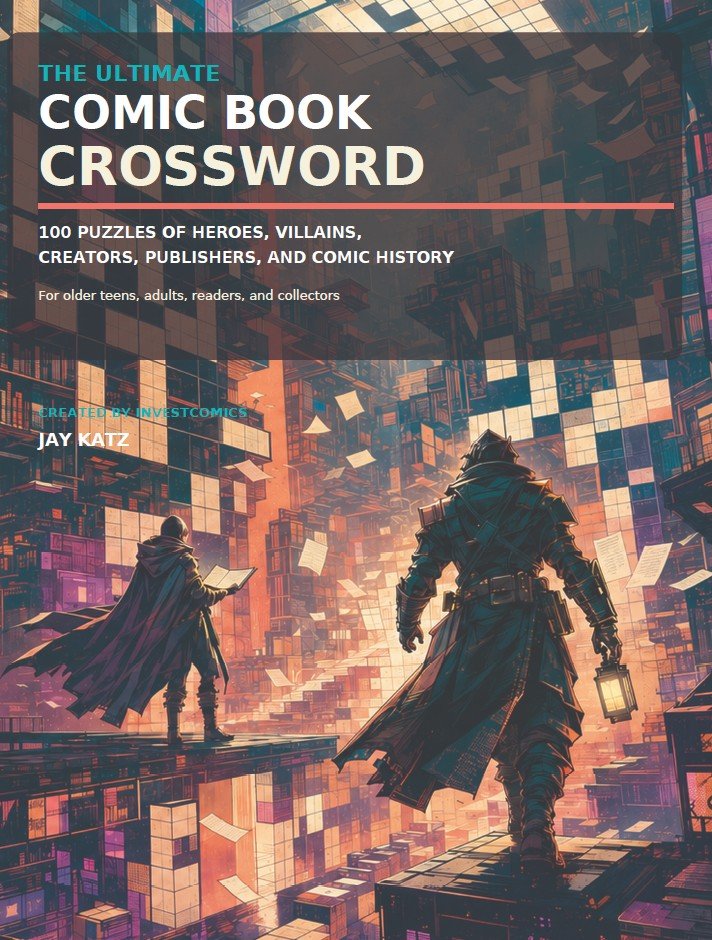
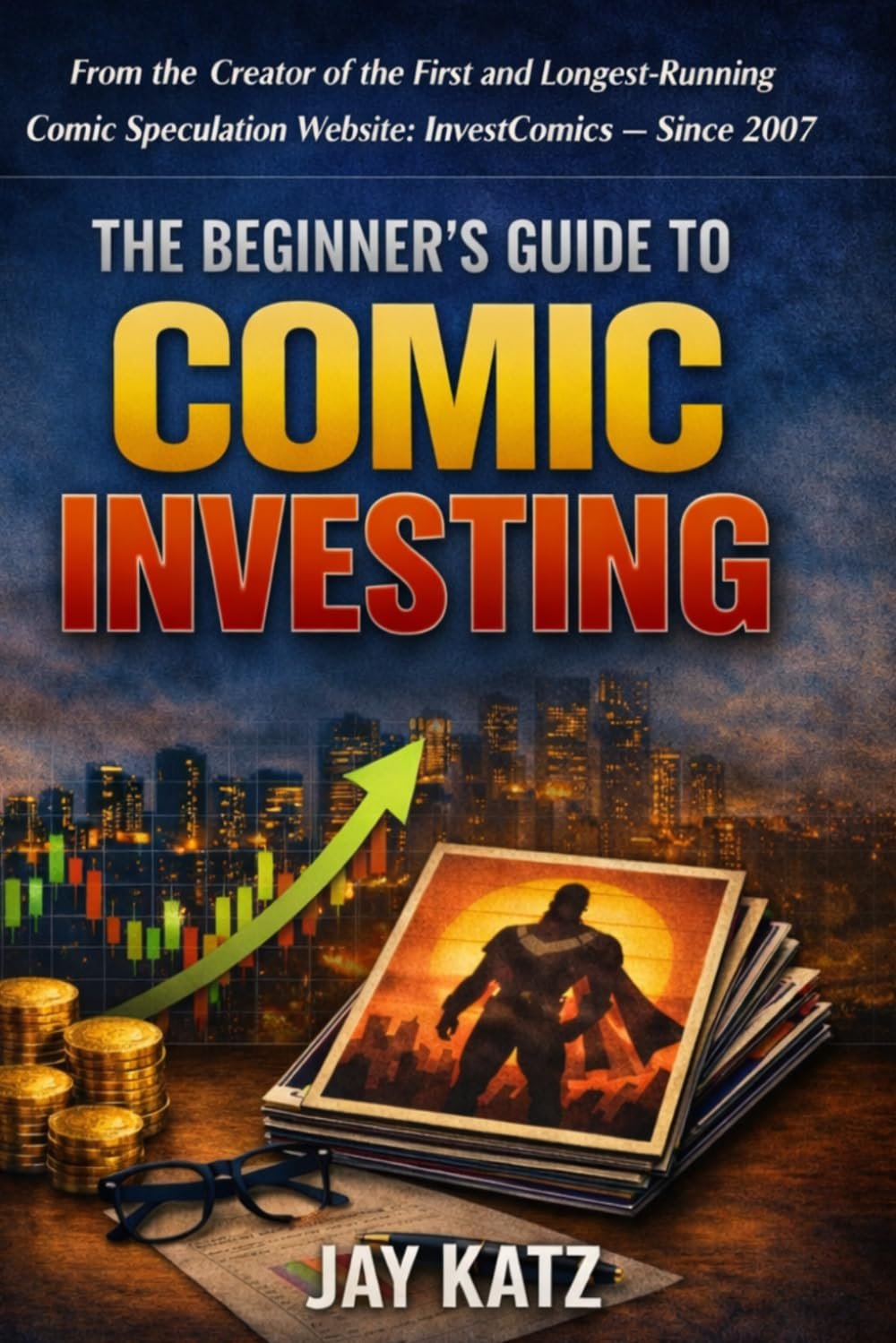
Jay Katz of InvestComics has three comic-themed books available on Amazon: The Beginner’s Guide to Comic Investing: How to Spot Trends in Comics Before Everyone Else, The Ultimate Comic Book Word Search, and The Ultimate Comic Crossword Puzzle. Whether you want to sharpen your speculation instincts or test your comic knowledge, all three books are available in one place.
 View all three books on Amazon
LAST WEEK’S Top 5 New Key Comics 10-14-26
Clicking any red-highlighted link or comic book cover may direct you to eBay or another third-party marketplace where the item may be available for purchase. Please use your own judgment before buying. Always review the seller’s rating, feedback, item description, photos, shipping terms, and return policy before completing any transaction. InvestComics does not sell these items directly, does not control third-party listings, and is not responsible for any transaction, seller, product condition, shipping issue, refund, or dispute. InvestComics does not endorse any individual seller or listing. InvestComics participates in the eBay Partner Network and may receive compensation from qualifying purchases made through affiliate links on this site.
Star Wars: The Mandalorian and Grogu – Nightmare on Nevarro #1
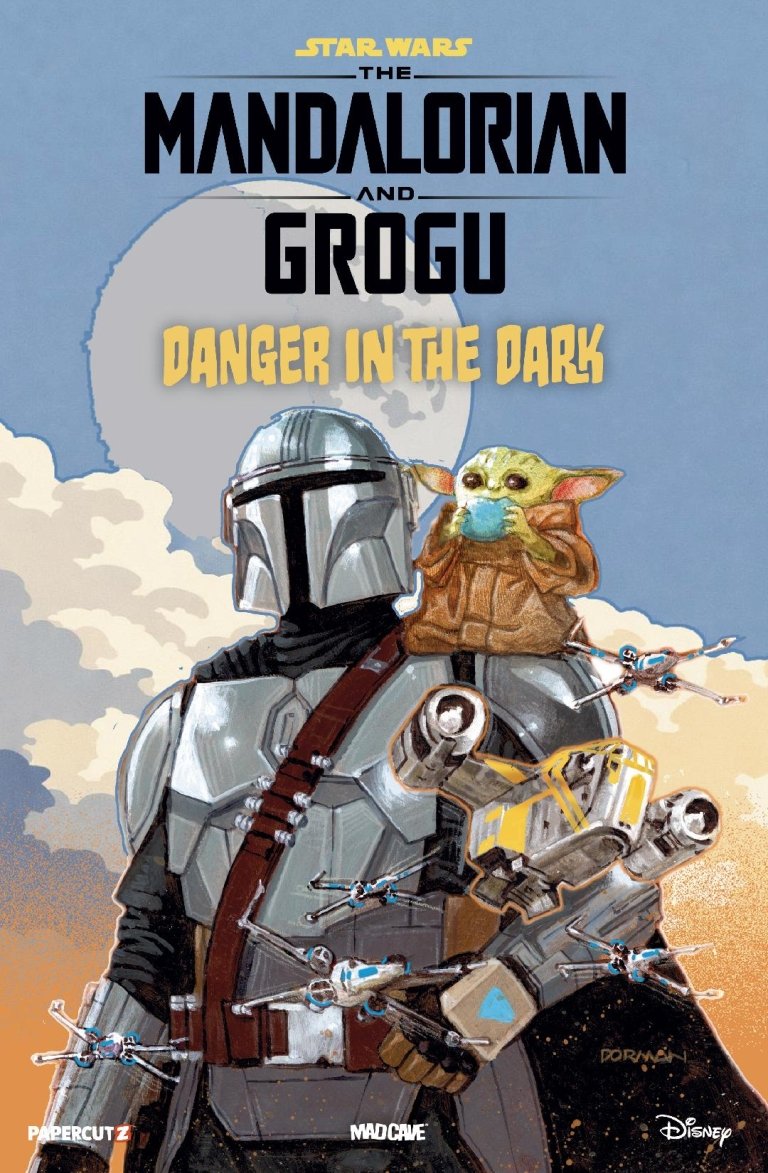
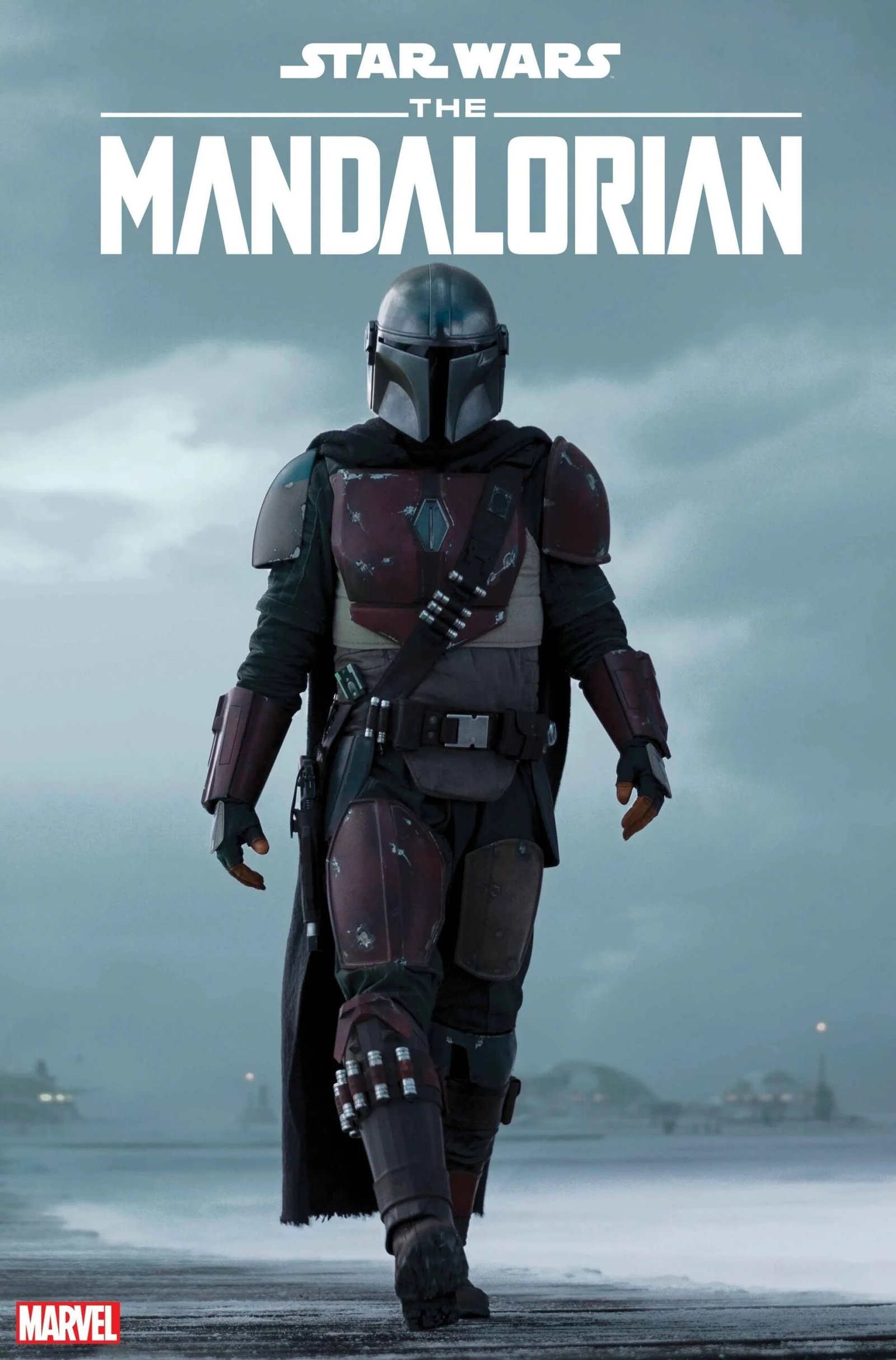
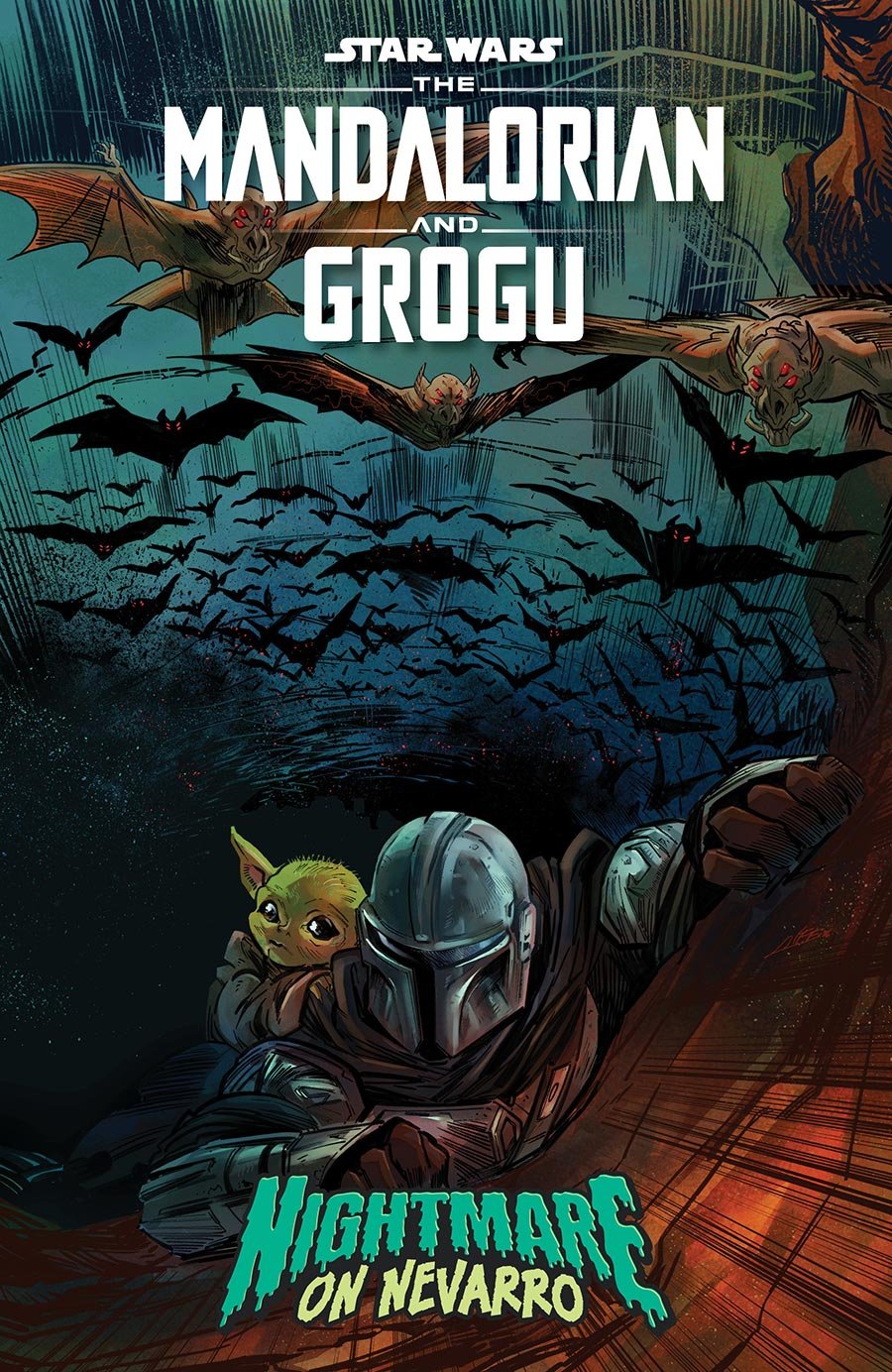 Written by Delilah S. Dawson – Art by Alessandro Ranaldi – Featured Cover Artwork: Alessandro Ranaldi – Publisher: Papercutz / Mad Cave Studios
The Mandalorian and Grogu are heading straight into another nightmare, and this time, it has nothing to do with getting chased across the galaxy by another bounty hunter. Something is lurking beneath Nevarro, and apparently, the most recognizable helmet in Star Wars isn’t enough to frighten it away. Strange creatures with glowing red eyes have begun terrorizing the planet, sending Din Djarin and Grogu into the volcanic tunnels beneath the surface. Waiting for them are dangerous cave-dwelling creatures, mysterious flying predators, and a mining droid that has apparently developed some serious behavioral problems.
For comic collectors, the interesting development involves the introduction of new creatures and a new droid into the Star Wars comic universe. These are the kinds of additions that deserve a little attention, particularly when a franchise has demonstrated how even seemingly minor background characters can develop substantial followings. Whether any of these new introductions become important remains to be seen. Still, a first appearance doesn’t necessarily require a character to become a major villain immediately. Sometimes the character who receives three panels today winds up with an entire merchandising department tomorrow. Star Wars has practically perfected that formula.
There is also some significant back-issue history worth examining. Star Wars: The Mandalorian #1 (2022), published by Marvel Comics, marked the first comic-book adaptation of the Disney+ television series, introducing Din Djarin and Grogu to the comic format. Written by Rodney Barnes with artwork by Georges Jeanty, the issue adapted the beginning of the television series, including the Mandalorian’s initial encounter with the mysterious Child. This issue established an important starting point for collectors building a collection around the two characters. Another particularly relevant comic is Star Wars: The Mandalorian and Grogu – Danger in the Dark #1 (2026). Published by Papercutz and Mad Cave Studios, this earlier one-shot is significant because it was promoted as the first original comic adventure starring Din Djarin and Grogu together, rather than adapting an existing television episode. Written by Delilah S. Dawson, the story also explores Nevarro’s underground environments, making it a particularly appropriate companion to the new Halloween adventure. Collectors interested in the characters’ original comic stories have a logical reason to examine both issues.
The distinction between an adaptation, an original adventure, and an actual first character appearance matters. Too often, every new Star Wars publication receives a first-appearance label simply because its title contains something familiar. That’s not how comic history works, regardless of how enthusiastically someone advertises it online.
This latest one-shot expands the Halloween corner of the Star Wars universe, introducing new dangers without requiring an entire new galaxy to accommodate them. From a speculation standpoint, the unfamiliar creatures and droid are the elements to identify once their names and actual appearances are established. Should any return in future comics, animation, or other Star Wars projects, their introductory issue would become the natural reference point.
For the collector, the sensible approach is straightforward: distinguish the characters’ existing key appearances from the new material, follow the creators involved, and remember that a first appearance only develops lasting collecting significance when there’s a reason for interest to continue beyond the initial announcement.
Clicking any red-highlighted link or comic book cover may direct you to eBay or another third-party marketplace where the item may be available for purchase. Please use your own judgment before buying. Always review the seller’s rating, feedback, item description, photos, shipping terms, and return policy before completing any transaction. InvestComics does not sell these items directly, does not control third-party listings, and is not responsible for any transaction, seller, product condition, shipping issue, refund, or dispute. InvestComics does not endorse any individual seller or listing. InvestComics participates in the eBay Partner Network and may receive compensation from qualifying purchases made through affiliate links on this site.
Filthy Lambs #1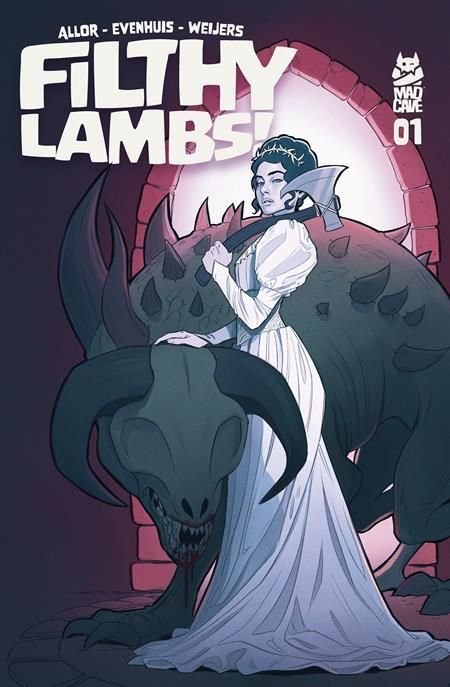
Written and lettered by Pallie Paul Allor – Art by Chris Evenhuis – Colors by Sjan Weijers – Featured Cover Artist: Caitlin Yarsky – Publisher: Mad Cave Studios
Every wealthy family has secrets. Some involve questionable business decisions, others involve relatives nobody discusses at Thanksgiving. The Grimaldi family apparently decided ordinary scandals weren’t ambitious enough and entered into an agreement with something considerably more unpleasant. Their tremendous wealth and prosperity come from a contract with Their Lord Below, a supernatural arrangement that has provided generations of financial comfort at a cost that is becoming increasingly difficult to ignore. The opening circumstances surrounding this five-issue horror series are particularly disturbing. Deep inside the basement of Grimaldi Manor, the family patriarch commits suicide while a demonic presence observes. Upstairs, three generations of the family continue enjoying the lifestyle their bargain has provided. The contract promises another ten years of wealth and privilege, although deals involving demons have a somewhat unreliable history of honoring the fine print. Pallie Paul Allor handles both the writing and lettering, with Chris Evenhuis supplying the artwork and Sjan Weijers providing the colors. These creators are establishing an entirely new supernatural world built around the Grimaldi family, its disturbing traditions, and the entity responsible for its prosperity. Caitlin Yarsky provides the featured cover artwork shown here. This is where comic book speculation becomes interesting without needing an established superhero franchise to support it. The Grimaldi family members make their debut in this series, along with the supernatural mythology surrounding their bargain. These are new characters entering an original comic property, and that gives the first issue a clear bibliographic significance. Whether those introductions attract sustained collector interest is another matter entirely. The family dynamic also creates several possibilities. Is Their Lord Below a conventional demonic force, or will the series establish something more distinctive? Will individual Grimaldi family members emerge as recurring figures? Could the creature associated with the family’s agreement become recognizable beyond this limited series? Those questions matter more than immediately declaring the issue the next great horror collectible before anyone knows where the story is going.
Independent horror comics occupy an unusual space in the collecting market. Unlike Spider-Man or Superman, an original property doesn’t arrive with decades of guaranteed public recognition. That uncertainty is part of its appeal, but it also requires considerably more patience. A small initial audience can sometimes produce genuine scarcity, although scarcity by itself does not establish demand. An obscure comic remains obscure until something changes. The strongest argument for keeping this series on a collector’s radar is that the creative team is introducing an entirely new horror property with its own family history, central conflict, and supernatural identity. There is potential for notable character introductions across the limited series, and subsequent issues may help determine which characters and events become genuinely significant. As for the Grimaldi family’s financial success, at least their arrangement comes with another ten years of promised prosperity. Most comic speculators would settle for knowing whether the book they purchased last Wednesday will still be worth the cover price next month.
Clicking any red-highlighted link or comic book cover may direct you to eBay or another third-party marketplace where the item may be available for purchase. Please use your own judgment before buying. Always review the seller’s rating, feedback, item description, photos, shipping terms, and return policy before completing any transaction. InvestComics does not sell these items directly, does not control third-party listings, and is not responsible for any transaction, seller, product condition, shipping issue, refund, or dispute. InvestComics does not endorse any individual seller or listing. InvestComics participates in the eBay Partner Network and may receive compensation from qualifying purchases made through affiliate links on this site.
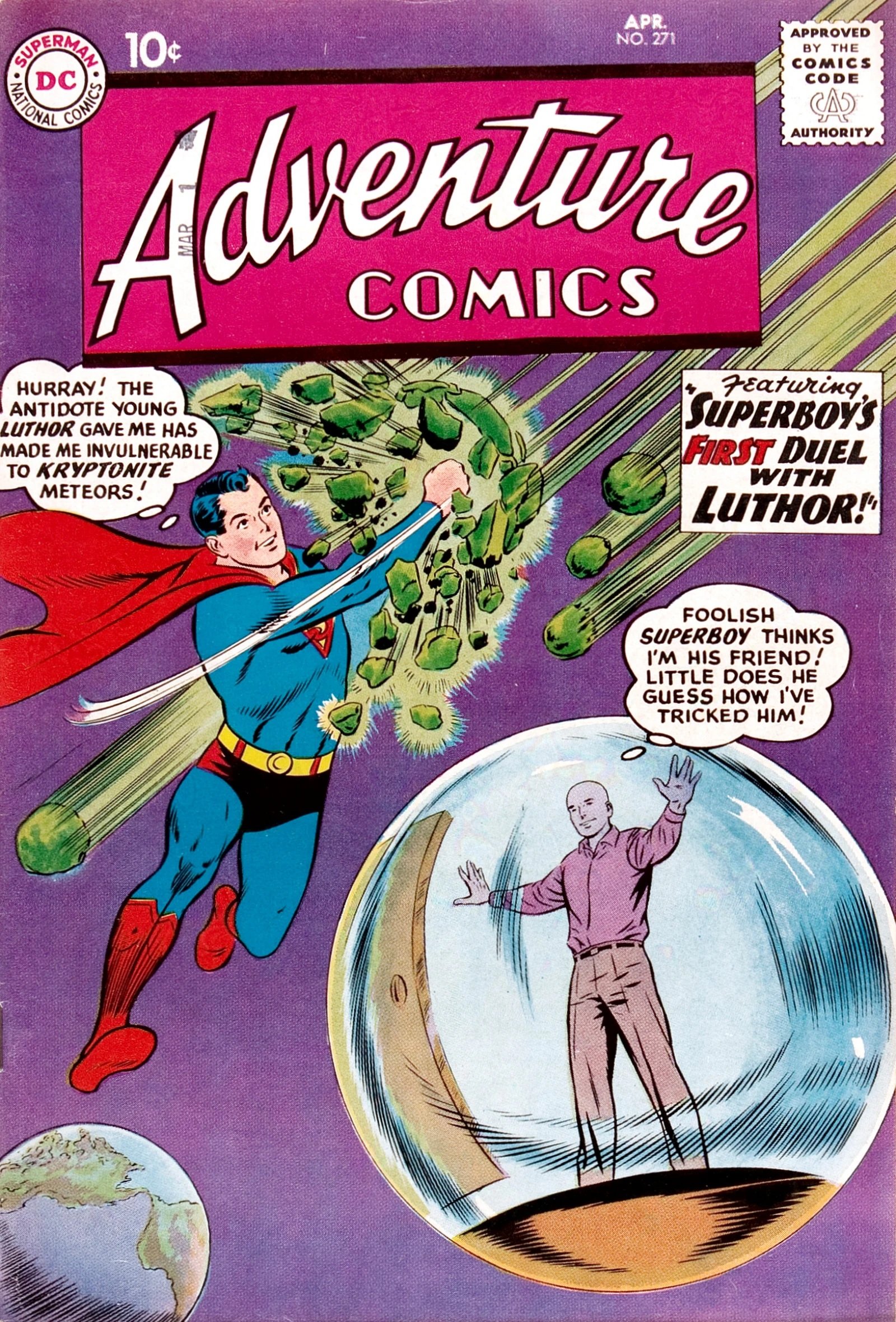
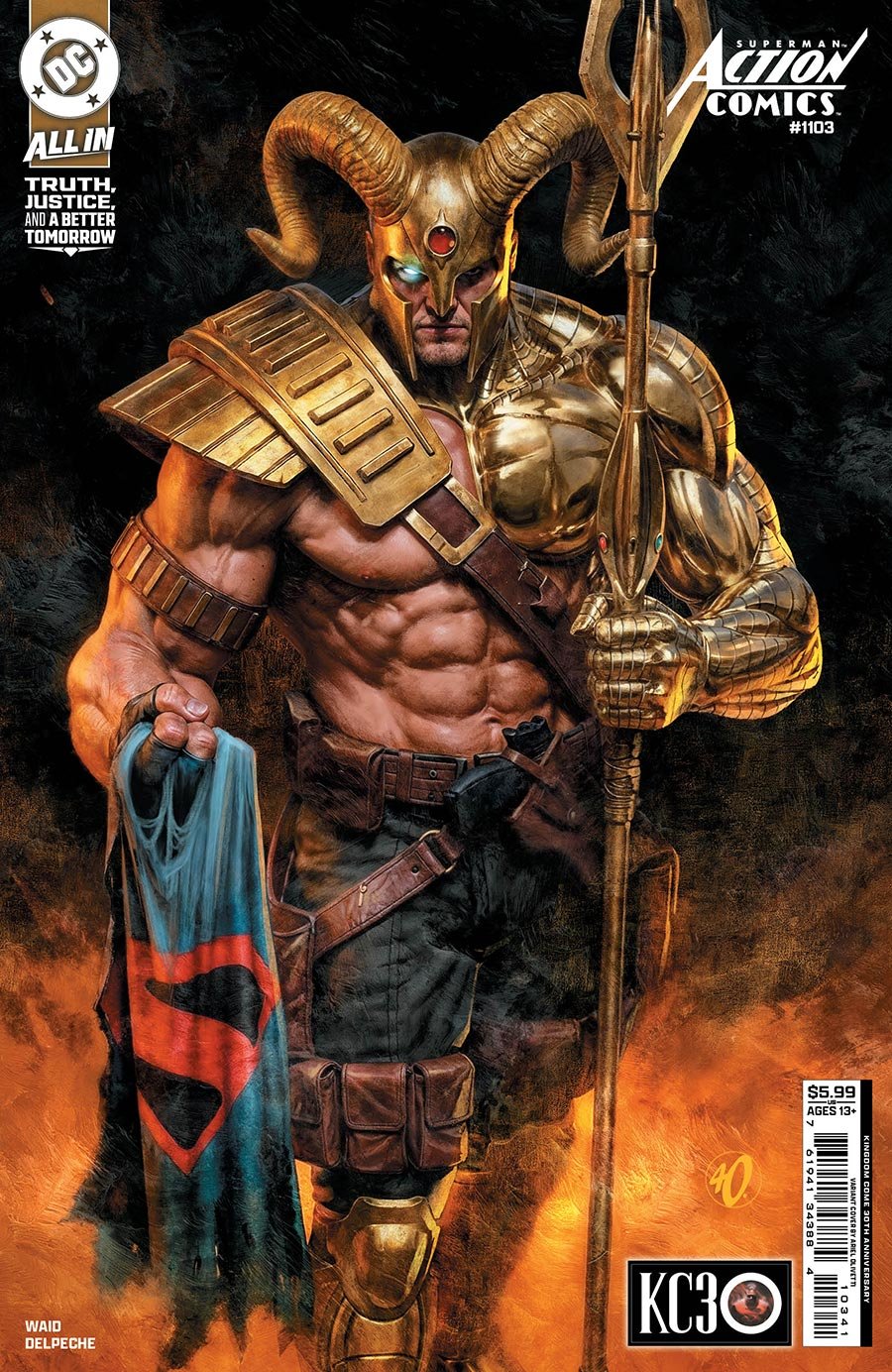 Action Comics #1103
Written by Mark Waid – Art by Patricio Delpeche (Patricio Angel) – Colors by Patricio Angel and Ivan Plascencia – Lettering by Steve Wands – Featured Cover Artist: Ariel Olivetti – Publisher: DC Comics
Lex Luthor has worn many labels throughout his existence: businessman, criminal mastermind, president, scientific genius, and Superman’s greatest enemy. Apparently, being one of the most dangerous people in the DC Universe still leaves room for an examination of the formative years that turned an intelligent young man into a lifelong problem for practically everyone around him. Mark Waid and Patricio Delpeche begin a new storyline, Lex Luthor: Year One, exploring the background of a villain whose personal history has undergone numerous revisions. The emphasis on Lex’s youth and his relationship to Clark Kent opens the door to one of the more interesting developments in Superman continuity: the friendship, resentment, and personal experiences that helped establish their rivalry. For collectors, Lex Luthor’s origins offer a fascinating example of how comic-book history develops over generations. A major character’s first appearance is not always the same issue that establishes the origin readers recognize today. Characters evolve, circumstances change, and publishers revisit earlier events to create new interpretations. Those reinterpretations can produce historically important comics in their own right. Lex Luthor first appeared in Action Comics #23 (1940), created by Jerry Siegel and Joe Shuster. The original depiction was substantially different from the sophisticated corporate criminal who later became one of DC’s defining villains. Early Lex was primarily a scientific menace, and the characteristics associated with his modern identity developed over many subsequent appearances. One particularly important chapter of that development occurred in Adventure Comics #271 (1960). This issue established the Silver Age account of young Lex Luthor’s friendship with Superboy and the laboratory accident that contributed to their bitter rivalry. Lex initially admired Superboy, and the circumstances surrounding the loss of his hair helped transform that relationship into a lasting obsession. It might sound ridiculous when summarized as a lifelong feud fueled partly by a laboratory accident and a ruined hairstyle, but comic-book history is filled with stranger foundations. The important point is that Adventure Comics #271 helped define a relationship that remained central to numerous Superman interpretations. Another relevant historical issue is Superman #61 (1949), which introduced kryptonite into published Superman comic books 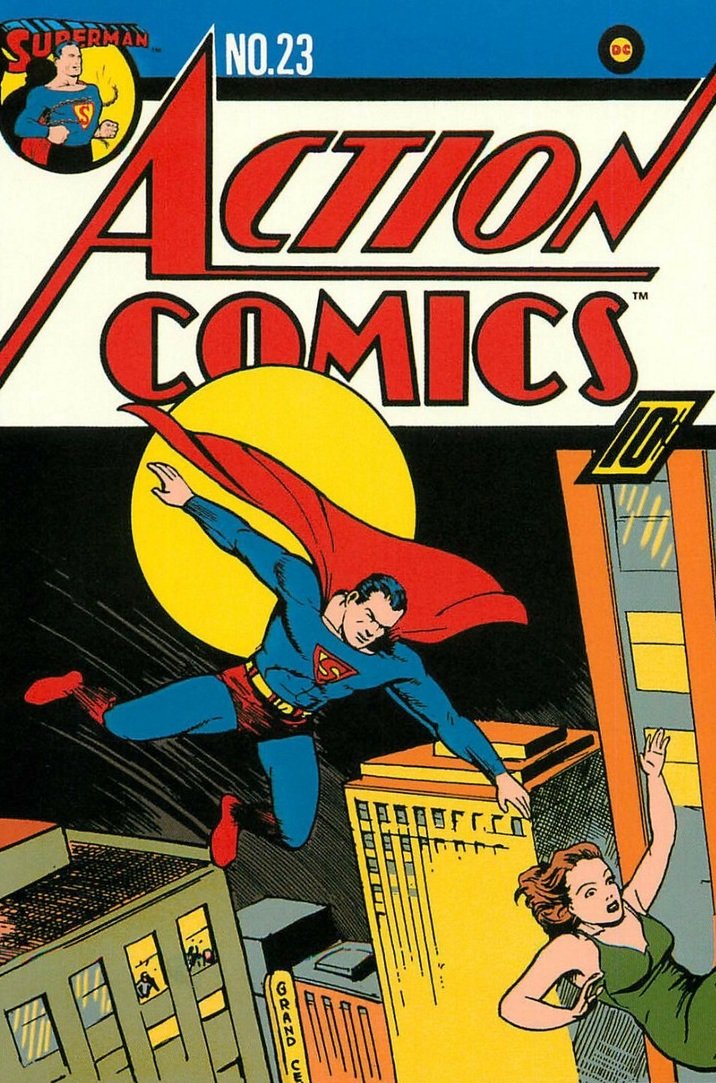
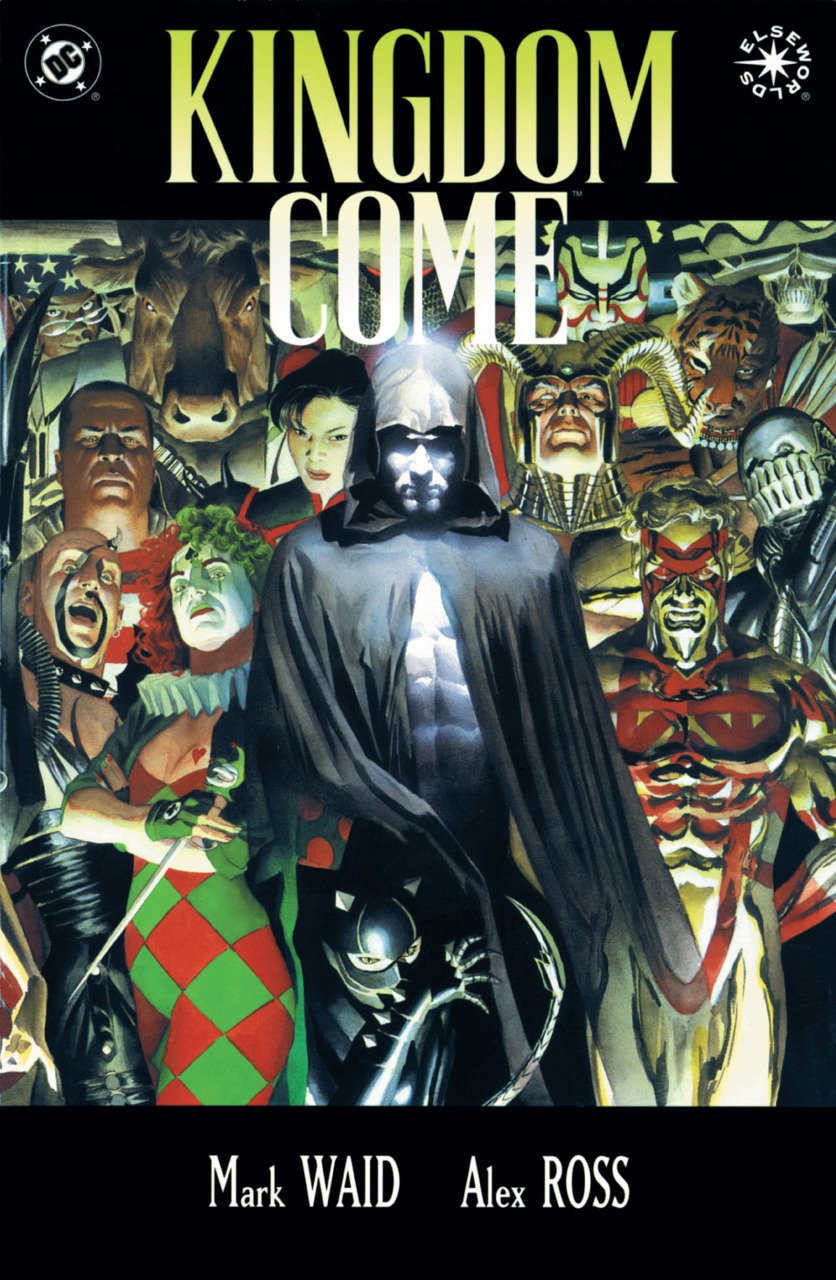
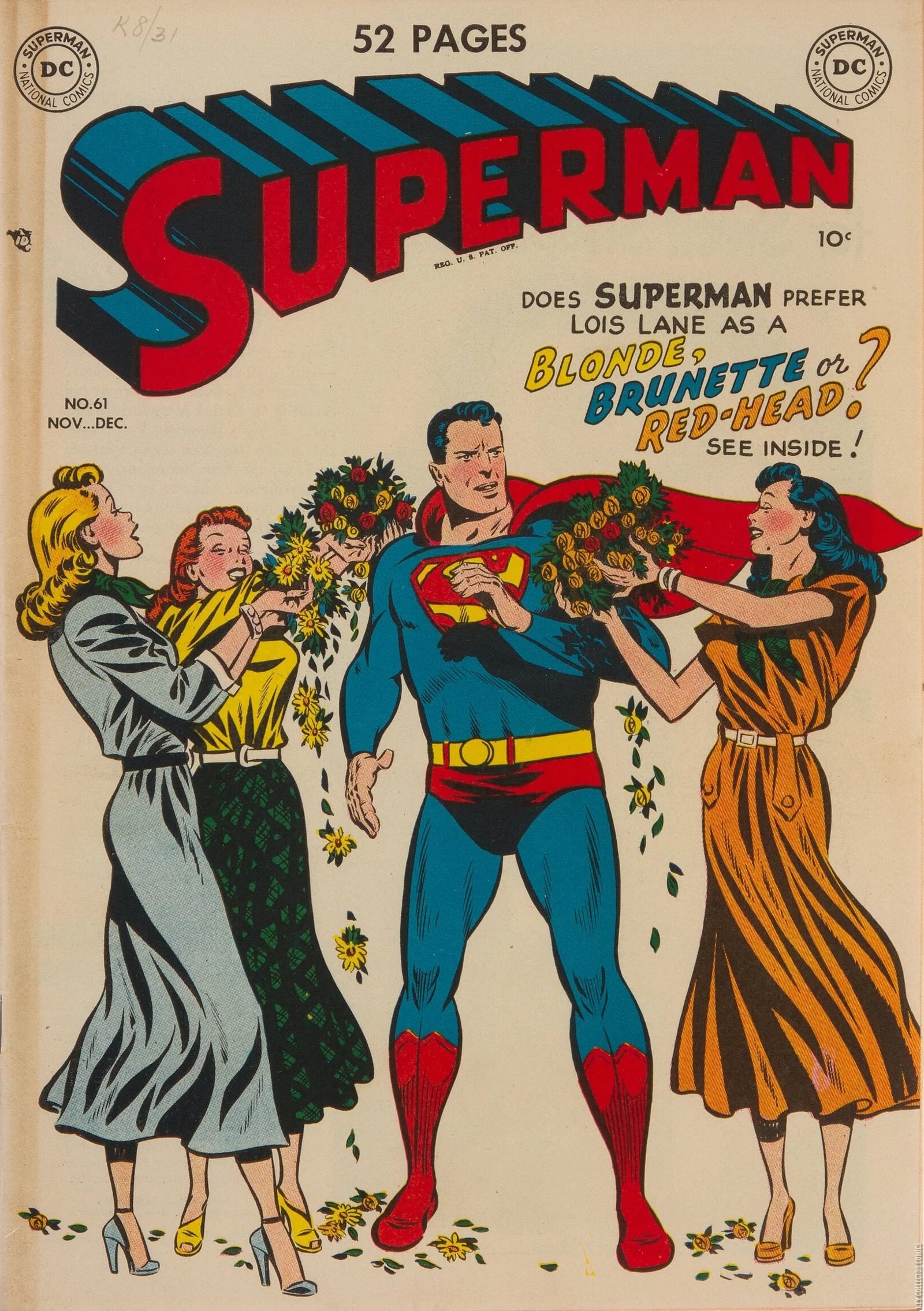 after the substance had already become part of the character’s radio adventures. The radioactive mineral eventually became inseparable from Lex Luthor’s attempts to defeat Superman, particularly once his scientific expertise and obsession with exploiting Clark’s vulnerabilities became defining traits. That distinction deserves attention. Superman #61 is an important kryptonite milestone, but it should not be mislabeled as the first time Lex Luthor personally used kryptonite against Superman. The histories of the material and the villain intersect, but their first appearances are separate events. The featured Ariel Olivetti cover also connects the issue to another major Superman collecting milestone, Kingdom Come #1 (1996). Written by Mark Waid with artwork by Alex Ross, Kingdom Come remains one of the most influential alternative-future Superman stories ever published by DC. The Kingdom Come 30th-anniversary branding on the featured edition creates a direct creative connection through Waid, whose work helped establish that landmark story. This is a different sort of collecting consideration. The significance isn’t limited to what happens inside the new issue. Collectors who follow Mark Waid’s Superman-related work, distinctive interpretations of Lex Luthor, or anniversary editions may find several overlapping reasons to pay attention. Of course, an anniversary emblem does not magically transform every copy into a major collectible. If it did, publishers would have discovered the easiest business model in history. What makes Action Comics #1103 worth following from a comic book speculation perspective is the opportunity for a new origin interpretation to establish details that later stories may adopt. A new supporting character, previously unexplored relationship, formative incident, or continuity revision could ultimately become a point of reference for future DC stories. None should be treated as an established first appearance until the actual issue confirms it. Lex Luthor has survived decades of changing continuity, multiple publishing eras, countless Superman confrontations, and more than a few attempts at reinvention. Revisiting his earliest years gives collectors an opportunity to compare the original Golden Age appearance, his defining Silver Age history, and the contemporary interpretation being developed by Waid and Delpeche. There is considerable difference between collecting a villain’s first appearance and collecting an important chapter in that villain’s evolving history. Lex Luthor happens to provide excellent examples of both.
Clicking any red-highlighted link or comic book cover may direct you to eBay or another third-party marketplace where the item may be available for purchase. Please use your own judgment before buying. Always review the seller’s rating, feedback, item description, photos, shipping terms, and return policy before completing any transaction. InvestComics does not sell these items directly, does not control third-party listings, and is not responsible for any transaction, seller, product condition, shipping issue, refund, or dispute. InvestComics does not endorse any individual seller or listing. InvestComics participates in the eBay Partner Network and may receive compensation from qualifying purchases made through affiliate links on this site.
 Amazing Spider-Man: Halloween Special #1
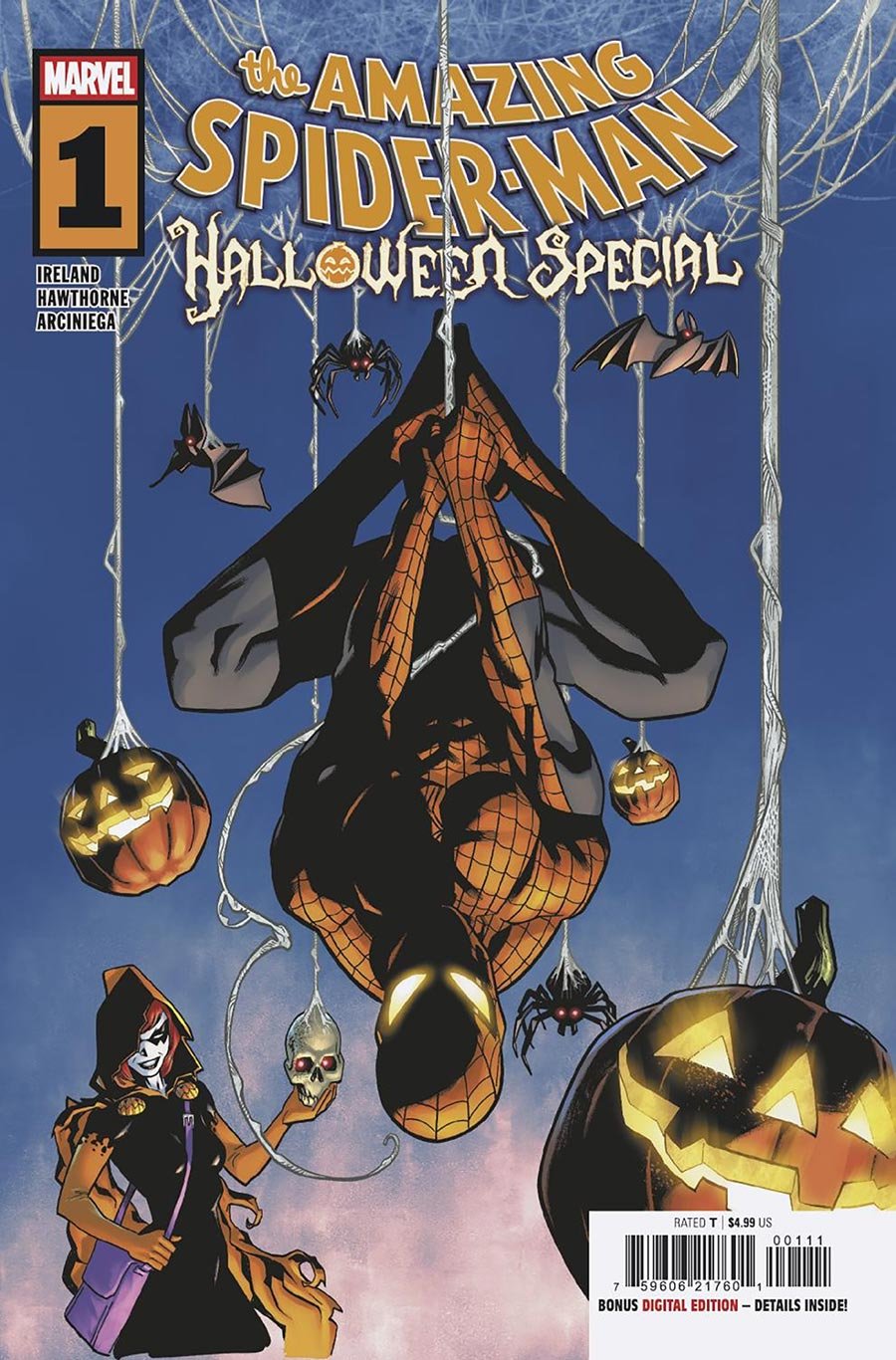
Written by Justina Ireland – Art and Featured Cover by Mike Hawthorne – Colors by Erick Arciniega – Additional Story Art by Lee Gatlin – Publisher: Marvel Comics
Peter Parker has faced alien symbiotes, interdimensional threats, criminal masterminds, and more personal disasters than any reasonably employed adult should have to endure. Now he gets to add a Halloween heist involving Hallows’ Eve to that impressive collection of problems. Considering the identity of his opponent, this is at least a holiday confrontation that makes thematic sense. Hallows’ Eve, the masked alter ego of Janine Godbe, is attempting her most ambitious heist yet. The situation apparently carries consequences extending beyond an ordinary robbery, threatening the wider Marvel Universe and forcing Spider-Man into another dangerous confrontation. There is also the possibility of a new Spider-Man costume, along with secrets that Marvel has deliberately kept under wraps. A new Spider-Man costume immediately raises the usual collector questions. Is it a temporary appearance, a meaningful new design, or something that will be forgotten almost as quickly as it appears? Historically, Spider-Man’s wardrobe changes have produced everything from legitimately important collecting milestones to outfits that lasted about as long as the excitement surrounding their announcements. The more substantial collecting angle begins with Hallows’ Eve herself. Janine Godbe, originally Elizabeth Tyne, made her debut in Spider-Man: The Lost Years #1 (1995). Written by J. M. DeMatteis with artwork by John Romita Jr., the miniseries explored the period when Ben Reilly lived away from New York during the Clone Saga era. Janine became an important part of Ben’s personal history, giving the character a connection to Spider-Man continuity long before her supernatural transformation. That background matters because her identity as Hallows’ Eve is a later development, not a brand-new character introduction. The Hallows’ Eve persona debuted in The Amazing Spider-Man #14 (2022), during the Dark Web storyline. The issue marked Janine’s transformation into a Halloween-themed character who could use enchanted masks to assume different appearances and 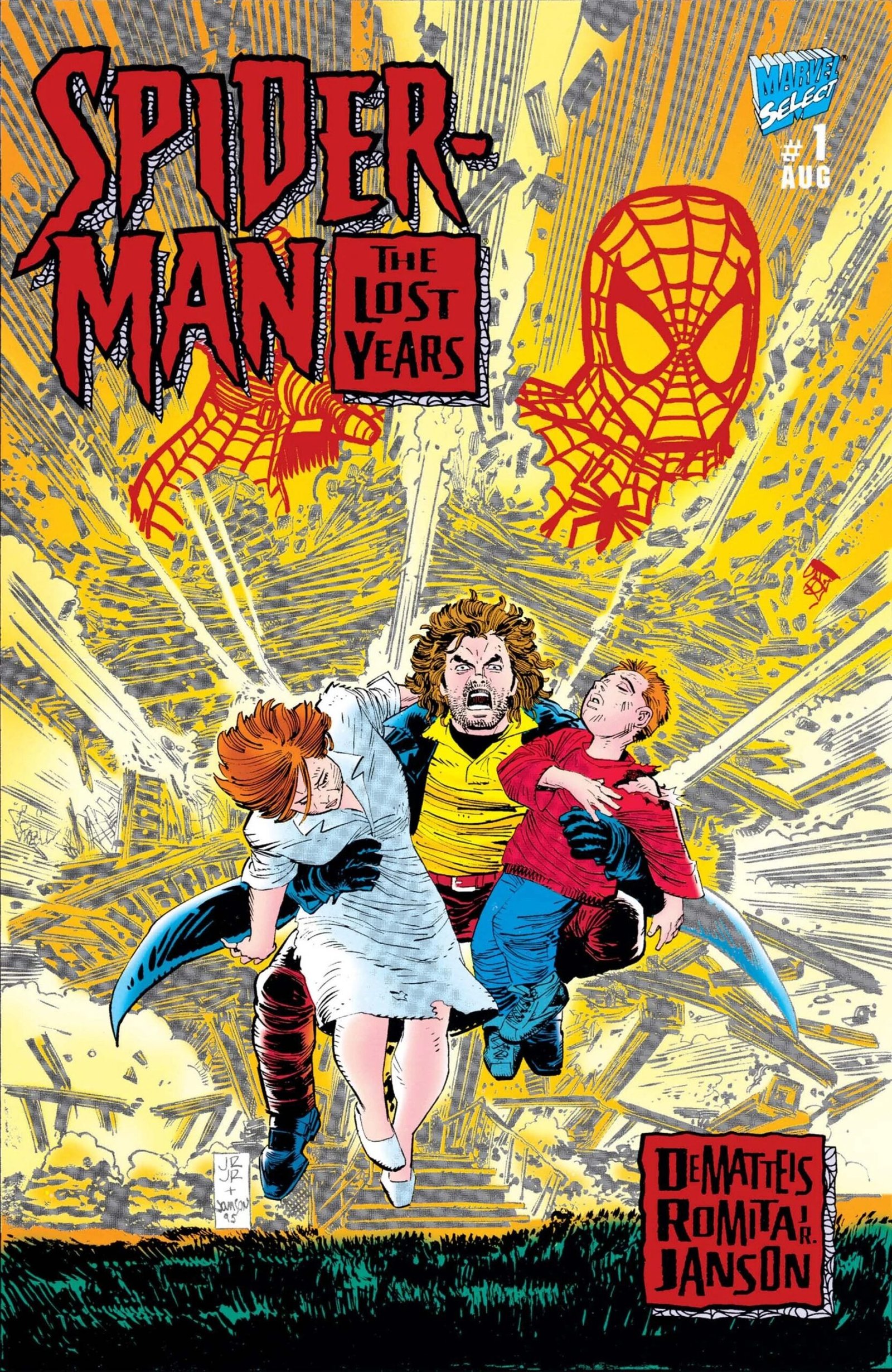
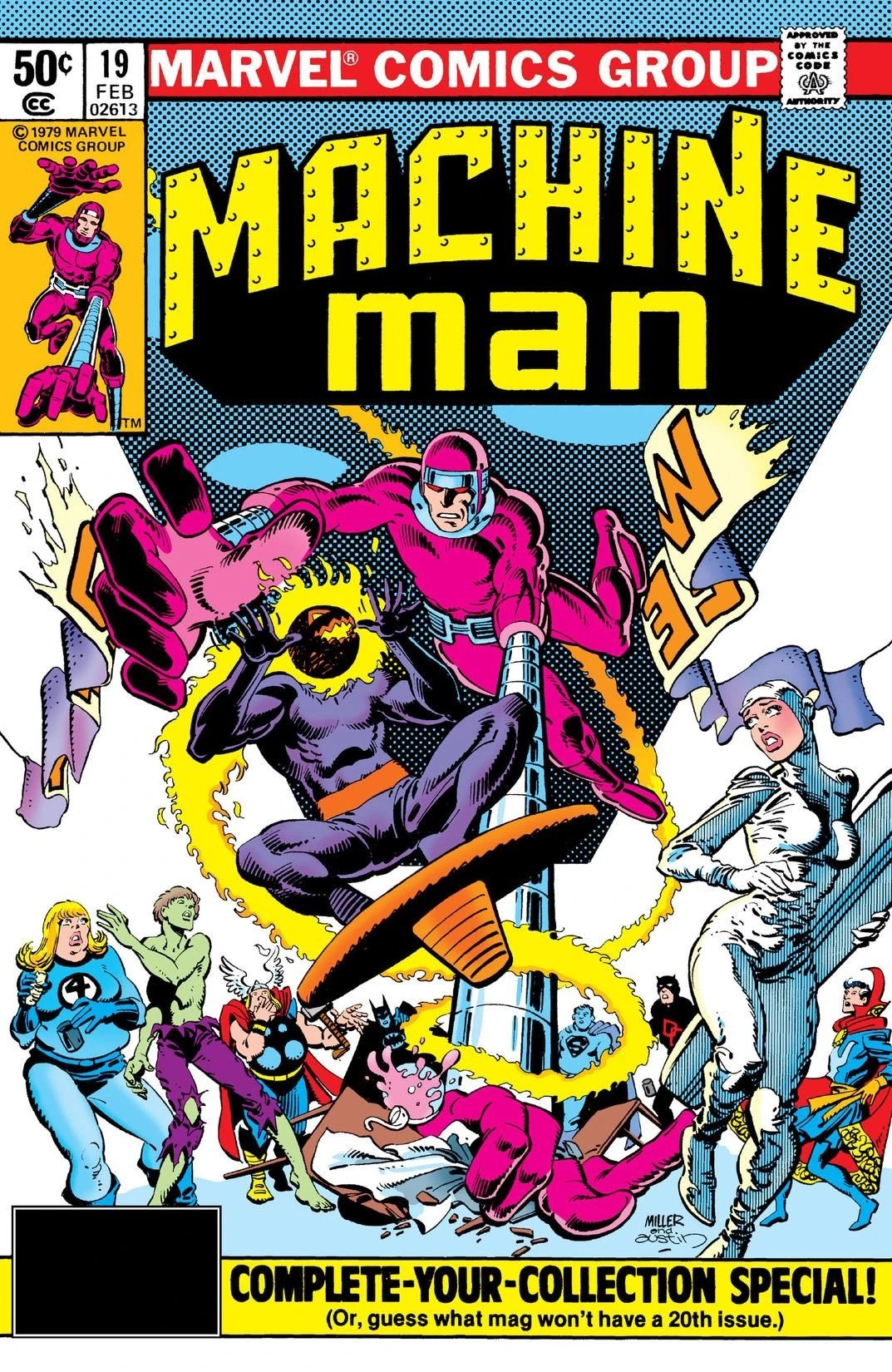
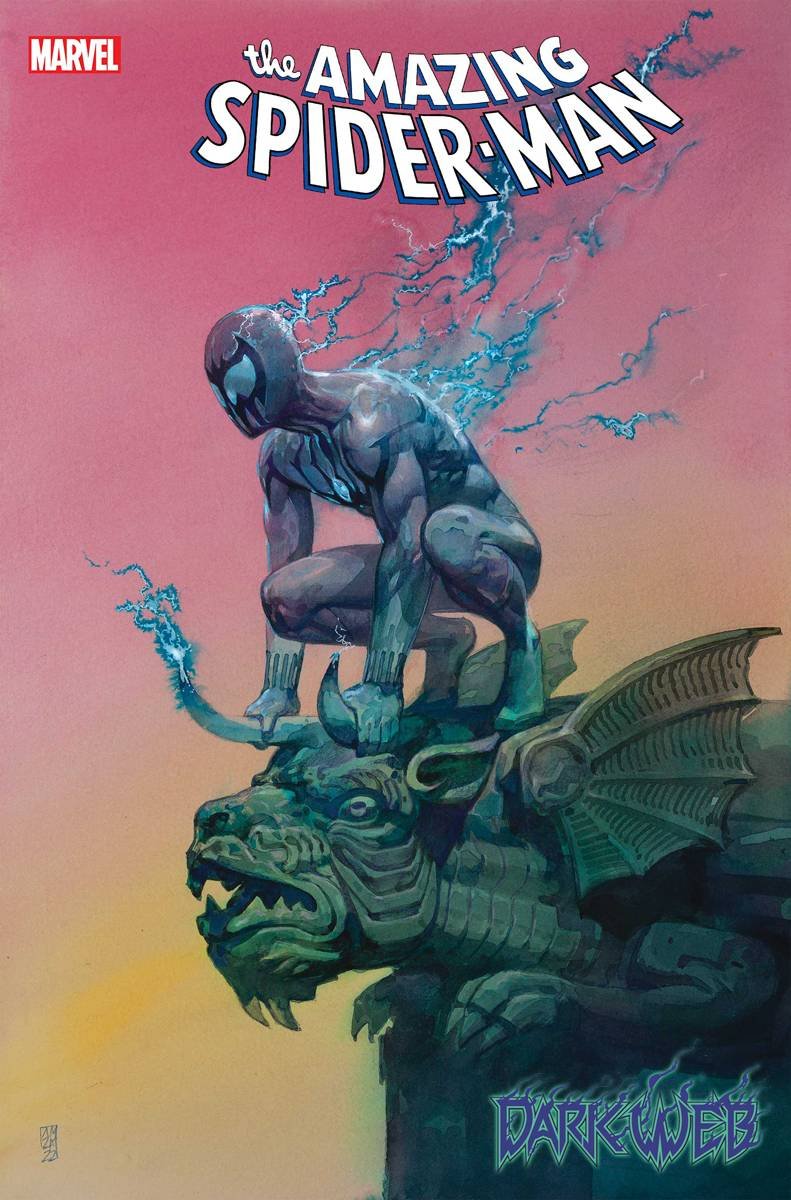 abilities. That change substantially expanded her place within the Marvel Universe and gave her a distinct identity beyond her association with Ben Reilly. For collectors examining her character history, those two issues represent separate milestones: the first appearance of Janine and the introduction of the Hallows’ Eve identity. Confusing the two would be an easy mistake, especially when a newer character name receives significantly more publicity than the person behind the mask. The Halloween angle also provides an opportunity to look back at another memorable Marvel villain, Jack O’Lantern. One of InvestComics’ favorite underrated C level villains. We’ve always said, as far back as 15 plus years ago, that if Marvel was to ever do “holiday” one shot live films, starting with Halloween, Jack O’ Lantern for the Halloween season would be an amazing start. The original Jason Macendale version made his debut in Machine Man #19 (1981). The pumpkin-headed villain would go on to develop a much larger profile through later Spider-Man appearances and eventually assume the Hobgoblin identity. Jack O’Lantern is not being presented here as a confirmed participant in this special. The historical comparison is between established Halloween-themed Marvel villains and the potential collecting longevity of Hallows’ Eve. Both illustrate the advantage of a recognizable visual identity, particularly when the character’s abilities and background offer opportunities for later stories. Hallows’ Eve has already moved beyond being simply another supporting character from the Clone Saga. Her supernatural abilities, distinctive masks, and increasingly independent role make her an interesting subject for collectors who follow the development of Spider-Man’s extended cast. The new special also features artwork associated with Lee Gatlin’s additional story, involving Doctor Octopus and other familiar members of Spider-Man’s rogues gallery. While those appearances are not new character debuts, their inclusion reinforces the title’s connection to the broader Spider-Man universe. For comic book speculation, the important question is whether this special introduces a meaningful new status quo. A costume’s first appearance can matter when the design becomes established or receives attention later. A previously unknown character or major transformation can matter when subsequent appearances give it lasting significance. The mere existence of a holiday special, however, does not automatically establish either outcome. Justina Ireland and Mike Hawthorne are working with an antagonist whose modern identity remains comparatively recent. That provides opportunities for further development, and a prominent Spider-Man confrontation could raise the character’s visibility among collectors who primarily associate her with the Dark Web storyline. There is also something appropriately ironic about a villain whose powers are tied to changing identities becoming the subject of speculation over which appearance actually counts. Comic collectors love a good first appearance, preferably one that doesn’t require a lengthy explanation involving three names, two decades, and a pile of continuity notes. Hallows’ Eve doesn’t make it quite that simple. The sensible approach is to keep Janine Godbe’s original debut, her Hallows’ Eve transformation, and any genuine new developments from this special clearly distinguished. Each represents a different piece of the character’s history, and those distinctions are precisely what serious Spider-Man collectors should understand.
Clicking any red-highlighted link or comic book cover may direct you to eBay or another third-party marketplace where the item may be available for purchase. Please use your own judgment before buying. Always review the seller’s rating, feedback, item description, photos, shipping terms, and return policy before completing any transaction. InvestComics does not sell these items directly, does not control third-party listings, and is not responsible for any transaction, seller, product condition, shipping issue, refund, or dispute. InvestComics does not endorse any individual seller or listing. InvestComics participates in the eBay Partner Network and may receive compensation from qualifying purchases made through affiliate links on this site.
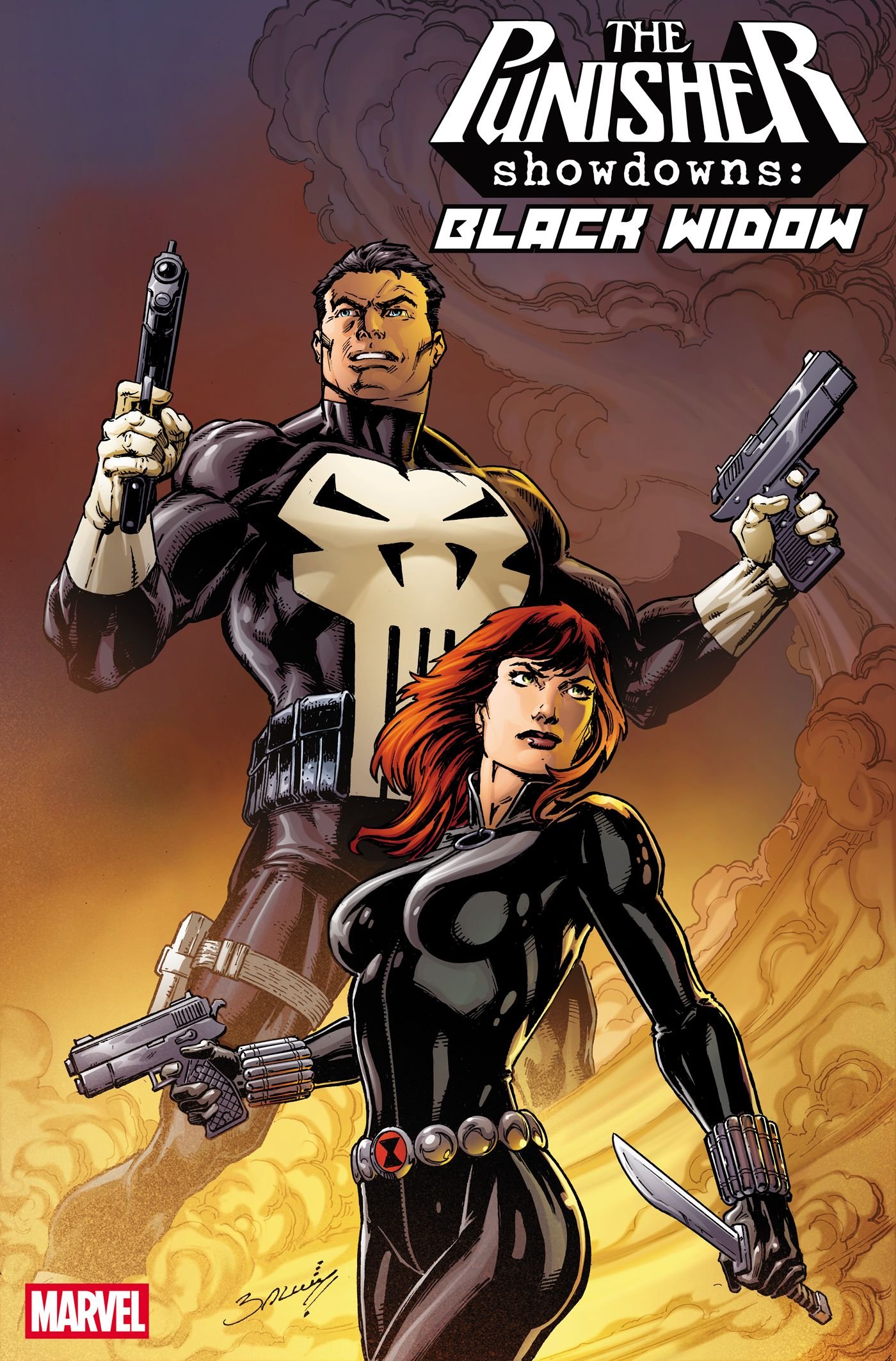 Punisher Showdowns: Black Widow #1
Written by Tom Waltz – Art by Greg Land – Inks by Jay Leisten – Colors by Rachelle Rosenberg – Featured Cover Art by Greg Land and Rachelle Rosenberg – Publisher: Marvel Comics
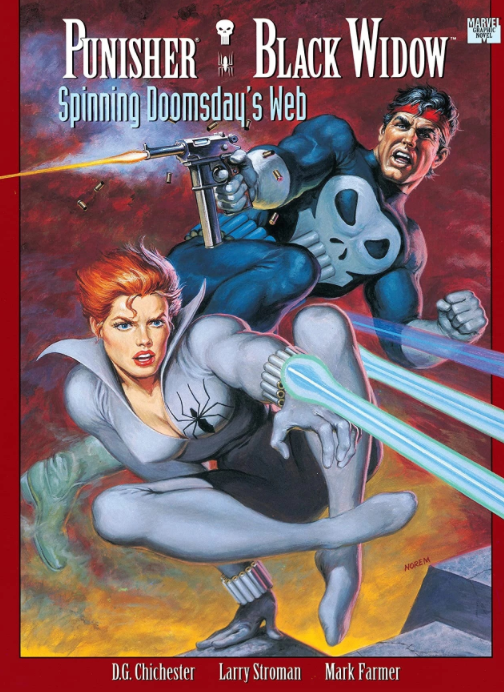
Frank Castle and Natasha Romanoff have remarkably similar approaches to resolving certain problems. Both are highly trained, exceptionally dangerous, and unlikely to waste much time on extended philosophical debates when someone starts shooting. The primary disagreement usually involves how many bodies should remain when the operation is finished. This new Punisher Showdowns one-shot sends Frank Castle to Las Vegas, where a terrorist cell has drawn his attention. Black Widow possesses intelligence involving a Wolf Spider operative, bringing the two characters into the same dangerous situation. Whether they cooperate or find themselves pursuing conflicting objectives is part of the central tension. Marvel is also using this issue to establish a new Punisher Showdowns format, built around confrontations and collaborations between Castle and other recognizable characters from across the Marvel Universe. The Black Widow installment is the starting point for that publishing approach, giving the issue a first-in-series distinction without requiring anyone to pretend that these two established characters have never occupied the same comic before. The Punisher made his first appearance in The Amazing Spider-Man #129 (1974), created by Gerry Conway, Ross Andru, and John Romita Sr. Initially introduced as an antagonist operating under the belief that Spider-Man was a criminal, Frank Castle quickly became one of Marvel’s most recognizable antiheroes. His willingness to use lethal force separated him from conventional superheroes and established the moral conflict that continues to define his appearances. Natasha Romanoff’s history stretches back even further. Tales of Suspense #52 (1964) introduced the Black Widow in an Iron Man story written by Stan Lee and Don Rico, with artwork by Don Heck. Her original portrayal as a Soviet spy would eventually develop into the familiar former assassin, espionage specialist, and Avengers member. That transformation remains one of Marvel’s more substantial examples of a character evolving beyond the circumstances of a first appearance. The most directly relevant historical issue is Marvel Graphic Novel #74: Punisher/Black Widow – Spinning Doomsday’s Web (1992). This earlier publication brought Frank Castle and Natasha Romanoff together in a full-length adventure, establishing an important previous connection between the two characters. That makes the collecting distinction especially important. Punisher Showdowns: Black Widow #1 is not their first comic-book team-up. Collectors looking for an earlier shared appearance have a legitimate back-issue reference in the 1992 graphic novel. Calling the new one-shot their first meeting 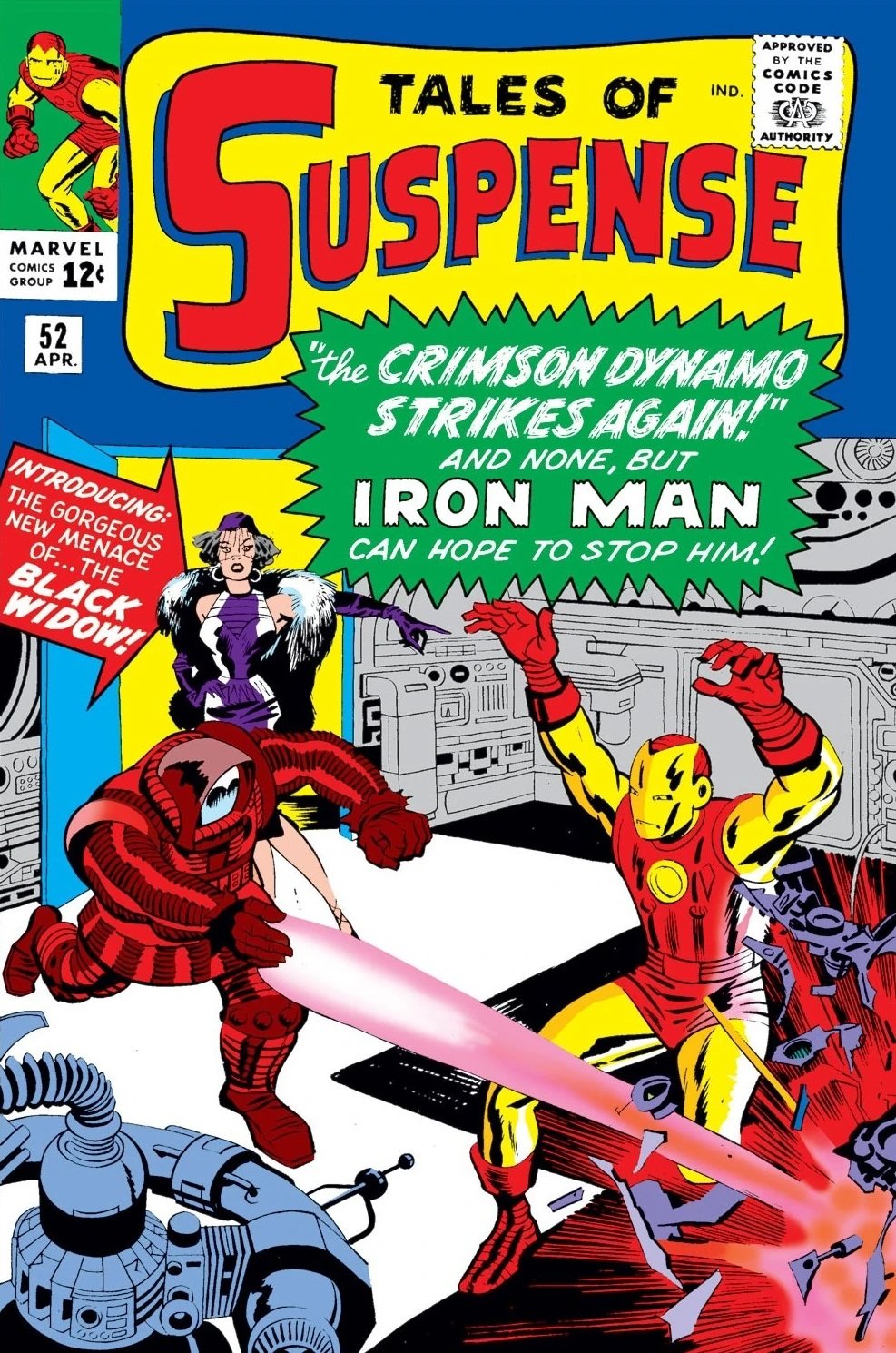
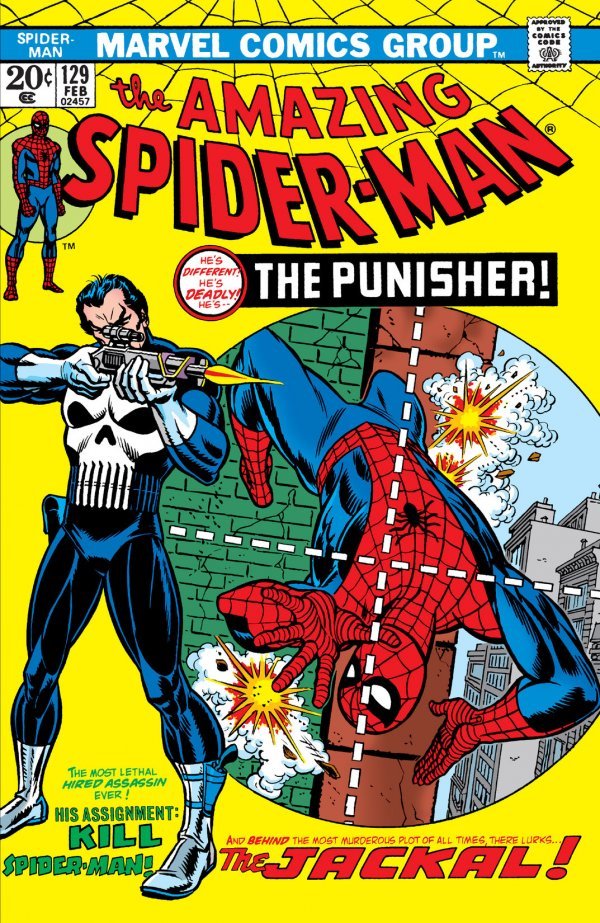 would simply overlook thirty-four years of publishing history, which is a fairly substantial oversight even by internet comic speculation standards. Wolf Spider presents another element worth examining. The operative’s involvement gives the latest story an espionage component beyond the expected confrontation between Frank and Natasha. However, the operative should not automatically be advertised as a first appearance or entirely new villain. That classification depends on the actual identity revealed and whether the character has appeared previously in Marvel continuity. This is the sort of detail speculators should verify before attaching a collectible designation to an issue. The existence of an unfamiliar name in promotional material is not sufficient proof that the person behind it has never appeared before. Tom Waltz, Greg Land, Jay Leisten, and Rachelle Rosenberg are handling a pairing that combines the Punisher’s relentless methods with Black Widow’s intelligence background. This isn’t a conventional superhero partnership, and that difference gives the showdown premise room for interesting future character combinations. There is also the possibility that the new series introduces circumstances, recurring enemies, or ongoing connections that become relevant in later installments. Its long-term collecting interest will depend on those developments and whether the Showdowns format continues building recognition beyond its opening issue. For comic book speculation, the broader lesson is that character pairings can be collectible without being first meetings. Some collectors pursue every significant appearance of a favorite hero, while others focus on notable collaborations, important confrontations, or debut issues in a particular publishing format. Those approaches can coexist as long as the historical facts remain accurate. Frank Castle’s collecting history begins with Amazing Spider-Man #129. Black Widow’s begins with Tales of Suspense #52. Their previous shared history includes Spinning Doomsday’s Web. This new publication adds another chapter to those established histories, with the potential for further consequences in Marvel’s ongoing portrayal of both characters. And if Frank Castle and Natasha Romanoff manage to agree on absolutely everything, it might actually be the least believable development in the entire comic.
Clicking any red-highlighted link or comic book cover may direct you to eBay or another third-party marketplace where the item may be available for purchase. Please use your own judgment before buying. Always review the seller’s rating, feedback, item description, photos, shipping terms, and return policy before completing any transaction. InvestComics does not sell these items directly, does not control third-party listings, and is not responsible for any transaction, seller, product condition, shipping issue, refund, or dispute. InvestComics does not endorse any individual seller or listing. InvestComics participates in the eBay Partner Network and may receive compensation from qualifying purchases made through affiliate links on this site.
-Jay Katz