
 Top 5 New Key Comics 10-28-26
Books from Jay Katz of InvestComics
Jay Katz of InvestComics has three comic-themed books available on Amazon: The Beginner’s Guide to Comic Investing: How to Spot Trends in Comics Before Everyone Else, The Ultimate Comic Book Word Search, and The Ultimate Comic Crossword Puzzle. Whether you want to sharpen your speculation instincts or test your comic knowledge, all three books are available in one place.
 View all three books on Amazon
LAST WEEK’S Top 5 New Key Comics 10-21-26
Clicking any red-highlighted link or comic book cover may direct you to eBay or another third-party marketplace where the item may be available for purchase. Please use your own judgment before buying. Always review the seller’s rating, feedback, item description, photos, shipping terms, and return policy before completing any transaction. InvestComics does not sell these items directly, does not control third-party listings, and is not responsible for any transaction, seller, product condition, shipping issue, refund, or dispute. InvestComics does not endorse any individual seller or listing. InvestComics participates in the eBay Partner Network and may receive compensation from qualifying purchases made through affiliate links on this site.
Absolute Wonder Woman #25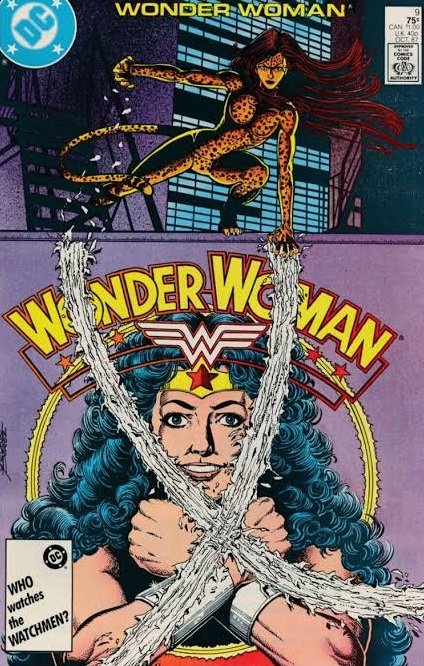
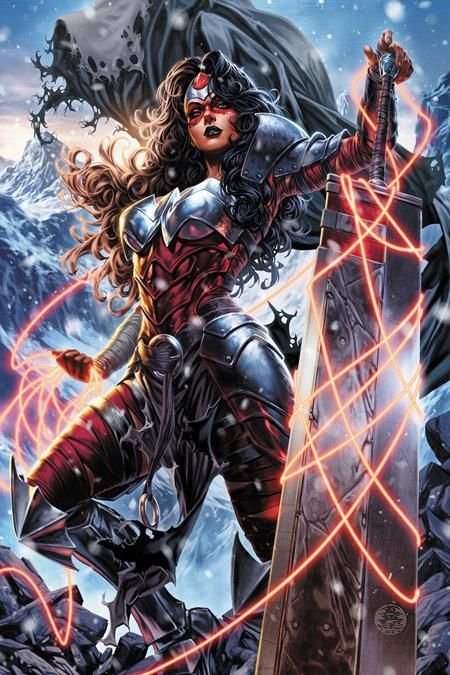
Written by Kelly Thompson | Artist and Inker: Hayden Sherman | Colorist: Jordie Bellaire | Letterer: Becca Carey | Featured Cover Artist: Mark Brooks
DC Comics continues building the mythology of its Absolute Universe with another substantial addition to Wonder Woman’s increasingly dangerous world. The oversized twenty-fifth issue brings the Heretic storyline into another phase, with Diana’s pursuit of Barbara Minerva finally reaching a confrontation that promises to introduce a familiar adversary under considerably different circumstances. Enter Absolute Cheetah. A new interpretation of one of Wonder Woman’s most recognizable enemies immediately opens another chapter in the history of a character who has spent decades tormenting Diana across multiple continuities.
The first appearance of Absolute Cheetah is the headline here. New interpretations of established villains have become an important element of DC’s Absolute publishing line, particularly when the characters are significantly different from their traditional counterparts. Barbara Minerva’s history goes back to Wonder Woman #7 (1987), where the character first appeared during the George Pérez and Len Wein era. Her transformation into Cheetah would eventually become a defining moment in Wonder Woman #9 (1987), marking her first full appearance as the costumed villain. For collectors interested in the development of the character, those two issues represent different stages of the same origin. One introduced the woman, and the other established the monster.
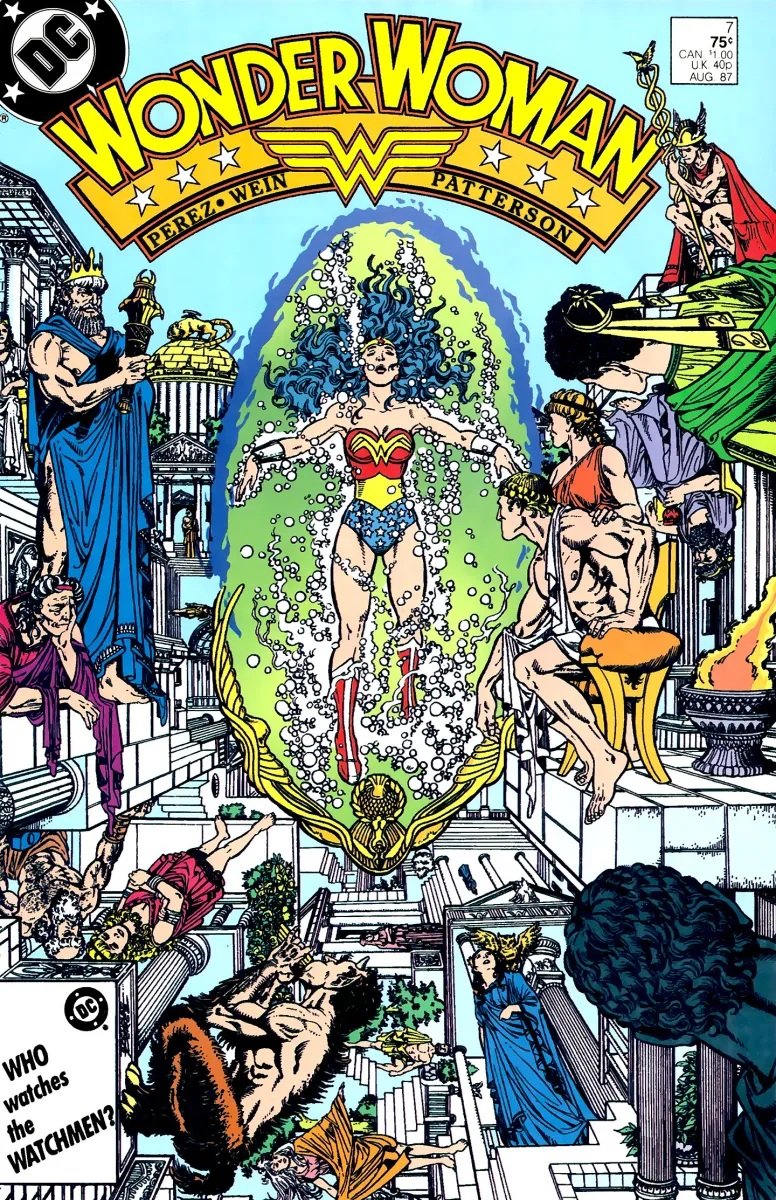
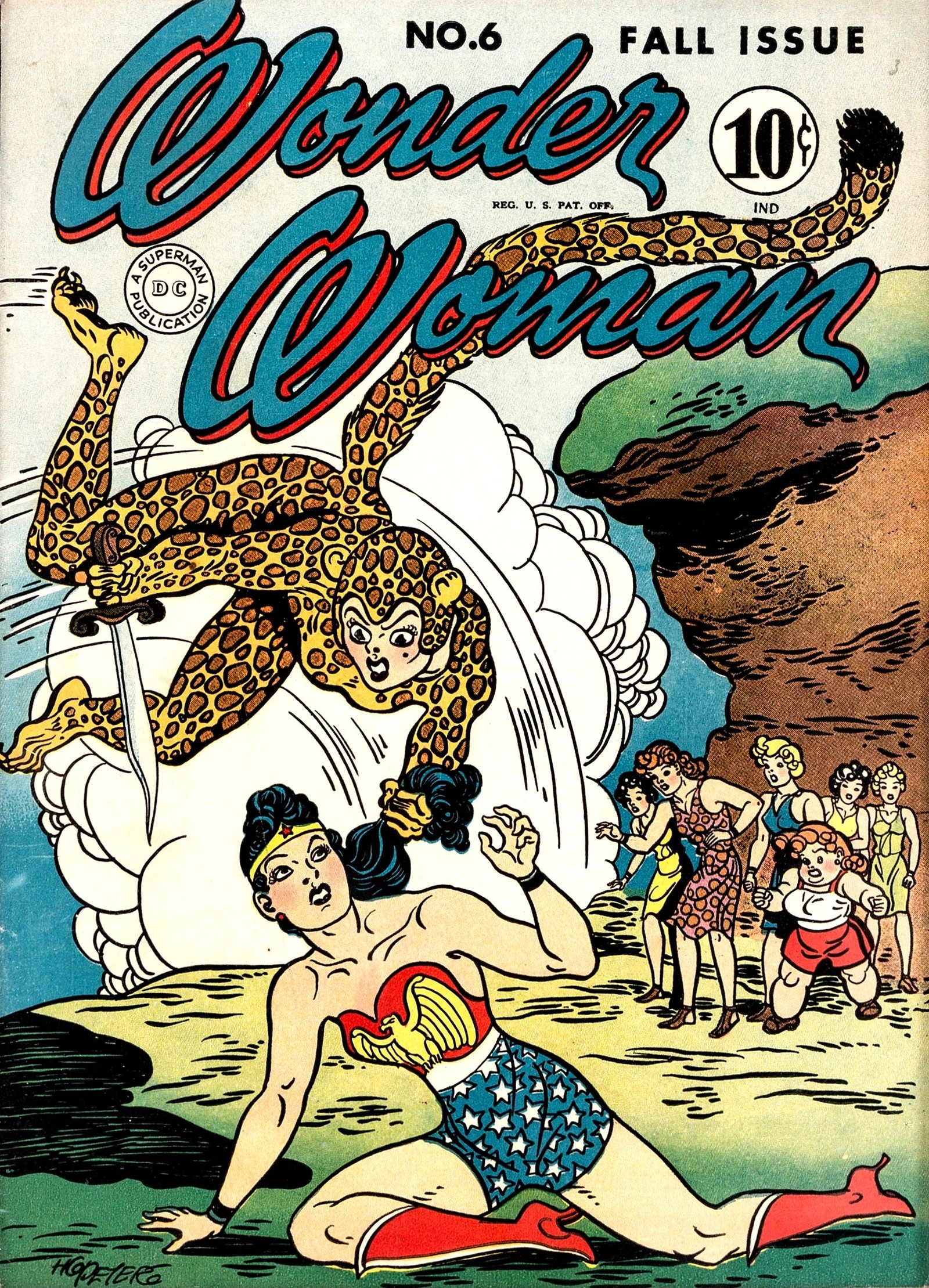 There is another historical distinction worth remembering. The original Cheetah, Priscilla Rich, first appeared in Wonder Woman #6 (1943). Barbara Minerva wasn’t the first character to carry the name, but she became one of its most important modern interpretations. That gives collectors three distinctly different historical starting points to consider when discussing the legacy of Cheetah, with the new Absolute version adding another.
The current storyline has been steadily expanding Diana’s mythology, including the introduction of new interpretations of familiar enemies and characters connected to her past. The arrival of Absolute Cheetah adds another name to that developing list. For anyone tracking first appearances across the Absolute Universe, distinguishing between a character’s initial appearance as Barbara Minerva and her first appearance as Cheetah is important. They are not automatically the same collectible event.
Kelly Thompson and Hayden Sherman have been establishing a very different foundation for Wonder Woman, while Jordie Bellaire’s colors have helped give the series its distinctive identity. The addition of this new Cheetah presents another opportunity to examine where a reimagined character might fit into DC’s long-term plans.
The speculation question centers on whether this incarnation develops into a permanent fixture of the Absolute Universe or becomes associated primarily with the current storyline. Both possibilities influence collecting interest differently. First appearances often receive immediate attention, but continued appearances and meaningful character development are what can keep an issue relevant after the initial excitement passes. The original Barbara Minerva survived because creators continued finding uses for her. Absolute Cheetah now gets the opportunity to establish a separate identity.
The Punisher #9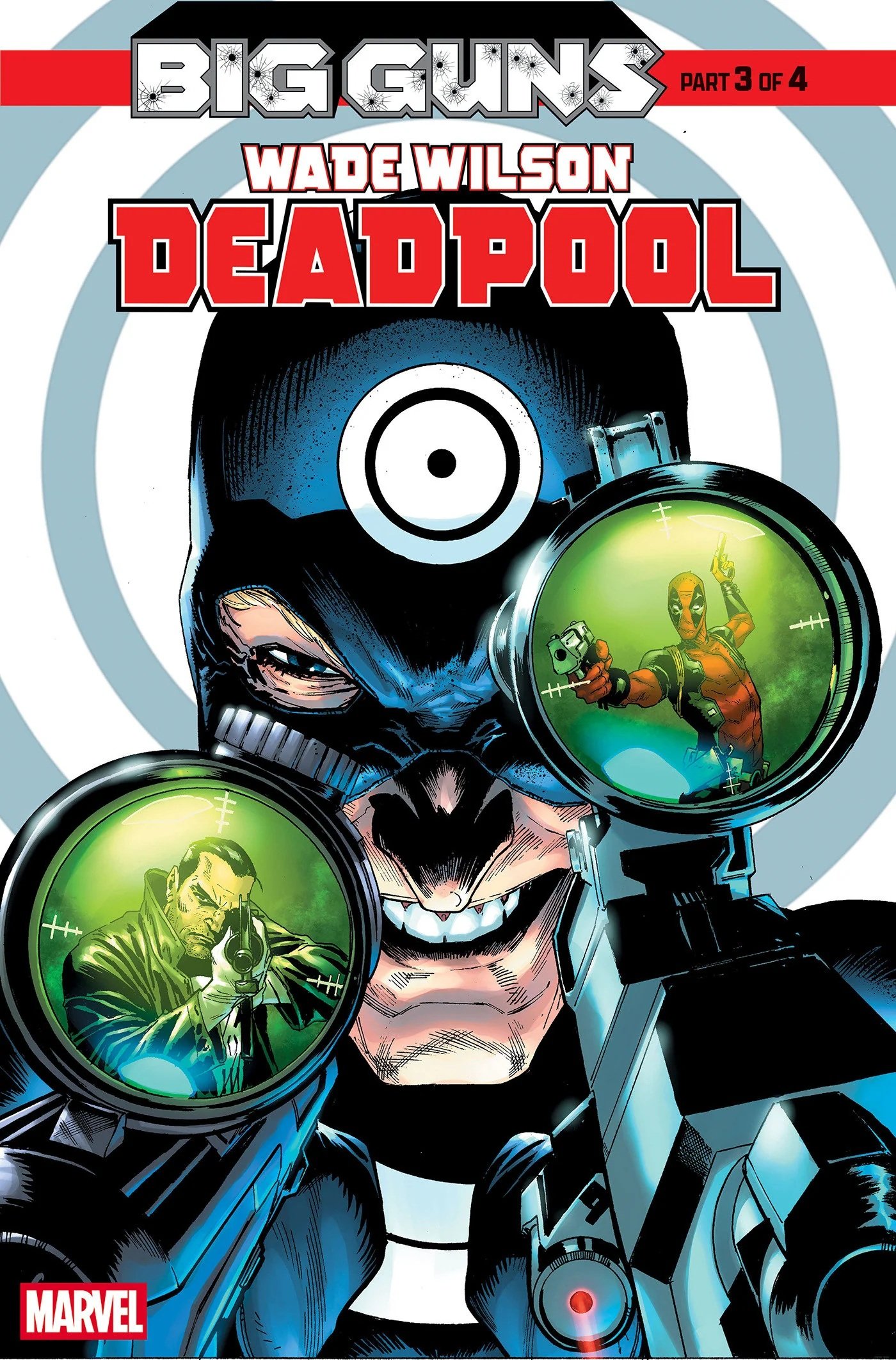
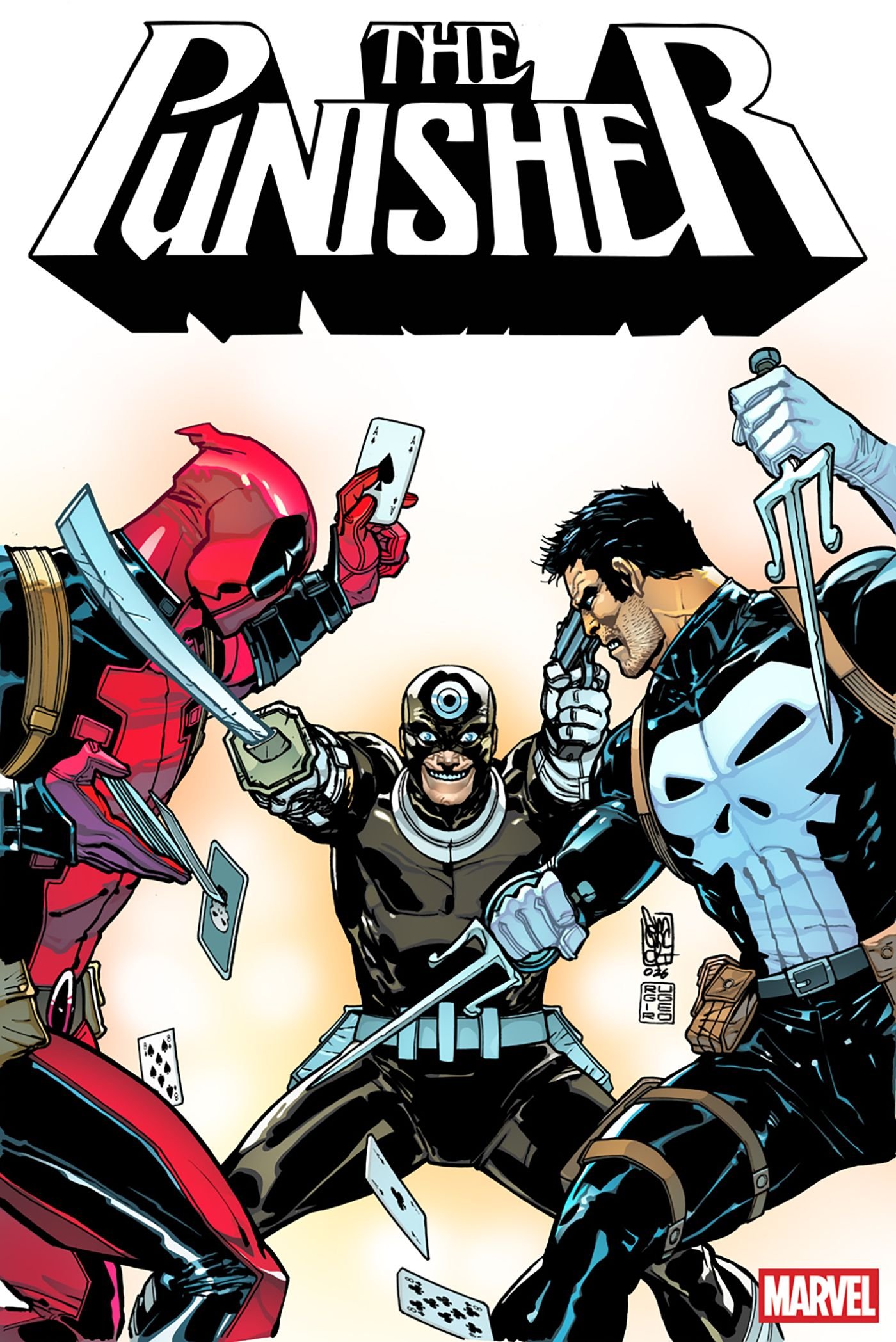
Written by Benjamin Percy | Artist: José Luis Soares | Inker: Jonas Trindade | Colorist: Frank D’Armata | Letterer: Cory Petit | Featured Cover Artist: Giuseppe Camuncol
Frank Castle and Wade Wilson have always represented two entirely different approaches to getting a job done. Both operate with questionable methods, both leave substantial destruction behind them, and neither has an especially impressive record when it comes to peaceful conflict resolution. Marvel apparently decided that putting them together again was an appropriate way to improve the situation.
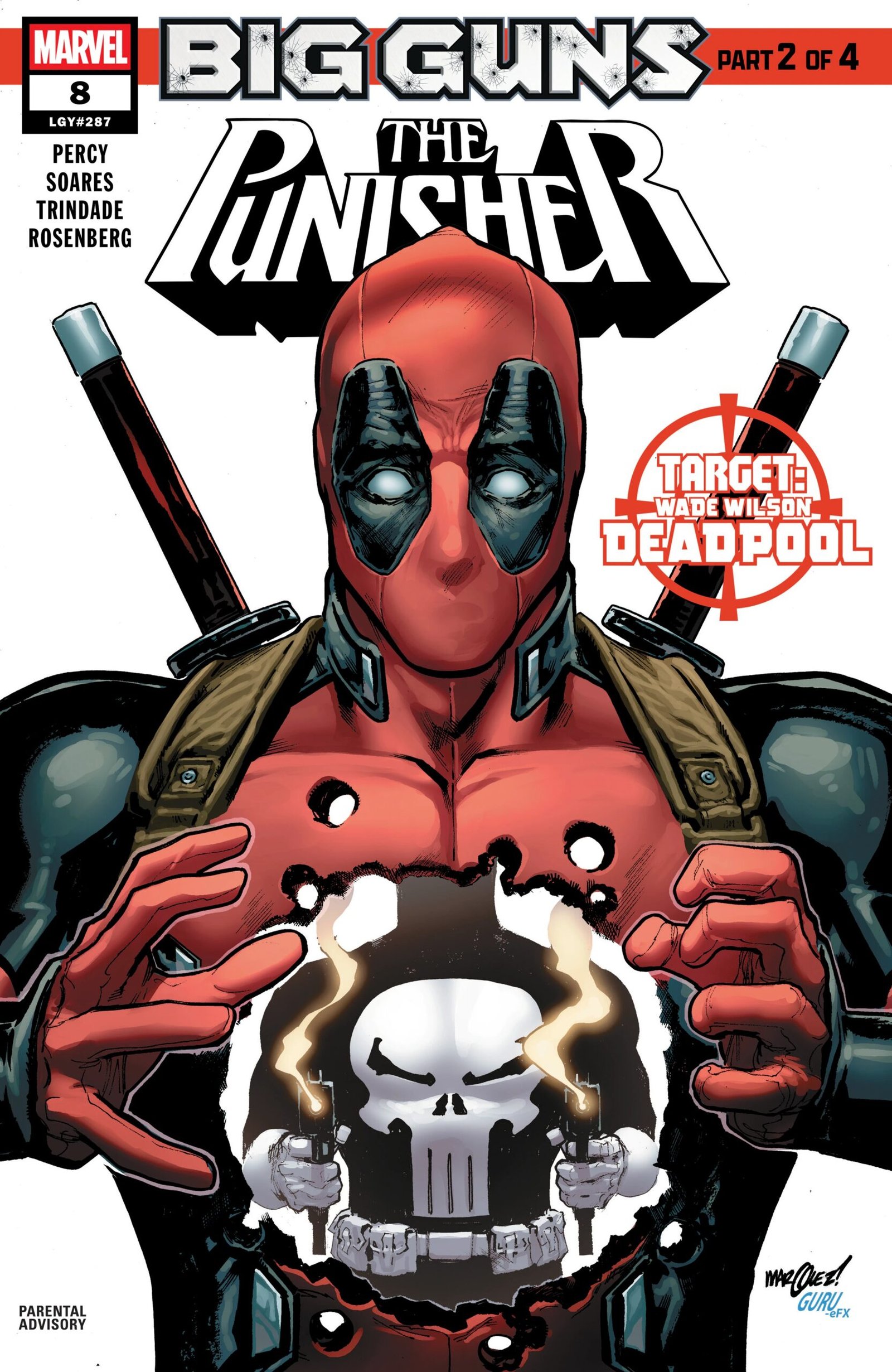
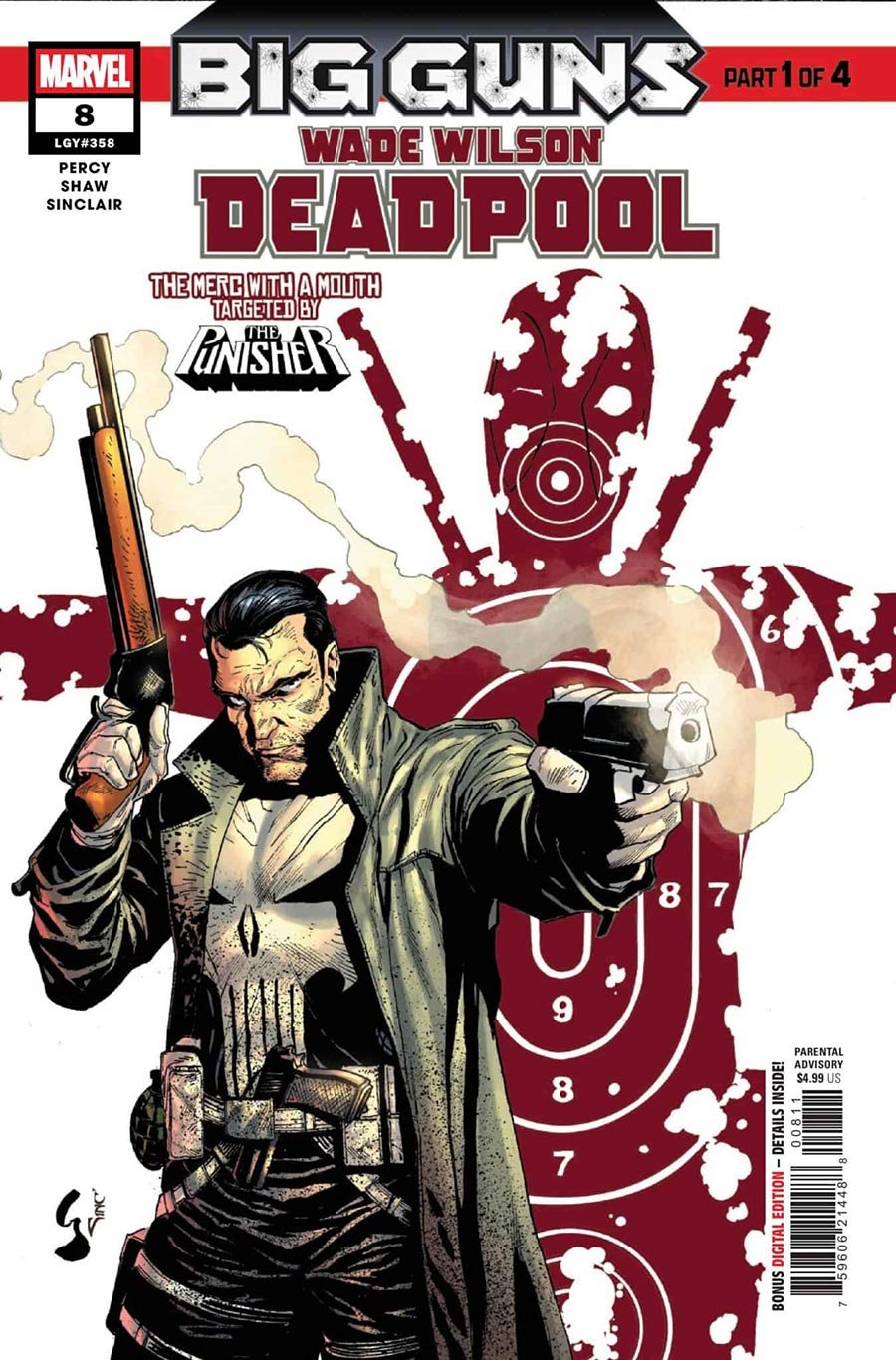
The Punisher #9 concludes the four-part Big Guns crossover, bringing Deadpool, Punisher, Bullseye, Black Hole, and the Badpools together for a confrontation that could have consequences for both ongoing titles. The storyline began in Wade Wilson: Deadpool #8 and continued through Punisher #8 and Wade Wilson: Deadpool #9 before reaching this concluding chapter. The involvement of Black Hole and Bullseye has complicated an already hostile relationship, with both leading characters becoming entangled in a conflict built around a particularly dangerous weapon.
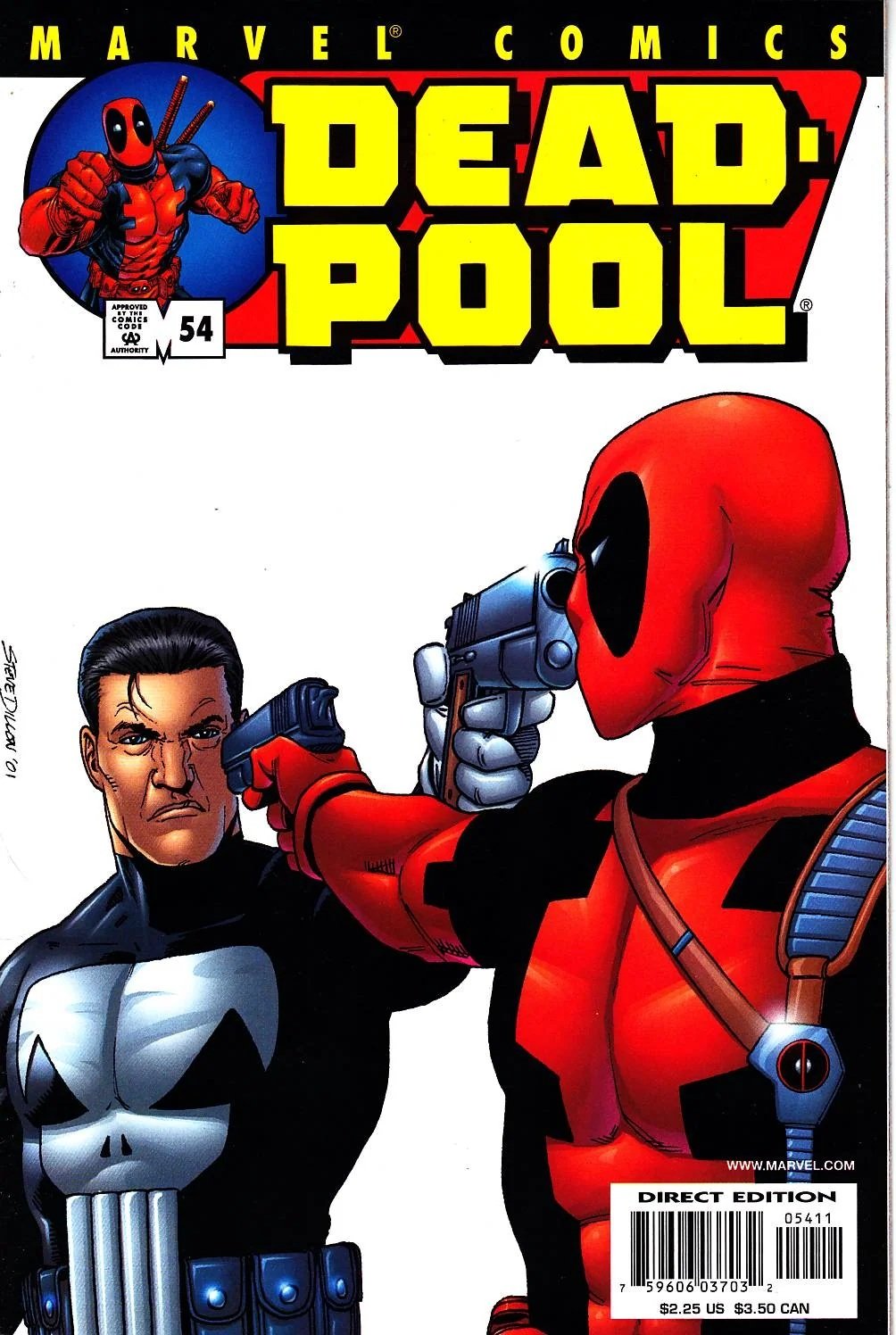
There is a notable back-issue connection between Frank Castle and Wade Wilson that deserves attention. Their first comic book encounter occurred in Deadpool #53 (2001), a memorable early meeting from the original Deadpool ongoing series. The confrontation continued into Deadpool #54 (2001), which features the two characters together on its cover, illustrated by Steve Dillon. Those books represent an interesting collecting opportunity because they predate the more recognizable crossover projects that followed years later.
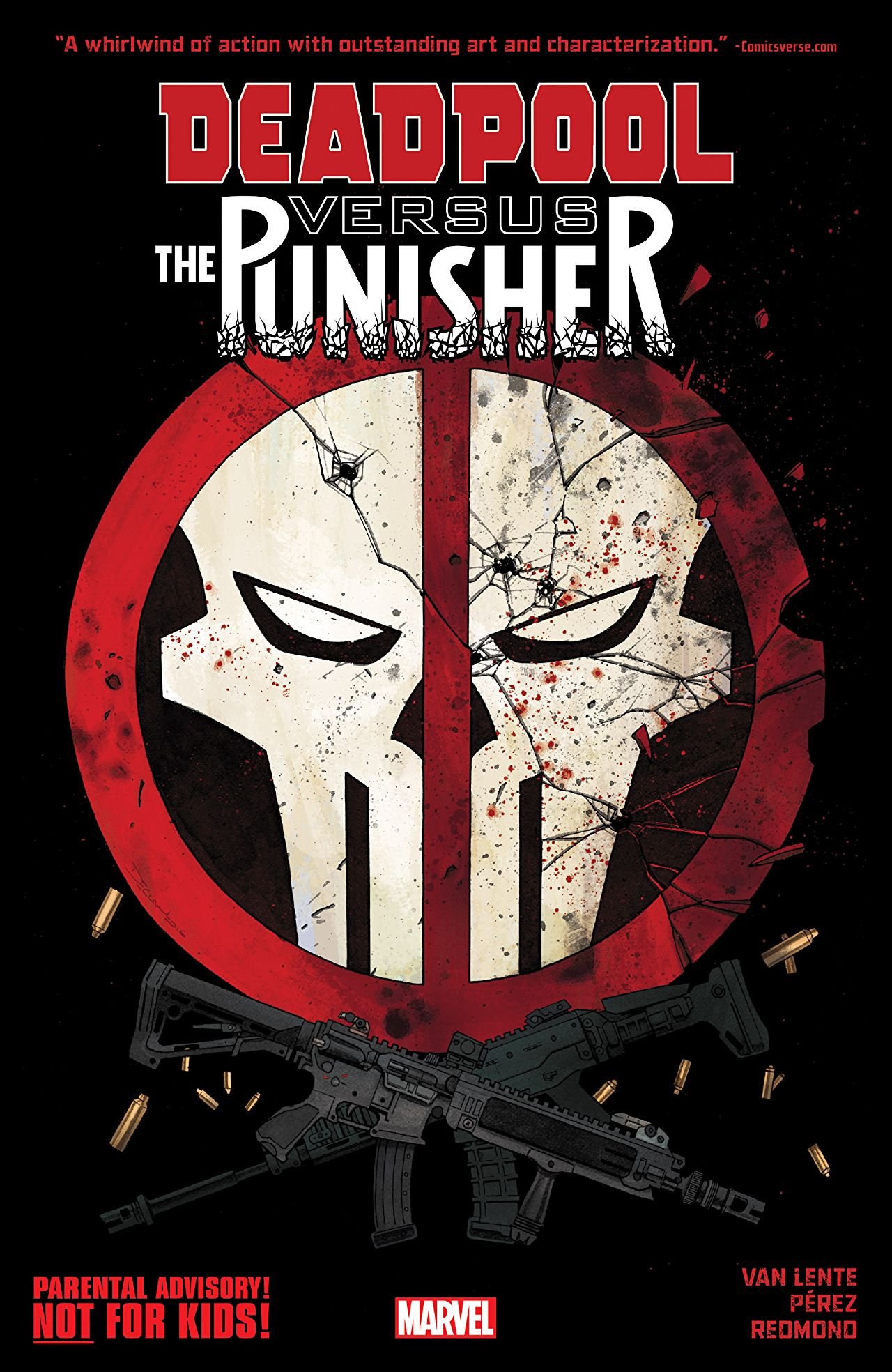 Many collectors naturally associate these characters with Deadpool vs. The Punisher #1 (2017), written by Fred Van Lente with artwork by Pere Pérez. That five-issue series gave the rivalry its own dedicated title, but it was not their first meeting. The distinction matters. A recognizable crossover title and the first-ever meeting between two characters are different key-comic categories, and confusing the two can lead to paying first-appearance enthusiasm prices for something that happened considerably earlier.
The Punisher’s own beginnings trace back to The Amazing Spider-Man #129 (1974), the first appearance of Frank Castle, created by Gerry Conway, with artwork by Ross Andru and character design contributions from John Romita Sr. Deadpool arrived much later in The New Mutants #98 (1991), introduced by Fabian Nicieza and Rob Liefeld. Both debut issues remain important historical starting points for collectors following these characters.
Bullseye contributes another back-issue connection. His first appearance occurred in Daredevil #131 (1976), created by Marv Wolfman and John Romita Sr. Bullseye’s involvement in the present conflict brings an established Marvel assassin into a confrontation already containing two of the publisher’s most unpredictable mercenaries.
Benjamin Percy has been developing the individual Punisher and Deadpool titles while directing their collision through Big Guns. The crossover conclusion creates an opportunity for future storytelling changes, particularly with Marvel suggesting that the outcome will alter Frank Castle’s direction and Wade Wilson’s circumstances.
Speculators should pay attention to any permanent change in status, newly established character relationship, or development involving Black Hole and the Badpools. An ending can sometimes become more consequential than an opening issue, especially when it introduces something that carries into subsequent stories. Of course, not every heavily promoted crossover conclusion becomes a meaningful collectible. Marvel has produced enough events to make that fairly obvious. The important distinction is whether anything introduced here continues to matter afterward.
Superman #43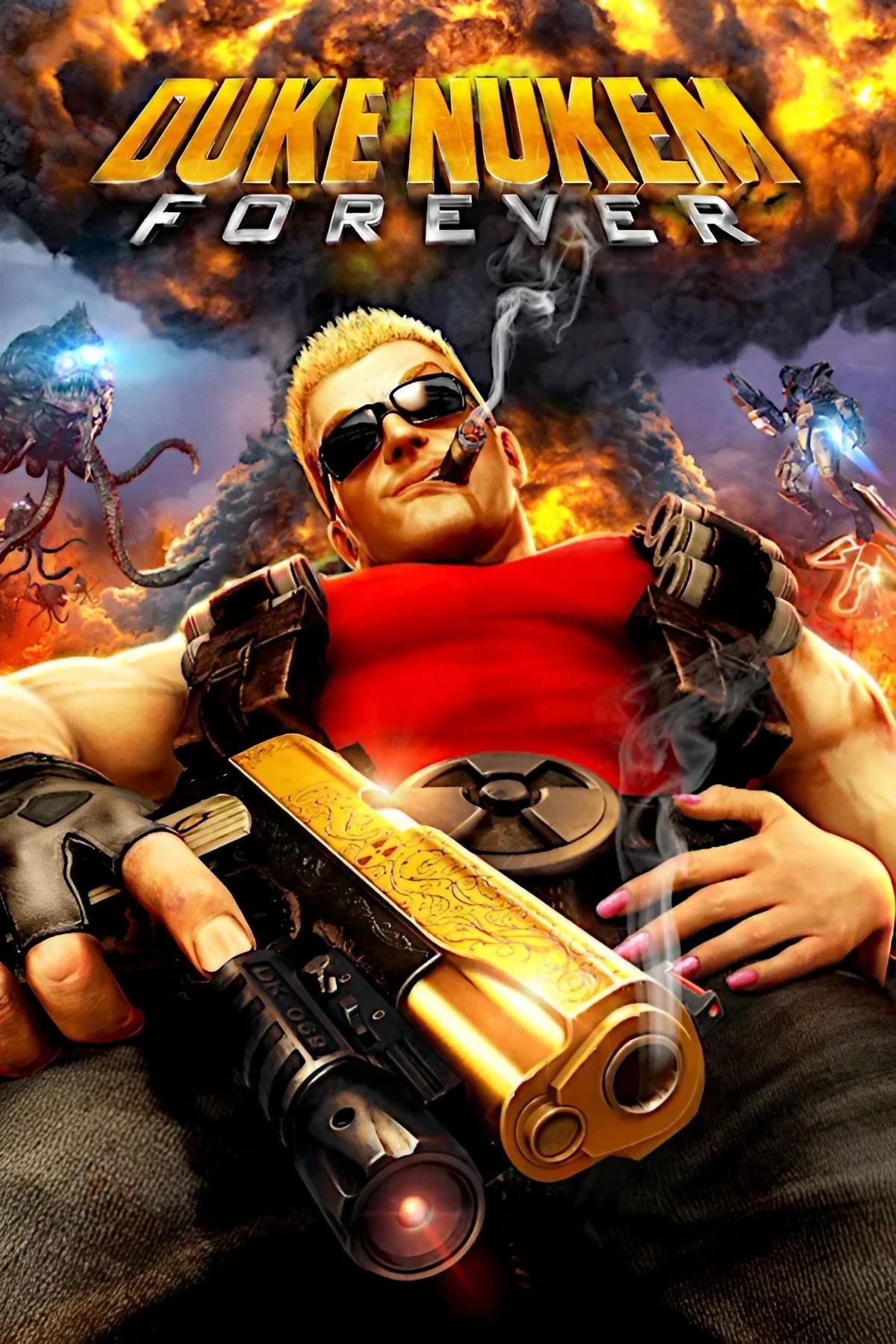
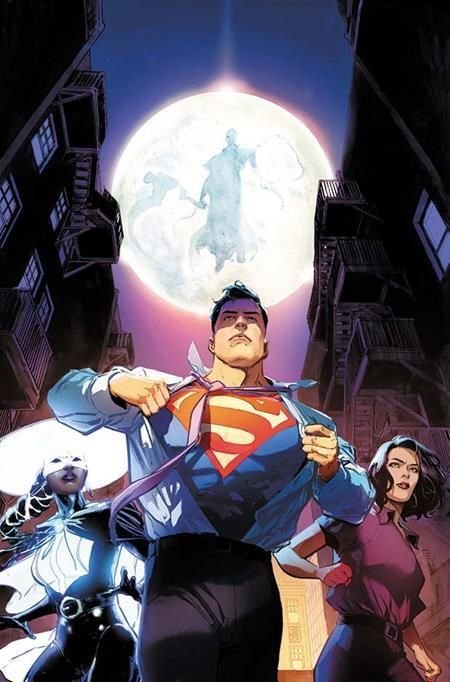
Written by Joshua Williamson | Artist and Inker: Xermánico | Colorist: Alejandro Sánchez | Letterer: Ariana Maher | Featured Cover Artist: Xermánico
A creative change arrives for Superman as Joshua Williamson continues the series with Xermánico becoming the new ongoing artist. Following the considerable disruption of DC K.O., Superman’s experiences with General Zod, and the consequences of his recent adventures, Clark Kent returns to something that apparently qualifies as unusual behavior these days. He’s going to investigate a story for the Daily Planet.
The premise is fairly straightforward until the investigation introduces a mysterious death cult operating in Metropolis and brings Marilyn Moonlight back into the situation. Naturally, another major DC villain is positioned somewhere behind the unfolding mystery. Apparently, Metropolis has developed a side of town that even Superman didn’t know existed. That seems like something the world’s greatest reporter might eventually want to investigate.
The return of Marilyn Moonlight makes this issue particularly interesting from a back-issue perspective. The character made her first appearance in Superman #2 (2023), created by Joshua Williamson and Jamal Campbell during the opening chapters of the current Superman series. That debut introduced a mysterious figure tied to the supernatural history of Metropolis. Her subsequent appearances expanded the character’s connection to the city and its past, making her return a direct continuation of previously established material rather than an unrelated guest appearance.
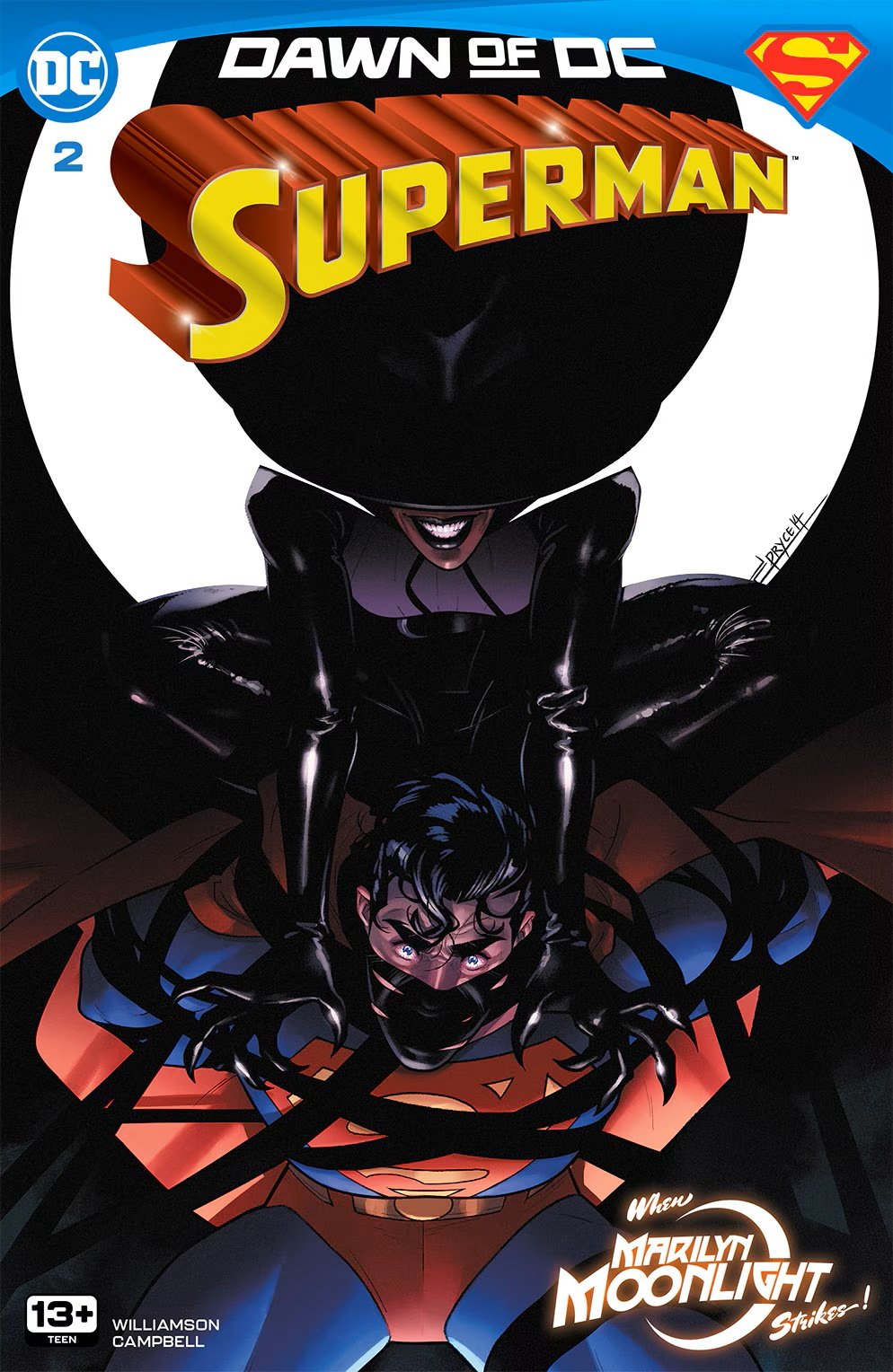 For collectors who pay attention to secondary characters, Marilyn Moonlight is worth distinguishing from the established Superman supporting cast. Her relatively recent creation means there is a much smaller publication history behind her than there is for Lois Lane, Jimmy Olsen, or Lex Luthor. Continued use by Williamson could provide more opportunities to develop her mythology.
There is also the arrival of Xermánico. The Spanish artist, whose real name is Alejandro Germánico Benito González, has worked on several DC projects, including Injustice, Green Lantern, and Justice League. His comic book credits extend well before his new Superman assignment. One of his earliest documented American comic projects is Duke Nukem Forever #0 (2011), a promotional comic associated with the video game’s special edition, written by Tom Waltz and published by IDW. This is an interesting early career collectible for anyone interested in tracking an artist’s professional development.
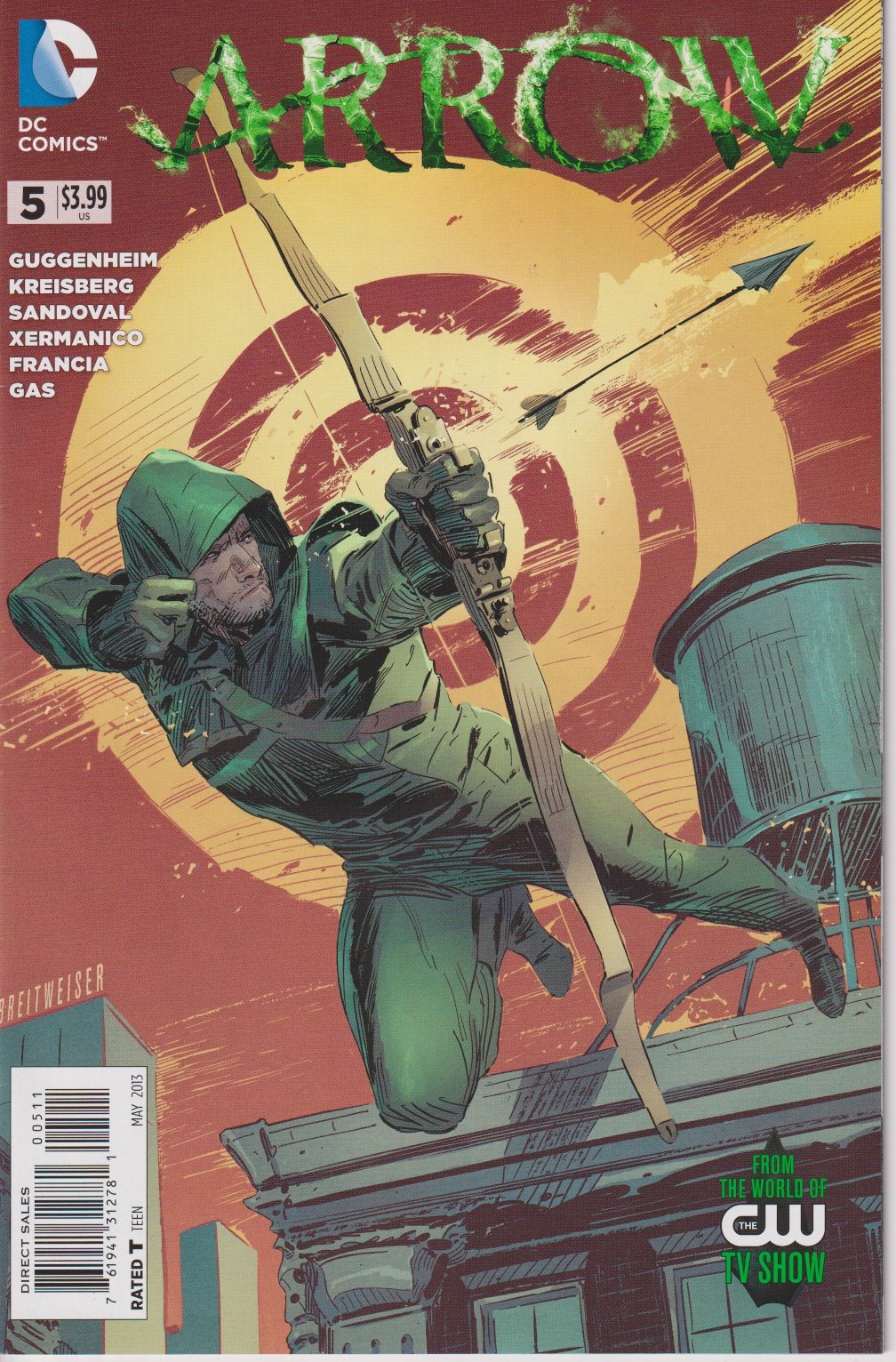
His early DC assignments included Arrow #5 (2013), with additional work on the Arrow comic series following afterward. Anyone examining an artist’s first published work should make the distinction between an early professional credit, an early DC assignment, and a first appearance on a major ongoing superhero title. Those three milestones can represent entirely different books.
Xermánico taking over Superman’s ongoing artwork gives collectors another creative-team milestone to follow. Artist debuts on established titles can become recognizable reference points when a particular run develops a strong reputation. The cover and interior presentation also establish a visual direction for this new chapter.
Between Marilyn Moonlight’s return, the investigation into Metropolis’s darker history, and the arrival of a new ongoing artist, Superman #43 presents several connected developments without depending on the introduction of an entirely new superhero. Sometimes the significance of a book comes from the creative direction it establishes, the characters it brings back into circulation, and the stories it begins setting into motion.
DC All In Saga: Darkseid vs. The World #1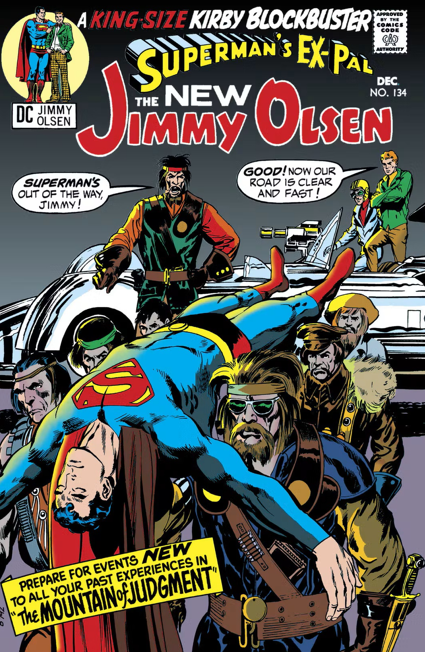
Written by Scott Snyder and Joshua Williamson | Artists and Inkers: Sanford Greene and Yasmine Putri | Colorists: Matt Herms and Yasmine Putri | Featured Cover Artist: Javi Fernández
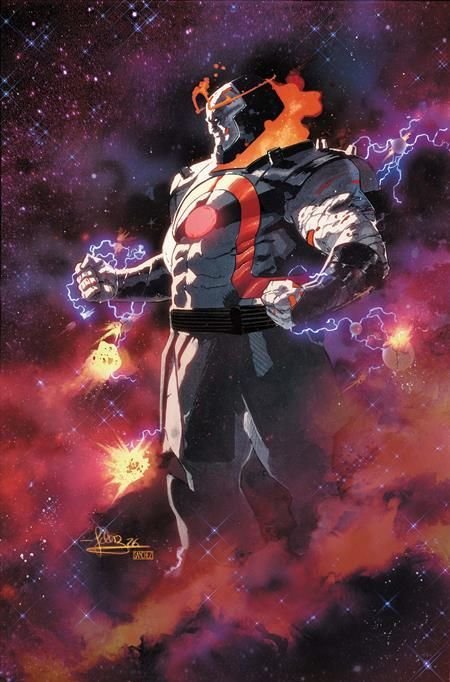
Darkseid has been responsible for a substantial percentage of the DC Universe’s problems over the decades. Entire planets have suffered because of him, gods have been destroyed, and countless superheroes have spent their careers trying to prevent the latest cosmic catastrophe. Apparently, all of that was insufficient, because DC is now returning to the earlier history of the being who eventually became Darkseid.
DC All In Saga: Darkseid vs. The World #1 explores the past, present, and future of DC’s ultimate cosmic tyrant, including the hidden history of Uxas and his transformation into Darkseid. Scott Snyder and Joshua Williamson continue the mythology established through DC’s All In initiative, while Sanford Greene and Yasmine Putri handle the artwork.
Darkseid’s first appearance is one of the most significant historical reference points associated with DC’s Fourth World mythology. Jack Kirby introduced the character in Superman’s Pal Jimmy Olsen #134 (1970). The issue featured Darkseid in a relatively limited appearance, presented as the mysterious power behind Morgan Edge. Kirby was building something considerably larger than a conventional Superman supporting story, and the introduction would eventually lead into one of the publisher’s most ambitious cosmic mythologies.
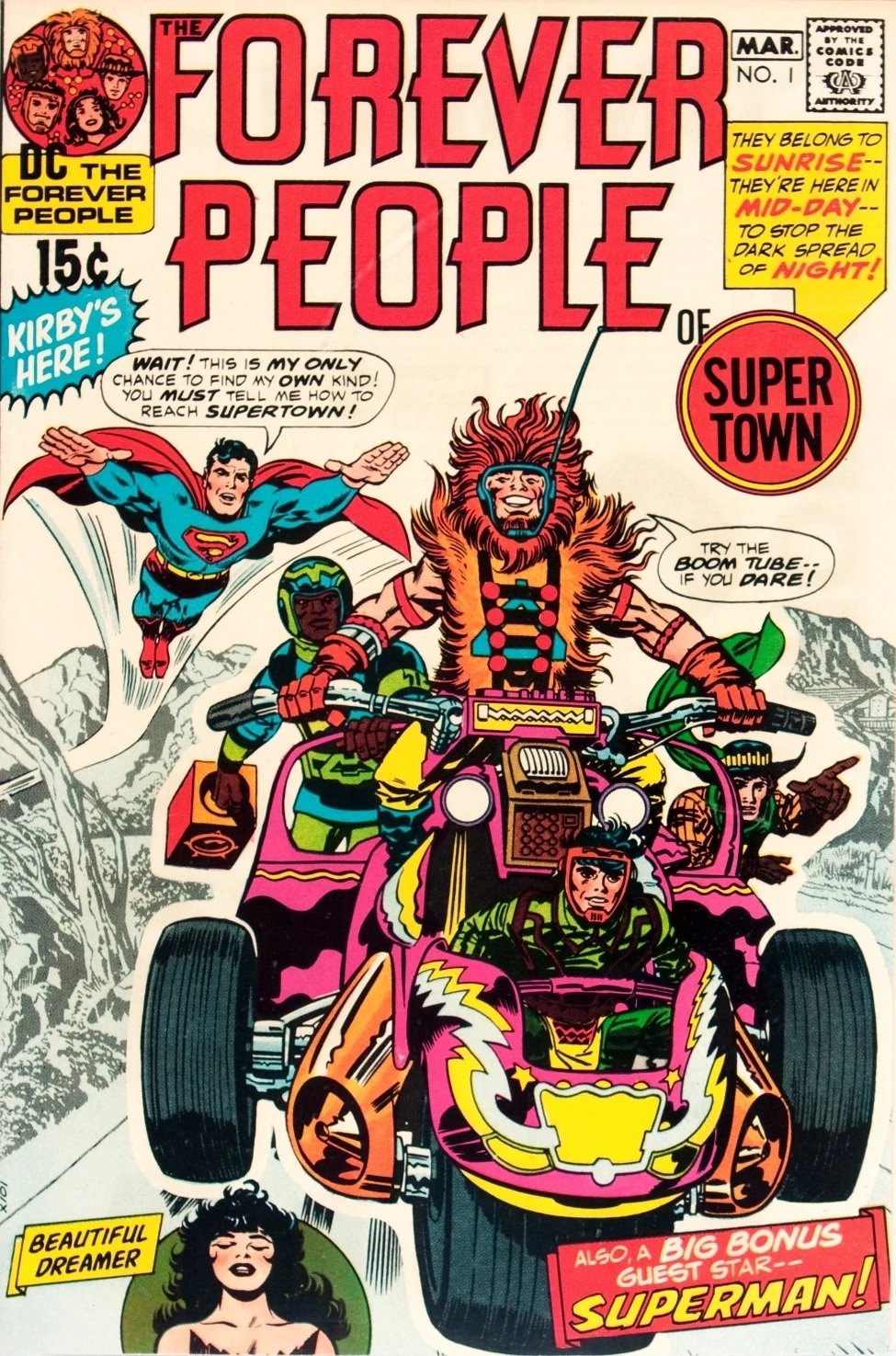
The next important publication is The Forever People #1 (1971), which helped establish Darkseid as a central figure in Kirby’s Fourth World saga. The character’s significance expanded across the interconnected titles, including New Gods and Mister Miracle.
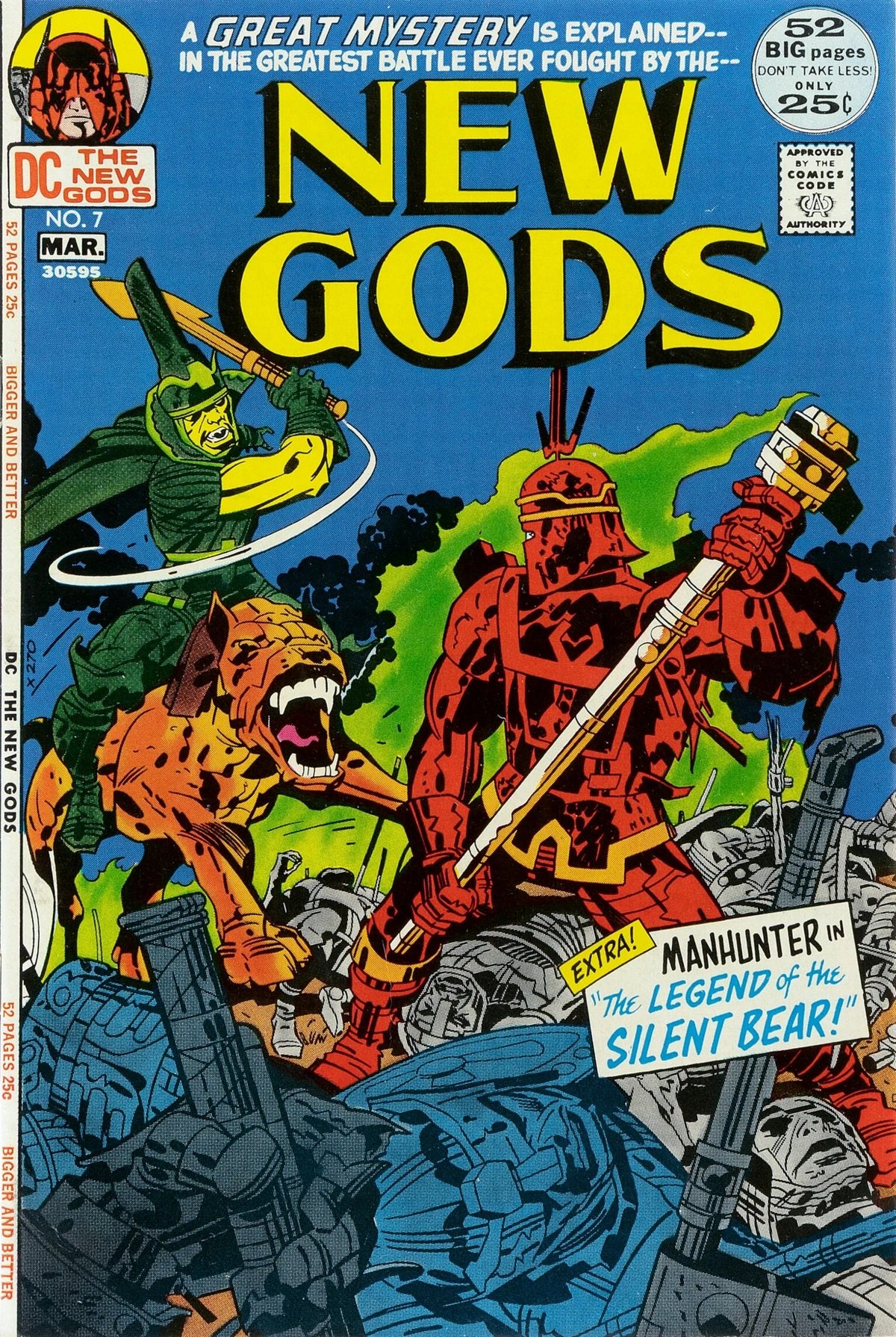 When the conversation turns specifically to Darkseid’s past and the history of Apokolips, New Gods #7 (1972) becomes another particularly relevant back issue. Kirby’s story, The Pact, established important elements of the war between New Genesis and Apokolips, including the exchange of Orion and Scott Free. Its mythology remains foundational to understanding Darkseid, Highfather, and the enormous conflict between their worlds.
This historical connection is especially important because the current one-shot isn’t simply another confrontation between Darkseid and the Justice League. The exploration of Uxas provides an opportunity to expand or reinterpret details about the character’s transformation and motivations. New revelations about a major established villain can sometimes renew attention on older origin-related issues.
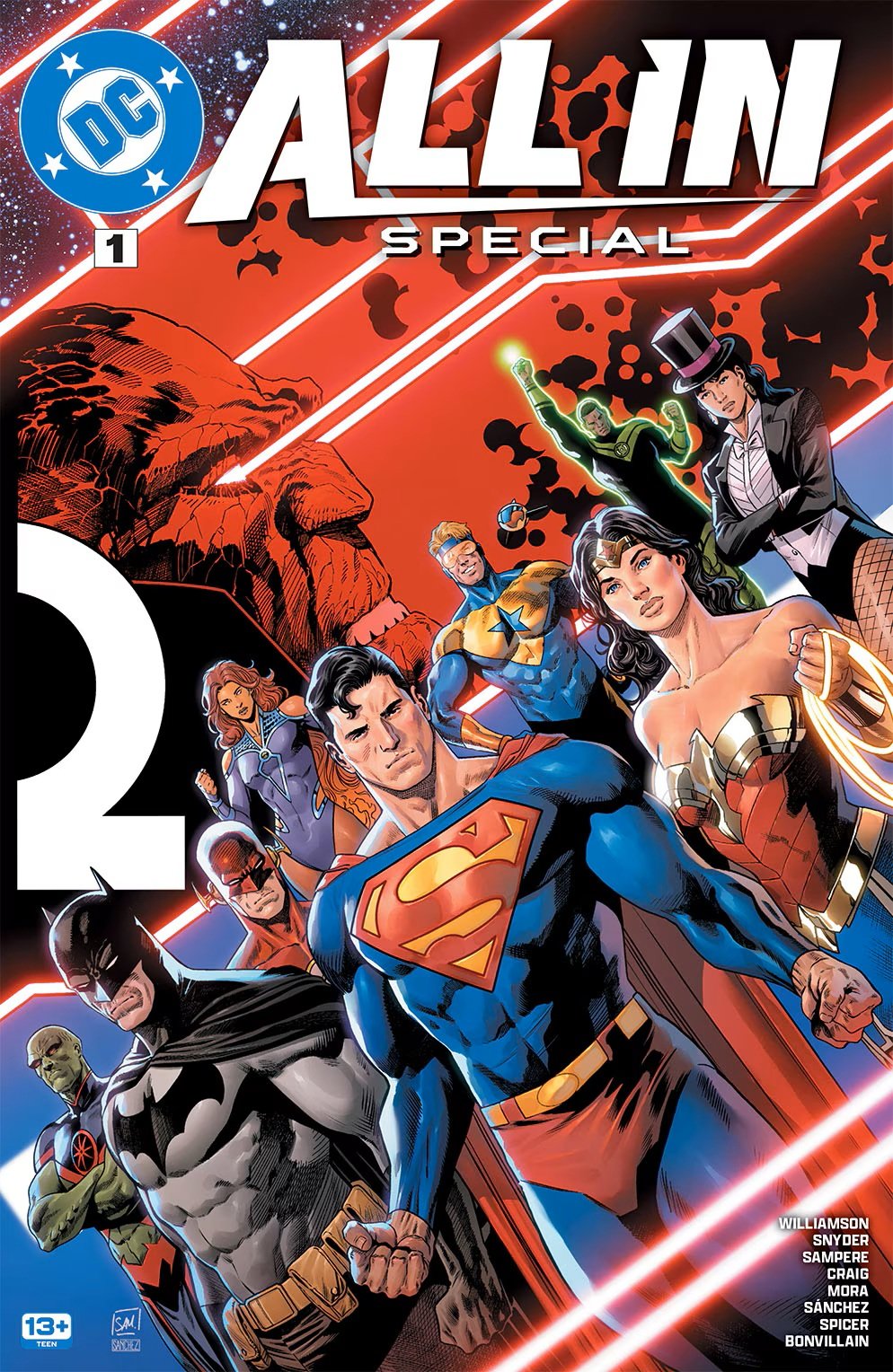
Collectors should also remember DC All In Special #1 (2024), written by Snyder and Williamson, which established the publishing initiative and the circumstances surrounding the creation of the Absolute Universe. Darkseid’s actions in that issue helped shape a new continuity that has developed into a substantial component of DC’s publishing strategy.
Following the King Omega conflict, the larger war involving Darkseid continues. A story examining his origins while laying groundwork for future developments could become an important continuity reference, especially if it establishes details that subsequent DC titles incorporate.
Sanford Greene brings a distinctive artistic approach to this character, whose visual presentation remains closely connected to Jack Kirby’s original designs. Yasmine Putri contributes to a project examining both the mythological past and the present consequences of Darkseid’s actions.
This is the kind of comic that raises a familiar collecting question. When an established villain receives a new origin-related story, does the importance fall on the modern publication or the older books that established the character? Usually, the answer depends on what the new issue actually contributes. New revelations can make an issue historically noteworthy, but they don’t replace the original first appearance. Superman’s Pal Jimmy Olsen #134 still holds that distinction, regardless of how many additional cosmic catastrophes Darkseid manages to create.
The Amazing Spider-Man #1002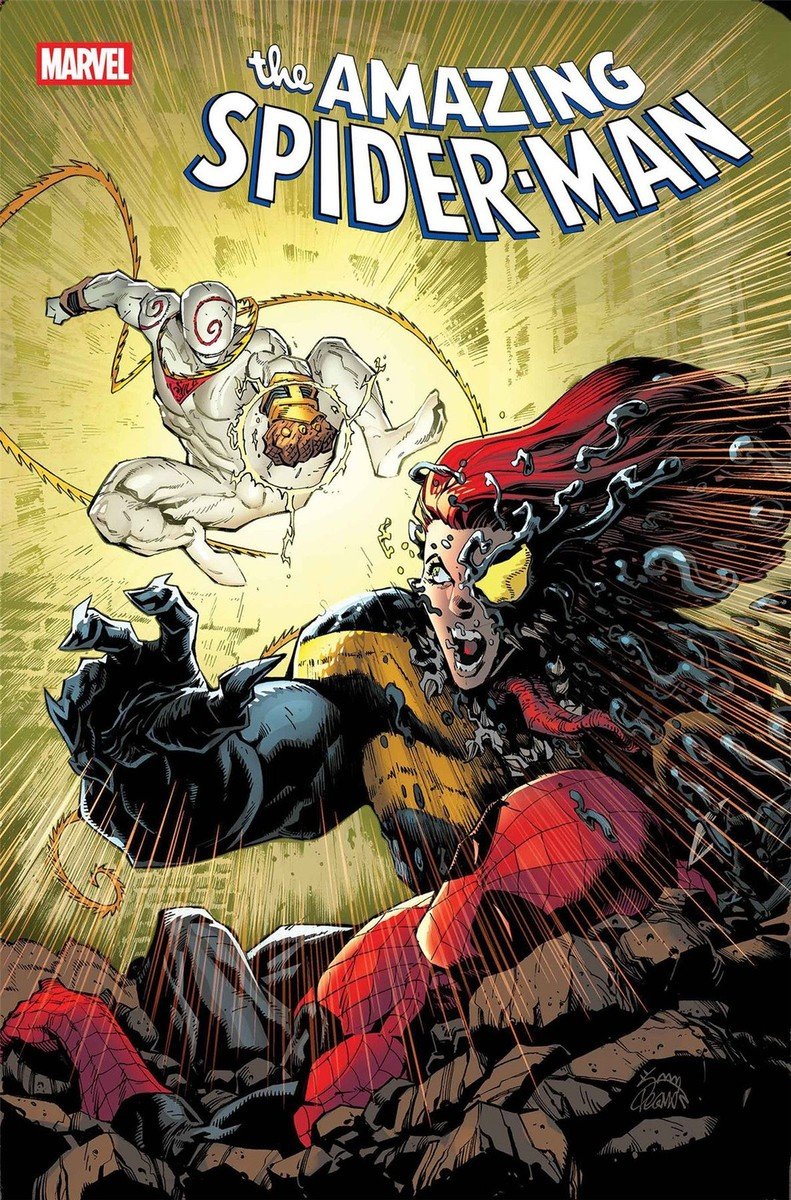
Written by Joe Kelly | Artist and Inker: Pepe Larraz | Colorist: Federico Blee | Featured Cover Artist: Ben Su
Peter Parker’s problems have a remarkable ability to become more complicated precisely when everything appears to have reached its worst possible point. The ongoing confrontation with Ravage is another example of a Spider-Man storyline in which the physical danger is only part of the problem.
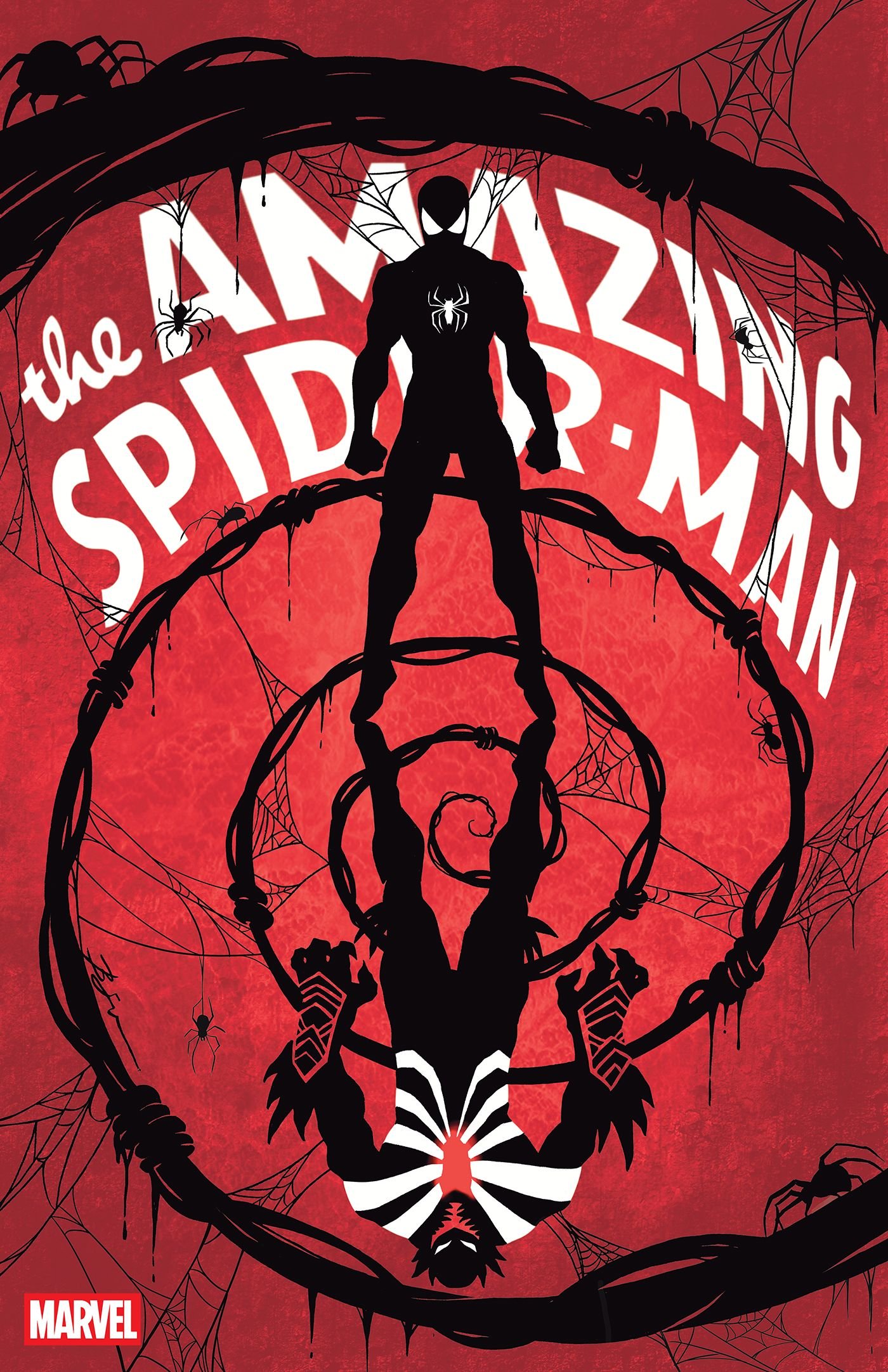
The Amazing Spider-Man #1002 continues the conflict between Spider-Man and Ravage, with their third major confrontation revealing additional information surrounding the mysterious villain’s origins. More importantly, the revelations force Peter to confront circumstances connected to his own personal history and the foundation of his family.
Ravage, identified as Cormac Crane, represents a relatively recent addition to Spider-Man’s expanding collection of enemies. His earliest appearance traces back to The Amazing Spider-Man #26 (2026) from the Joe Kelly era, before the character’s identity and eventual transformation became fully established. This is an important distinction because collectors who track character introductions often find that the first appearance of a civilian identity precedes the first appearance of that same individual operating under a villainous name.
The character’s emergence as Ravage in The Amazing Spider-Man #1000 (2026) represents another significant milestone. The anniversary issue established the villainous identity more directly, creating two separate publications connected to the character’s development. Collectors should differentiate the earlier appearance of Cormac Crane from the debut of Ravage as a costumed antagonist.
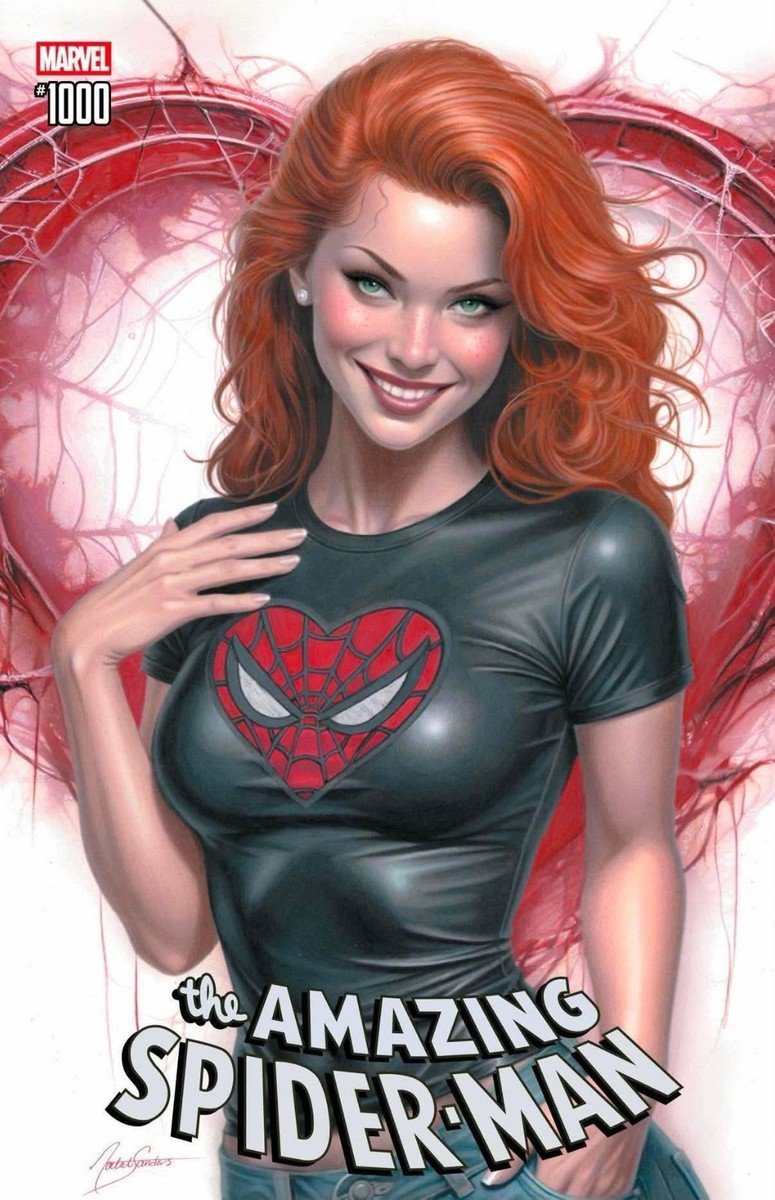 The significance of issue #1000 is also tied to its enormous anniversary status, an achievement few American superhero series can claim. That distinction brings attention from collectors interested in major publishing milestones, although high-profile anniversary issues can also generate considerable numbers of editions and copies. A historically important number does not automatically translate into scarcity. That would be convenient, but the secondary market has never operated quite that generously.
The current storyline is particularly interesting because Ravage’s connection to Peter Parker extends beyond another villain attempting to defeat Spider-Man. His origins and the personal implications surrounding them create an opportunity for the character to remain relevant beyond his immediate confrontation with Peter.
Joe Kelly and Pepe Larraz continue developing a storyline closely connected to events established in previous issues. For speculation purposes, attention should remain on the details being revealed about Ravage’s history, the permanence of those revelations, and whether they establish circumstances that cannot easily be reversed once the conflict concludes.
Collectors interested in modern Spider-Man first appearances should consider the entire progression of the character rather than automatically concentrating on the newest installment. The first civilian appearance, first appearance under the Ravage identity, and subsequent origin revelations each represent different collecting categories.
That doesn’t mean all three become equally important. The market eventually makes its own distinctions, frequently after everyone has already purchased several copies of the wrong issue. The real significance will depend on how Marvel develops Ravage after this confrontation and whether his complicated relationship to Peter Parker continues influencing future stories.
Absolute Batman #25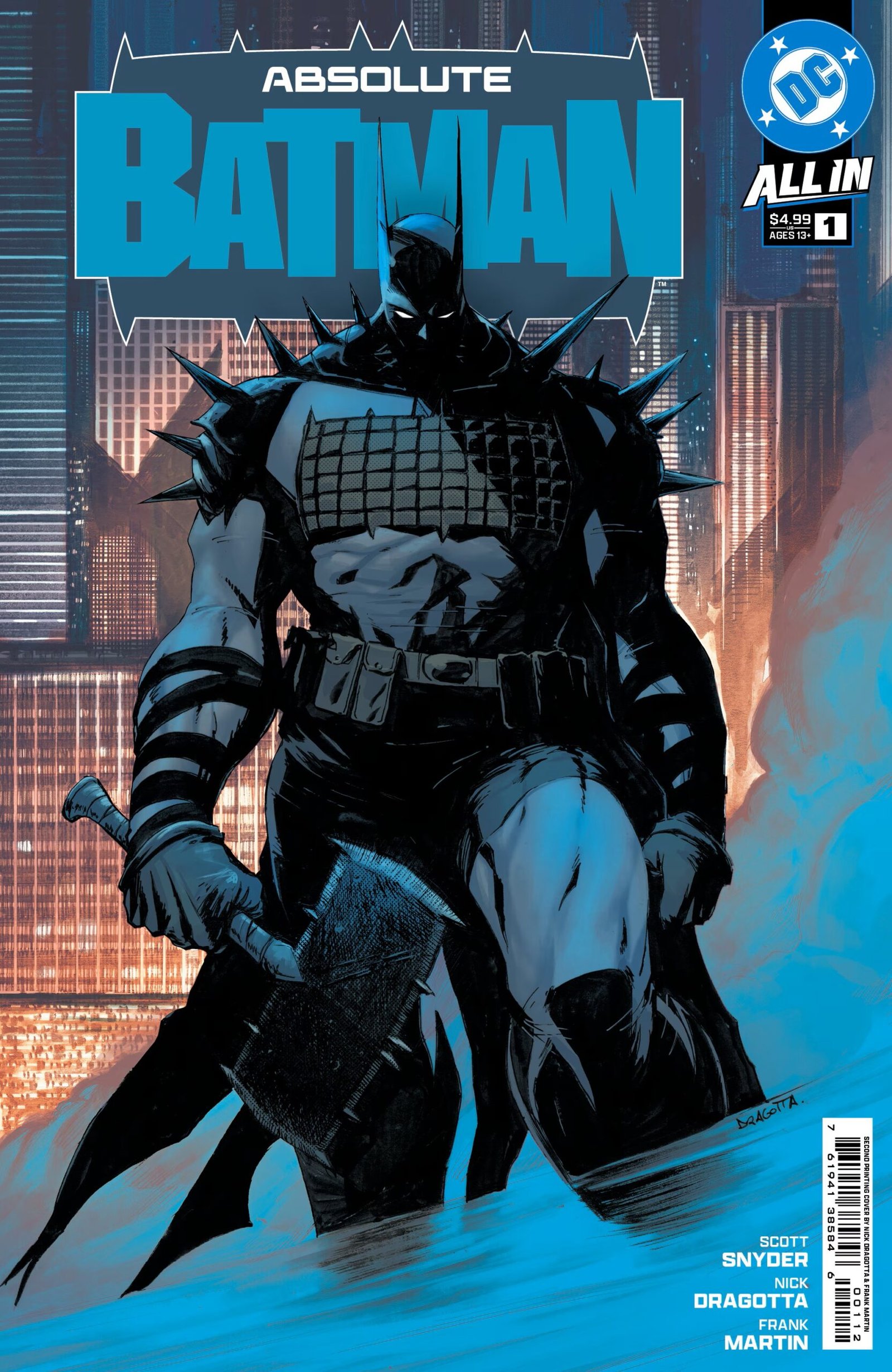
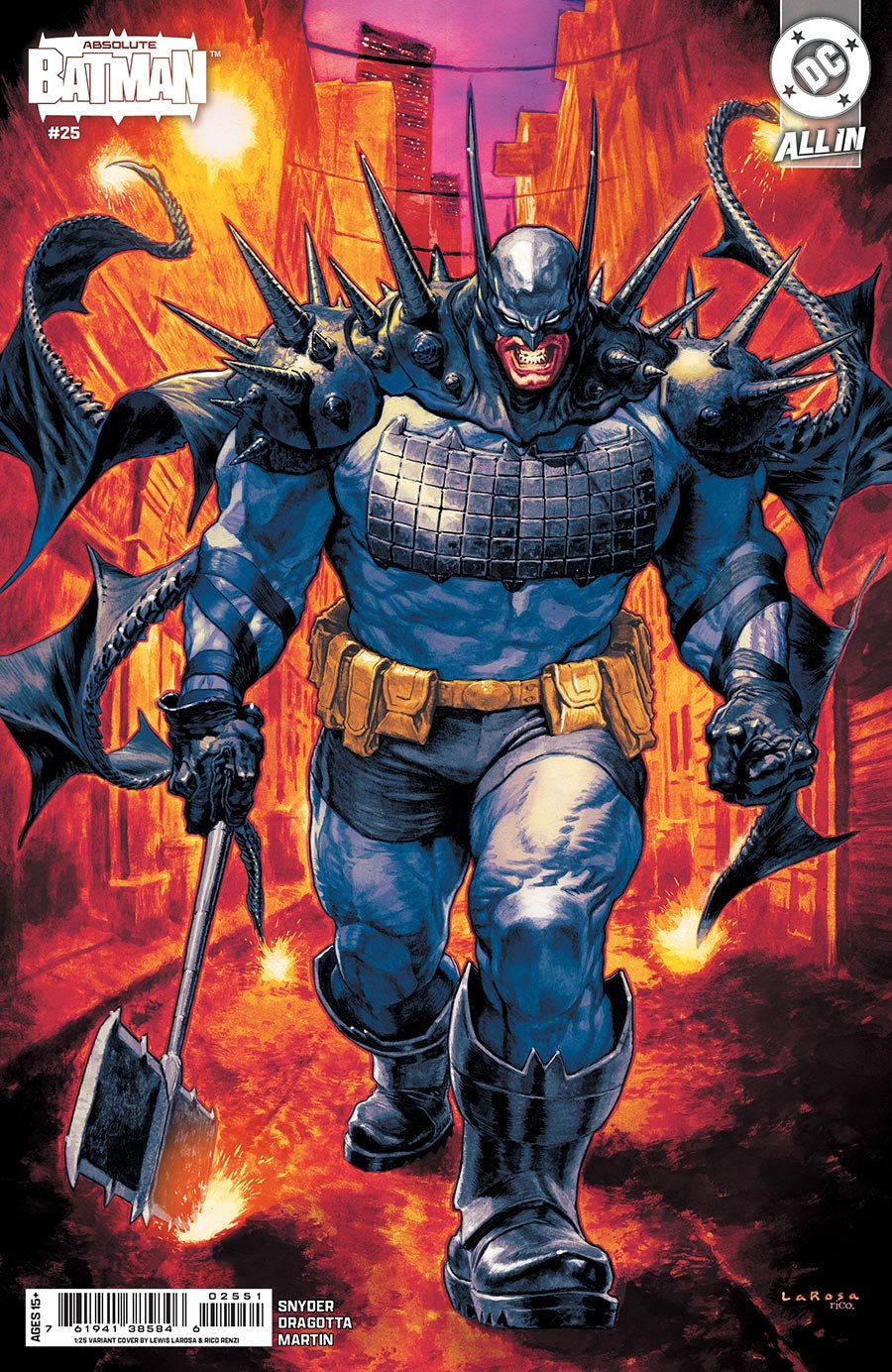
Written by Scott Snyder | Artist and Inker: Nick Dragotta | Colorist: Frank Martin | Letterer: Clayton Cowles | Featured Cover Artists: Lewis LaRosa and Rico Renzi
Scott Snyder and Nick Dragotta reach their twenty-fifth issue of Absolute Batman with a storyline that has systematically challenged nearly every advantage traditionally associated with Bruce Wayne. This version of Batman has developed his own identity through physical determination, extreme resourcefulness, and a considerably less privileged background. The character has also faced a succession of increasingly dangerous enemies, many of whom bear only a passing resemblance to their counterparts in the traditional DC Universe.
Absolute Batman #25 brings the accumulated confrontations, relationships, and consequences of this interpretation of Gotham City toward a major turning point. DC has emphasized the involvement of the series’ heroes and villains, while Snyder has publicly suggested that the issue introduces a development capable of changing the book’s direction considerably.
That creates an interesting situation for collectors. Milestone issues attract attention because they represent significant publication achievements. However, anniversary numbers alone don’t necessarily establish a comic as a major key issue. What matters is whether a substantial character introduction, transformation, or lasting continuity change occurs within the story.
The most direct historical connection remains Absolute Batman #1 (2024), the beginning of Snyder and Dragotta’s ongoing series. The issue introduced readers to the new version of Bruce Wayne and established the foundation for a Gotham City operating under entirely different circumstances. It also helped define the visual identity and storytelling approach that have continued throughout the series.
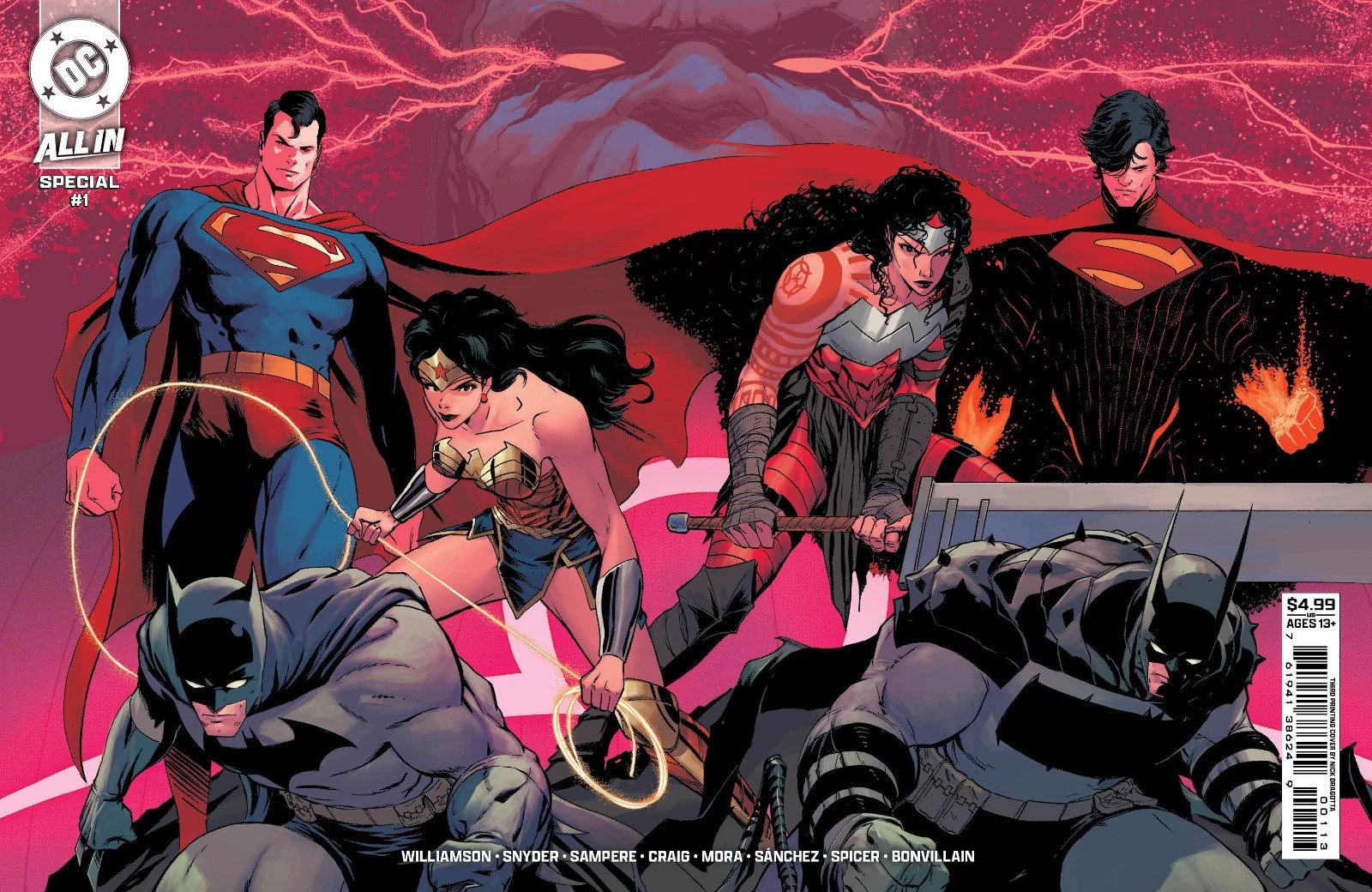 An even earlier starting point exists in DC All In Special #1, where the Absolute Universe and its versions of DC’s legendary heroes were introduced. Collectors who follow first appearances across the wider publishing initiative should recognize the distinction between the initial introduction of a character and the first issue of that character’s dedicated ongoing series.
The Absolute Batman storyline has repeatedly demonstrated the collecting appeal of reinterpretations of established characters. Familiar villains have received new appearances, motivations, and personalities, establishing a different publication history from their traditional DC counterparts. These distinctions have created multiple modern collecting opportunities, particularly when an Absolute interpretation makes its first identifiable appearance.
Scott Snyder’s comments about the twenty-fifth issue suggest that the next stage of this series could substantially alter what has been established. That possibility makes the preceding issues relevant as collectors examine the progression of Bruce Wayne’s relationships and the introduction of the characters surrounding him.
Nick Dragotta’s artwork has been central to the series’ identity, while Frank Martin’s color work reinforces its often brutal atmosphere. Their continued collaboration through this milestone also gives the book a creative continuity that isn’t always common in long-running superhero publishing.
The speculation surrounding this issue will ultimately depend on the significance of its revelations. A surprising development can generate immediate interest, but lasting value usually requires more than a single dramatic moment. If the issue establishes something that becomes fundamental to the future of Absolute Batman, collectors may eventually regard it as a substantial turning point.
For now, issue #25 represents a major milestone in one of DC’s most closely followed modern titles, with considerable expectations surrounding what happens next. Whether those expectations translate into sustained back-issue demand is a separate matter. The comic market has always been very good at confusing anticipation with certainty. Collectors who understand the difference generally approach these situations with considerably more patience.
-Jay Katz