
 Top 5 New Key Comics 7-29-26
LAST WEEK’S Top 5 New Key Comics 7-22-26
New Book Announcement!
Created by InvestComics founder Jay Katz, The Ultimate Comic Book Word Search delivers 100 puzzles built around comic culture, superheroes, villains, collecting, and speculation. Designed for teens, adults, collectors, and speculators, it offers a different way to test your comic knowledge while taking a break from checking prices, tracking first appearances, and convincing yourself that one more long box will somehow solve the storage problem.
➡️ Available now on Amazon: https://tinyurl.com/n8s9v7xa
Top 5 New Key Comics 7-29-26
Clicking any red-highlighted link or comic book cover may direct you to eBay or another third-party marketplace where the item may be available for purchase. Please use your own judgment before buying. Always review the seller’s rating, feedback, item description, photos, shipping terms, and return policy before completing any transaction. InvestComics does not sell these items directly, does not control third-party listings, and is not responsible for any transaction, seller, product condition, shipping issue, refund, or dispute. InvestComics does not endorse any individual seller or listing. InvestComics participates in the eBay Partner Network and may receive compensation from qualifying purchases made through affiliate links on this site.
Top 5 New Key Comics 7-29-26
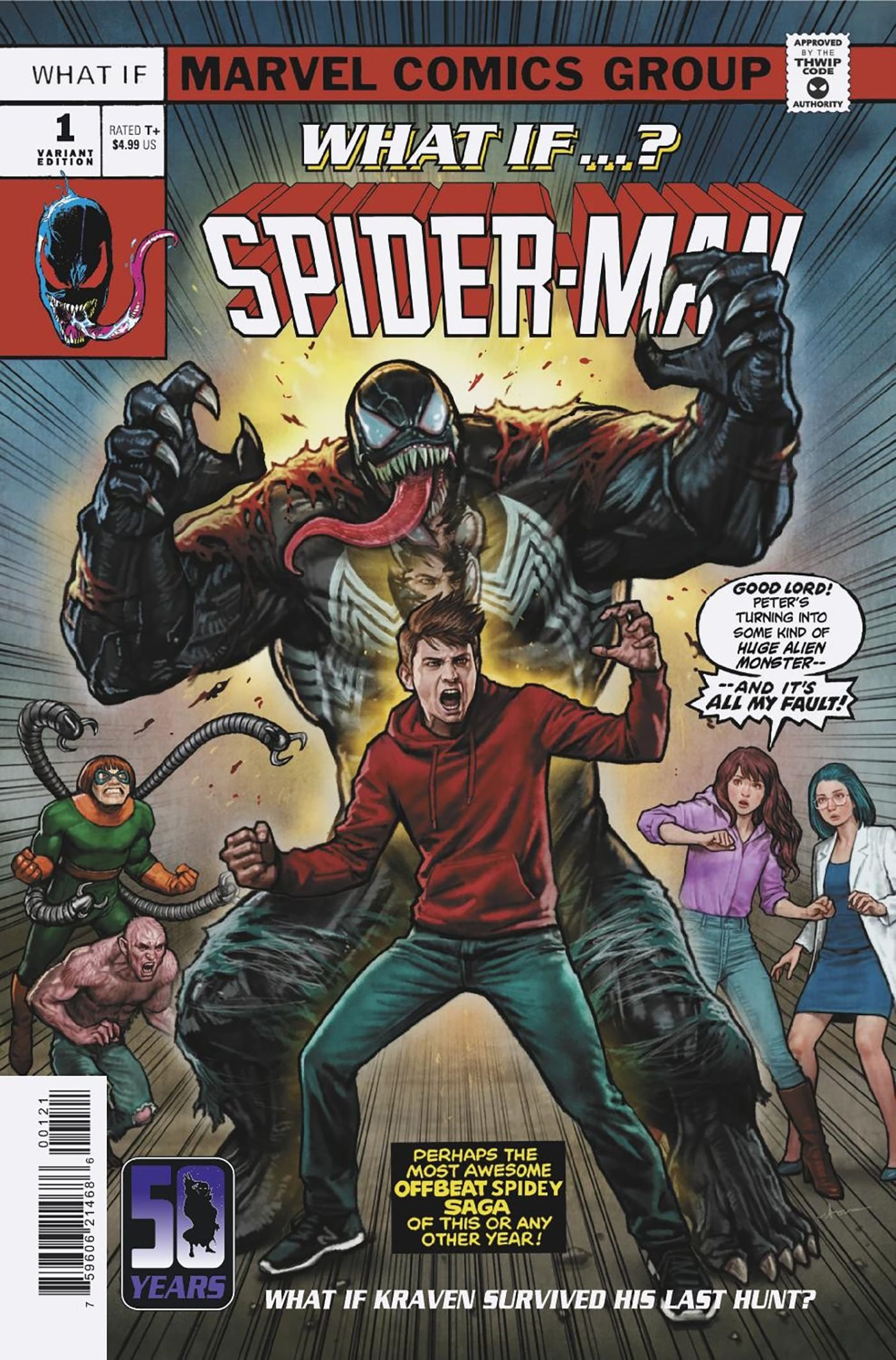
Writer: J.M. DeMatteis
Artist: Yıldıray Çınar
Colorist: Alex Sinclair
Letterer: Joe Caramagna
J.M. DeMatteis returns to one of the most celebrated Spider-Man stories ever produced and changes the outcome that defined it. Instead of Kraven the Hunter dying at the conclusion of “Kraven’s Last Hunt,” this alternate reality asks what happens if Kraven survives while Peter Parker remains mentally shattered, vulnerable, and open to the influence of an old enemy. Yıldıray Çınar provides the artwork, Alex Sinclair handles the colors, and Joe Caramagna supplies the lettering. The verified premise states that both Kraven and Peter will become “something more” before finally settling their conflict.
From a speculation standpoint, that wording is where the interest begins. Alternate-universe comics frequently introduce transformed versions of established characters that technically qualify as first appearances within their respective realities. Some disappear after one issue, while others eventually return because a strong design or unusual concept gives Marvel another character to place into a multiverse event. The cover presents a monstrous interpretation of Spider-Man, but collectors should confirm exactly how that form appears inside before assigning it a definitive key designation.
The involvement of DeMatteis gives this one-shot more historical weight than the average hypothetical detour. He co-wrote the original “Kraven’s Last Hunt,” meaning this is not an unrelated creative team borrowing the premise decades later. It is one of the story’s defining creators returning to alter the ending and examine an outcome that the original narrative deliberately prevented.
The possible debut of a substantially changed Peter Parker, Kraven, or another alternate character creates the immediate speculation hook. The larger question is whether Marvel treats those transformations as isolated ideas or characters with future potential. Alternate versions can be difficult to predict because continuity does not automatically protect them. However, Spider-Man variants remain highly marketable, and visually distinct versions tend to receive more attention than minor alternate-history changes.
Collectors should approach this as a concept-driven first issue with potential alternate first appearances, not as a guaranteed major key. If the issue assigns a new identity, costume, power set, or name to either Peter or Kraven, that distinction could become its strongest long-term attribute. The connection to an established Spider-Man classic adds another layer that may keep the issue relevant even if its new forms remain limited to this one-shot.
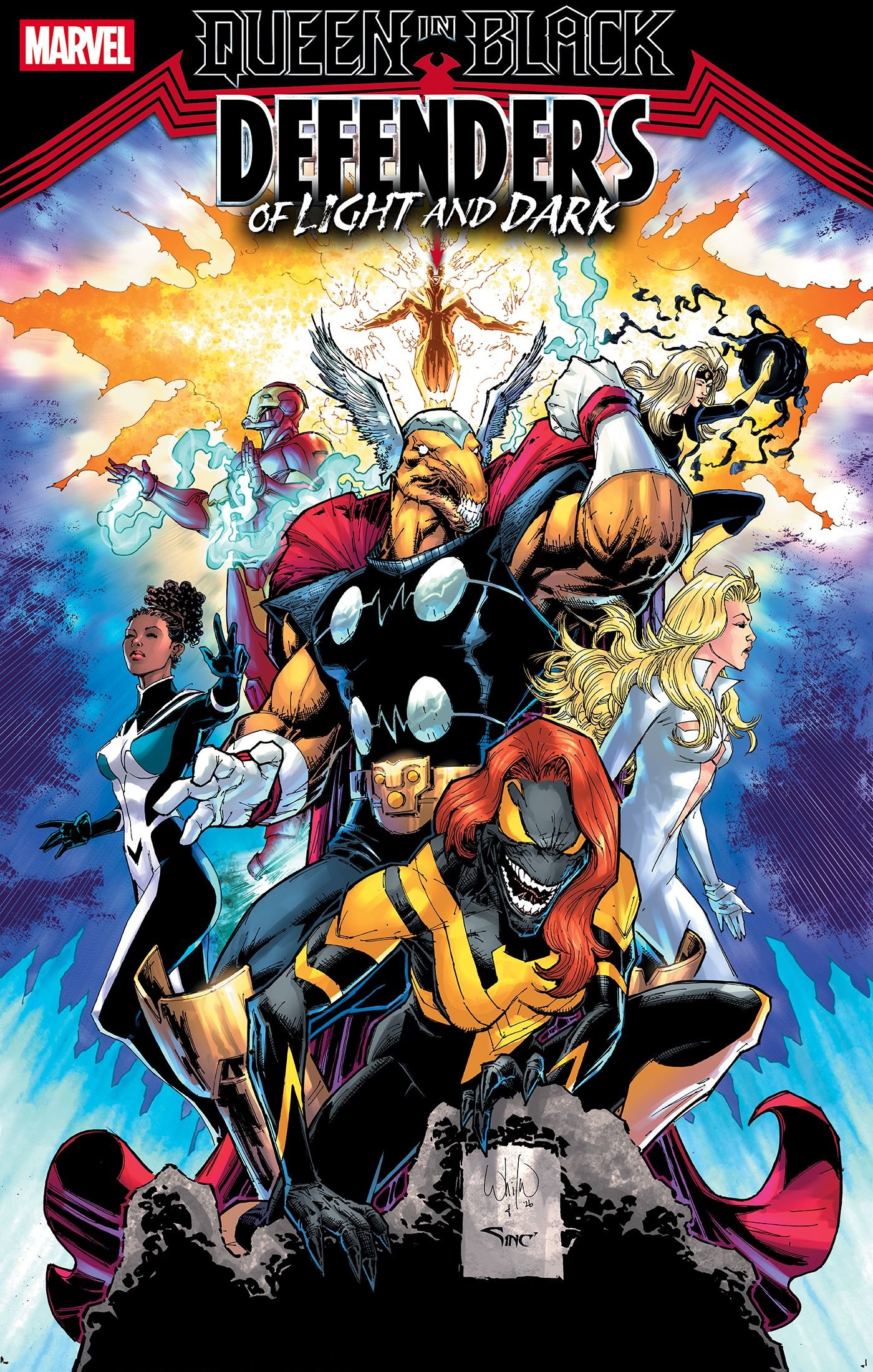 Queen in Black: Defenders of Light and Dark #1
Writer: Tom Waltz
Artist: Zé Carlos
Colorist: Rachelle Rosenberg
Letterer: Cory Petit
Hela has claimed Knull’s throne, Knull has taken control of the Lightforce Dimension, and Marvel has decided the reasonable response is to create two opposing defensive teams and give Tony Stark another dangerous suit of armor. Apparently, regular Iron Man armor was no longer sufficient for a cosmic war involving symbiotes, death gods, and competing versions of absolute darkness.
Tom Waltz and Zé Carlos launch this three-issue event tie-in with Beta Ray Bill as the only hero on Midgard who remembers Hela. While Bill organizes one group to counter the Queen in Black, Tony Stark assembles his own defense squad and introduces the all-new Black Metal Armor as a weapon against Knull. Marvel’s preview specifically identifies this as Tony Stark’s new armor and positions it as a major component of the mission that could decide the larger event.
The first appearance of Iron Man’s Black Metal Armor is the primary speculation target. Iron Man armor debuts form a distinct collecting category because the character’s history is built around technological progression. Not every new suit becomes an important market book, but named armor connected to a major event has more potential than a temporary visual adjustment appearing without explanation.
Collectors will need to determine whether this issue contains the armor’s first full interior appearance, its first named appearance, or simply another step in a rollout that began elsewhere. Those distinctions matter, particularly when publishers reveal designs through covers and promotional artwork before the armor formally enters the story. If the suit is activated, identified, and used extensively here, this issue should remain part of the Black Metal Armor’s key-comic conversation.
There is also potential surrounding the formation of the Defenders of Light and Dark. New team lineups can become collectible when they establish a continuing identity, although event-specific groups often vanish once the conflict ends. This series only runs three issues, so the market will likely place greater emphasis on the armor than on the team unless members receive new identities or remain together afterward.
This is one of the clearest key candidates in the Top 5 new key comics because it presents a named first involving one of Marvel’s most recognizable characters. The familiar warning still applies: a first appearance provides historical relevance, not an automatic promise of value. The armor’s design, function, continued use, and eventual place in Iron Man history will decide whether collectors keep searching for this issue after the Queen in Black event concludes.
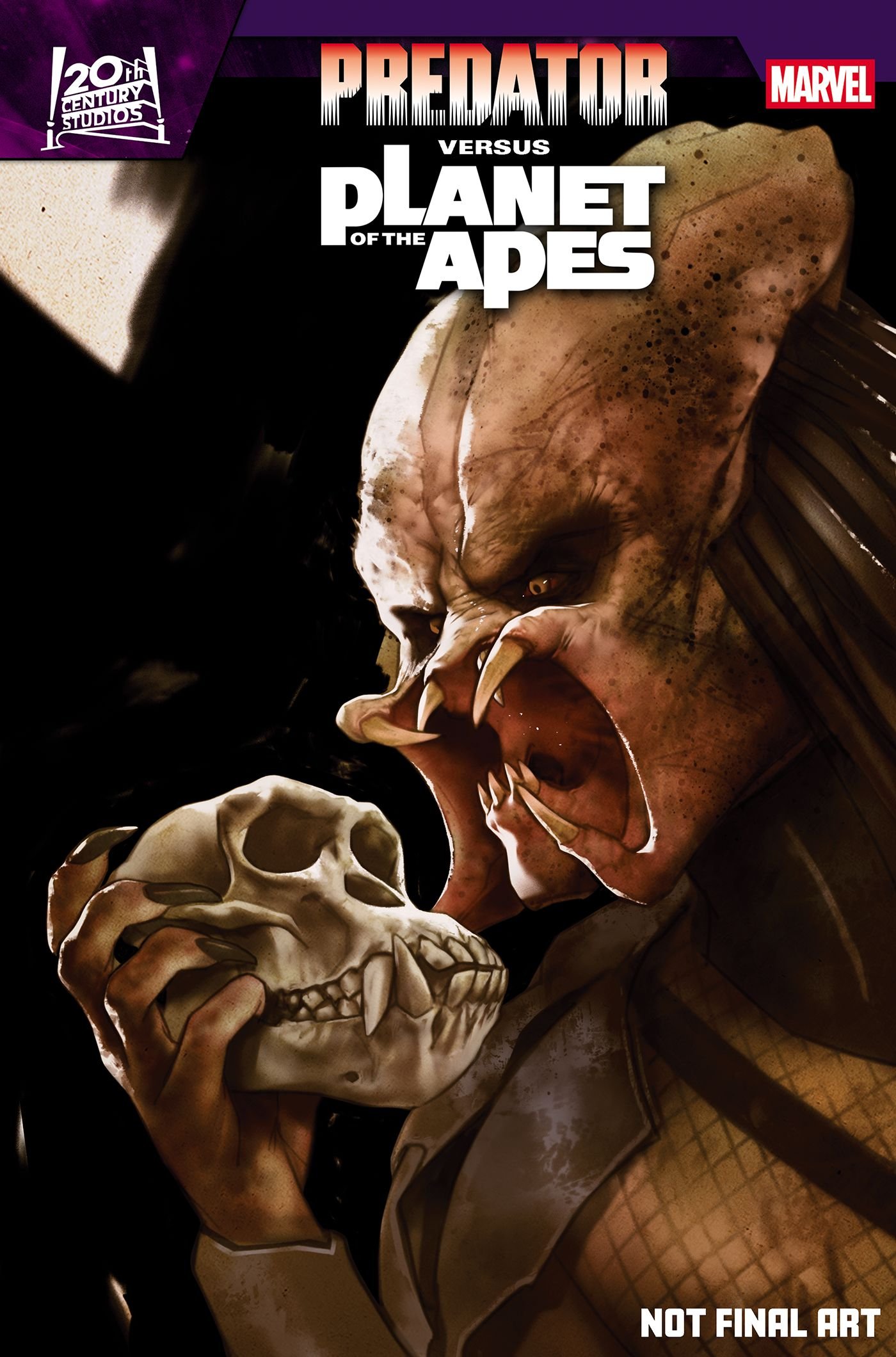 Predator vs. the Planet of the Apes #1
Writer: Greg Pak
Artist: Alan Robinson
Colorist: Espen Grundetjern
Letterer: Clayton Cowles
Two major science-fiction properties collide for the first time as Marvel launches a five-issue Predator and Planet of the Apes crossover. Greg Pak and Alan Robinson place the Yautja on the legendary Planet of the Apes, where astronaut Arch becomes trapped inside an ape society that treats humans as subservient. The arrival of the Predators turns the conflict into a three-way war between humans, apes, and Yautja.
The historical attraction is straightforward: this is the first official comic-book crossover between Predator and Planet of the Apes. First meetings between established licensed properties can retain collector interest even when they exist outside conventional superhero continuity. They represent a specific point in each franchise’s publication history that cannot be duplicated by later encounters. A second crossover may eventually happen, but it can never be the first one.
Licensed crossovers are their own peculiar area of speculation. Some develop strong aftermarket followings because the pairing becomes memorable, while others enjoy release-week attention and then quietly relocate to discount boxes. The difference usually comes down to availability, fan response, cover demand, and whether the concept feels natural enough to remain relevant. Predator hunting intelligent apes is certainly not the most strained crossover premise ever printed. Comic publishers have tested that boundary many times and somehow continue finding new boundaries to test.
Astronaut Arch is another character to monitor. If this issue marks Arch’s first full comic appearance rather than continuing material presented in the earlier promotional prelude, collectors may eventually distinguish between the preview and the standard series debut. Licensed comics often introduce original human characters who remain specific to the story, but those characters can gain importance if they return in sequels or become central to the franchise’s expanded mythology.
The five-issue format gives the concept room to establish new Yautja, ape characters, factions, weapons, or locations. Issue one receives the natural attention, but speculators should avoid assuming that every significant debut must occur in the premiere. Later issues with smaller orders can sometimes produce the more difficult books if a major character enters after casual buyers have left.
For now, the strongest reason to track Predator vs. the Planet of the Apes #1 is its status as the first meeting of two enduring film franchises. That is a clean, understandable historical distinction and exactly the kind of detail crossover collectors tend to appreciate.
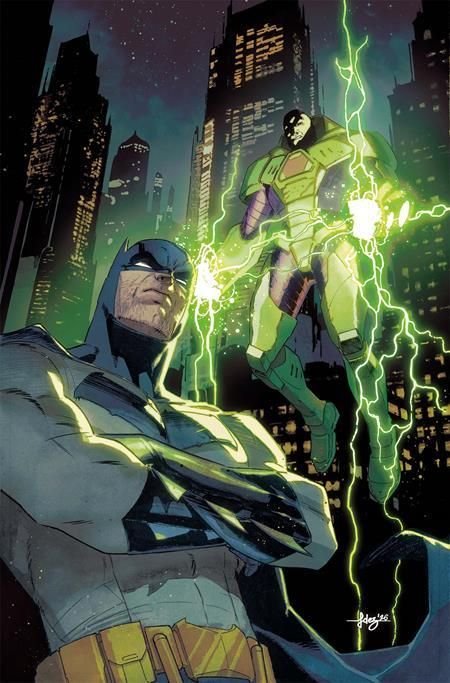 Justice League: Knight Vision Special #1
Writers: Mark Waid and Joshua Williamson
Artist: Miguel Mendonça
Colorist: Rómulo Fajardo Jr.
Letterer: Dave Sharpe
The Justice League’s decision to offer amnesty to selected villains has created an unexpected vacancy in the supervillain business. Naturally, someone sees that vacancy as a growth opportunity. Batman and Lex Luthor are forced into an uneasy partnership to investigate a Justice League enemy using the heroes’ visions of the future to create a dangerous new weapon.
Mark Waid and Joshua Williamson use this 48-page special to continue developments from DC K.O. while setting up new threats for the Justice League’s heroes and villains. DC’s published description calls it a crucial chapter in the All In Saga, which gives the issue greater potential significance than a disconnected one-shot.
The key-comic interest centers on the new weapon, the future consequences of the villain-amnesty program, and any new character or altered identity introduced during the investigation. The villain at the center of the conflict appears to be Prometheus, who already possesses an established comic history, so collectors should not mistake his involvement for a first appearance. The more relevant question is whether Prometheus adopts a new status, technology, or role capable of carrying forward into the Justice League titles.
Batman and Lex Luthor working together also gives the issue a strong character pairing. They are two of the DC Universe’s most calculating minds, although only one of them usually admits to being the smartest person in the room before explaining it at considerable length. Their temporary alliance provides an opportunity to establish technology or strategy that could resurface later, especially when the story explicitly connects to visions of the DC Universe’s future.
Specials tied to large events are inconsistent speculation targets. Some quietly contain the first appearance or origin of a development that becomes central months later. Others provide connective material that loses urgency once the main storyline moves forward. The 48-page format, the involvement of Waid and Williamson, and DC’s promise of new threats give this issue enough substance to merit attention.
Collectors should examine the final pages carefully. Event-related specials frequently use their conclusions to introduce the next villain, reveal a new weapon, or establish the direction of an upcoming storyline. If Justice League: Knight Vision Special #1 delivers one of those developments, it could become a book that initially looks secondary but grows more relevant as the All In Saga continues.
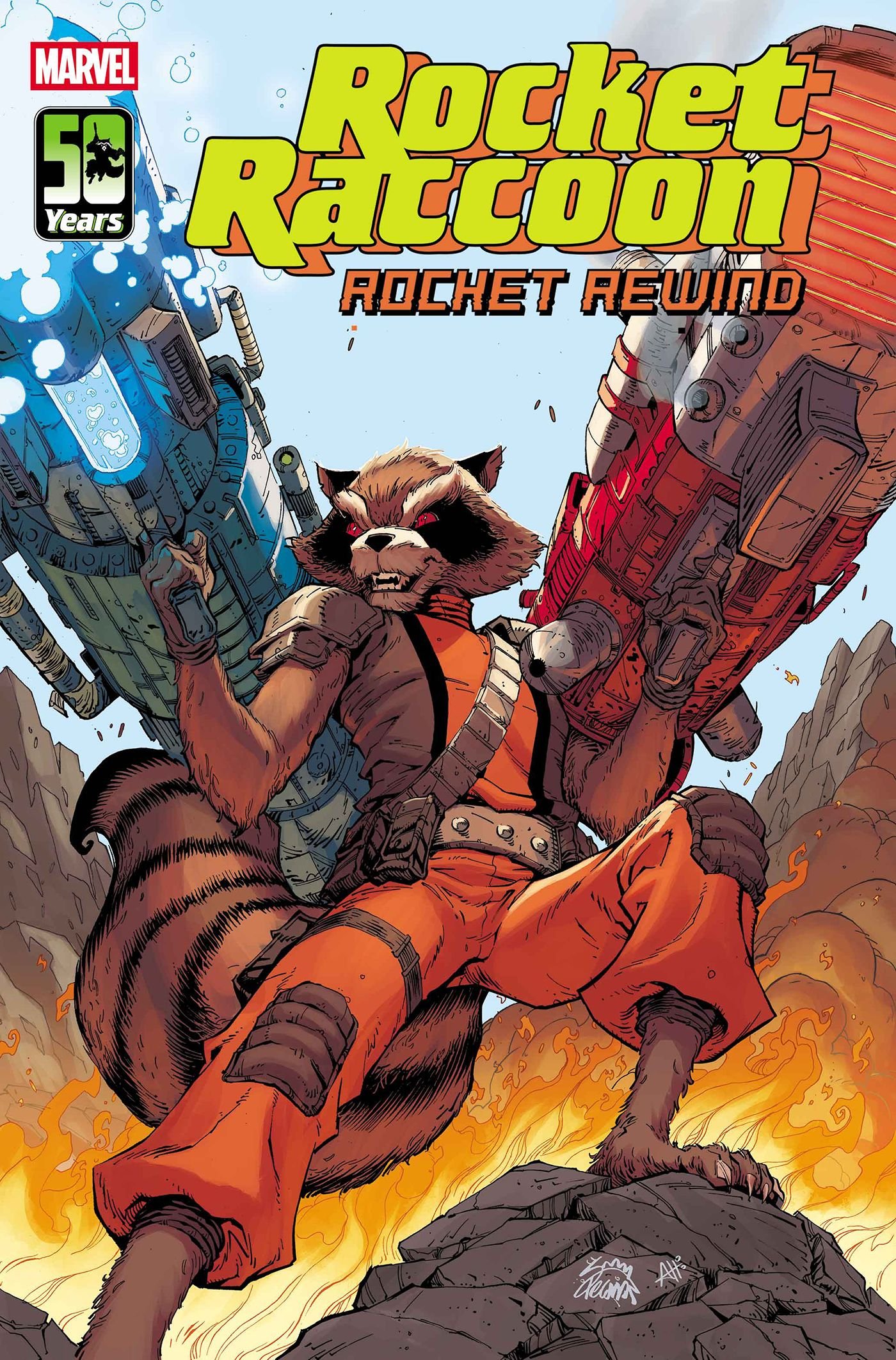 Rocket Raccoon: Rocket Rewind #1
Writers: MacKenzie Cadenhead, J.M. DeMatteis, and Christos Gage
Artists: Enid Balám, Shawn McManus, and Todd Nauck
Colorists: Luis Guerrero, Rachelle Rosenberg, and Fer Sifuentes
Letterer: Cory Petit
Marvel celebrates Rocket Raccoon’s fiftieth anniversary with a collection of new stories, a new team-up involving Rocky Raccoon, and a presentation of the historic tale that launched Rocket’s comic-book history.
Anniversary specials require a little extra discipline from speculators because they frequently combine new material with reprinted content. A reproduction of an important first appearance does not become another original first appearance simply because it is placed inside a new cover. The market knows the difference, even when an online seller’s title mysteriously develops temporary amnesia.
The new material is what matters. Rocket’s team-up with Rocky Raccoon could provide the issue’s most unusual first. Collectors should confirm whether Rocky is introduced as an original Marvel character, an alternate counterpart, a joke with limited narrative importance, or something capable of returning. If the character receives a defined identity and substantial role, this anniversary special could carry a legitimate first-appearance angle beyond its commemorative purpose.
Rocket Raccoon has become one of Marvel’s most recognizable cosmic characters because of the Guardians of the Galaxy films, but his solo comics remain a much smaller collecting area than Spider-Man, Batman, or the X-Men. That smaller market can work in either direction. Demand may remain limited, but print orders and surviving high-grade copies can also be lower than those of Marvel’s largest franchises.
The combination of new stories and historical material makes this a broad celebration rather than the beginning of an ongoing series. Its long-term speculation potential will depend heavily on what happens in the new stories. A memorable new supporting character, weapon, costume, or relationship could give the issue lasting importance. Without one, it will primarily remain an attractive anniversary book for Rocket Raccoon and Guardians collectors.
That is still a valid collecting reason. Every comic does not need to become a major market key to deserve a place in a focused collection. The important part is distinguishing a commemorative purchase from a speculative first appearance before paying a price based on the wrong assumption.
Top 5 New Key Comics 7-29-26
-Jay Katz