
 Top 5 New Key Comics This Week 7-22-26
LAST WEEK’S Top 5 New Key Comics 7-15-26
My first book, The Beginner’s Guide to Comic Investing: How to Spot Trends in Comics Before Everyone Else, offers practical insight for anyone looking to better understand comic speculation, recognize developing trends, and make smarter collecting decisions before the market catches up. ➡️ Available now on Amazon and Kindle eBook.
Clicking any red-highlighted link or comic book cover may direct you to eBay or another third-party marketplace where the item may be available for purchase. Please use your own judgment before buying. Always review the seller’s rating, feedback, item description, photos, shipping terms, and return policy before completing any transaction. InvestComics does not sell these items directly, does not control third-party listings, and is not responsible for any transaction, seller, product condition, shipping issue, refund, or dispute. InvestComics does not endorse any individual seller or listing. InvestComics participates in the eBay Partner Network and may receive compensation from qualifying purchases made through affiliate links on this site.
Teenage Mutant Ninja Turtles #20: 300th Issue Special
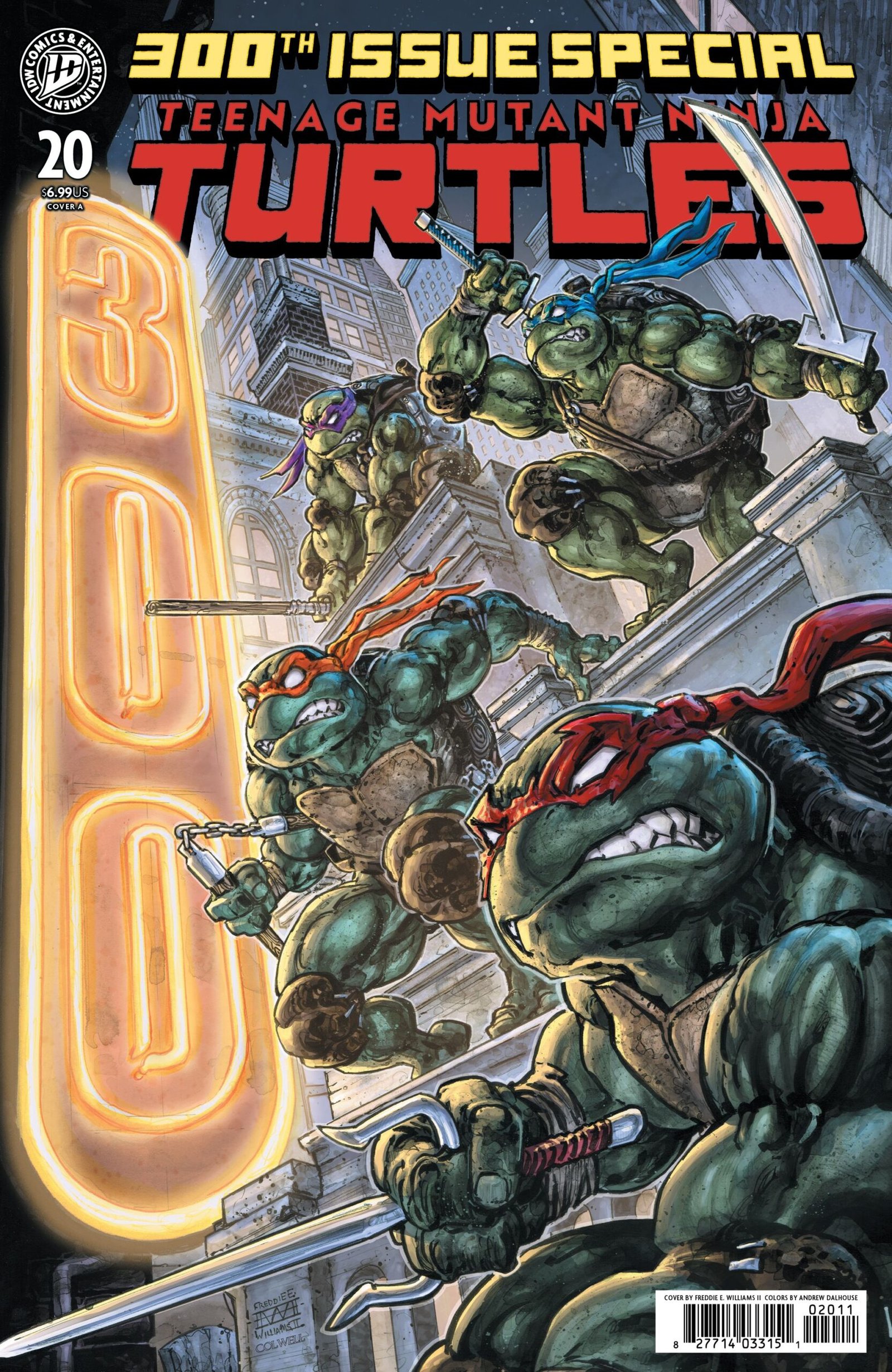 Creators: Gene Luen Yang – writer; Fero Pe – artist; Kevin Eastman – writer and artist; Tom Waltz – writer; Freddie E. Williams II – cover artist; Andrew Dalhouse – cover colorist; Shawn Lee – letterer.
Three hundred issues represent something far more substantial than an oversized number printed across a cover. Teenage Mutant Ninja Turtles #20: 300th Issue Special recognizes the franchise’s 300th primary comic-book issue while continuing the current IDW series and providing material from creators closely connected to different periods of TMNT history.
Gene Luen Yang and Fero Pe guide the main storyline as the reunited Hamato Clan faces a threat capable of damaging the boundary between the living and the dead. That supernatural direction is positioned to establish the next major stage of the series, making this more than a retrospective anniversary package. Any new alliance, transformation, resurrection or character introduced through this conflict could give the issue additional key-comic importance beyond its already permanent milestone status.
The involvement of Kevin Eastman and Tom Waltz adds historical weight. Eastman is one of the original creators of the Teenage Mutant Ninja Turtles, while Waltz helped shape the first 100 issues of IDW’s previous ongoing series. Their backup contribution connects the franchise’s beginnings with its modern continuity, which is precisely the kind of creative combination anniversary collectors tend to notice.
On the speculation side, the milestone itself is the clearest attraction. Anniversary issues do not automatically become scarce, particularly when publishers celebrate them with enough variants to require their own filing cabinet. However, a franchise as durable as TMNT gives the 300th issue a significance that cannot be duplicated later. Incentive variants ranging from comparatively accessible ratios to extremely limited editions will create separate collector markets, but the regular cover remains the straightforward historical entry point. The Freddie E. Williams II cover shown here directly announces the 300th-issue celebration, giving it an immediate visual connection to the milestone.
Queen in Black #1
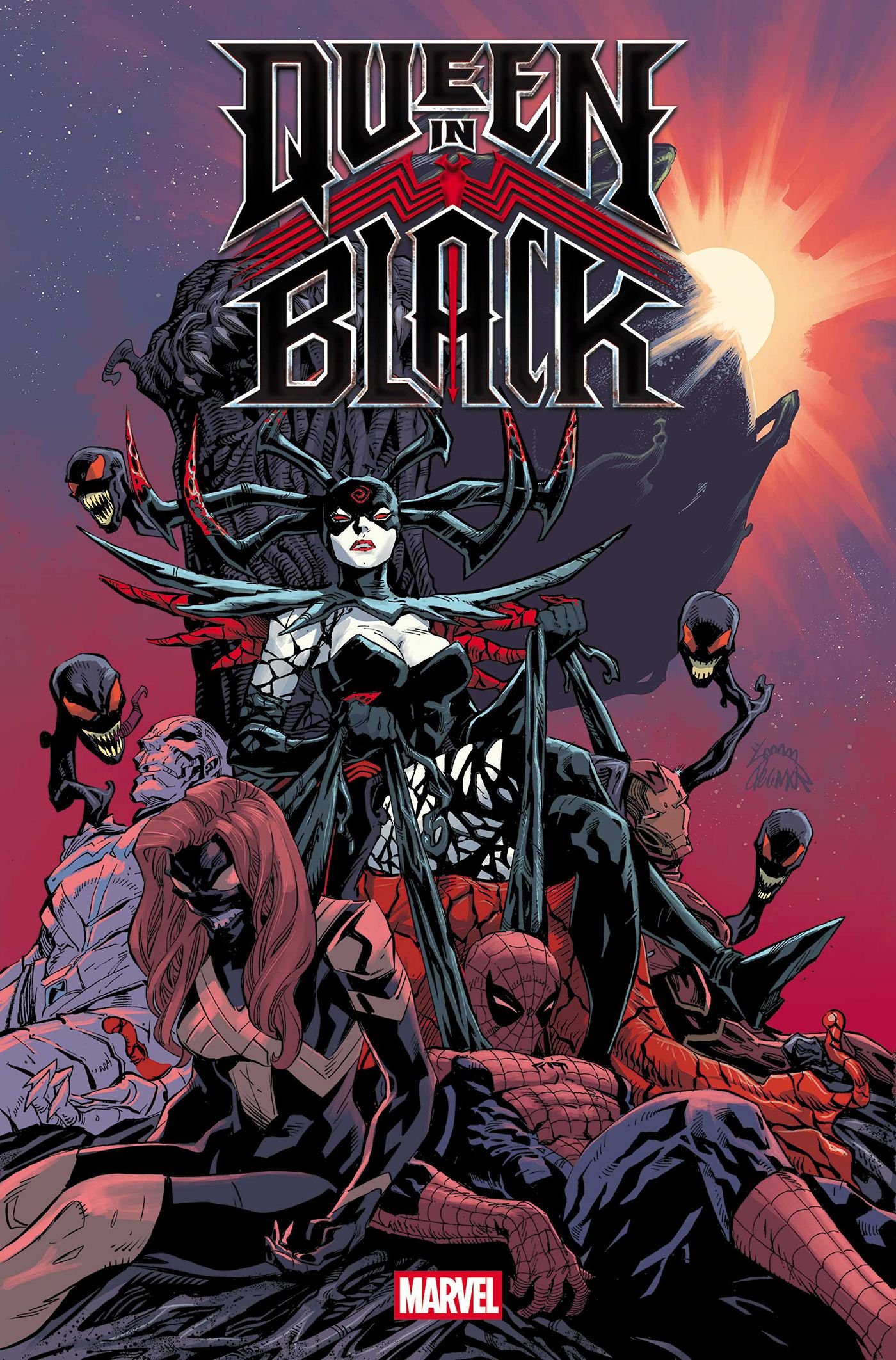 Creators: Al Ewing – writer; Iban Coello – artist and inker; Frank Martin – colorist; Clayton Cowles – letterer.
Marvel’s symbiote mythology enters another large-scale event with Queen in Black #1, placing Hela and Knull on opposing sides of a cosmic war. Al Ewing and Iban Coello reunite after Venom War to launch a five-issue series that builds directly upon major developments involving Knull, Hela and the wider symbiote universe.
Knull is assembling a new force at the edge of the solar system, but Hela has already arrived with her own legion of deadly symbiotes. Caught between them is the Son of Venom, providing the series with an important character whose development deserves close attention. A title like Queen in Black is not exactly whispering that the status quo will remain comfortable.
From a key-comic perspective, an event-opening issue is where collectors should monitor new symbiotes, altered forms, previously unseen armies and any character who assumes a new identity. Marvel’s symbiote line has produced a long list of characters that generated fast speculation, although the aftermarket has also demonstrated how quickly enthusiasm can disappear when an introduction lacks meaningful follow-through. The opening chapter must establish enough lasting mythology to distinguish itself from the mountain of symbiote debuts already occupying collection boxes.
The direct confrontation between Hela and Knull also gives this series a broader reach than a routine Venom storyline. It connects Asgardian mythology, cosmic Marvel and the symbiote corner of the universe. If the Queen in Black identity becomes a lasting component of Hela’s history, this first issue will remain the natural starting point. The extensive variant program may divide attention, but the standard first issue is still the foundational book. As one of the Top 5 new key comics this week, its long-term case rests on whether Marvel treats this as a temporary event title or the beginning of a durable new status quo.
Gambit: Wanted #1
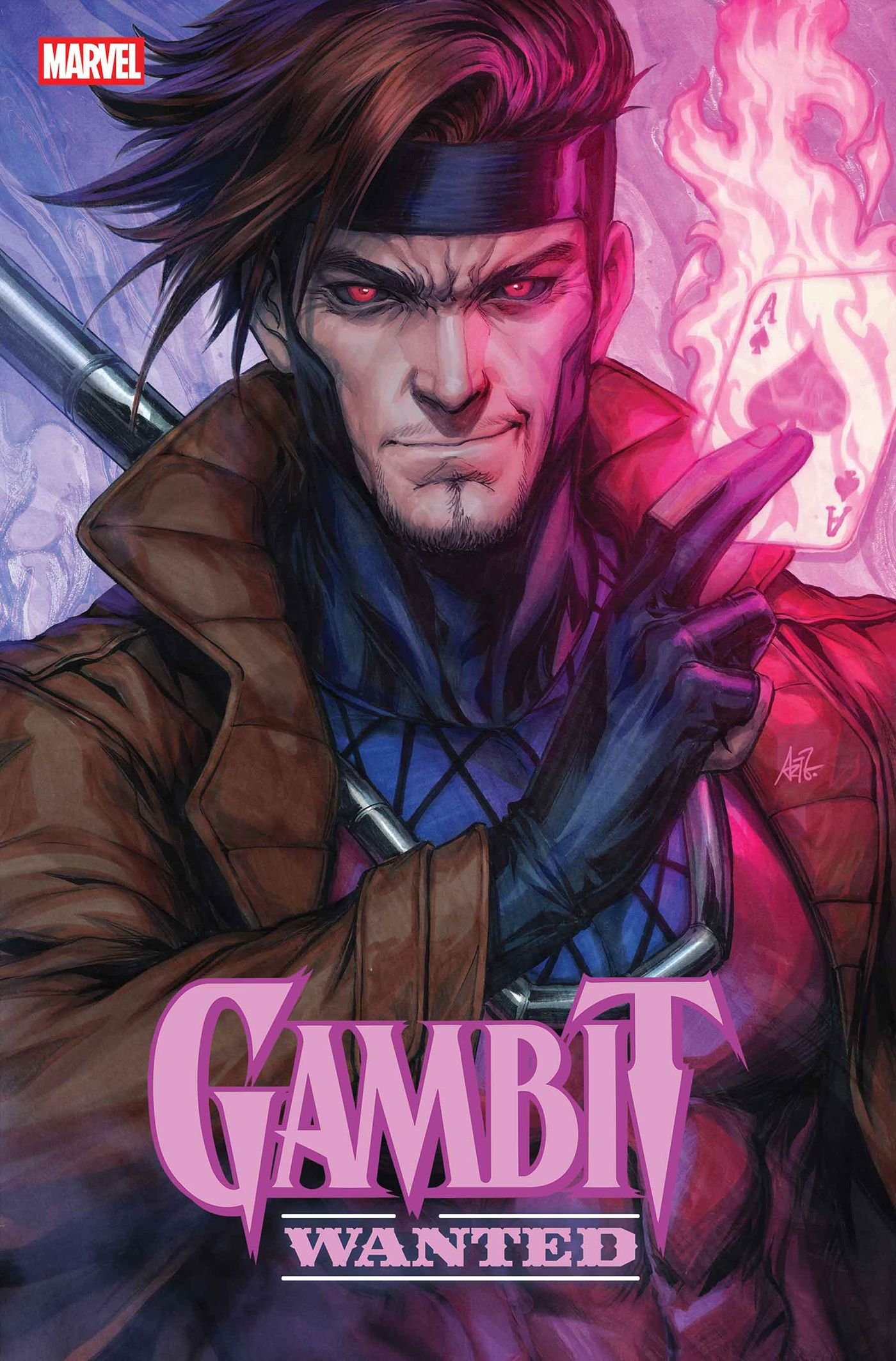 Creators: Chris Claremont – writer; Robert Gill – artist; Bryan Valenza – colorist; Ariana Maher – letterer.
Chris Claremont returns to a character he helped create with Gambit: Wanted #1, the opening chapter of a five-issue limited series set during an important missing period in Remy LeBeau’s history. The story takes place around the time Gambit returned a de-aged Storm to what remained of the X-Men and examines how he first became connected to the team.
This is not Gambit receiving a newly rewritten origin for the sake of producing another number one. The speculative attraction comes from Claremont adding material to a formative chapter he originally helped establish. Untold-history stories can be difficult for collectors to evaluate because they take place in the past while being published in the present. Nevertheless, new characters, villains or previously unrevealed encounters introduced here still make their first comic appearances in this series, regardless of where the events fall within Marvel chronology.
Someone is targeting mutants in New Orleans, placing Gambit at the center of a deadly trial involving a familiar Marvel villain and newly introduced enemies. The New Orleans setting naturally reconnects Remy with the criminal world that shaped him, while the focus on his earliest X-Men period gives the series relevance beyond another independent Gambit assignment. Robert Gill’s artwork and Bryan Valenza’s colors provide a new visual interpretation of that chapter without attempting to imitate the original era panel for panel.
Gambit has maintained one of the strongest individual followings among the X-Men, which gives his solo launches a dependable base of collector attention. That does not mean every Gambit number one eventually becomes a major aftermarket book. What separates this issue is Claremont’s direct connection to the character and the possibility of expanding Gambit’s established history with new adversaries or overlooked events. Any important introduction that survives beyond the limited series could raise the significance of this opening chapter.
Godzilla Conquers the Multiverse #1
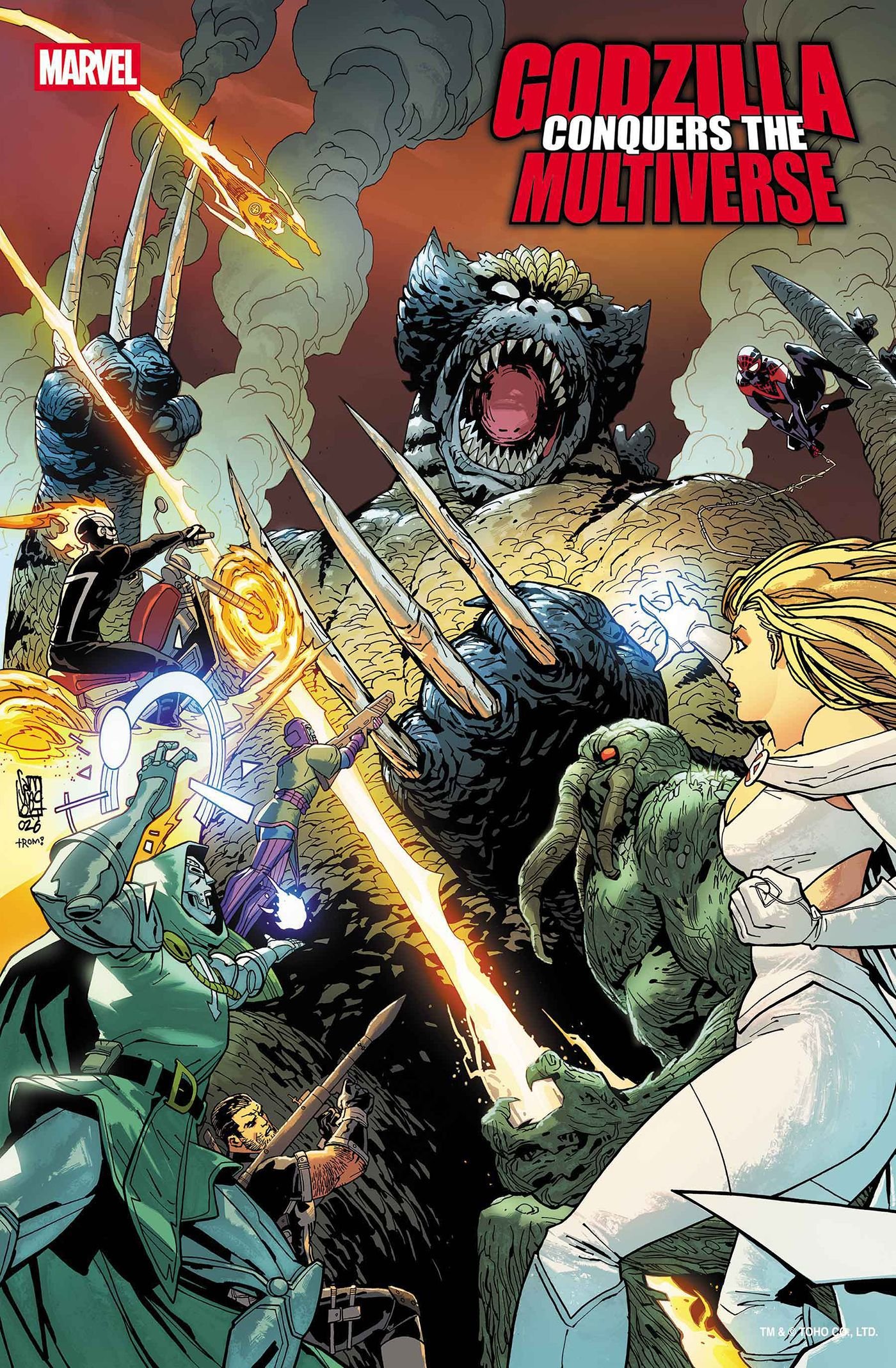 Creators: Gerry Duggan – writer; Javier Garrón – artist; Morry Hollowell – colorist; Travis Lanham – letterer.
The King of the Monsters moves from destroying individual cities to threatening entire realities in Godzilla Conquers the Multiverse #1. Gerry Duggan and Javier Garrón launch a Marvel series that places different incarnations of Godzilla across the Multiverse, opening the door to matchups and combinations that ordinarily could not occupy the same continuity.
The first issue centers on the possibilities created when Godzilla becomes a multiversal force rather than a creature confined to one universe. Multiple versions of the character provide obvious spectacle, but the collecting angle depends on whether the series introduces original incarnations, new transformations or a distinct Marvel-specific Godzilla that can be identified with this title. A first appearance does not need to be human-sized, friendly or capable of entering a building without removing the roof.
Godzilla’s comic-book history spans multiple publishers and several decades, giving the franchise an audience beyond traditional Marvel collectors. That crossover interest can help a launch, especially when the concept is designed around alternate realities. Multiverse stories also create plenty of opportunities for visually distinctive versions that may later generate demand if one becomes popular, reappears elsewhere or receives merchandise.
The downside is obvious: Marvel has trained collectors to expect new variations of established characters almost weekly. A new Godzilla form will need more than an interesting design and a dramatic introduction to retain importance. The standard first issue nevertheless remains the origin point for this specific multiversal concept, while Javier Garrón’s interior artwork supplies the scale required for it. Among the Top 5 new key comics this week, this may carry the widest crossover appeal, particularly for collectors who follow both Marvel and kaiju properties.
Spider-Man: Long Way Home #2
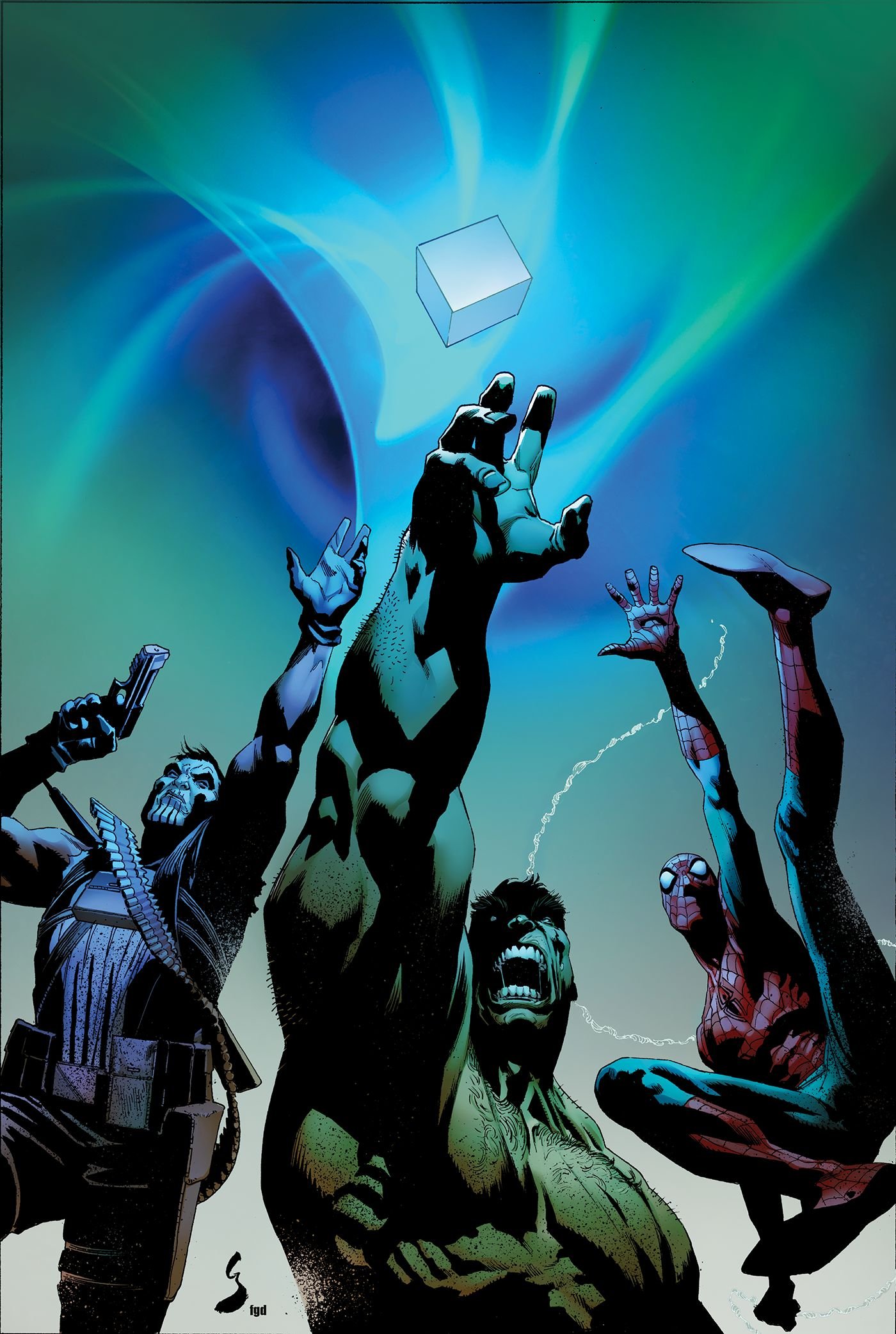 Creators: Jonathan Hickman – writer; Adam Kubert – artist; Frank Martin – colorist; Cory Petit – letterer.
Jonathan Hickman and Adam Kubert continue their standalone Spider-Man, Hulk and Punisher story with Spider-Man: Long Way Home #2. The series operates outside the restrictions of Marvel’s primary continuity, allowing familiar characters and concepts to be rearranged without requiring several decades of editorial explanations before anyone throws the first punch.
Spider-Man, Hulk and Punisher are caught in a race involving A.I.M. and a newly developed Cosmic Cube. In this reality, Hulk remains closer to a rumor than an established hero, while Punisher has not yet fully become the figure collectors recognize. Issue two moves beyond the setup and into the consequences of placing three radically different personalities around an object capable of rewriting reality.
Second issues are frequently overlooked when the first chapter receives heavy ordering and promotional attention. That pattern makes them worth examining whenever a series introduces an important character, transformation or revelation after the debut. If this chapter establishes a distinctive version of Hulk, Punisher, Spider-Man or the Cosmic Cube, issue two could eventually carry more key significance than the heavily ordered first installment.
The lack of main-continuity status may reduce immediate speculation, but alternate-universe characters have repeatedly demonstrated that their original worlds do not prevent them from returning. Marvel’s Multiverse is very good at finding a reason to reuse a popular idea. Hickman’s involvement adds another layer of collector interest because his standalone concepts frequently receive long-term attention, while Kubert’s artwork gives this limited series a strong visual identity. This is the quiet selection among the Top 5 new key comics this week, and quiet books have a habit of becoming much louder once people realize they skipped them.
-Jay Katz