
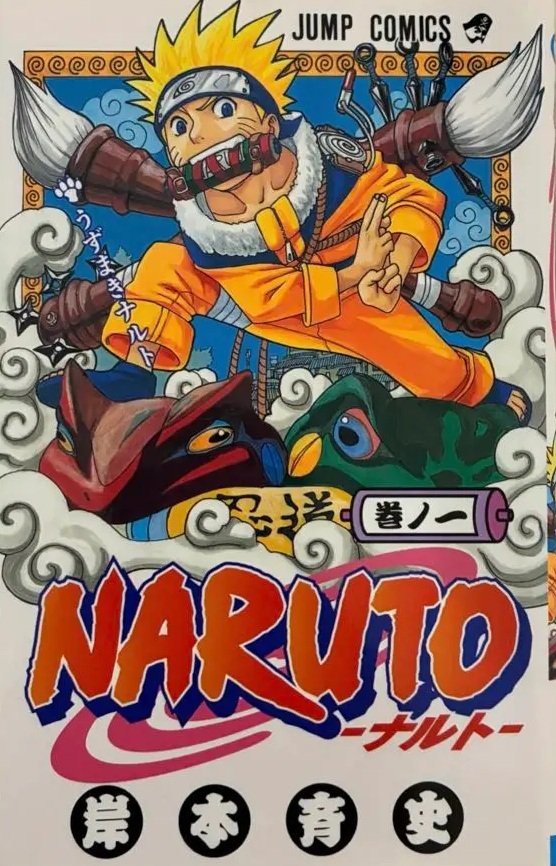
 Naruto Vol. 1 Manga: A Major Investment Before the Movie?
Naruto Vol. 1 Japanese First Printing (2000)
Creator, writer and artist: Masashi Kishimoto
Original editor: Kosuke Yahagi
Publisher: Shueisha
Original serialization: Weekly Shonen Jump
Imprint: Jump Comics
Clicking any red-highlighted link or comic book cover may direct you to eBay or another third-party marketplace where the item may be available for purchase. Please use your own judgment before buying. Always review the seller’s rating, feedback, item description, photos, shipping terms, and return policy before completing any transaction. InvestComics does not sell these items directly, does not control third-party listings, and is not responsible for any transaction, seller, product condition, shipping issue, refund, or dispute. InvestComics does not endorse any individual seller or listing. InvestComics participates in the eBay Partner Network and may receive compensation from qualifying purchases made through affiliate links on this site.
With Lionsgate moving forward on its live-action Naruto film and production expected to begin in the first half of 2027, it may be time to put some money behind a book that could either deliver serious dividends or simply remain the major manga collectible it already is. For the speculator, that creates something close to a win-win situation.
Masashi Kishimoto’s Naruto debuted in Weekly Shonen Jump in September 1999. Shueisha released the first Japanese collected volume under its Jump Comics imprint on March 3, 2000. That distinction matters: Naruto, Vol. 1 is not technically Naruto’s first comic appearance—that occurred in Weekly Shonen Jump—but the Japanese first printing is the first collected edition of the series and one of its most recognizable cornerstone collectibles. The original obi advertising band makes a complete copy even more desirable. The manga eventually reached 72 volumes and has more than 250 million copies in circulation worldwide, establishing Naruto as one of the best-selling manga franchises ever created.
A recently reported sale of a Beckett-graded 9.4 first printing reached $16,500. Another reported sale of a lower-graded 9.2 reached $18,000. Those results demonstrate both the tremendous demand surrounding this book and the still-developing nature of the graded-manga market. When a 9.2 sells for more than a 9.4, we are not looking at an orderly price guide. We are looking at limited supply, motivated buyers and a market still trying to decide exactly what its premium copies are worth.
That volatility should not automatically be viewed as a negative. This book has remained desirable because Naruto is a worldwide brand supported by millions of fans. High-grade sales may jump around, but buyers have already demonstrated a willingness to spend thousands of dollars for authenticated first-print copies.
One notable detail is that the known graded examples have primarily appeared in Beckett Manga holders. Beckett’s manga-grading service is currently paused, which leaves raw-copy buyers without an immediate path to submit their books through the company. That pause affects market liquidity, but it does not change the historical importance or scarcity of a legitimate first printing with its original obi. Beckett Manga Grading
Buying a raw copy can therefore be tricky. You must consider page condition, spine wear, printing identification, the condition and authenticity of the obi, and the inability to send the book directly to Beckett right now. An already-graded example removes several of those concerns and places the buyer right at the castle door. There is no waiting to see when Beckett will reopen manga submissions—or whether another major grading company will establish itself in this category.
Raw asking prices can range from approximately $500 to $1,000 or more, depending on condition, completeness and the seller’s knowledge of the market. Asking prices are not completed sales, however, so every copy needs to be evaluated carefully. A legitimate first printing with a clean interior, strong spine and original obi deserves a much different valuation than an incomplete or heavily worn copy.
Here is the bottom line: this is a book worth targeting at the right price. If you secure an acceptable raw copy for several hundred dollars, the live-action film could introduce another wave of collectors and speculators to the Japanese first printing. If the movie becomes a worldwide hit, doubling that investment is hardly an outrageous possibility. If the adaptation fails, you still own the first collected volume of one of the most successful manga franchises in history.
The graded books remain the clearest play for anyone with serious money to spend. High-grade supply is limited, the book is already established, and the film provides a possible catalyst. The keyword is possible. Lionsgate has not announced a theatrical release date, although Destin Daniel Cretton is attached to write and direct, with filming reportedly targeted for the first half of 2027.
A bad adaptation will not erase decades of loyalty to Naruto Uzumaki. A disappointing Spider-Man movie does not suddenly eliminate demand for Amazing Fantasy #15. The same principle applies here. Characters with genuine generational reach eventually become larger than any single movie, television series or animated project.
Look at Black Adam. One unsuccessful film did not erase the significance of the character’s 1945 debut in The Marvel Family #1. Serious collectors still recognize the importance of that book. Dwayne who?
I see genuine upside for Naruto, Vol. 1, with the possibility of elite high-grade copies eventually approaching or even breaking the $40,000 ceiling. That prediction depends heavily on scarcity, confirmed sales and the quality and popularity of Lionsgate’s film. Without a major live-action boost, the book may simply continue appreciating steadily as the manga-collecting market matures.
That would not be a bad outcome either. Speculation is not about hype. It is about awareness.
-Jay Katz