
Top 5 New Key Comics 9-9-26
 New Books from Jay Katz of InvestComics
Jay Katz of InvestComics now has three comic-themed books available on Amazon: The Beginner’s Guide to Comic Investing: How to Spot Trends in Comics Before Everyone Else, The Ultimate Comic Book Word Search, and The Ultimate Comic Crossword Puzzle. Whether you want to sharpen your speculation instincts or test your comic knowledge, all three books are available in one place.
 View all three books on Amazon
LAST WEEK’S Top 5 New Key Comics 9-2-26
Clicking any red-highlighted link or comic book cover may direct you to eBay or another third-party marketplace where the item may be available for purchase. Please use your own judgment before buying. Always review the seller’s rating, feedback, item description, photos, shipping terms, and return policy before completing any transaction. InvestComics does not sell these items directly, does not control third-party listings, and is not responsible for any transaction, seller, product condition, shipping issue, refund, or dispute. InvestComics does not endorse any individual seller or listing. InvestComics participates in the eBay Partner Network and may receive compensation from qualifying purchases made through affiliate links on this site.
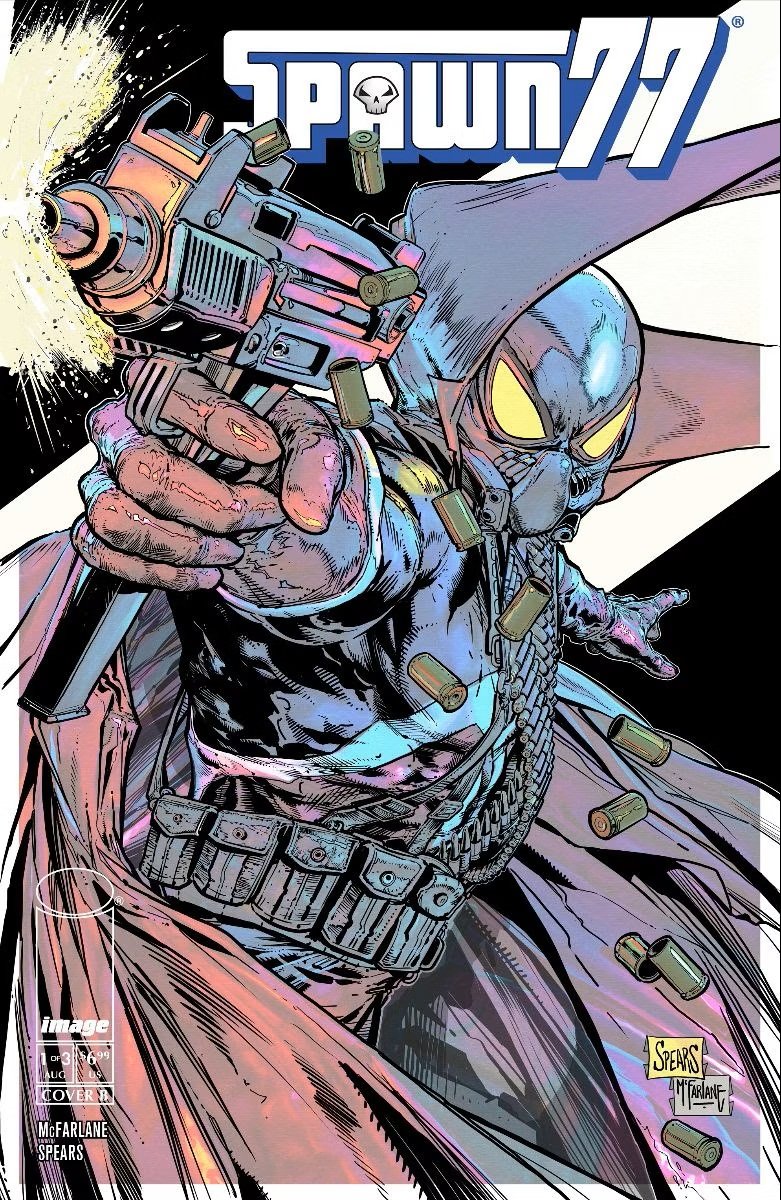 Spawn ’77 #1
Creators: Writers Todd McFarlane and Mark Spears. Artist Mark Spears.
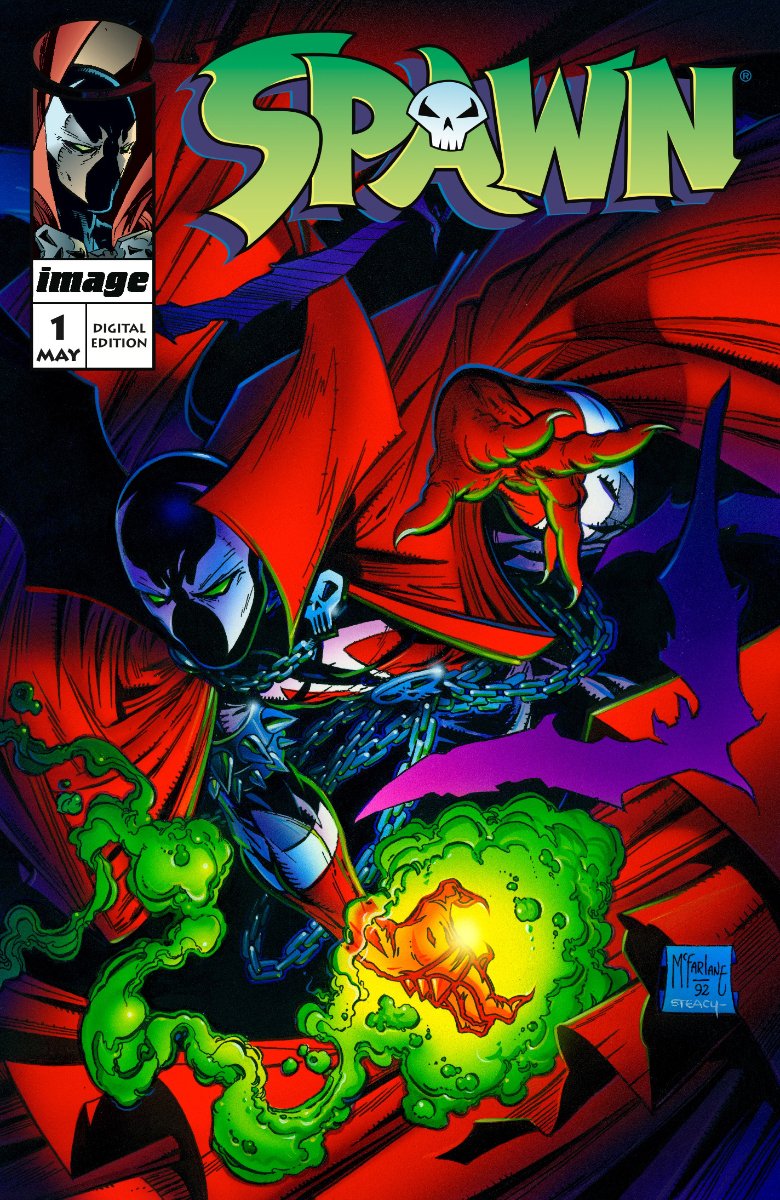
There is very little need to manufacture a speculative angle for Spawn ’77 #1 because Image Comics has already supplied a legitimate one. Todd McFarlane originally conceived the earliest version of Spawn in 1977 when he was 16 years old, long before Image Comics, Spawn #1, Al Simmons, the Violator, Malebolgia or the enormous publishing and merchandising machine that eventually followed. Spawn ’77 #1 marks the first official comic-book appearance of that original 1977 Spawn design. That distinction matters because it is important not to incorrectly call this the first appearance of Spawn in general. Spawn #1 from 1992 remains the historical publishing cornerstone that launched McFarlane’s character and the ongoing series. Spawn ’77 #1 is something different. It takes the prototype concept that predates the familiar published version and finally establishes it inside an official comic. For speculation purposes, that creates a very specific first that is easy to explain and document, which is usually preferable to trying to convince collectors that a slightly altered shoulder pad constitutes an entirely new character. There is another layer here as well. Image has stated that the series introduces a completely new character and story rooted in Spawn mythology. The advance information has not identified that new character by name, so this is exactly where restraint becomes useful. There is no reason to invent a key designation before the character is actually established. If that introduction develops into a recurring Spawn Universe player, however, Spawn ’77 #1 could end up carrying more than one first-appearance notation. Mark Spears adds another “first” to the equation by providing fully painted interiors in what Image identifies as his Spawn Universe interior-art debut. Spears has built considerable attention through his cover work and Mark Spears Monsters, so having him co-write the project with McFarlane and handle the interior artwork adds an art-collecting component beyond the Spawn history. From a back-issue standpoint, Spawn #1 remains the obvious book to place beside this one. One represents the commercial beginning of Spawn as the world knows him; the other represents the comic-book arrival of McFarlane’s original teenage concept almost half a century later. That is a much cleaner collector relationship than randomly dragging an unrelated Spawn issue into the conversation simply because it has a low print run. There is also an extensive variant program surrounding the launch, including McFarlane and Spears artwork and high-ratio signed editions. Those may create their own collecting market, but a ratio number printed beside a cover is not a magical value generator. The fundamental reason Spawn ’77 #1 belongs among the Top 5 New Key Comics This Week is inside the concept itself: an officially recognized first comic appearance of the Spawn design that existed before Spawn became Spawn.
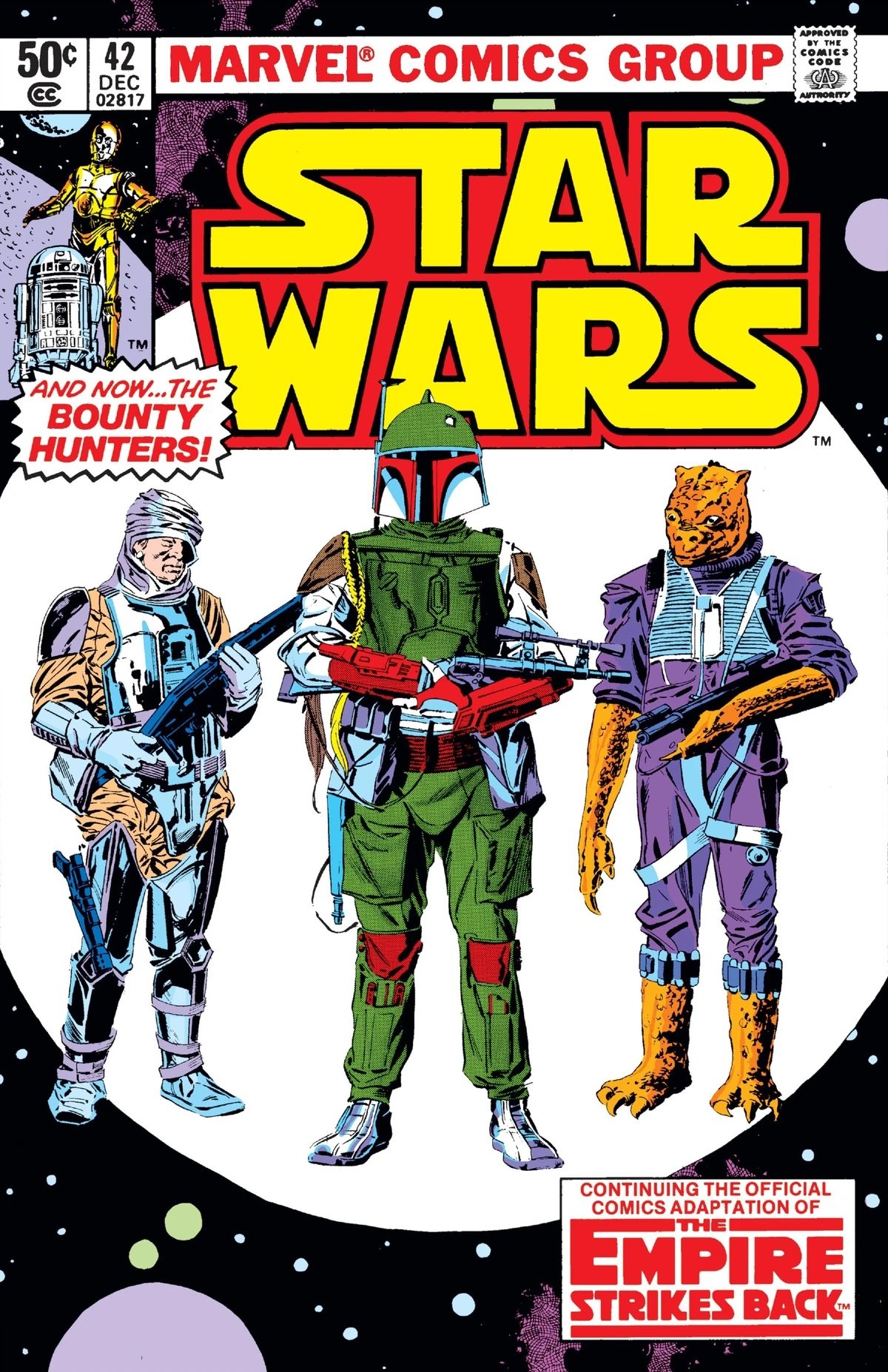
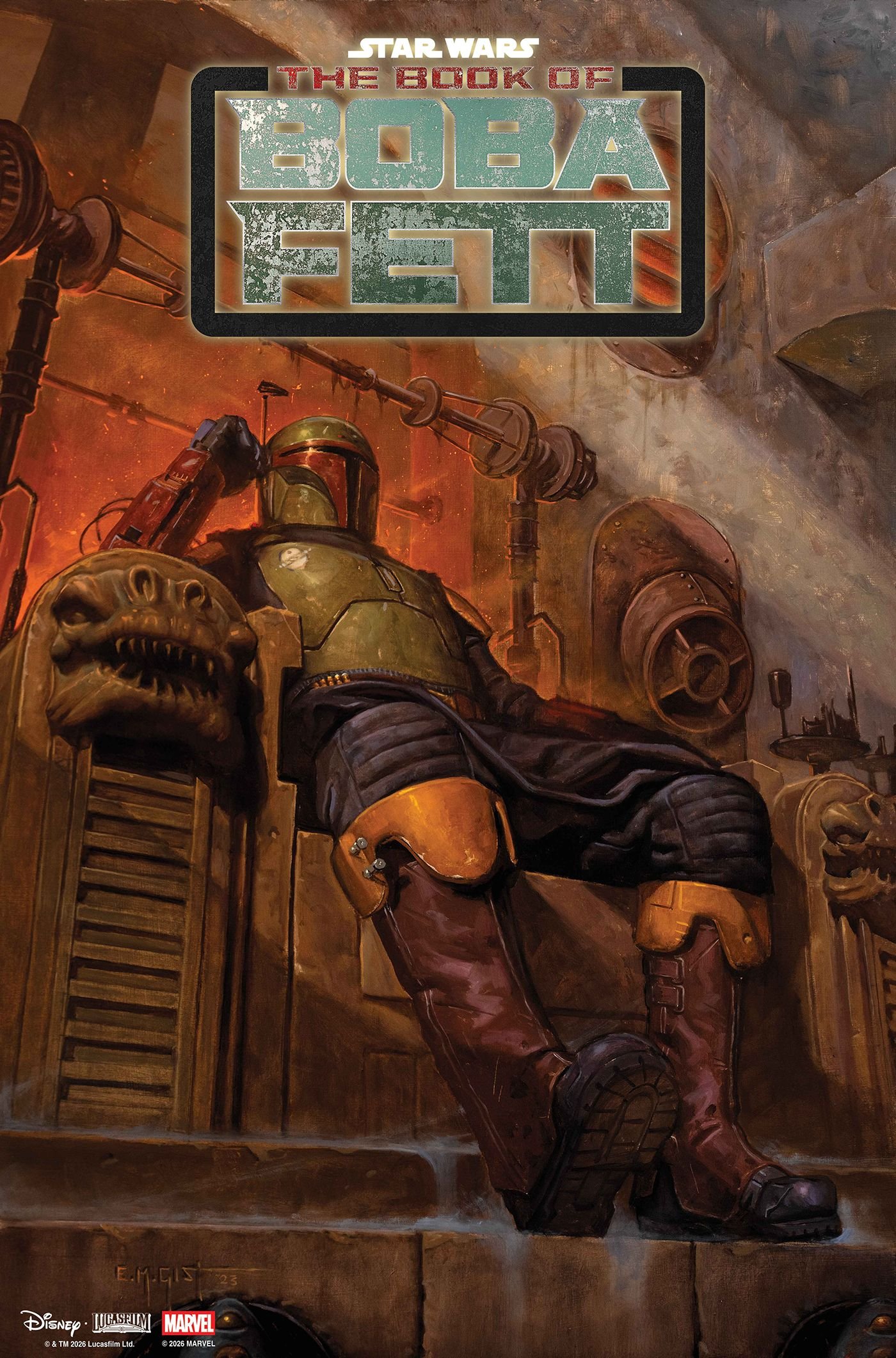 Star Wars: The Book of Boba Fett #1
Creators: Writer Rodney Barnes. Artist Will Sliney. Main cover artist Alex Maleev.
Adaptation comics sometimes get dismissed by speculators because the characters and events have already appeared on television or film. That approach can leave a fairly large hole in a collection when the comic itself introduces those screen characters to the medium for the first time. Star Wars: The Book of Boba Fett #1 is a perfect example. Marvel has specifically identified Garsa Fwip, Dokk Strassi and Mok Shaiz’s majordomo among the characters making their comic-book debuts in this series, with additional first comic appearances also teased. That makes the issue considerably more interesting than simply being another retelling of Boba Fett material. Rodney Barnes handles the script with Will Sliney on art, beginning a seven-issue adaptation of the Disney+ series. From a speculation standpoint, the important distinction is that this is not another “first Boba Fett” book. Collectors have been arguing over Boba Fett’s comic chronology for decades, because Star Wars collecting apparently needed its own version of cameo-versus-full-appearance arguments. Star Wars #42 from Marvel’s original series remains the widely accepted standard comic-book key associated with Boba Fett’s first comic appearance, even though earlier oversized, magazine and adaptation formats complicate the history. That makes Star Wars #42 the sensible historical correlation here, but it also demonstrates why Star Wars: The Book of Boba Fett #1 should be evaluated for what it actually adds. Its significance is the migration of several television-era characters into comics. Garsa Fwip in particular is recognizable from the Disney+ series, and the future value of a comic debut like this will depend heavily on whether any of these characters continue to appear elsewhere in Star Wars publishing, animation, television or other media. That continuation cannot be assumed. What can be established is where those comic debuts occurred. That is the part speculators can document now. There is also an interesting collecting psychology with Star Wars adaptations. Books attached to established screen material can sometimes receive less attention from traditional key hunters than a conventional new Star Wars series, precisely because collectors believe they already know what happens. That can allow a legitimate comic first appearance to sit in plain sight while everyone is busy chasing something labeled “mystery character.” Whether that happens here remains to be seen, but multiple confirmed comic debuts give Star Wars: The Book of Boba Fett #1 an immediate reason to be cataloged. The Boba Fett name gets the attention. The supporting-character first appearances are what make the speculation conversation considerably more interesting.
Transformers #36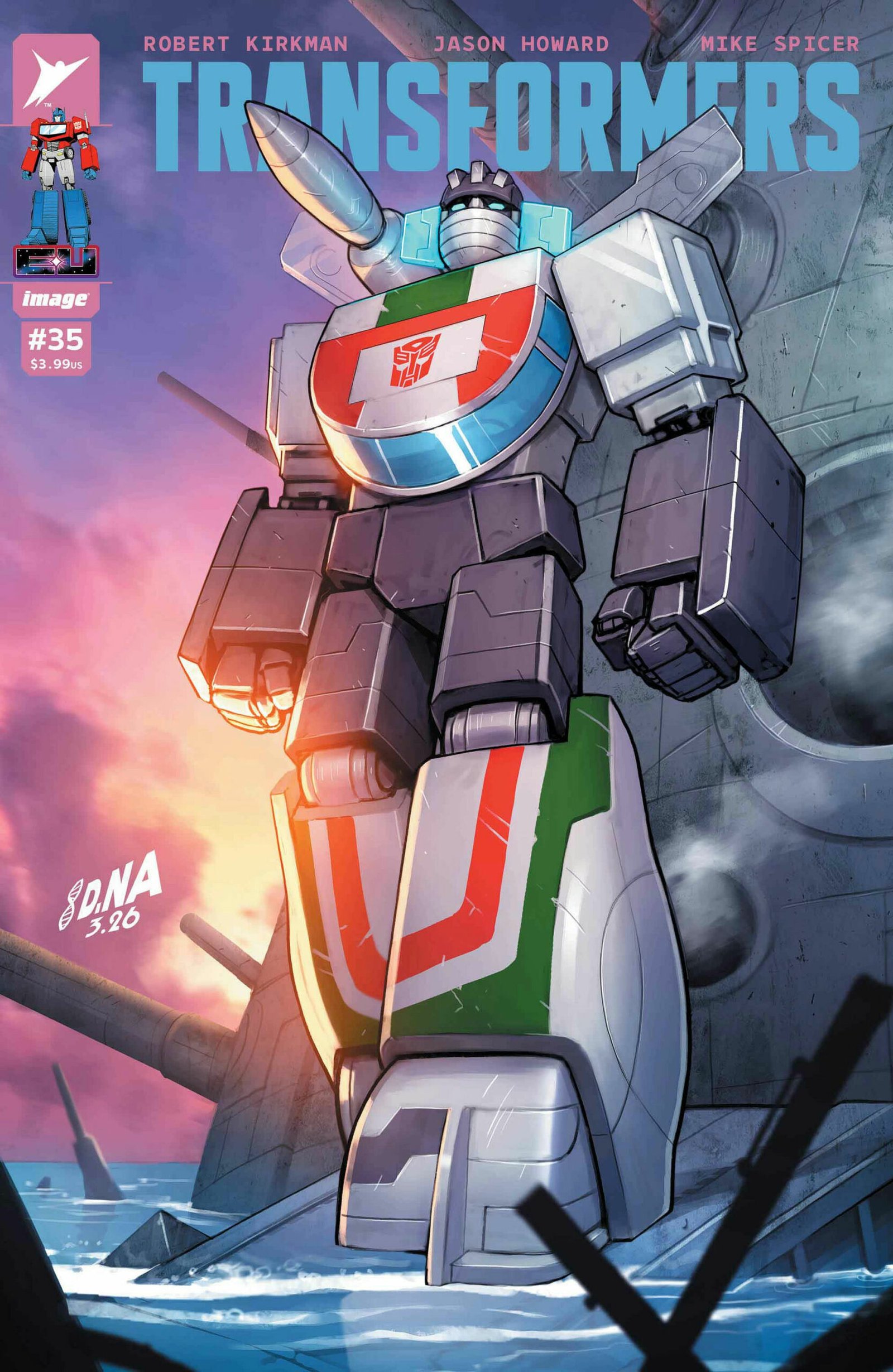
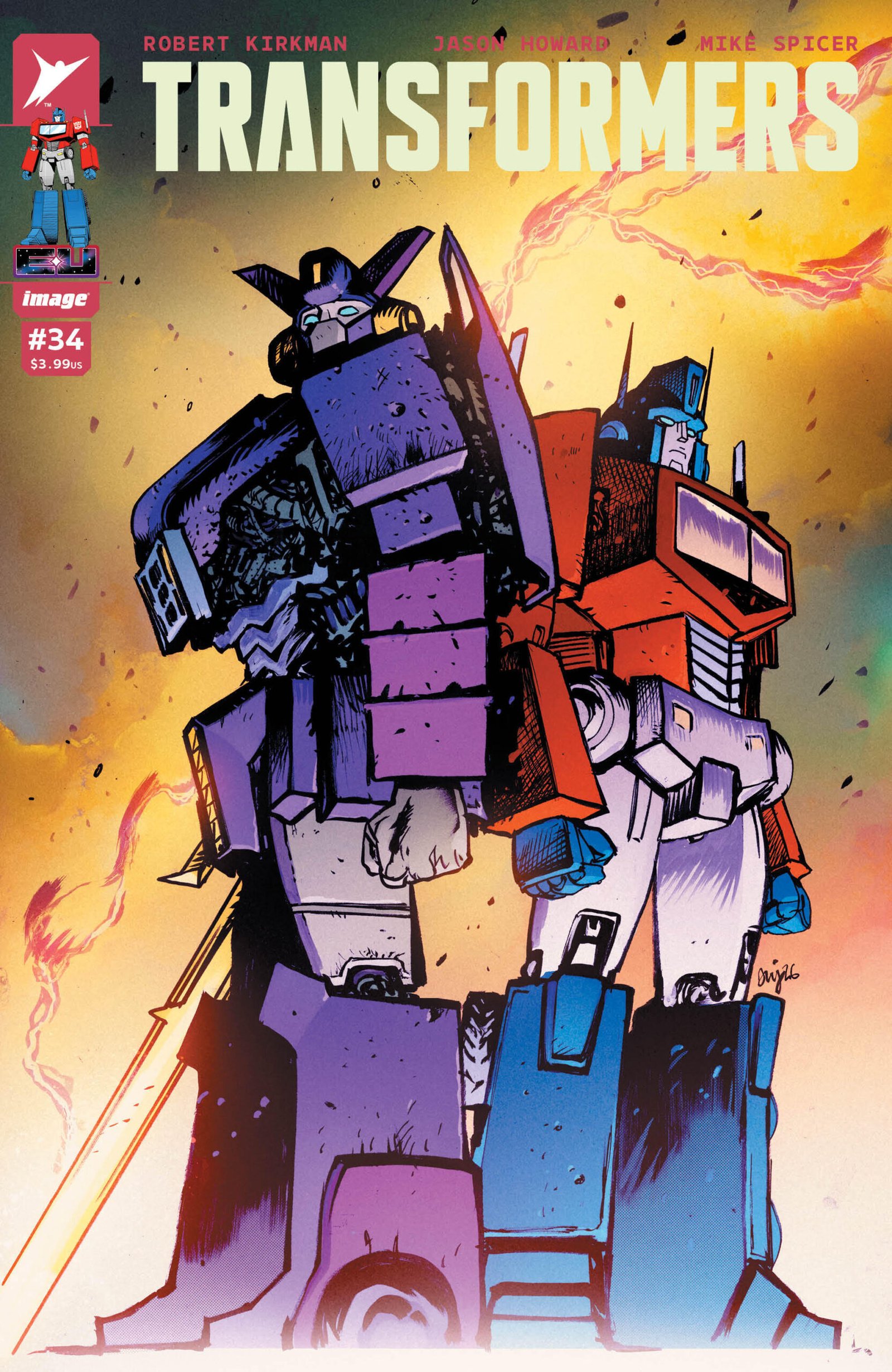
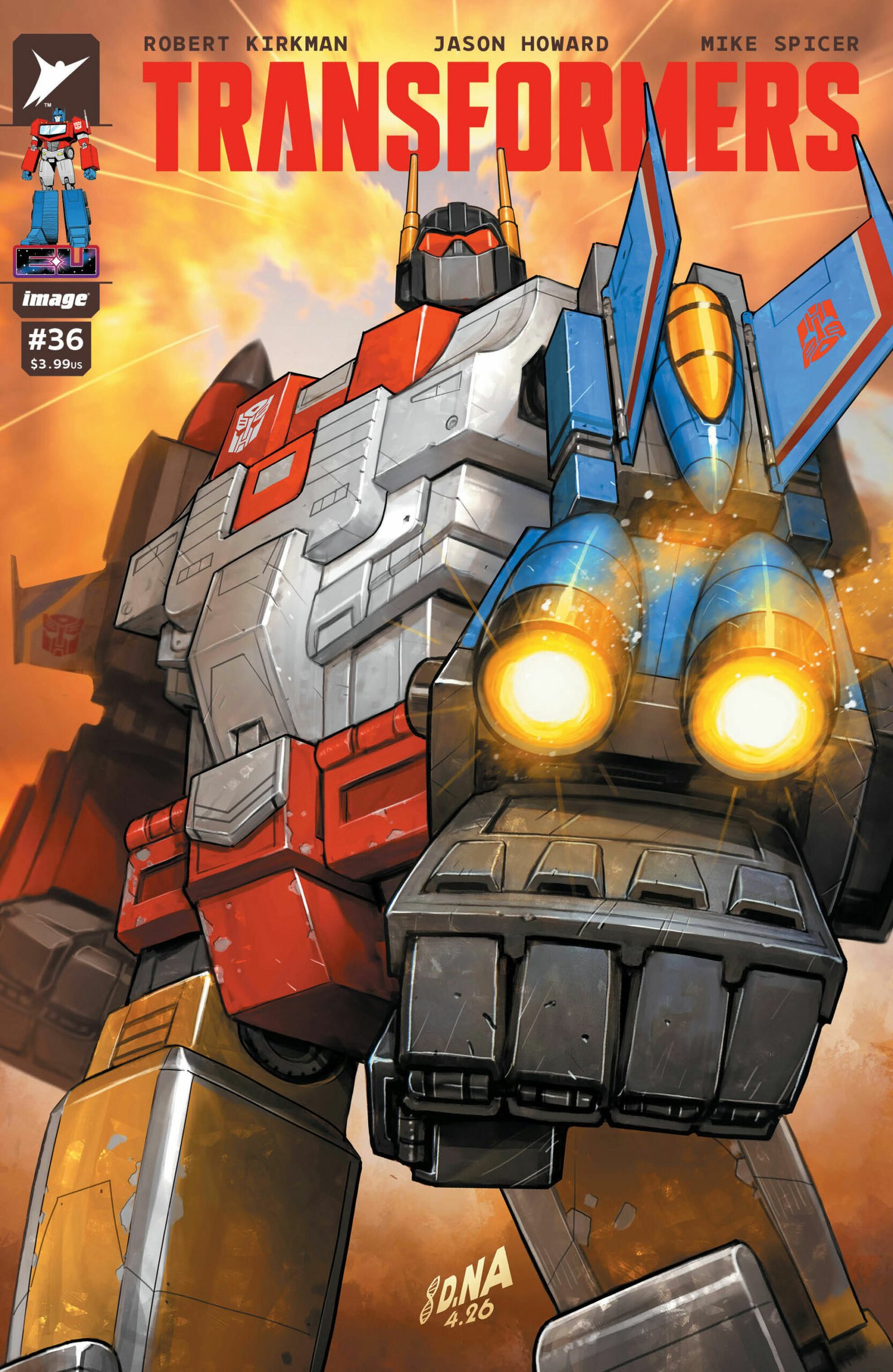
Creators: Writer Robert Kirkman. Artist Jason Howard. Colorist Mike Spicer.
This is where following previous issues becomes useful. Transformers #36 does not simply drop a new Superion onto the page without groundwork. The current Energon Universe storyline has been moving Thundercracker into the orbit of the Aerialbots for several issues while simultaneously reconnecting that storyline with Cobra-La. Transformers #33 had Thundercracker operating with the Aerialbots and referring back to his previous Cobra-La experience. Transformers #34 pushed that group toward investigating the threat, while Transformers #35 brought Thundercracker and the Aerialbots directly into the Cobra-La storyline. That progression makes Transformers #36 the payoff rather than an isolated gimmick. The new Superion debuts here with Thundercracker taking a place among the Aerialbots, creating an Energon Universe incarnation of the classic combiner with a lineup collectors were not exactly expecting. Robert Kirkman is writing the issue, Jason Howard provides the art, and Mike Spicer handles the colors. From a key-comic standpoint, the simplest designation is also the strongest one: this is the debut of the new Superion configuration in the Energon Universe. Collectors who specialize in Transformers know that alternate forms, different team compositions and new universe-specific incarnations can develop their own followings, especially when Hasbro characters move between comics, animation and toys. That does not mean a new Superion configuration automatically becomes a major-value comic. It means there is a clearly defined first that can be followed. More interestingly, the previous issues create secondary speculation possibilities. If this Thundercracker-led path to Superion becomes significant, Transformers #33 through #35 may receive additional attention as setup issues, particularly #35 as the direct bridge into the arc finale. They should not be relabeled as the first appearance of Superion simply because they helped create the circumstances. Setup is setup. Debut is debut. Comic collecting becomes complicated enough without voluntarily making the labels worse. Transformers #36 also benefits from being an end-of-story-arc issue rather than another conveniently numbered #1. Later issues in ongoing titles do not always receive the same casual ordering attention as launches, and that can occasionally become meaningful when an issue contains an important debut. That is speculation, not a statement about the actual print run, but it is one of the variables worth watching. David Nakayama provides the primary cover with additional work from Daniel Warren Johnson, Mike Spicer, Jason Howard, Annalisa Leoni and others across the cover program. The key content remains the new Superion. That is why Transformers #36 earns its place in the Top 5 New Key Comics This Week, with #33, #34 and #35 forming a logical trail behind it rather than a random pile of Transformers books dragged into the conversation after the fact.
Marvel Gold ’76 #1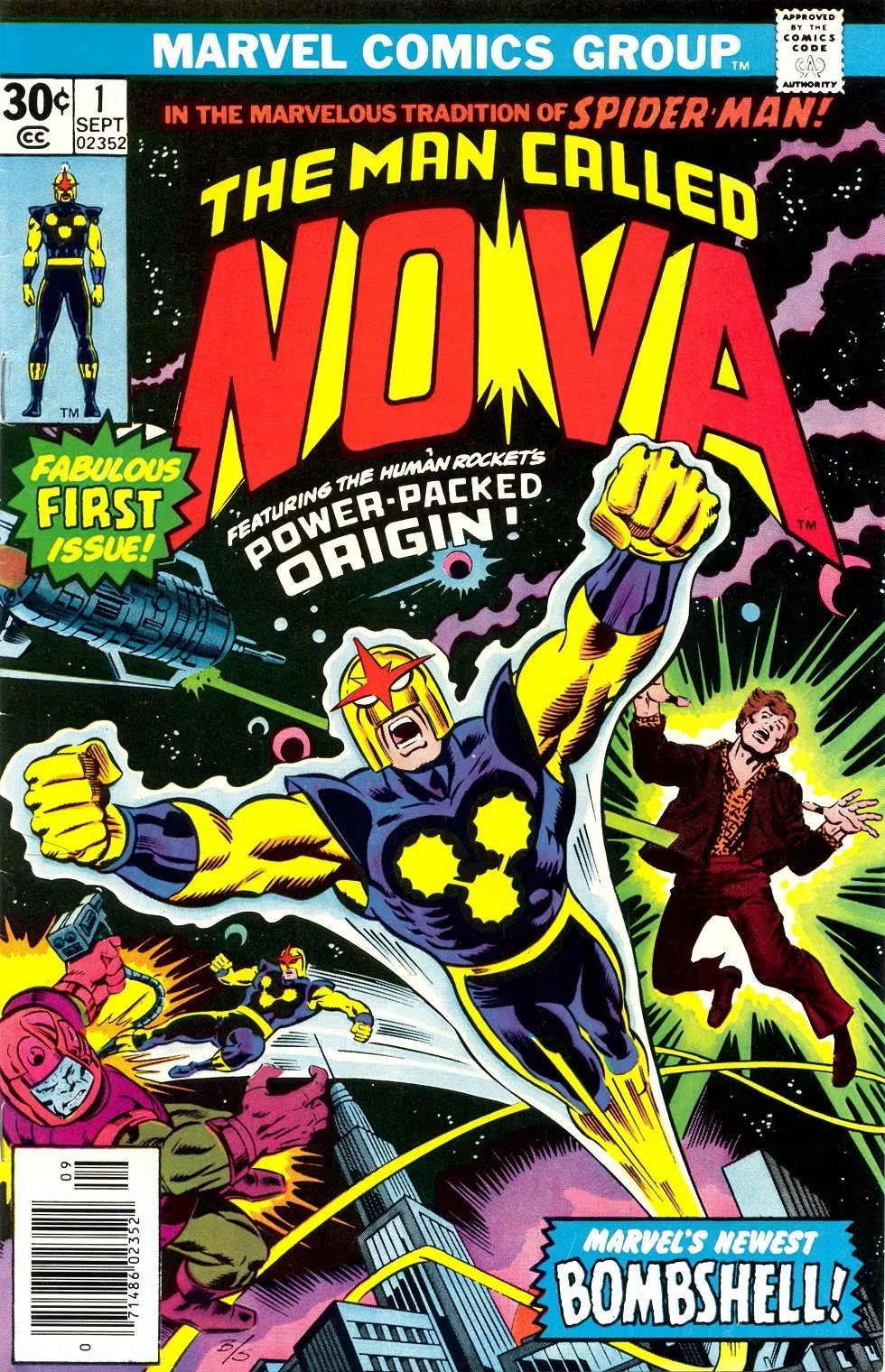
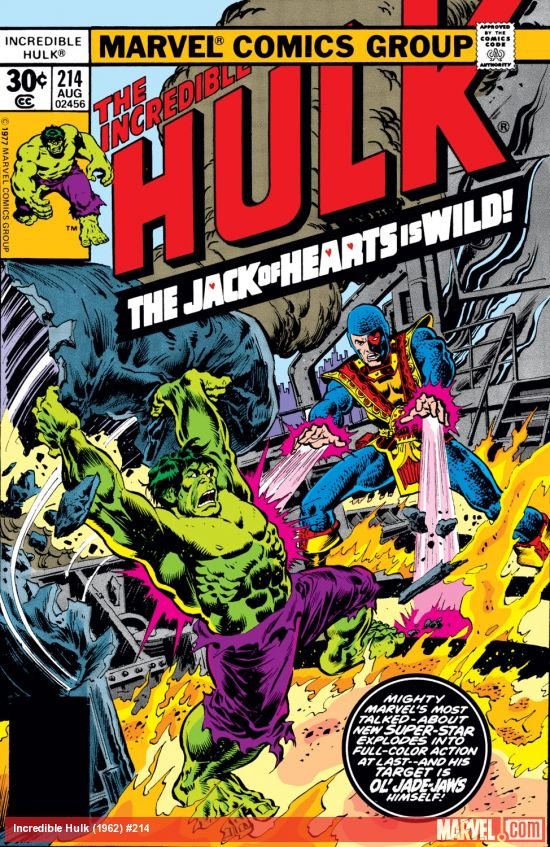
Creators: Writer Stephanie Phillips. Artist Madibek Musabekov.
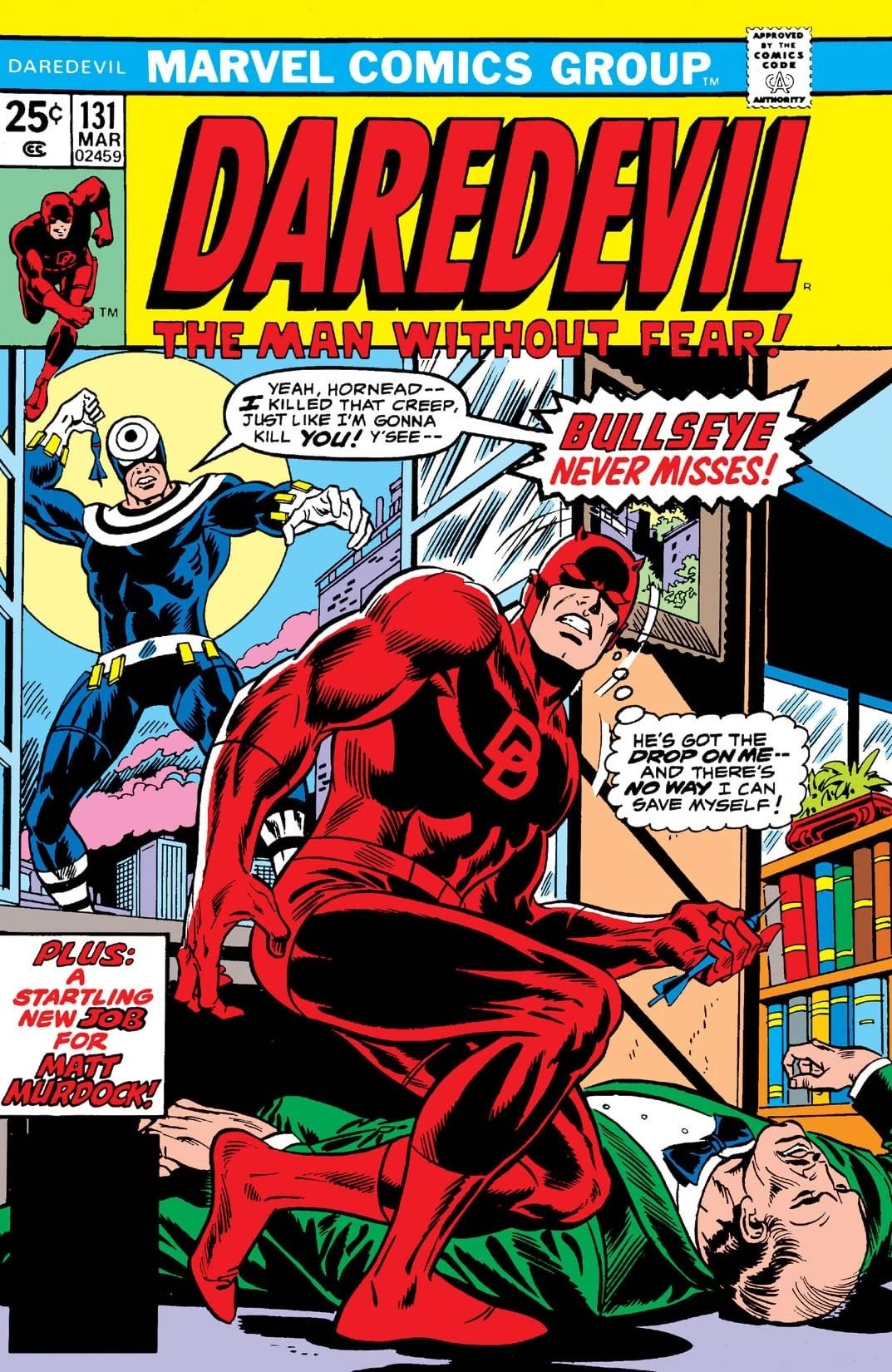
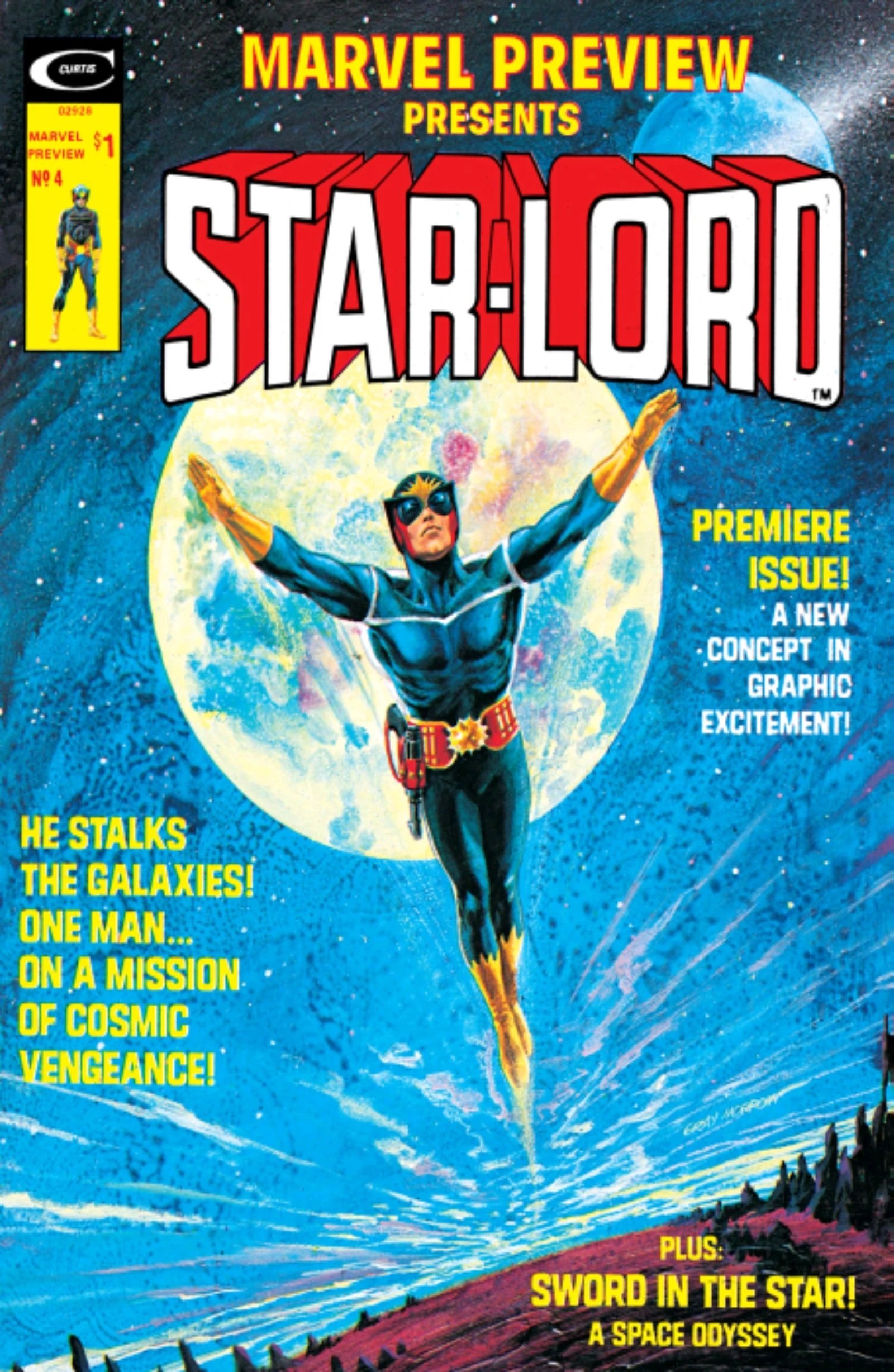
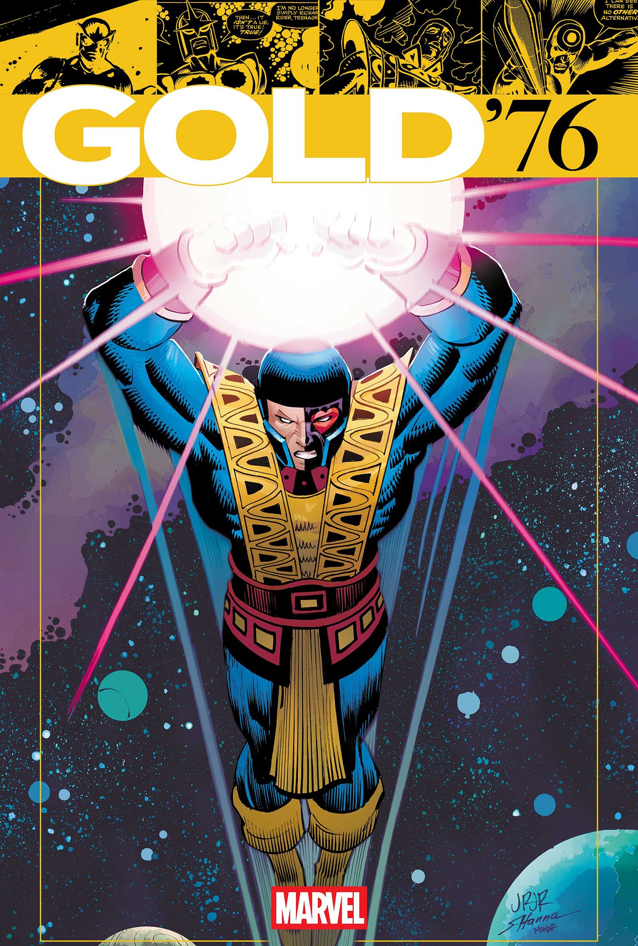
There is no need to pretend every comic on a speculation list contains a brand-new character. Marvel Gold ’76 #1 is interesting for almost the opposite reason. Stephanie Phillips and artist Madibek Musabekov bring together Bullseye, Nova, Star-Lord and Jack of Hearts in a Thanos-driven one-shot built around characters with major ties to 1976. For collectors, that creates a natural bridge back to four established Bronze Age keys. Jack of Hearts is particularly interesting because his first-appearance history has a little more nuance than a single neat box on a checklist. Jack Hart makes his first full appearance in The Deadly Hands of Kung Fu #22 from 1976 after a prior silhouette appearance, with Bill Mantlo and Keith Giffen associated with his creation. Because Deadly Hands was a black-and-white magazine format, collectors also track Incredible Hulk #214 as Jack of Hearts’ first appearance in a regular four-color comic. That gives Jack more than one historically relevant book depending on what aspect of the character a collector is pursuing. Nova is much simpl er. Richard Rider’s first appearance and origin arrive in Nova #1 from 1976, a major Bronze Age Nova key created through the work of Marv Wolfman and the artistic team associated with that launch. Star-Lord traces back to Marvel Preview #4, also from 1976, where Peter Quill makes his first appearance in the black-and-white magazine format under Steve Englehart and Steve Gan. Then there is Bullseye, whose first appearance in Daredevil #131 came during the same year. When Marvel Gold ’76 #1 gathers these characters together, those first appearances stop being random trivia and become the historical foundation of the entire anniversary concept. That is the useful collector correlation. This new one-shot is not replacing those keys. If anything, it places another spotlight on them. The speculative question is whether Marvel is simply celebrating the characters or beginning to position one or more of them for increased relevance. Jack of Hearts is particularly worth watching because he has never maintained the consistent mainstream visibility of Nova, Star-Lord or Bullseye, yet Marvel continues to bring him back into contemporary stories. A renewed push can make an older first appearance look considerably more interesting very quickly. The provided John Romita Jr. variant also offers a recognizable art-driven option for collectors who approach the issue from the cover side. Still, the stronger long-term lesson is not “anniversary comic equals automatic key.” It is that anniversary books can redirect attention toward established first appearances that have been sitting in back-issue inventories for years. Marvel Gold ’76 #1 earns its spot because the entire premise is built on that comic-book history.
Marvel Mangaverse: Iron Knight #1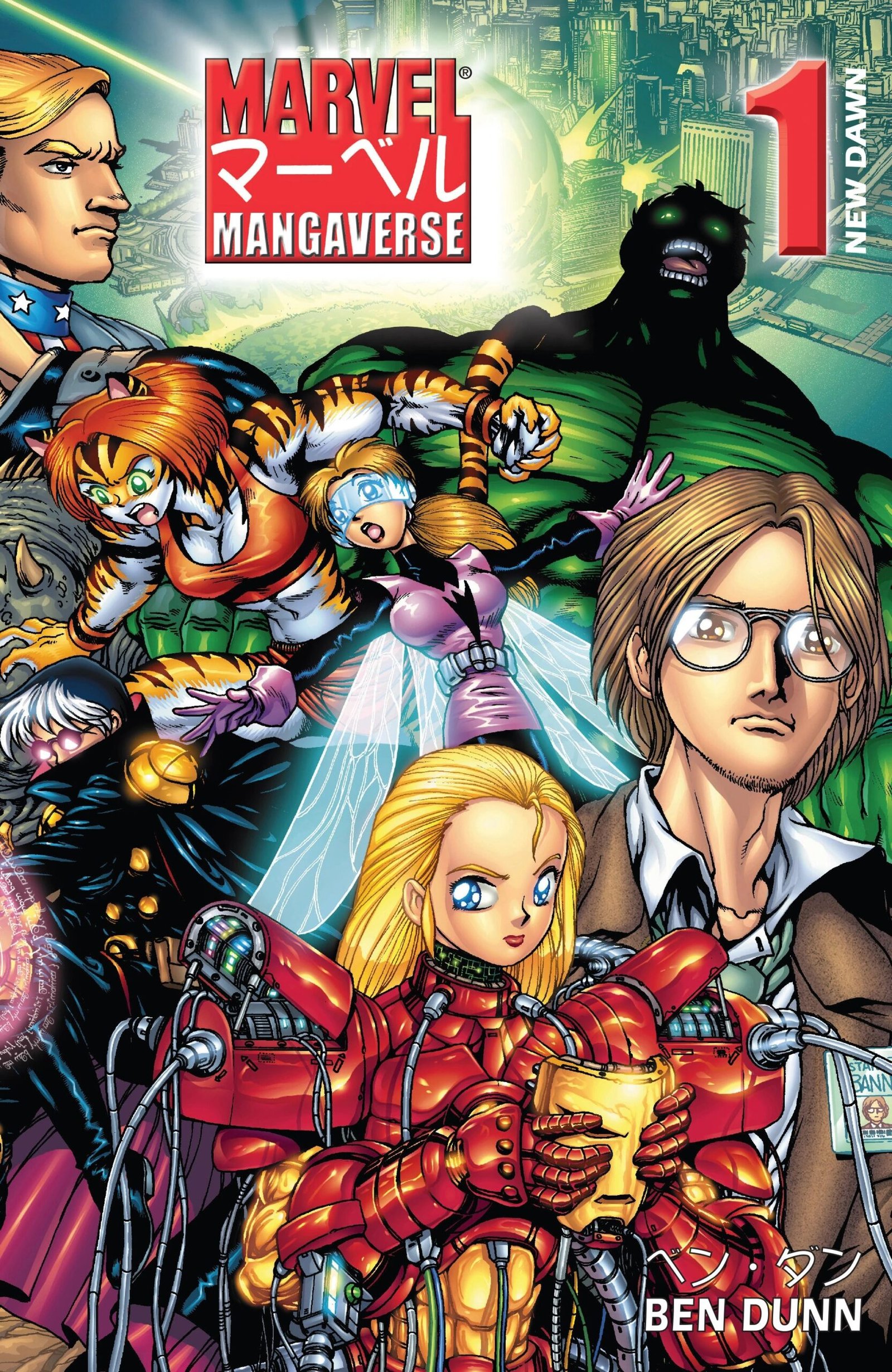
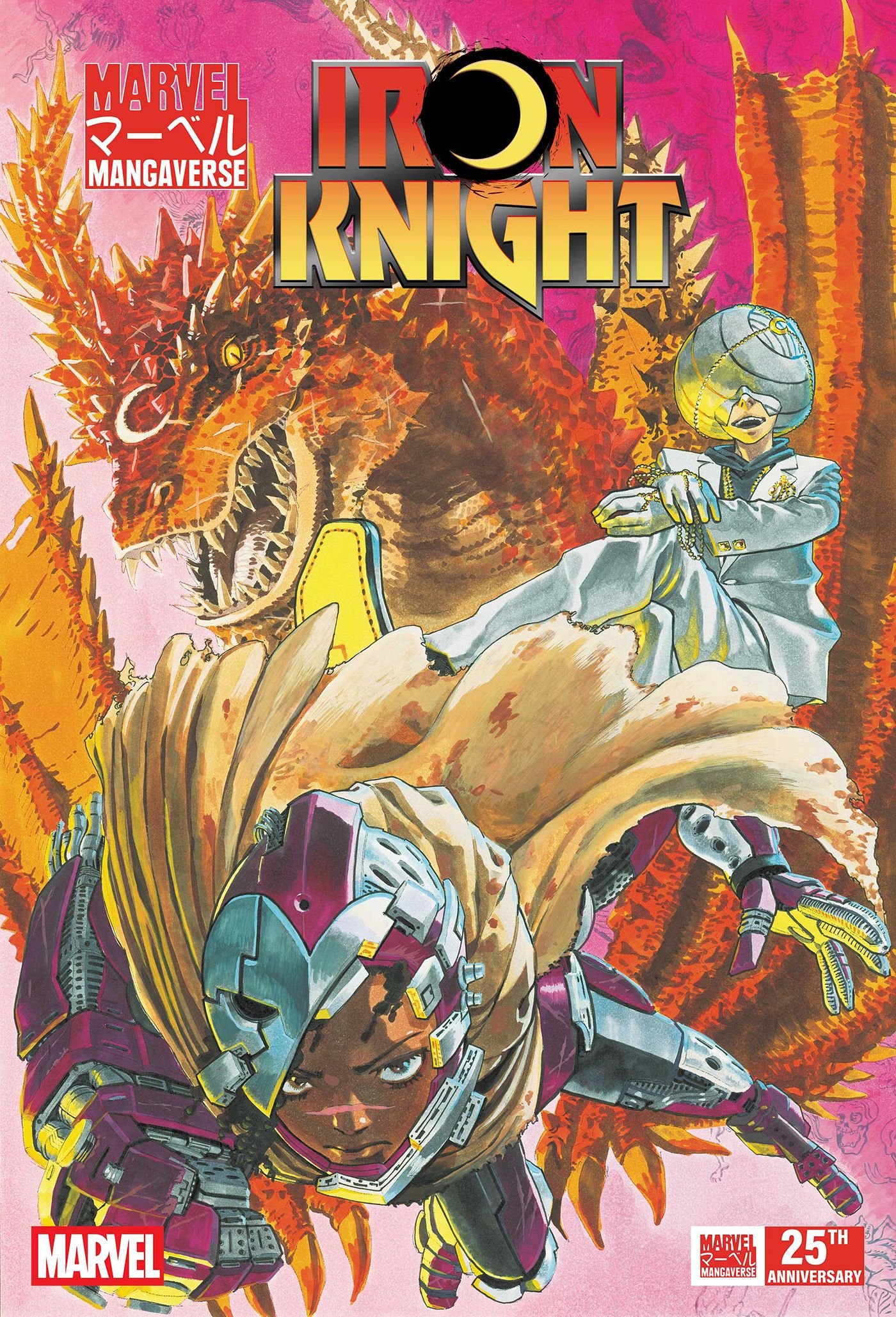
Creators: Writer Cody Ziglar. Artist Kei Zama. Main cover artist Yuji Kaku.
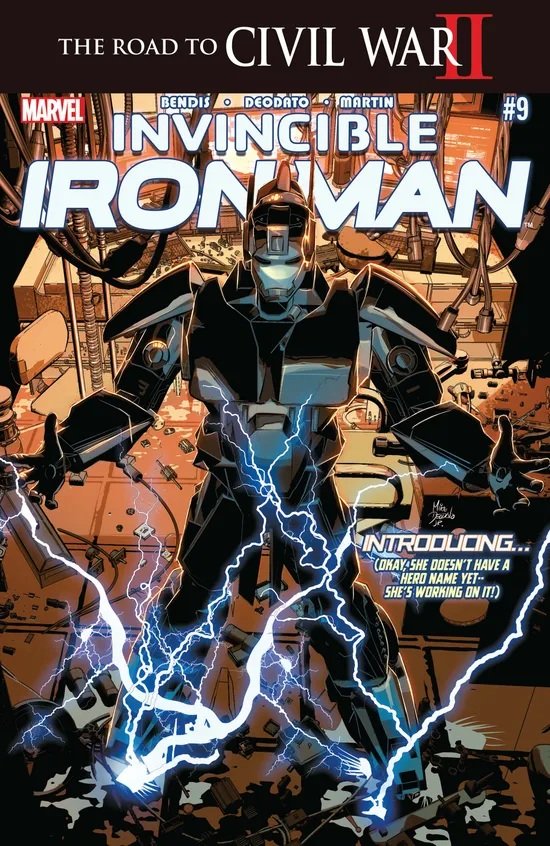
The Mangaverse angle requires a little historical housekeeping because “Marvel manga” and “Marvel Mangaverse” are not automatically the same thing. Marvel has produced manga-influenced material in various forms, so calling one particular issue the first Marvel manga comic would be far too broad. The cleaner collector marker is Marvel Mangaverse: New Dawn #1 from 2002, the Ben Dunn one-shot that launched the Earth-2301 Mangaverse setting and introduced a large group of manga-inspired alternate Marvel characters. The subsequent 2002 Mangaverse specials and Marvel Mangaverse series expanded that world. That makes New Dawn #1 the useful historical anchor when looking at Marvel Mangaverse: Iron Knight #1, not some randomly selected manga-style variant from an unrelated Marvel title. The new one-shot comes from writer Cody Ziglar and artist Kei Zama, with Hell’s Paradise: Jigokuraku creator Yuji Kaku providing the primary cover. Riri Williams operates in New Chicago using a mana-powered mech suit as Iron Heart while joining forces with the Mangaverse version of Moon Knight against demonic yokai. The speculation angle becomes interesting because Riri Williams did not exist when the original Mangaverse material was being published in 2002. Her mainstream comic history did not begin until Invincible Iron Man #7 in 2016 with a cameo, followed by her fuller appearance and prototype armor in Invincible Iron Man #9 and her eventual emergence as Ironheart. Bringing Riri into the Mangaverse therefore is not merely recycling one of the original Earth-2301 designs. It creates a modern Mangaverse interpretation of a character who came into Marvel continuity years later. Speculation circles are already treating Marvel Mangaverse: Iron Knight #1 as a potential first appearance of the Mangaverse Riri Williams/Iron Heart incarnation. “Potential” is the useful word until the finished issue and surrounding event material make the continuity placement completely clear. This is not Riri Williams’ first appearance, and it is not Ironheart’s first appearance. It is the possible first of this specific Mangaverse version. Those distinctions matter. The Yuji Kaku cover adds another collecting lane because Marvel is deliberately using a prominent manga creator across the revived Mangaverse material, giving the project an authentic manga-industry connection rather than simply putting speed lines behind Iron Man and declaring the job finished. For collectors who still have Marvel Mangaverse: New Dawn #1 tucked away, the revival gives that 2002 book a logical reason to come back onto the radar. For modern-key speculators, Marvel Mangaverse: Iron Knight #1 offers something more immediate: a contemporary Marvel character receiving a new universe-specific incarnation in a franchise returning after roughly a quarter century. That is enough to keep this one firmly on the Top 5 New Key Comics This Week list.
-Jay Katz