
 Top 5 Hot Key Comics 5-27-26
Top 5 New Key Comics 5-27-26
Explore any red-highlighted links or comic covers to shop directly from all available eBay sellers now.
*This site contains affiliate links for which I may be compensated.
Click here for last week’s Top 5 New Key Comics 5-20-26
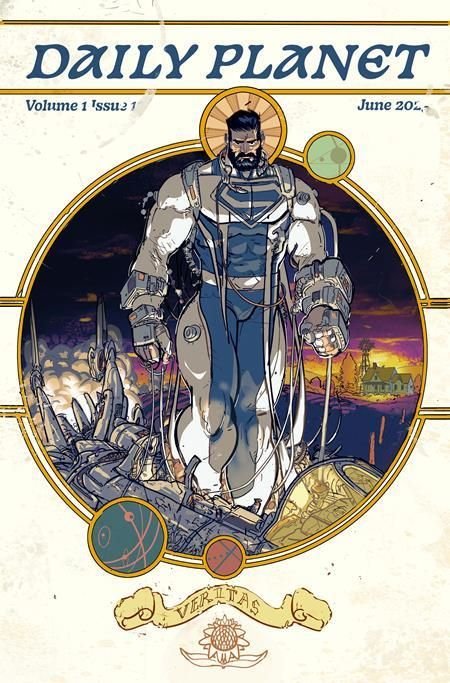
Superman: Father of Tomorrow #1 is the cleanest DC first-issue speculation play on this list because it arrives as a new Elseworlds concept with a premise built to make collectors pause. Instead of Kal-El escaping Krypton, the rocket carries Jor-El, landing him in Kansas and setting up a “Man of Steel and Science” version of the mythos. That is not just a costume change or another multiverse repaint. It is a direct reworking of one of the most valuable origin structures in superhero comics. Writer Kenny Porter, artist Danny Earls, and colorist Nick Filardi give this debut a full creative identity, and that matters because collector interest in Elseworlds books often lives or dies on whether the concept feels sharp enough to stand alone after the first week. This one has that kind of built-in pitch. Jor-El as the sole Kryptonian survivor on Earth creates a different Superman lane, a different legacy conversation, and a different shelf placement for collectors who track alternate versions before they become someone else’s “obvious” pickup six months later. The speculative side here is not hard to understand. It is issue #1, it is a new Elseworlds launch, it introduces a major alternate version of the Superman mythology, and it arrives during a period where DC is clearly leaning into alternate-continuity storytelling as something more than a side dish. Collectors have seen this pattern before. The market may not reward every Elseworlds debut, but the ones with clean premises and recognizable character architecture tend to stay easier to explain, and easy-to-explain keys are usually the ones people remember when bins get rechecked. This is the type of first issue that may not need noise to deserve attention. Annoying, yes, because that means collectors have to think.
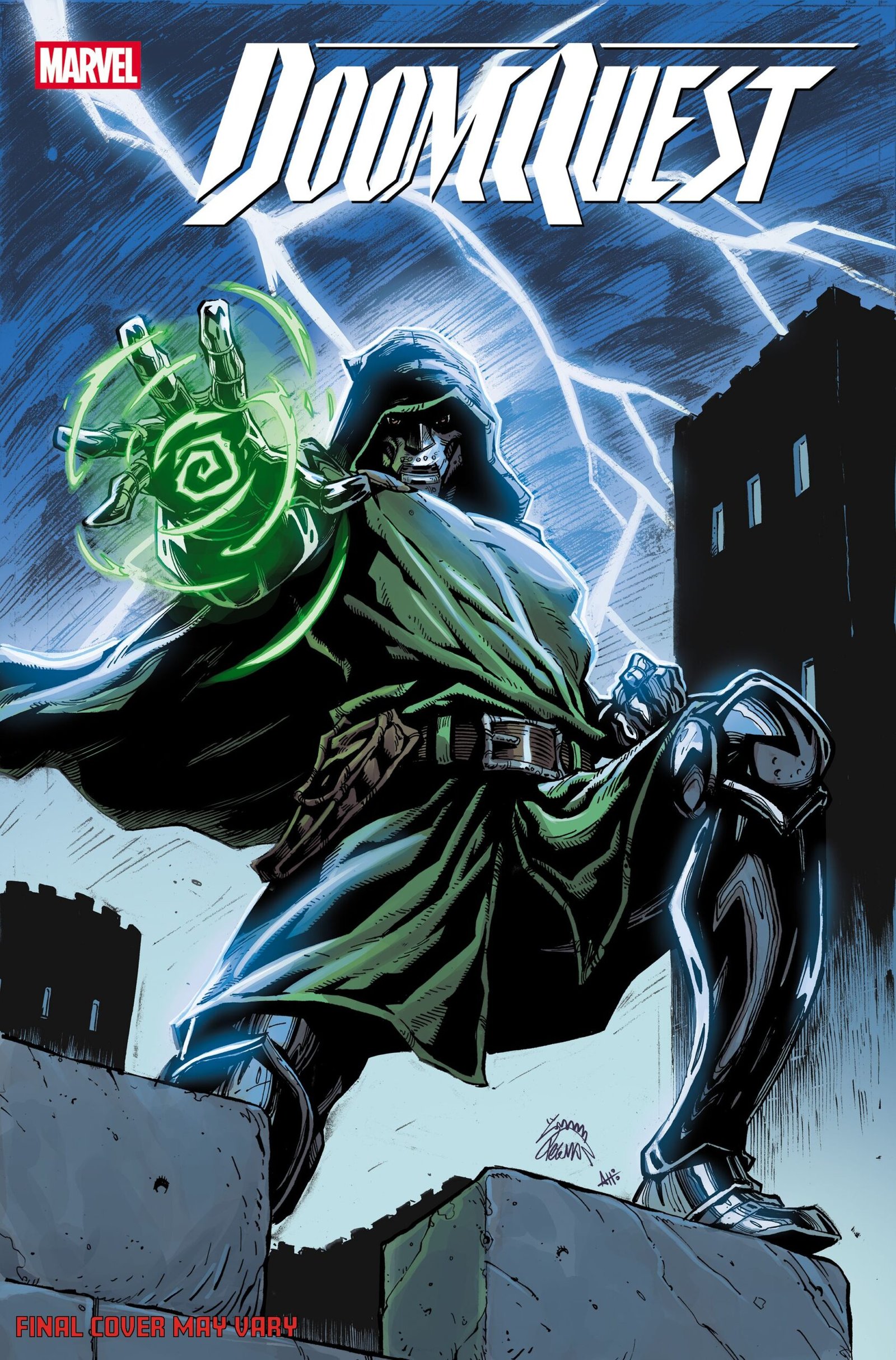 DoomQuest #1 brings Doctor Doom into a new ten-part Marvel series, and anytime Doom gets a focused launch, collectors should at least pretend they are not interested before quietly adding it to the stack. Written by Ryan North with art by Francesco Mobili, and colors by Frank D’Armata, this one positions Doom for a large-scale journey through time and space. Marvel’s own listing confirms the May 27, 2026 publication date and Ryan North as writer, while Marvel’s announcement frames DoomQuest as a ten-part Doctor Doom epic. That ten-part structure matters because it gives collectors a defined spine, not just a one-shot novelty or a random event tie-in trying to sound important because the logo got bigger. Doctor Doom remains one of Marvel’s most durable collector characters, and the market has spent years rewarding major Doom stories, Doctor Doom variants, and issues that push him into fresh status positions. The speculation angle here is less about a guaranteed first appearance and more about storyline weight. A Doom-centered series with a defined length, a top-tier character, and a high-concept premise has the kind of long-game collector logic that can sit quietly until later developments make people start connecting dots. That is especially true when Doom is being framed as the center of the entire concept rather than the guest villain who shows up to glare, monologue, and leave with better posture than everyone else. Collectors should watch for any new supporting characters, new locations, future timeline elements, or status changes introduced across the series, because first issues of limited runs often become the foundation piece even when the later key moment happens in issue #3, #6, or some inconvenient ratio cover that makes everyone suddenly become an expert in ordering patterns. DoomQuest #1 earns its Top 5 New Key Comics 5-27-26 spot because it is Doctor Doom in a focused Marvel launch, and that is usually enough reason for the speculation crowd to stop pretending they only buy “undervalued” books.
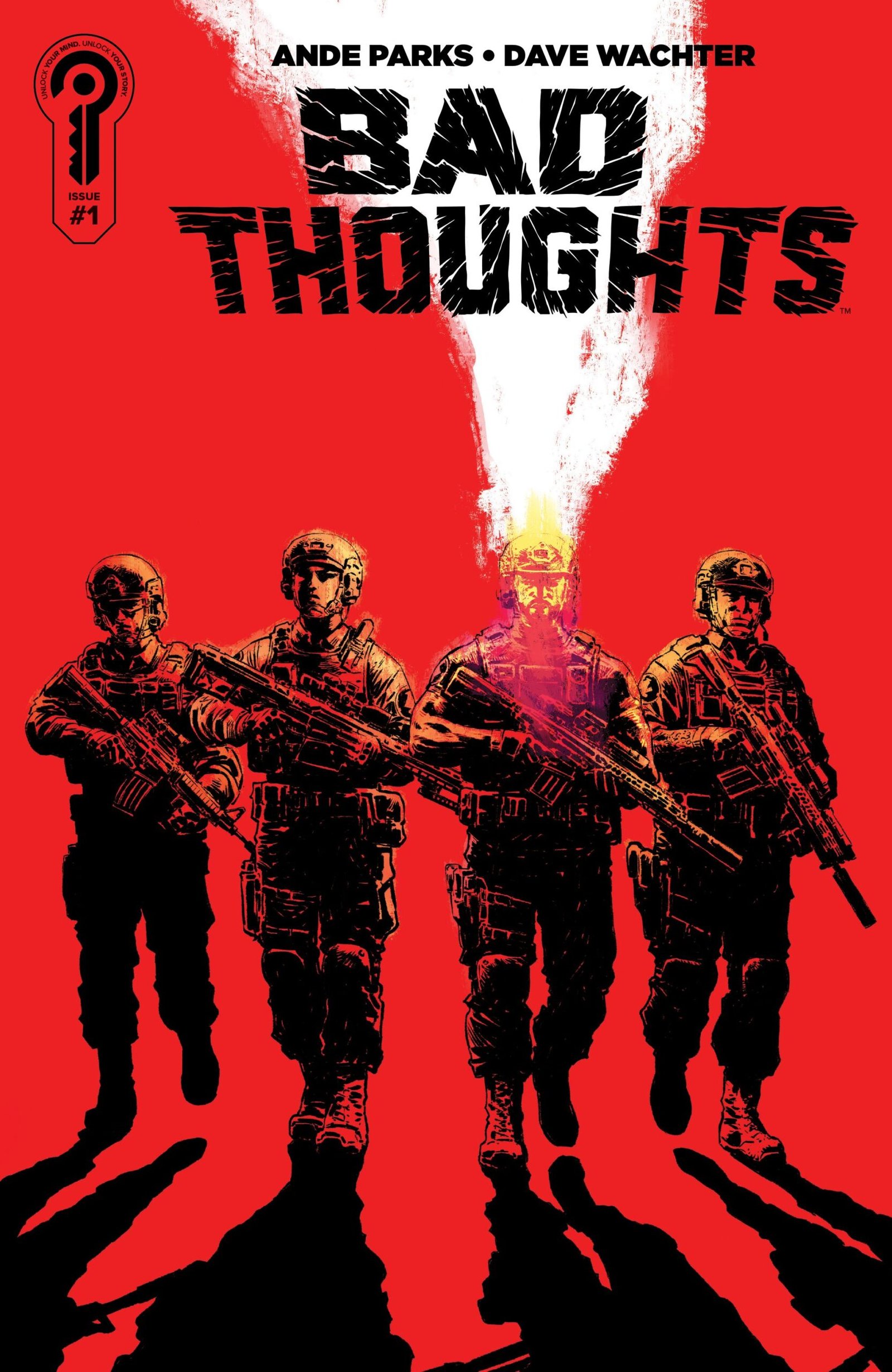
Bad Thoughts #1 is the indie first issue on the list, and that alone gives it a different kind of collector appeal. Written by Ande Parks with art by Dave Wachter, and colors by Brad Simpson, Bad Thoughts #1 comes from Ignition Press with a mind-based thriller setup centered around a mind-reading enforcer. That is a strong elevator pitch, and in modern collecting, clean elevator pitches matter. A new comic universe, a #1 issue, a creator-owned or indie-adjacent launch, and a concept that can be explained in one sentence all create the type of speculative profile collectors like to track before the market decides whether it cares. The first appearance angle here is straightforward because a new series debut means the likely introduction of the title’s core characters and concept. That does not automatically turn every debut into a premium book, but it gives collectors a starting point, especially when the creative team has enough name recognition to make the launch feel deliberate rather than disposable. Ande Parks brings veteran writing experience, Dave Wachter brings a grounded, cinematic visual style, and the cover’s red-and-black militarized design gives the book a hard visual identity right away. The speculation here is not built on decades of superhero continuity. It is built on originality, scarcity potential, early adoption, and whether the concept has enough staying power to generate future attention. That is the indie equation. It is less predictable than Marvel or DC, which is why collectors pretend to be patient while immediately checking whether issue #1 has incentives, variants, sellouts, or low initial orders. Bad Thoughts #1 belongs in Top 5 New Key Comics 5-27-26 because it has the most “new property” energy of the week, and new-property speculation is still one of the few areas where collectors can sometimes get ahead without needing a spreadsheet, a blood oath, and three years of back-issue regret.
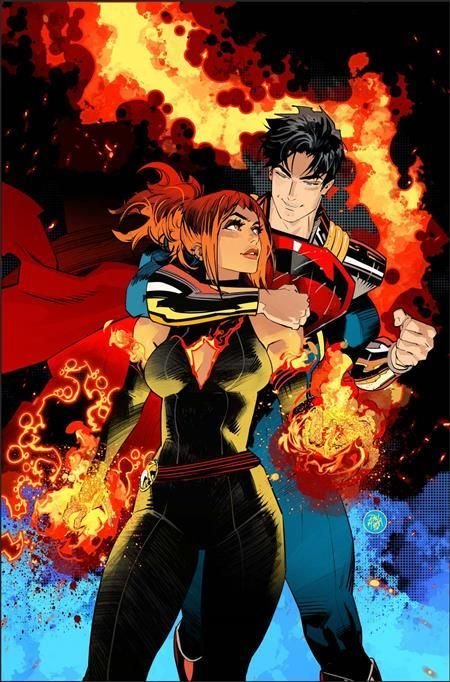
 Superman #38 moves up the collector radar this week because this issue appears to carry the first full costumed appearance of Witchfire, a new character who debuted last issue in her alter ego form. That is exactly the kind of detail modern collectors pay attention to, because the market has become very particular about the difference between an alter ego debut, a cameo, a first full appearance, and a first costumed appearance. Yes, comic collecting has homework now. Written by Joshua Williamson with art by Dan Mora, and colors by Alejandro Sánchez, Superman #38 continues “The Reign of the Superboys” while pushing the Superman line into a stronger key-comic conversation. Superboy-Prime still brings plenty of DC continuity weight here, but Witchfire is the real speculative priority. The last issue introduced the person behind the identity, this issue gives collectors the first full appearance of the character as Witchfire, which appears right on the spectacular Dan Mora cover. First costumed appearances can matter because they are often the version collectors, fans, and future adaptations recognize. The name, look, role, and visual identity all begin to lock in once the costume appears on the page. That gives Superman #38 a sharper collecting hook than a standard ongoing chapter, especially with Dan Mora’s interior art attached and the Superman family mythology expanding through new threats and supernatural complications. Witchfire entering the story in costume also adds the new-character angle collectors like to track before everyone starts pretending they noticed the significance immediately. This issue is not just about Superman being missing, Superboy-Prime stepping forward, or the broader “Reign of the Superboys” direction. The key here is Witchfire, and her first full costumed appearance after last issue’s alter ego debut, Superman #38 becomes one of the cleaner DC speculation books to watch this week.
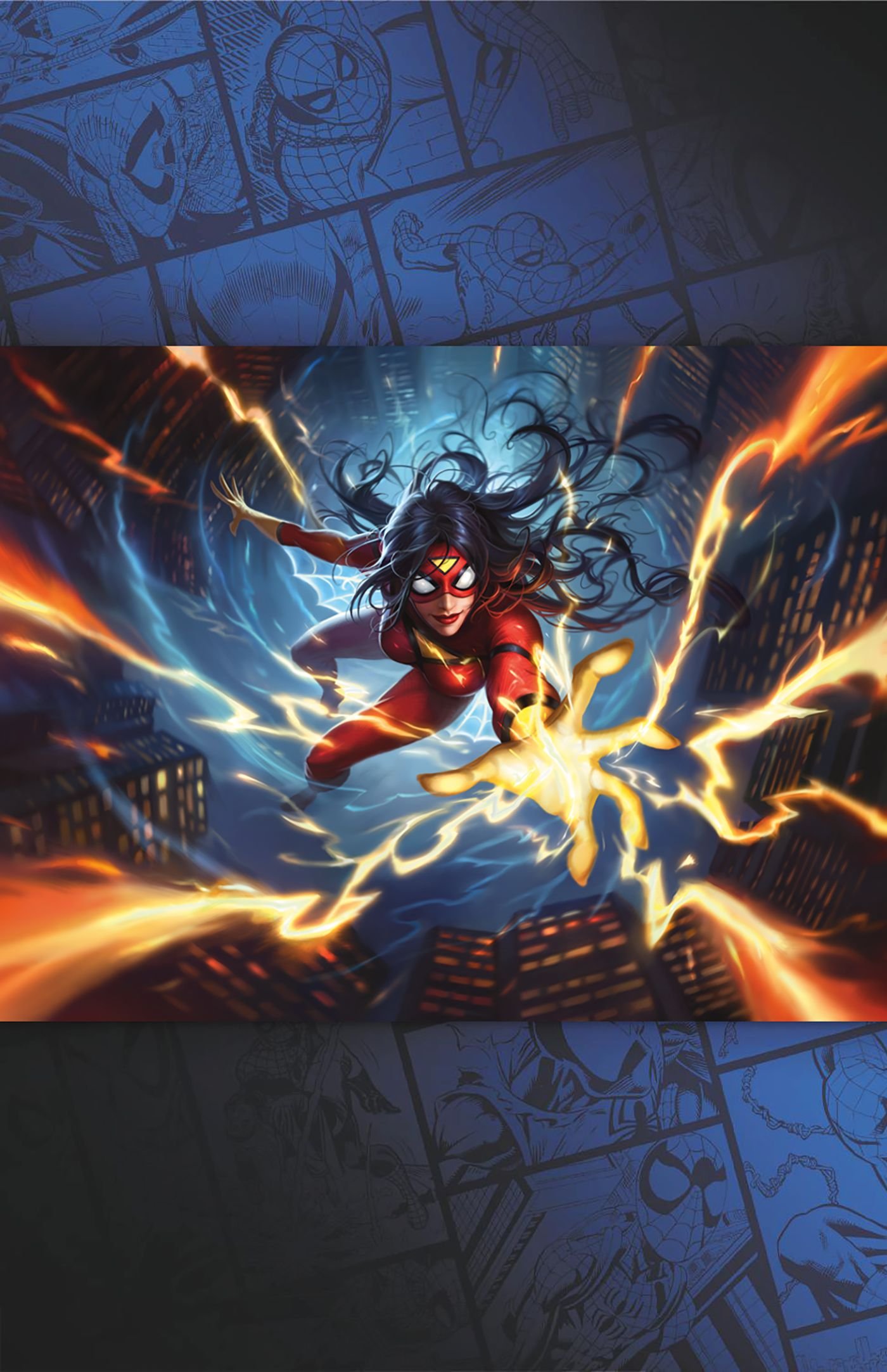
The Amazing Spider-Man: Spider-Versity #2 keeps the Spider-Verse machine moving, and that is usually enough to make collectors at least check the cast list. Written by Jordan Morris with pencils and inks by Pere Pérez and Rafael Perez, colors by Guru-eFX and Chris Sotomayor, this issue continues the “Survival 101” angle with Norman Osborn training Spider-heroes while another threat rises in the background. Marvel’s issue listing specifically points to Norman training Miles, Gwen, and the other students through “Professor Osborn’s school of hard knocks,” while teasing a terrifying threat that none of the Spiders are prepared to face. For collectors, that language matters because the Spider-Verse corner of Marvel has become one of the most consistent modern speculation lanes thanks to new Spider-characters, alternate Spider-identities, and unexpected supporting cast debuts. Issue #2 of a limited series is often where the market gets lazy, which is exactly why collectors should not. First issues get ordered heavier, talked about louder, and stacked higher. Second issues sometimes quietly introduce the thing people care about later. That does not mean Spider-Versity #2 guarantees a major first appearance, but the setup gives it enough smoke to watch. A new threat, a Spider-student structure, Norman Osborn acting as the worst possible substitute teacher, and the presence of Miles and Gwen all keep this issue in the speculation lane. The Spider-Verse market can be exhausting, mostly because every new mask makes someone ask if it is the next big thing, but the reason collectors keep asking is because sometimes the answer is yes. The Amazing Spider-Man: Spider-Versity #2 earns its spot in Top 5 New Key Comics 5-27-26 because Spider-related new threats and younger hero structures are exactly where modern key moments tend to hide before the market starts acting like it knew all along. This week’s list works because every comic brings a different collecting argument.
-Jay Katz