
 Top 5 New Key Comics 10-7-26
New Books from Jay Katz of InvestComics
Jay Katz of InvestComics now has three comic-themed books available on Amazon: The Beginner’s Guide to Comic Investing: How to Spot Trends in Comics Before Everyone Else, The Ultimate Comic Book Word Search, and The Ultimate Comic Crossword Puzzle. Whether you want to sharpen your speculation instincts or test your comic knowledge, all three books are available in one place.
 View all three books on Amazon
LAST WEEK’S Top 5 New Key Comics 9-30-26
Clicking any red-highlighted link or comic book cover may direct you to eBay or another third-party marketplace where the item may be available for purchase. Please use your own judgment before buying. Always review the seller’s rating, feedback, item description, photos, shipping terms, and return policy before completing any transaction. InvestComics does not sell these items directly, does not control third-party listings, and is not responsible for any transaction, seller, product condition, shipping issue, refund, or dispute. InvestComics does not endorse any individual seller or listing. InvestComics participates in the eBay Partner Network and may receive compensation from qualifying purchases made through affiliate links on this site.
Absolute Superman #24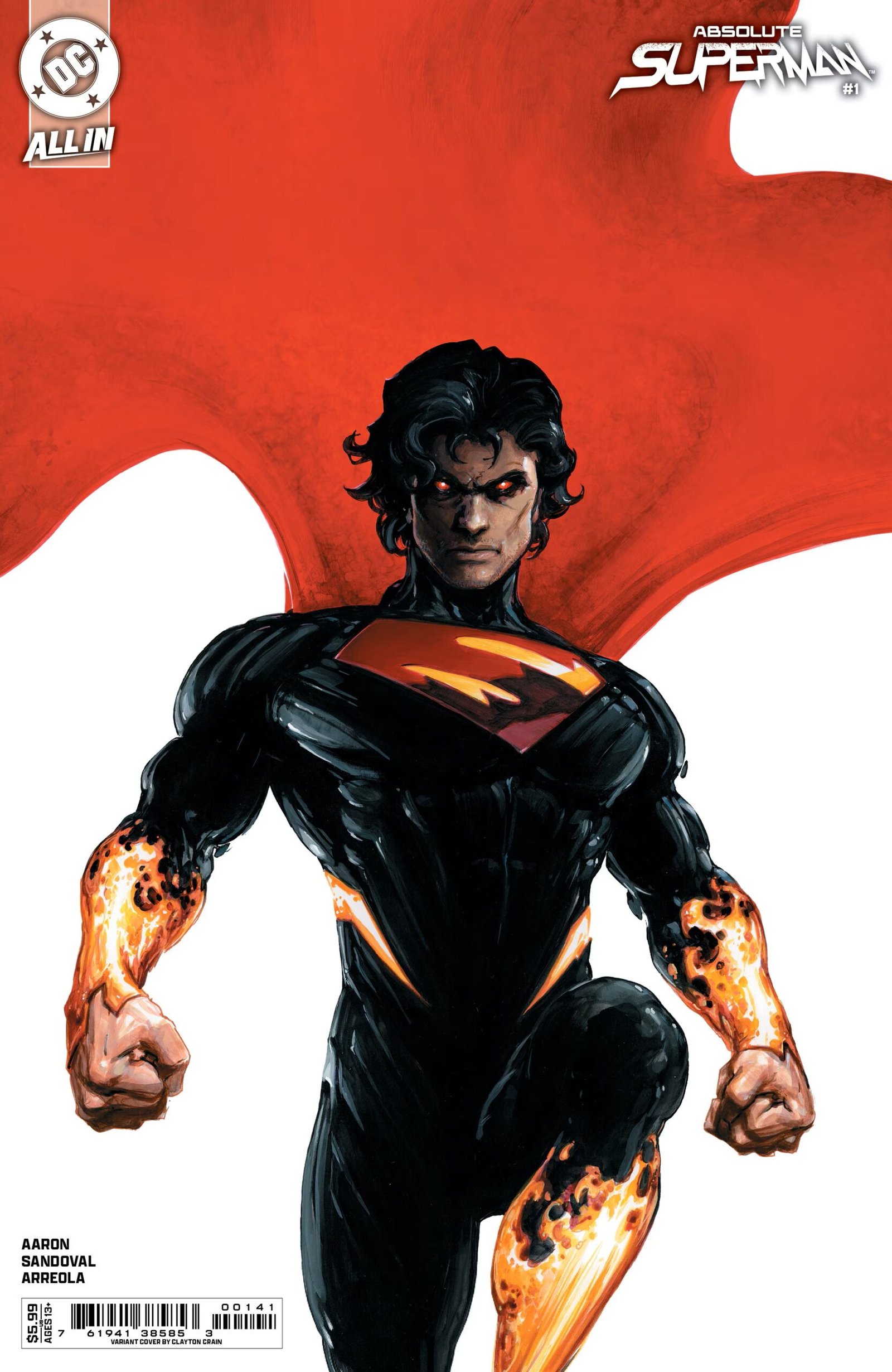
Writer: Jason Aaron. Artist and colorist: Juan Ferreyra.
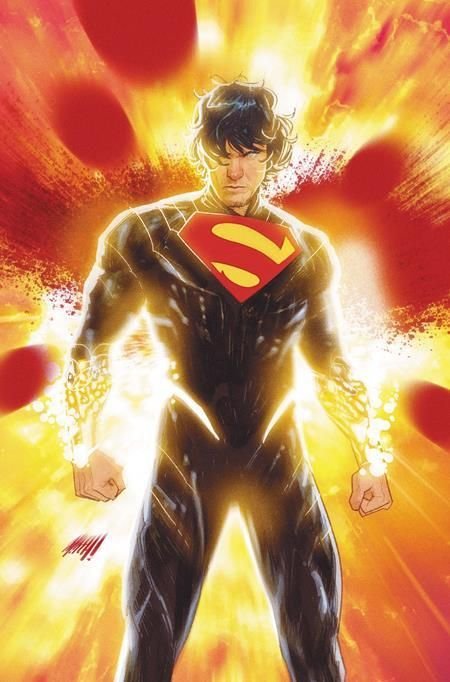
Steel is the reason this issue belongs on the watchlist. Jason Aaron and Juan Ferreyra bring another familiar DC name into the Absolute Superman equation, with Superman seeking an ally against Brainiac and the man known as Steel needing armor before joining the fight. The promoted milestone is Absolute Steel suiting up. That makes this a costume and character development issue worth checking closely, particularly when distinguishing an earlier civilian appearance from a first appearance in armor. Those details matter once a market starts assigning key status, usually with considerably more confidence than accuracy.
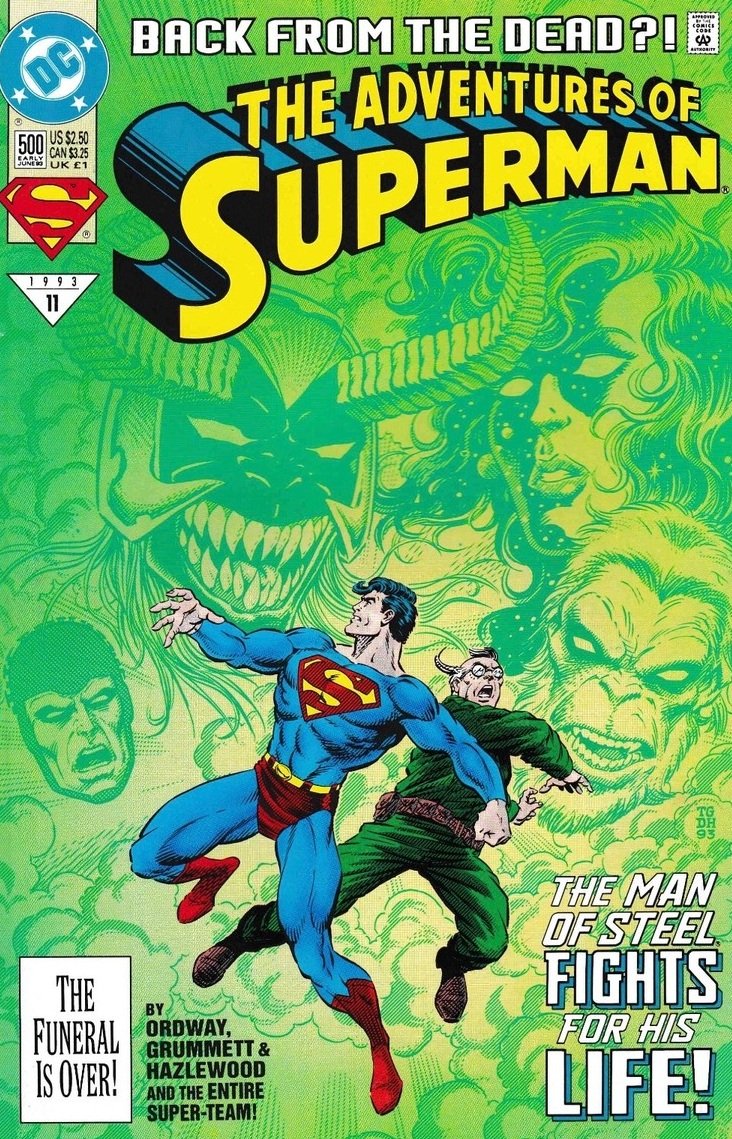
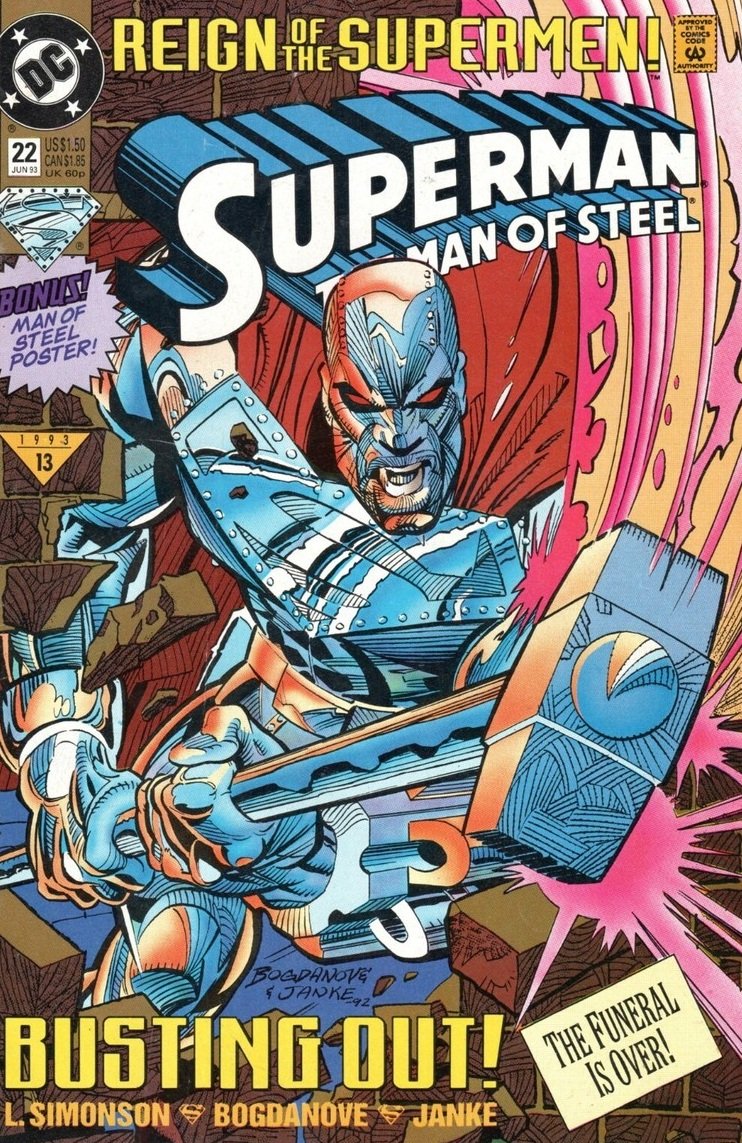
The natural back issue connection is Superman: The Man of Steel #22 from 1993, the first full appearance and origin associated with John Henry Irons as Steel. His earlier introductory appearance in Adventures of Superman #500 belongs in that conversation, too. Keeping both books in context helps explain why an Absolute version could attract attention: Steel already has an established identity, a recognizable place in Superman history, and collectors who follow the character independently of whichever Superman series happens to be running. A new interpretation gives that audience another significant issue to evaluate.
For this week’s Top 5 new key comics, the attraction is how the Absolute Universe continues building its supporting cast. Absolute Superman #1 remains the starting point for this version of Superman, while later introductions create a second layer of potential keys. Steel’s importance will depend on what Aaron does with him after the armor arrives. A lasting ally with a distinct role has a stronger collecting argument than a familiar name making a brief stop. The debut deserves attention; the character’s staying power will determine how much of that attention lasts.
 Midnight Spider-Man #1
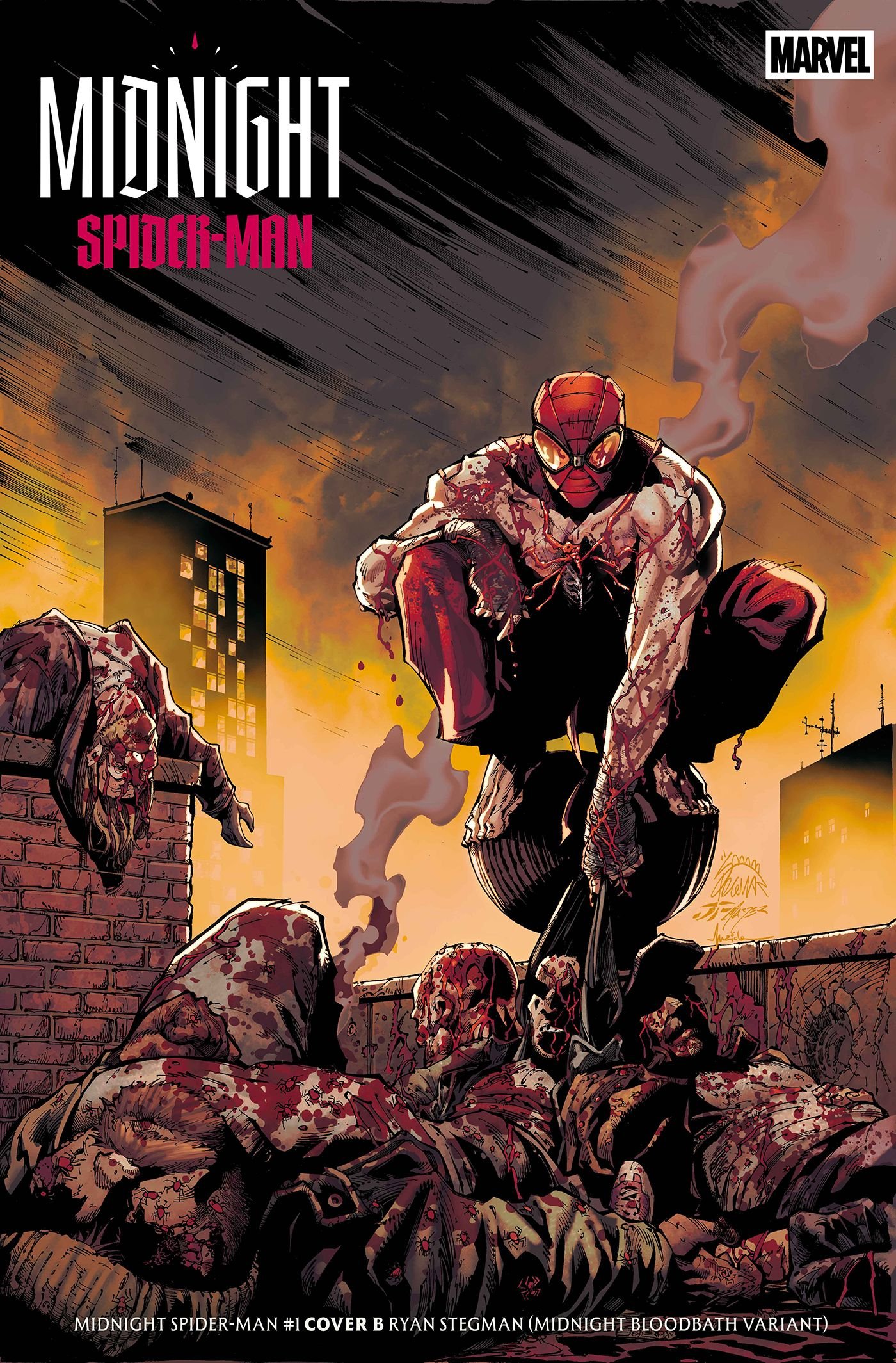
Writer: Phillip Kennedy Johnson. Artist: ScieTronc. Colorist: Neeraj Menon. Letterer: Joe Caramagna.
Peter Parker’s latest origin replaces the familiar accident with something considerably more deliberate. Oscorp’s pursuit of eternal life turns him into a human-spider hybrid, and the company then uses what it discovers to develop additional human-animal creatures. Phillip Kennedy Johnson and ScieTronc establish a Spider-Man whose transformation is central to the horror premise, giving this first issue an origin angle beyond another costume change or temporary mutation. Oscorp has apparently found a way to make its already questionable business practices worse.
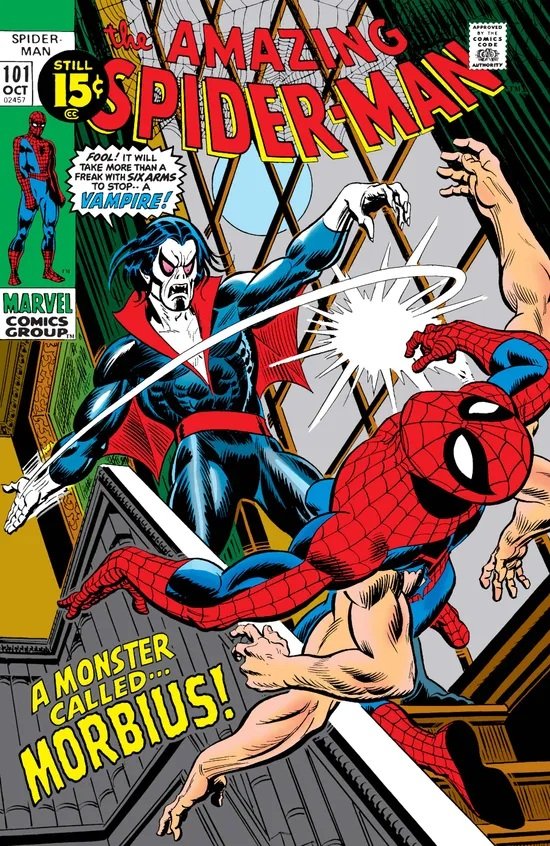
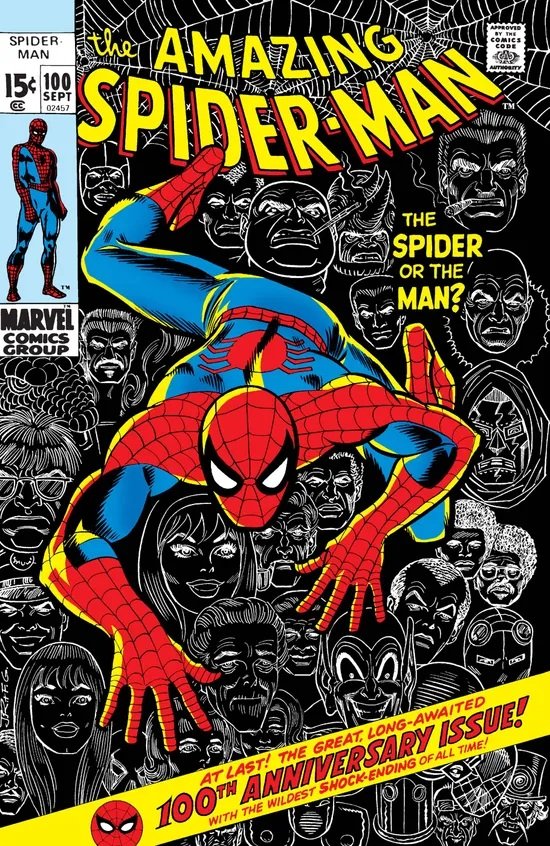
An obvious historical anchor is The Amazing Spider-Man #100, which introduced Peter’s six-arm transformation in 1971, followed by The Amazing Spider-Man #101, the first appearance of Morbius. Those issues established how effectively Spider-Man’s scientific origins could move into monstrous territory. They provide context for the Midnight approach without making this new universe a continuation of that older storyline.
Among the Top 5 new key comics, this issue offers a combination speculators tend to notice: a new continuity, a reworked origin, and room for unfamiliar versions of established villains. The first issue establishes the series, but individual debut claims still require attention to the actual pages and any earlier preview material. Every character pictured in advance promotion does not automatically receive a first appearance here.
The longer-term question is whether Midnight Peter becomes a recognizable character in his own right. A visually distinct transformation helps, but recurring supporting characters and original threats could create additional keys as the series develops. For now, the sensible approach is to identify the debut, understand what makes this Peter different, and resist treating every launch copy as though future demand has already been settled.
The Demon #1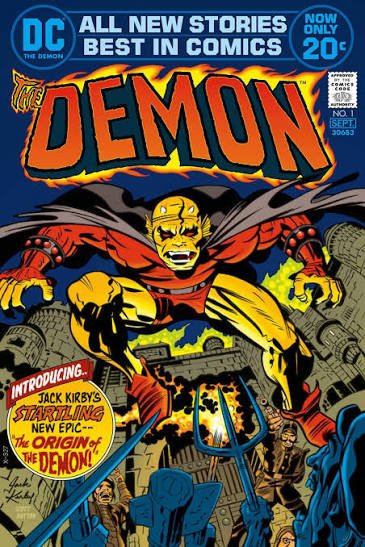
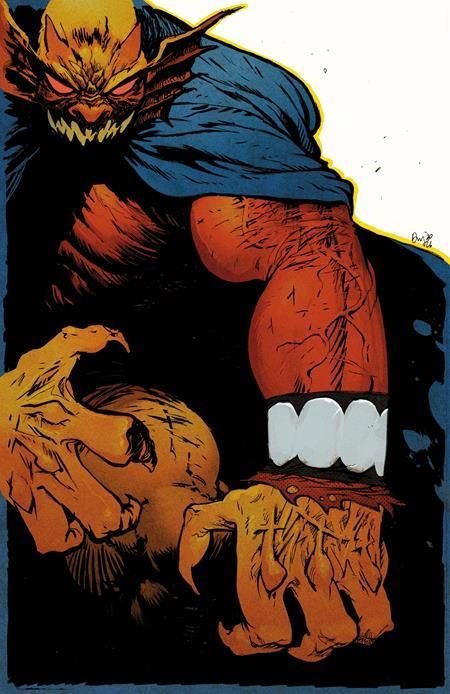
Writer and artist: James Harren. Colorist: Dave Stewart. Letterer: Clayton Cowles.
James Harren takes control of both the writing and art as Jason Blood finds himself pulled toward another confrontation with the darkness tied to Etrigan. The new series involves a lost wizard and a voice from Hell, giving Blood a supernatural mystery that threatens both the world around him and his own soul. Harren’s involvement is a substantial part of the collecting appeal here. His work on Ultramega makes him a fitting creator to bring scale, physical menace, and unsettling transformations to a character who was never particularly suited to subtle entrances. Dave Stewart supplies the colors, with Clayton Cowles handling the lettering.
The back issue connection starts with The Demon #1 (1972), Jack Kirby’s introduction of Etrigan and Jason Blood. That original issue establishes the characters and their supernatural foundation, making it the relevant historical key behind this new launch. Collectors following renewed attention around Etrigan have a clear starting point without having to force an unrelated book into the discussion. The new The Demon #1 begins Harren’s series; the original introduced the characters themselves. Both can attract interest for different reasons.
For this week’s Top 5 new key comics, the strongest angle is an established Kirby creation receiving a new series from a creator with a recognizable approach to horror. That gives the launch potential appeal among Etrigan collectors and fans of Harren’s work. Any new character or villain introduced here could add another reason to track the issue, but those claims need confirmation from the actual pages. A mysterious wizard in the advance description is a lead to investigate, not permission to invent a first appearance.
The collecting question is what Harren adds that carries beyond the opening issue. A distinctive supporting character, a lasting threat, or a meaningful change to Blood’s relationship with Etrigan would strengthen the case. Until then, the creator pairing and the connection to Kirby’s original debut are enough to justify attention. Another number one can get a book noticed. What happens inside determines whether that attention sticks.
Something Is Killing the Children #50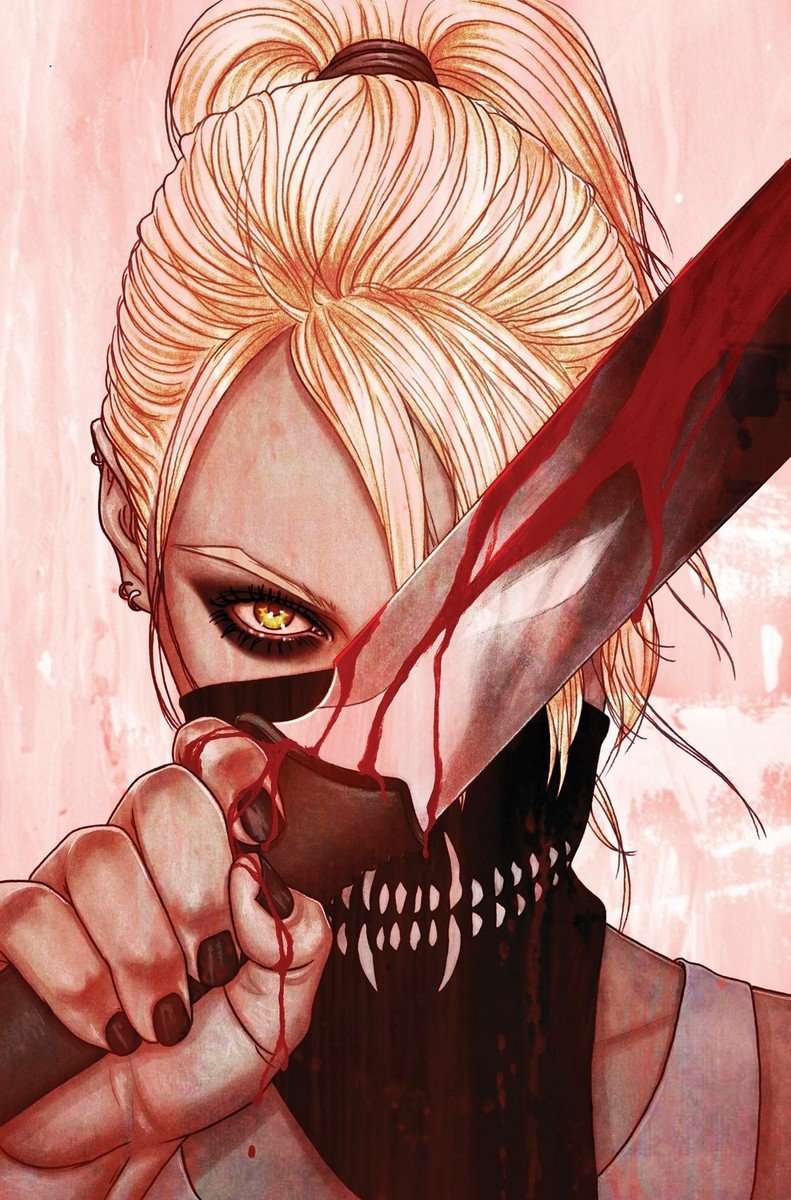
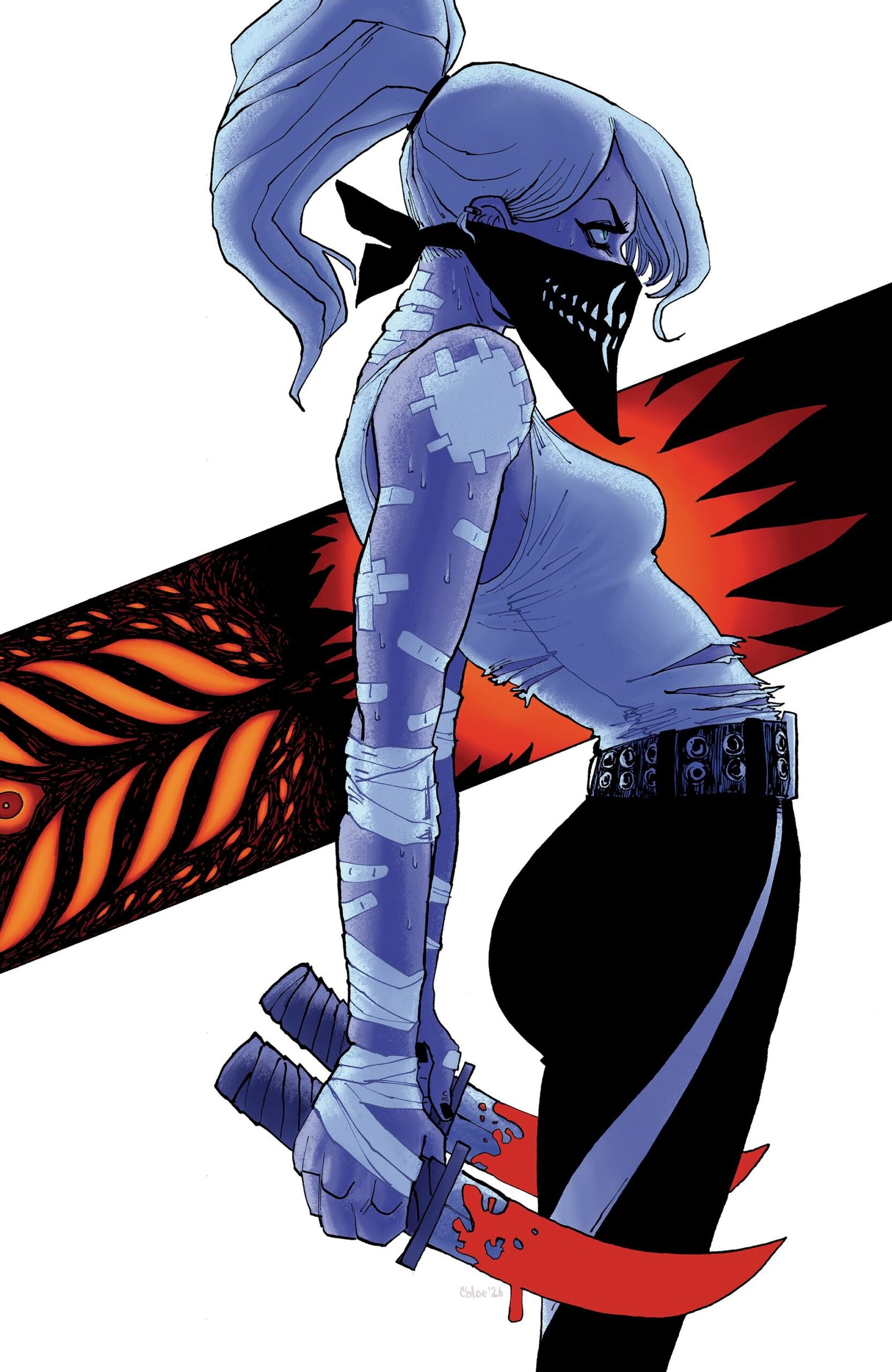
Writer: James Tynion IV. Artist: Werther Dell’Edera. Colorist: Miquel Muerto. Letterer: AndWorld Design.
Erica Slaughter returns to the present-day storyline carrying the consequences of Tribulation. Her confrontation with Cutter and Gabi’s death leave her on the run from the Order, and her escape brings her to Valmont Mountain Lodge, a location tied to her past. James Tynion IV and Werther Dell’Edera use the fiftieth issue to move Erica’s story forward again, with the lodge raising questions about who remains there and what she will encounter. The milestone has a clear narrative purpose beyond giving the number on the cover something to celebrate.
Something Is Killing the Children #1 from 2019 remains the essential starting point and Erica Slaughter’s first appearance. Issue #50 offers a different proposition: a major return to the current timeline in an established horror property. That distinction is worth preserving. A fiftieth issue can become important through a revelation, introduction, or lasting change, but the number itself does not supply all three.
The advertised mystery surrounding Valmont Mountain Lodge makes this a book to examine for developments that could matter later. A returning location can connect older character history to a new threat, and that connection may give previous issues fresh relevance. Until the issue establishes those details, naming an unseen new villain or declaring a surprise first appearance would be getting ahead of the evidence.
Within the Top 5 new key comics, this is the established-series selection with a meaningful turning point. Tynion and Dell’Edera already have a recognizable creation; the question is how this next stage expands it. For speculators, the strongest reason to track #50 is what changes for Erica and the surrounding mythology. Anniversary attention can get people looking. A consequential development gives them a reason to keep looking after the milestone passes.
Midnight X-Men #1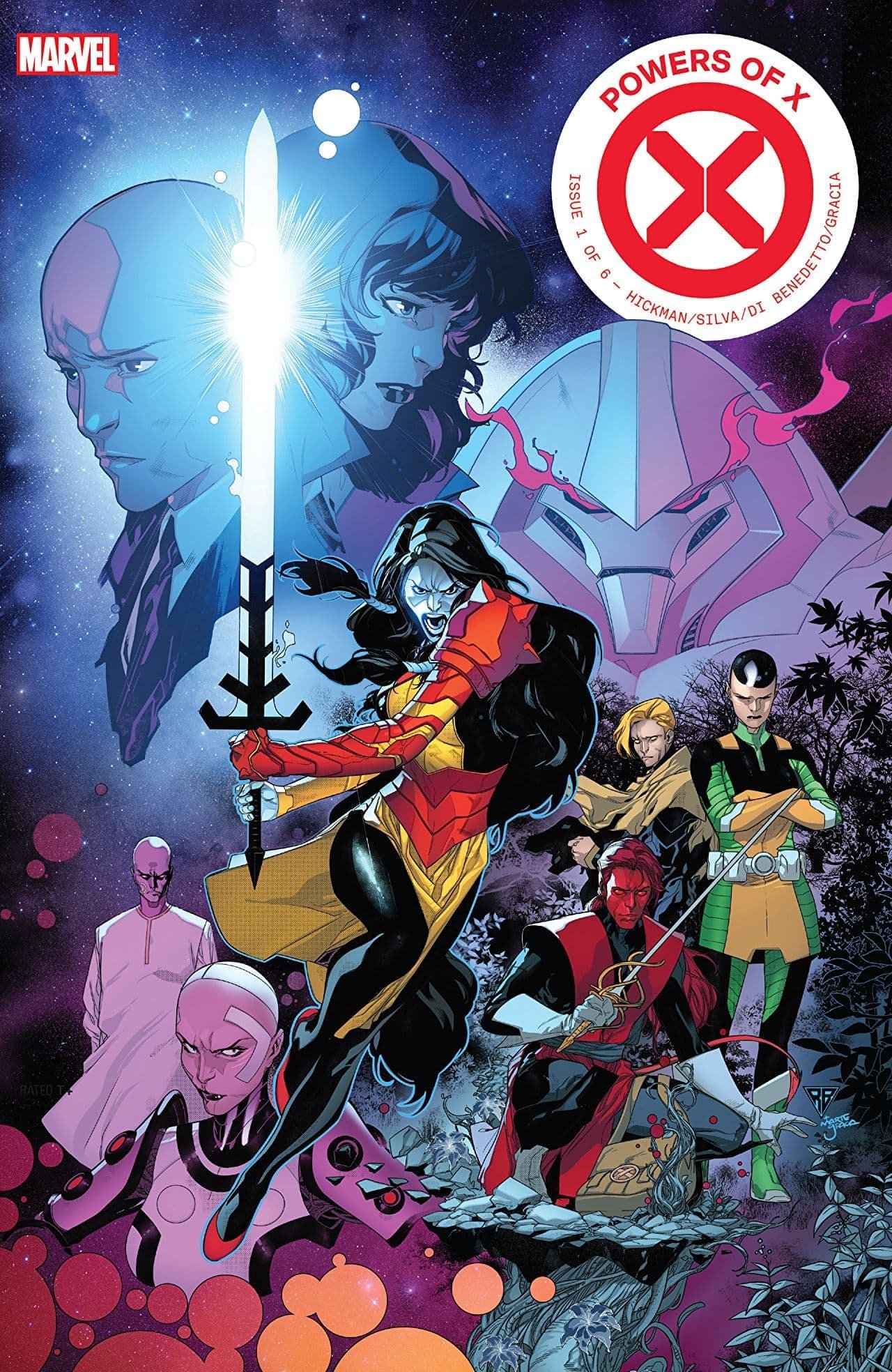
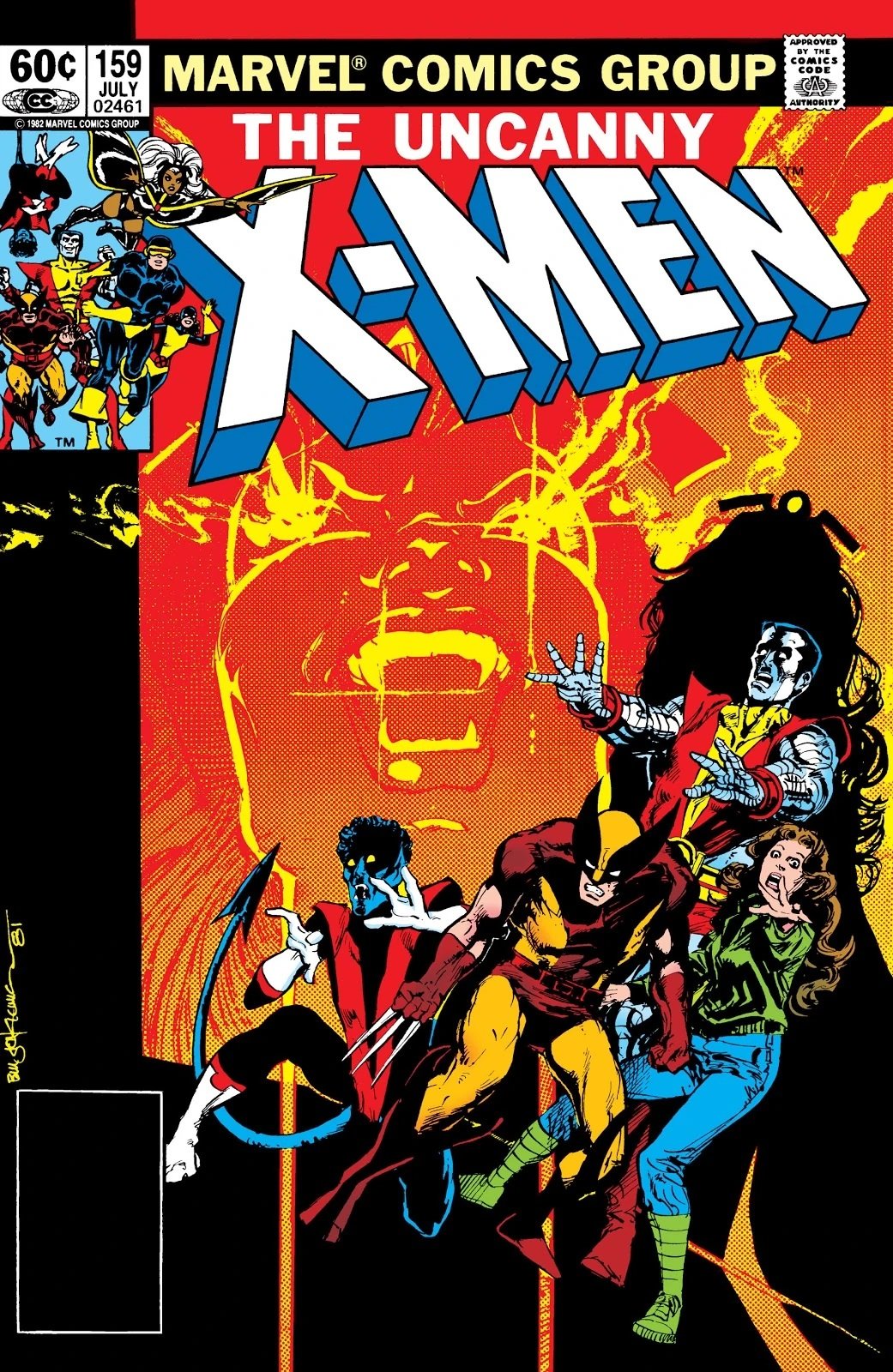
Writer: Jonathan Hickman. Artist: Matteo Della Fonte. Colorist: Arthur Hesli. Letterer: Cory Petit.
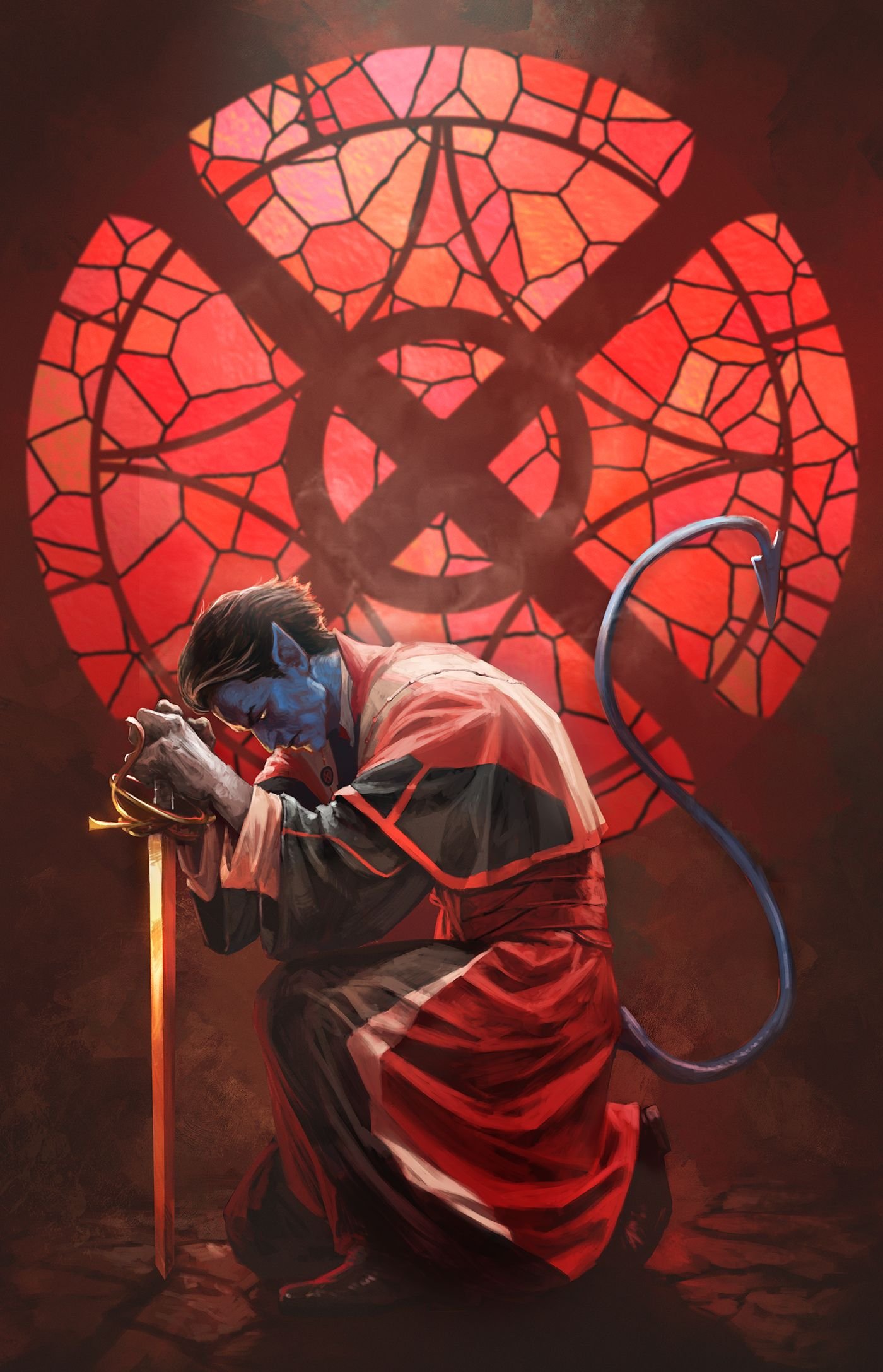
Jonathan Hickman returns to the X-Men with a setting built around vampires, mutant powers, and a fragile balance between competing factions. New York becomes the ground on which those interests collide, with the unturned population exposed when that balance breaks down. Matteo Della Fonte and Arthur Hesli help establish a new version of the mutant world, making this opening issue a launch to track for its character introductions and the rules governing its supernatural conflict.
There is a particularly useful back issue connection in The Uncanny X-Men #159 from 1982, where Dracula targets Storm. Marvel’s mutants have encountered vampires before, so presenting Midnight as their first brush with that territory would overlook a significant part of their history. The new angle is an ongoing universe built around that conflict, allowing familiar characters to occupy different roles rather than simply surviving a supernatural guest appearance.
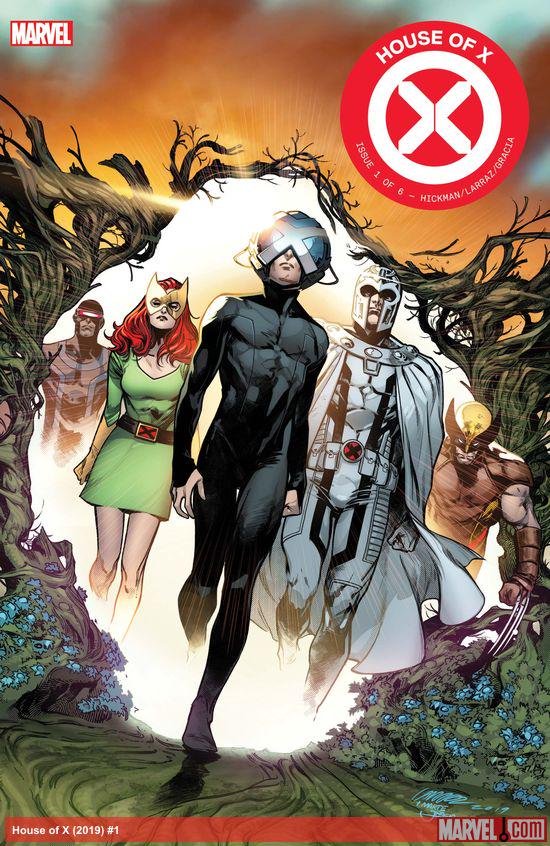
Hickman’s involvement adds another reason to watch how the first issue establishes its factions and supporting cast. His work on House of X #1 and Powers of X #1 demonstrated the collecting interest that can accompany a substantial change to the mutant world. That history explains attention around this launch; it does not predict the same outcome.
The strongest speculation angle is the opportunity for the series to produce distinct, recurring versions of familiar characters and genuinely new additions. Record the appearances accurately, watch which characters become central, and let later issues establish their importance. The market will supply plenty of enthusiasm without anyone having to manufacture extra first appearances.
-Jay Katz