
 Top 5 New Key Comics 11-25-26
Books from Jay Katz of InvestComics
Jay Katz of InvestComics has three comic-themed books available on Amazon: The Beginner’s Guide to Comic Investing: How to Spot Trends in Comics Before Everyone Else, The Ultimate Comic Book Word Search, and The Ultimate Comic Crossword Puzzle. Whether you want to sharpen your speculation instincts or test your comic knowledge, all three books are available in one place.
 View all three books on Amazon
LAST WEEK’S Top 5 New Key Comics 11-18-26
Clicking any red-highlighted link or comic book cover may direct you to eBay or another third-party marketplace where the item may be available for purchase. Please use your own judgment before buying. Always review the seller’s rating, feedback, item description, photos, shipping terms, and return policy before completing any transaction. InvestComics does not sell these items directly, does not control third-party listings, and is not responsible for any transaction, seller, product condition, shipping issue, refund, or dispute. InvestComics does not endorse any individual seller or listing. InvestComics participates in the eBay Partner Network and may receive compensation from qualifying purchases made through affiliate links on this site.
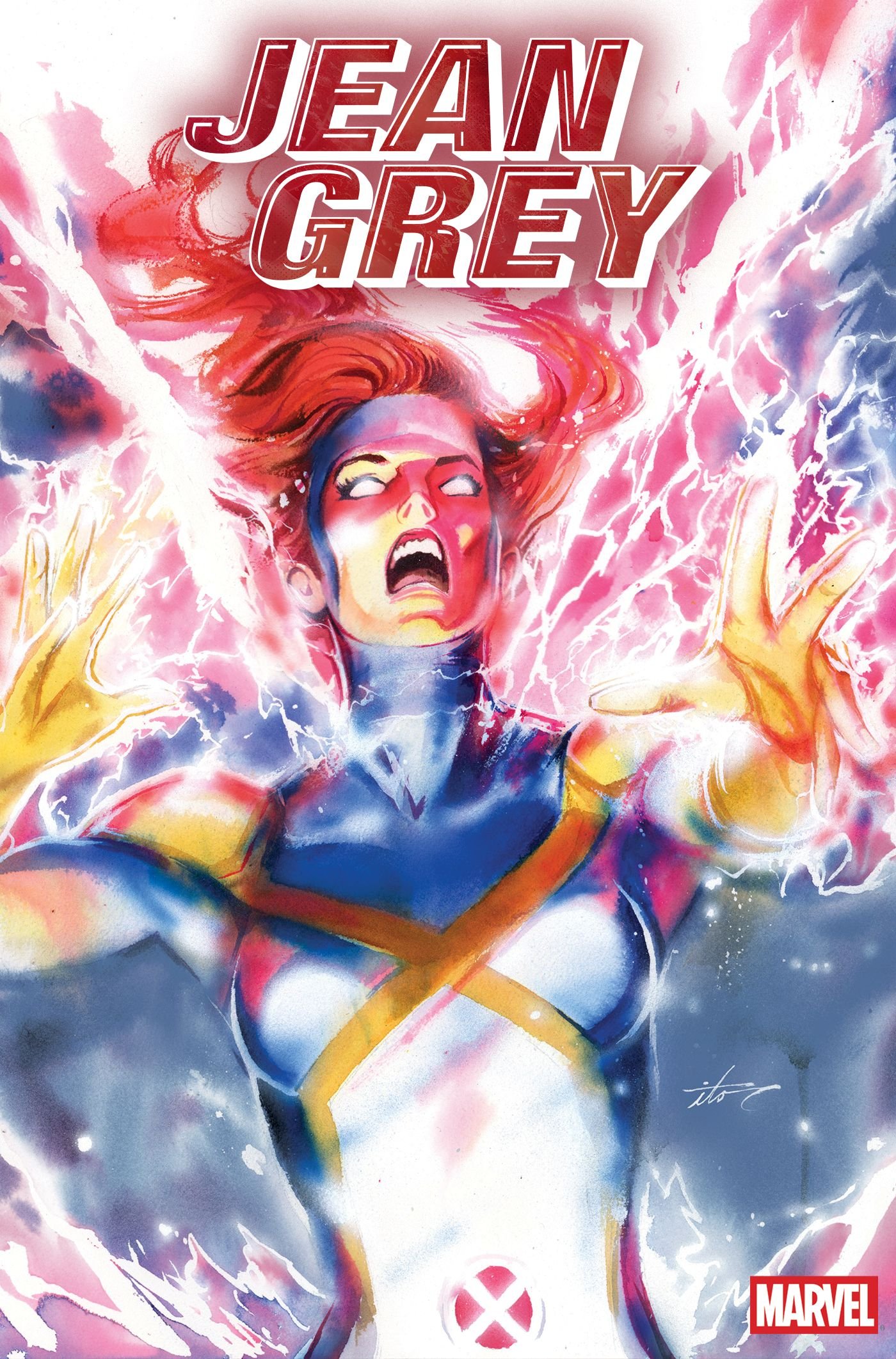 Jean Grey #1
Writer: Jed MacKay / Penciller & Inker: Rogê Antônio / Colorist: Edgar Delgado / Letterer: Ariana Maher
Jean Grey is one of those Marvel characters whose history is so extensive that collectors sometimes overlook how many significant comic book milestones she has accumulated. She’s been an original X-Man, Marvel Girl, Phoenix, Dark Phoenix, a founding member of X-Factor, and one of the most powerful mutants in the Marvel Universe. Apparently, that still isn’t enough responsibility for one character. Now, following the events of DNX, Jean returns to Earth in a new five-issue solo series from Jed MacKay and Rogê Antônio. The Phoenix Force remains central to her identity, but returning home to a world that has changed considerably could prove just as complicated as controlling nearly unlimited cosmic power.
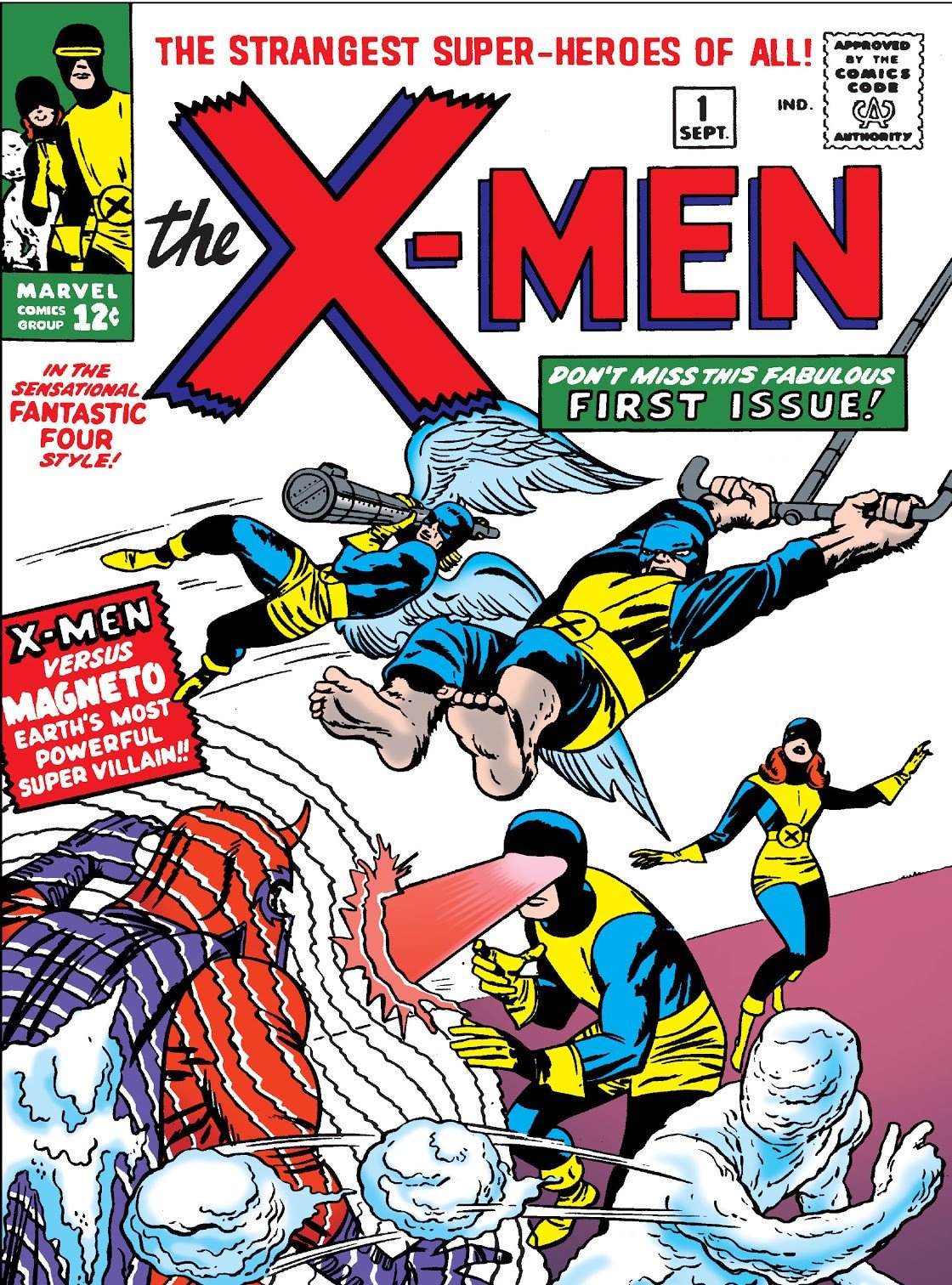
For comic book speculation, Jean Grey has several earlier appearances that deserve attention. Her introduction occurred in X-Men #1 (1963), created by Stan Lee and Jack Kirby. This Silver Age Marvel key introduced the original X-Men team, including Jean as Marvel Girl. Collectors already understand the historical significance of this comic, but the continued development of Jean’s character provides another reason for her earliest appearances to remain part of the conversation. What makes Jean particularly interesting is that her importance extends well beyond her original team, something Marvel recognized relatively early in its publishing history.
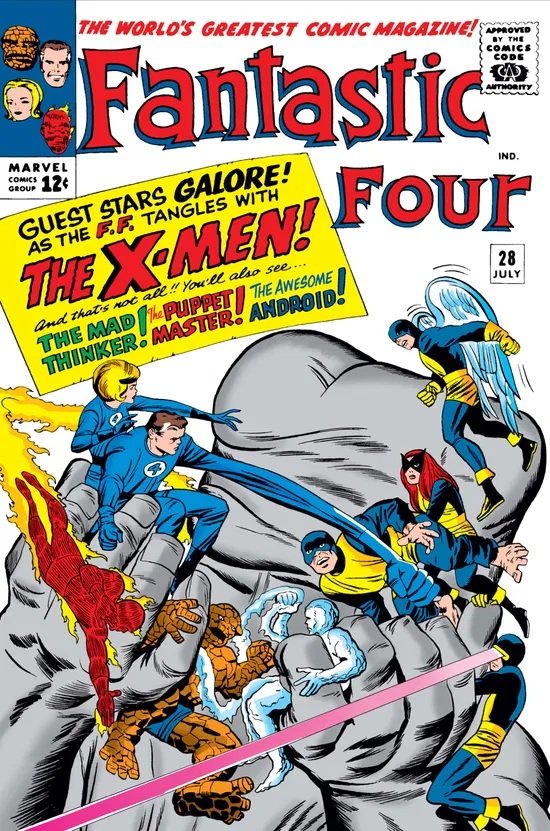
One of Jean Grey’s earliest appearances outside the X-Men title occurred in Fantastic Four #28 (1964). This Stan Lee and Jack Kirby comic featured the first meeting between the Fantastic Four and the X-Men. It’s an important early Marvel crossover that established connections between two of the company’s founding superhero franchises. For collectors interested in first meetings, rather than concentrating exclusively on individual character debuts, this is an important Silver Age comic. Jean was already participating in the larger Marvel Universe before the modern concept of massive interconnected crossover events became standard publishing practice.
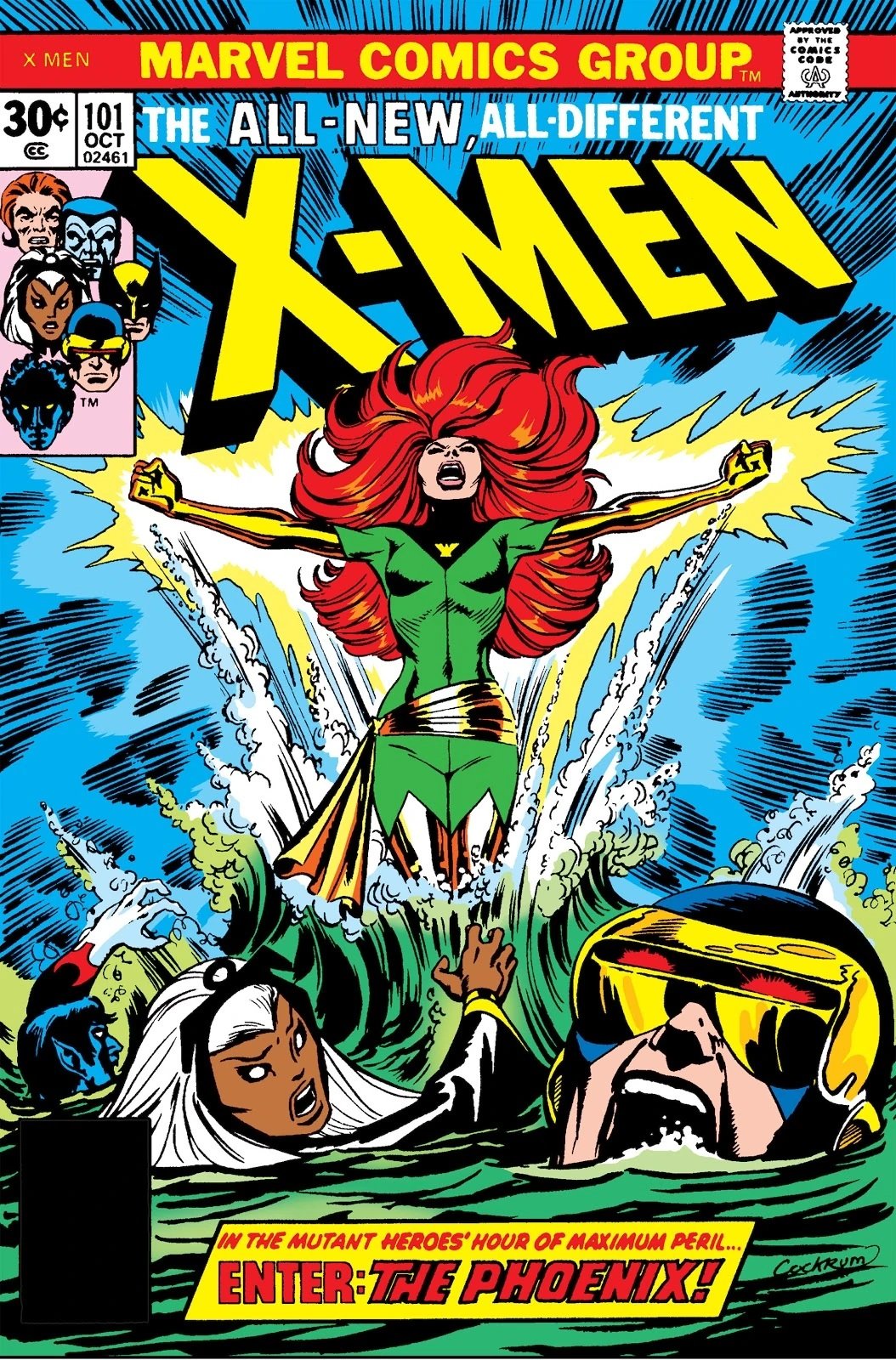
Another major comic in Jean’s history is X-Men #101 (1976), featuring the first appearance of Jean Grey as Phoenix. Chris Claremont and Dave Cockrum helped establish a transformation that would permanently alter her place in Marvel Comics. The Phoenix identity eventually became inseparable from Jean’s mythology, creating several decades of major storylines and collectible comic book covers. From a speculation standpoint, the significance of X-Men #101 is established, although its desirability and market value are still subject to changing collector demand, condition, and availability.
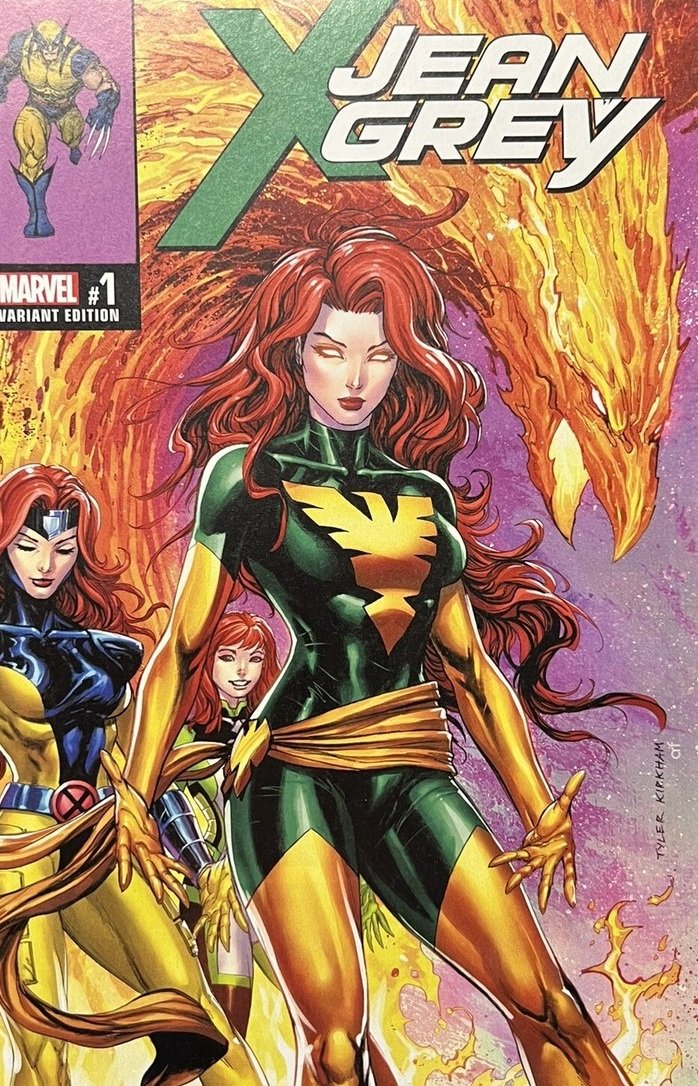 Jean’s first ongoing solo title arrived much later with Jean Grey #1 (2017), written by Dennis Hopeless and featuring artwork by Victor Ibáñez. This series centered on the younger, time-displaced Jean Grey confronting the possibility of becoming Phoenix. It marked the first ongoing comic series bearing her name, a surprising milestone considering how long the character had been part of Marvel’s publishing history. The 2017 first issue represents an affordable historical connection worth investigating alongside the much more expensive Silver Age and Bronze Age keys. Not every historically important comic requires a second mortgage, which occasionally comes as a pleasant surprise in this hobby.
The new Jean Grey #1 takes another approach by placing the experienced Jean back on Earth following her cosmic adventures. Jed MacKay has been shaping the modern X-Men direction, and this limited series is positioned to connect her return with the team’s future. That creates speculation questions involving her relationship with Cyclops, her responsibilities as Phoenix, and how Earth’s mutant population responds to her return. It also raises the possibility of new characters, changes in status, or significant developments that could carry forward into the ongoing X-Men titles.
The featured Ito cover provides an additional collecting angle. Its colorful interpretation of Jean’s Phoenix power offers something visually different from the more traditional superhero presentation. Collectors who follow individual artists may find this version particularly appealing, especially when comparing it with Joëlle Jones’s main cover and the other variants. The long-term value of a cover is never guaranteed by attractive artwork alone, but distinctive visual interpretations of established characters can develop their own audience. Jean Grey has enough recognizable identities and historical moments to support multiple collecting approaches, and this new solo series adds another chapter to an already substantial character legacy.
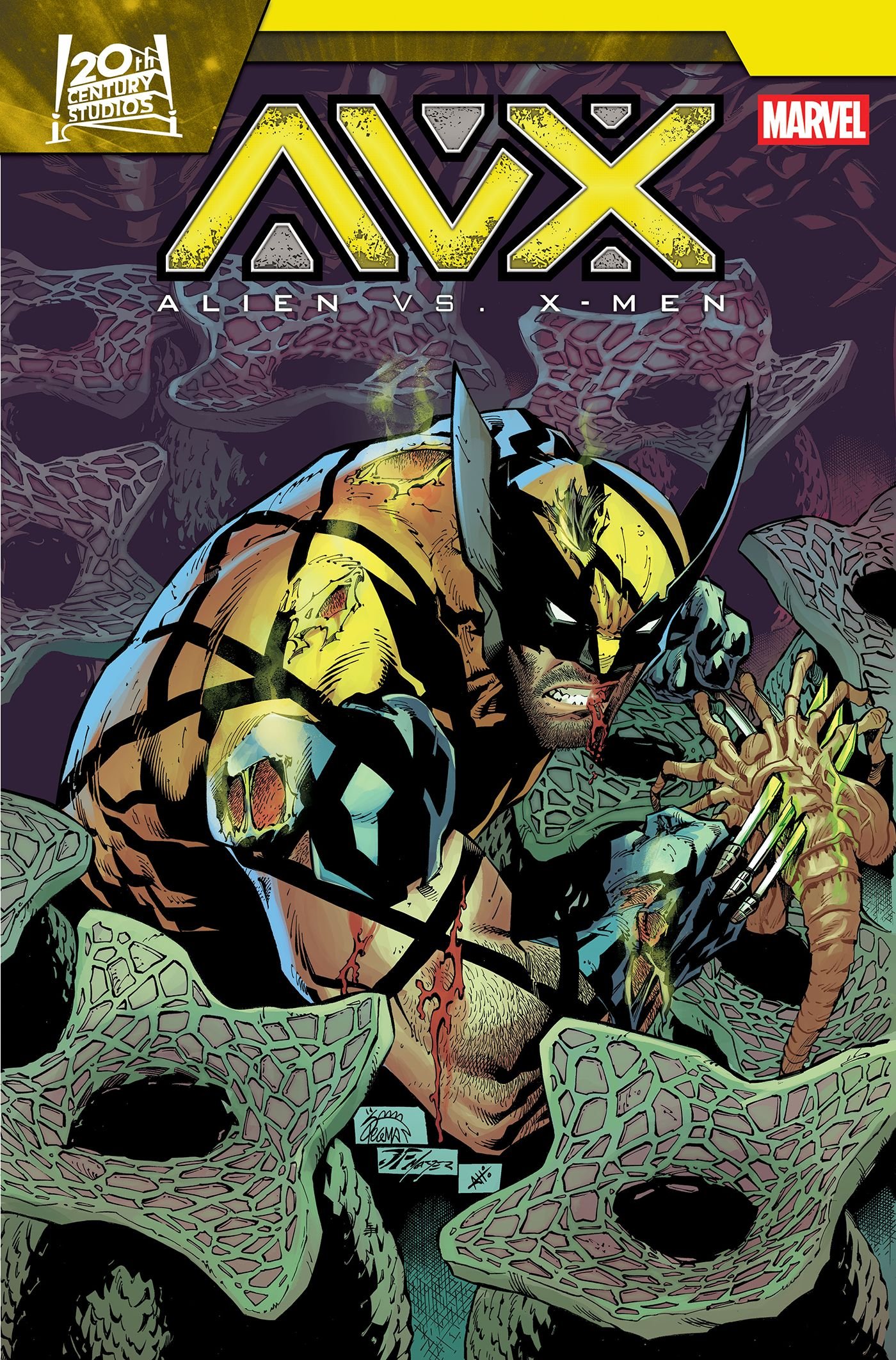 Alien vs. X-Men #3
Writers: Kieron Gillen and Chris Claremont / Artists: Geraldo Borges and David Messina / Inkers: Geraldo Borges and David Messina / Colorists: Andrew Dalhouse and Rain Beredo
Before Marvel introduced Xenomorphs into its comic book publishing universe, the Alien franchise had already established a substantial comic book history. That history is important because collectors frequently associate the first Alien comics with Dark Horse Comics, which is understandable, but not entirely accurate. The distinction between the first comic book appearance of the Xenomorph, the first original Alien comic series, and the first Marvel-published Alien series creates several separate collecting opportunities.
The earliest published comic adaptation of the franchise appeared in Alien: The Illustrated Story (1979), written by Archie Goodwin with artwork by Walter Simonson. Published through Heavy Metal, this graphic novel adapted Ridley Scott’s original motion picture. It predates Dark Horse’s Alien comics by nearly a decade and represents the earliest major appearance of the Xenomorph in comic book form. This is an important distinction for collectors pursuing true first appearances. The familiar Dark Horse comic may receive more attention, but the 1979 adaptation arrived first.
Dark Horse Comics subsequently introduced Aliens #1 (1988), written by Mark Verheiden with artwork by Mark A. Nelson. This six-issue series followed the events of the film Aliens and helped establish the franchise as a legitimate comic book property beyond direct movie adaptations. The dark, detailed artwork and horror-oriented storytelling influenced how subsequent publishers approached the Xenomorphs. The series also helped demonstrate that film properties could establish successful independent comic book continuities. For collectors, the first Dark Horse Aliens issue holds importance as the beginning of that original publishing era, even though it is not the creature’s earliest comic appearance.
Marvel’s own publishing chapter began with Alien #1 (2021), written by Phillip Kennedy Johnson and illustrated by Salvador Larroca. This was the launch of the first Alien series published by Marvel following the transition of the franchise’s comic book rights. The issue introduced readers to Gabriel Cruz and a new chapter involving Weyland-Yutani and the Xenomorph threat. It provides collectors with another clearly defined publishing milestone, especially those interested in tracking the franchise across different comic book companies.
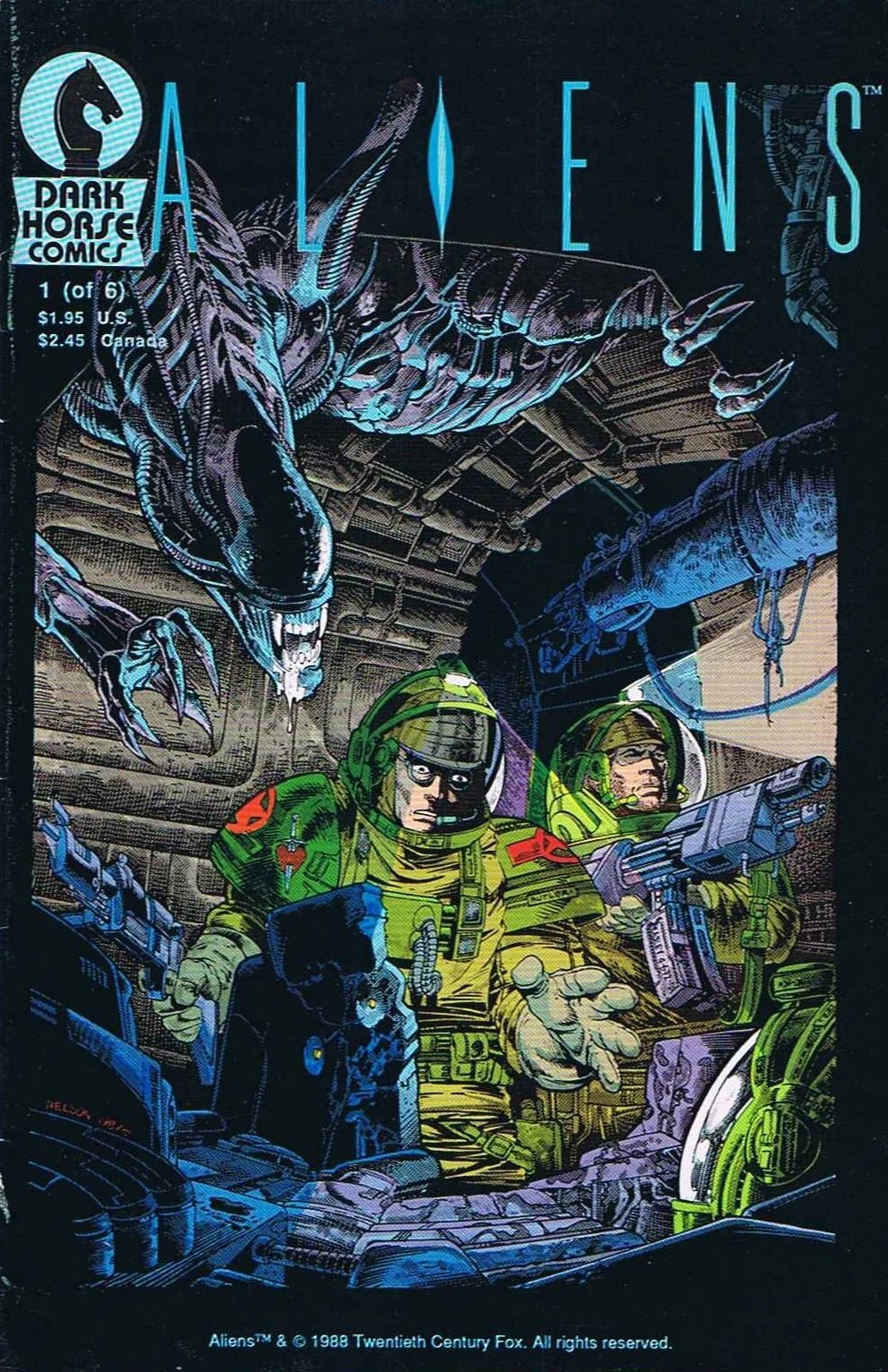
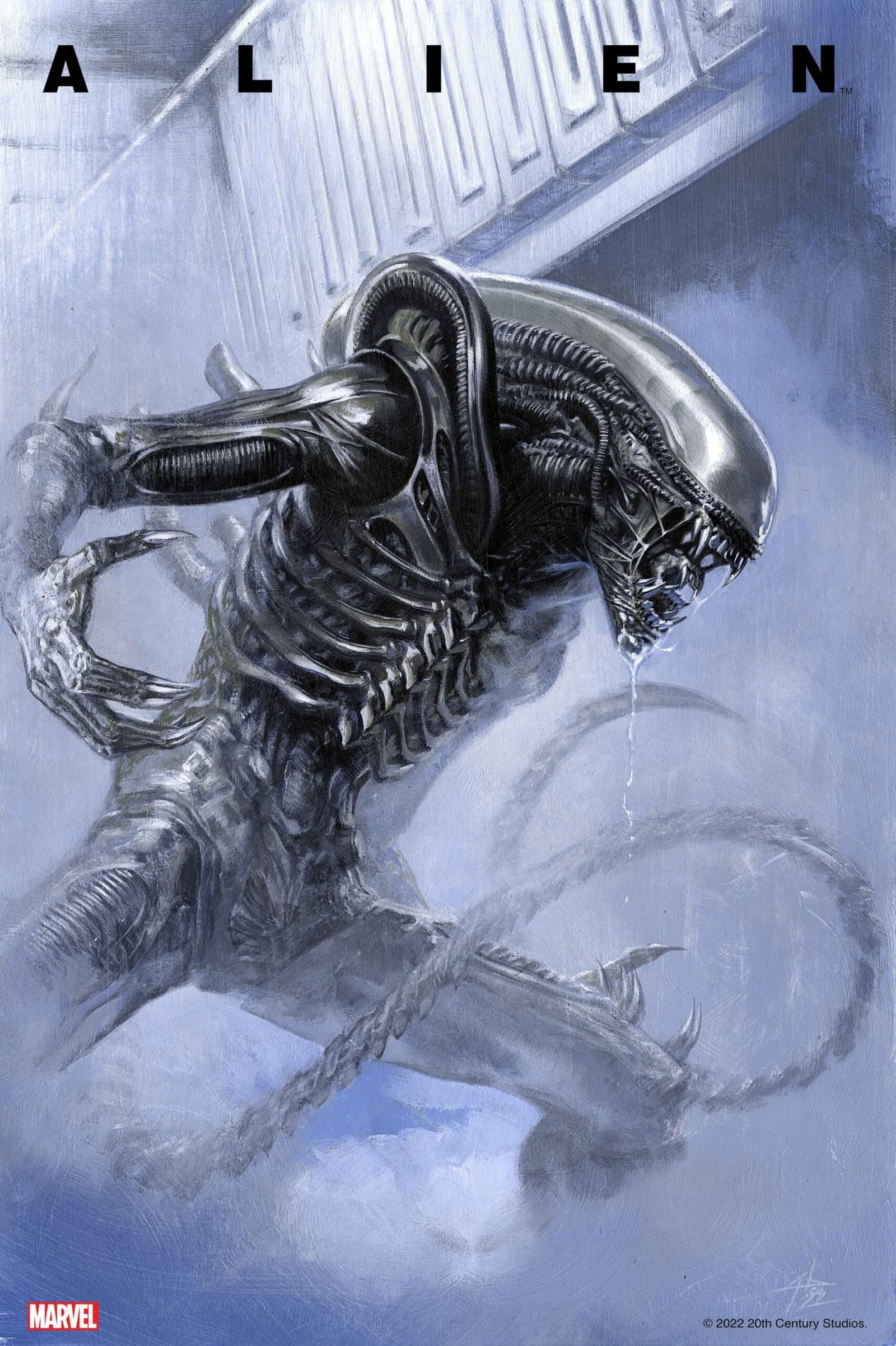
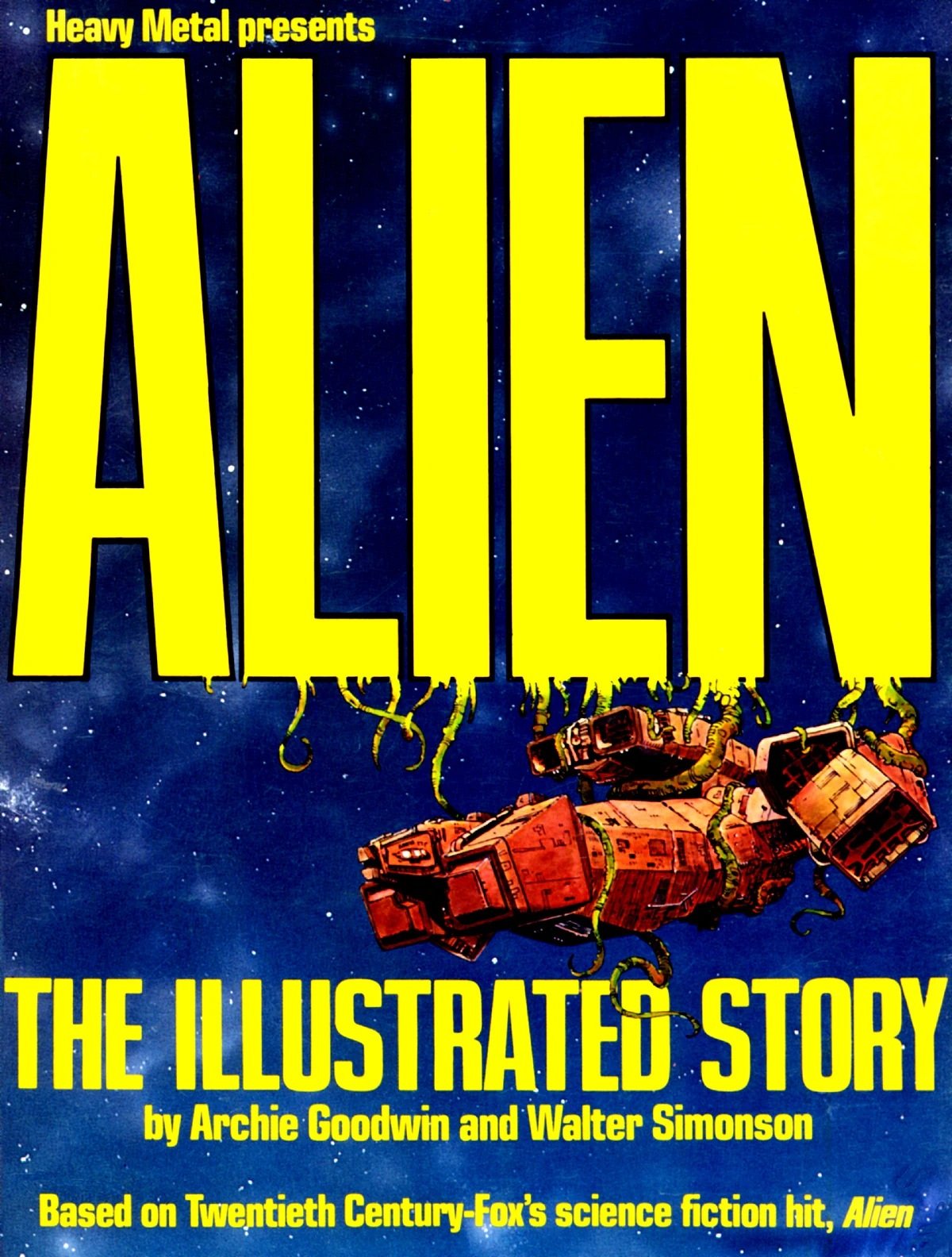 That brings us to the current Alien vs. X-Men storyline, where Kieron Gillen has taken a franchise built around survival horror and introduced Marvel’s mutant population into an increasingly disastrous situation. The first two issues established the Xenomorph threat, with the second installment involving Cable’s arrival from the future and the emergence of a new Alien Queen. The fact that Cable believes the situation requires intervention from the future should tell everyone how poorly things are progressing. Apparently, dealing with extinction-level threats has become another routine assignment for the X-Men.
Issue #3 adds Sentinels to the conflict. The mutant-hunting machines arrive with their own proposed solution to the Xenomorph infestation, and their willingness to destroy the X-Mansion creates another serious problem. The X-Men must contend with a species that spreads through biological reproduction while facing machines designed specifically to eliminate mutants. This combination creates intriguing possibilities involving mutant biology, Xenomorph evolution, and the consequences of bringing these two fictional universes together.
Chris Claremont’s accompanying story adds another important connection. Kitty Pryde and Rachel Summers confront the Xenomorph Queen in a storyline involving the Phoenix. Claremont’s participation is significant considering his enormous influence on the X-Men franchise and its history of cosmic threats, transformations, and complicated family relationships. Rachel Summers and the Phoenix mythology are particularly appropriate for this material, given how frequently Jean Grey’s legacy intersects with major developments across the X-Men universe.
The collecting conversation surrounding Alien vs. X-Men #3 extends beyond the obvious crossover appeal. New Xenomorph variations, potential mutant-alien transformations, the continuing role of the new Alien Queen, and the involvement of classic X-Men characters all deserve attention. Any confirmed first appearances will need to be distinguished from characters and creatures introduced in the earlier installments. Comic book speculation depends on making those distinctions rather than assigning first-appearance status to every unfamiliar creature on a cover.
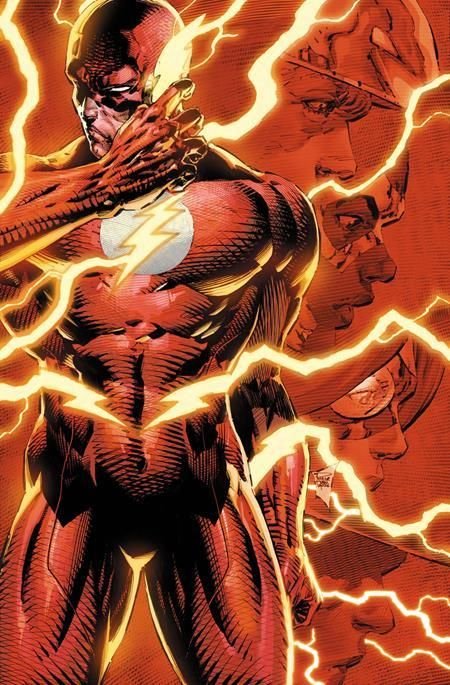 The Flash #39
Writer: Ryan North / Artist and inker: Gavin Guidry / Colorist: Adriano Lucas
The Flash has one of the more interesting problems among DC’s established superheroes. He’s an incredibly recognizable character with decades of publishing history, multiple television adaptations, and major appearances throughout the DC Universe. Yet his villains don’t always receive the same attention that Batman’s or Spider-Man’s adversaries command. Captain Cold, Mirror Master, Gorilla Grodd, and Reverse-Flash are familiar names, but after that established group, the wider public’s recognition begins to thin considerably. That’s not to say the Flash has no strong villains. His classic Rogues are among DC’s most distinctive villain teams. The problem is that DC keeps returning to a relatively familiar selection instead of consistently developing new adversaries with comparable staying power.
That’s what makes The Flash #39 interesting. Ryan North and Gavin Guidry continue their storyline involving Wally West attempting to prevent crimes before they occur. Wally’s ability to see potential future disasters has placed him at odds with the Justice League, which questions the consequences of his approach. Events in the previous issue demonstrated that his attempts to intervene aren’t nearly as reliable as he’d hoped. Several bridges were destroyed despite his visions, and the League’s concerns have become increasingly difficult to dismiss. The current issue escalates the disagreement into a direct confrontation between Wally and his fellow superheroes.
More importantly for collectors, DC has announced that a new villain will be revealed in this issue. That’s a development worth monitoring because introducing another significant Flash adversary could contribute something the character’s mythology needs. Whether the villain becomes a recurring threat or remains limited to this storyline will depend on what DC does with the character afterward. A debut is important, but longevity and a meaningful connection to the hero can determine whether that first appearance develops sustained collector interest.
Historically, the Flash’s earliest villains introduced some creative concepts that remain recognizable today. Captain Cold first appeared in Showcase #8 (1957), an early Barry Allen adventure by 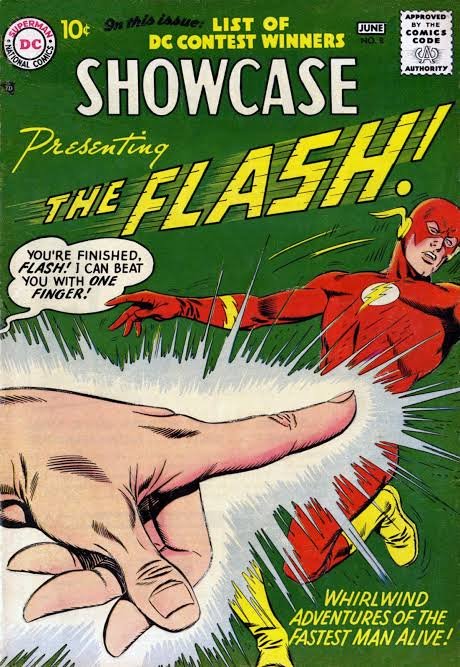
 Robert Kanigher and Carmine Infantino. Leonard Snart became one of the central figures in the Rogues and established the concept of a criminal using specialized technology to challenge the Fastest Man Alive. The character’s connection to the Flash has remained strong for generations, making his first appearance an important Silver Age DC key.
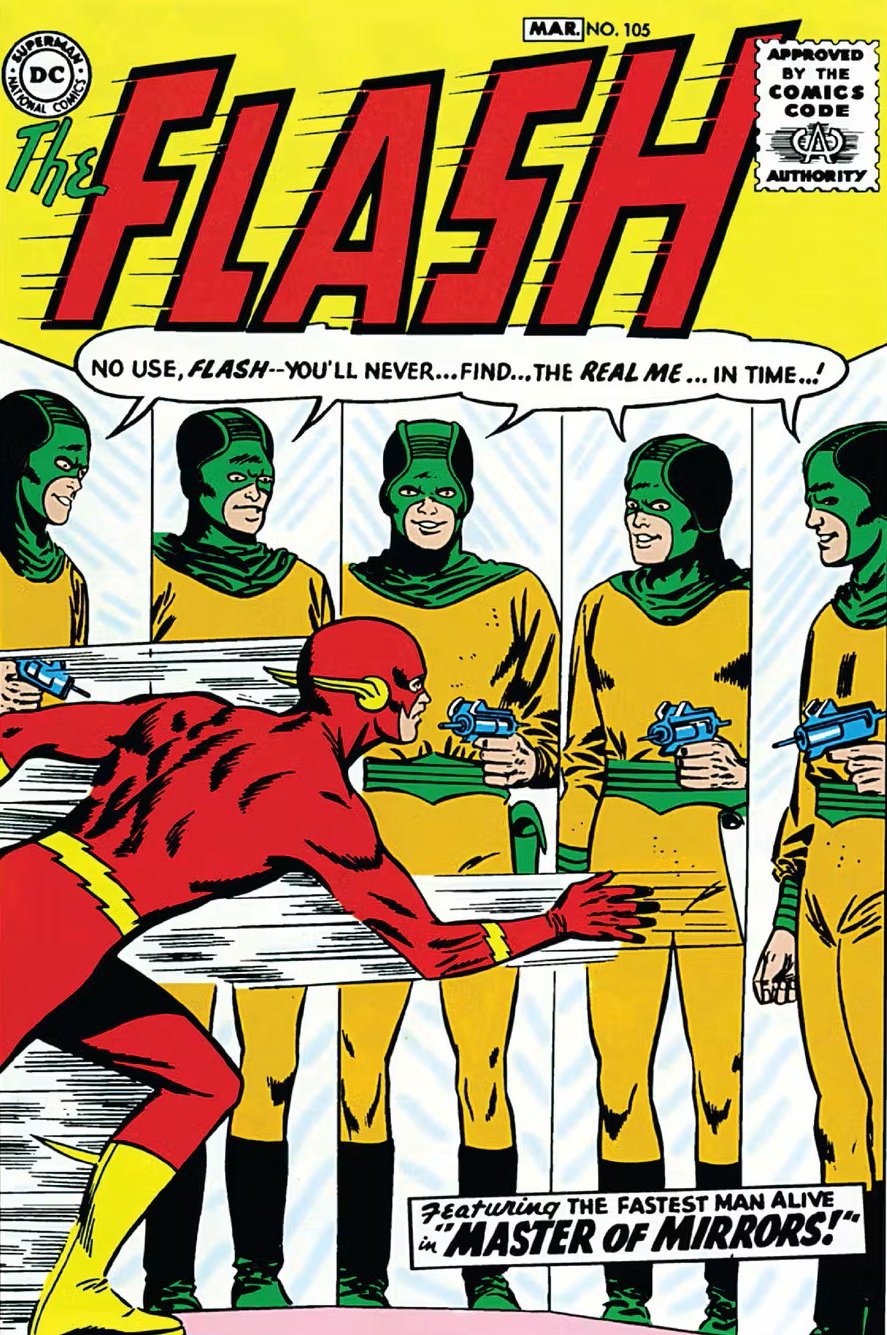
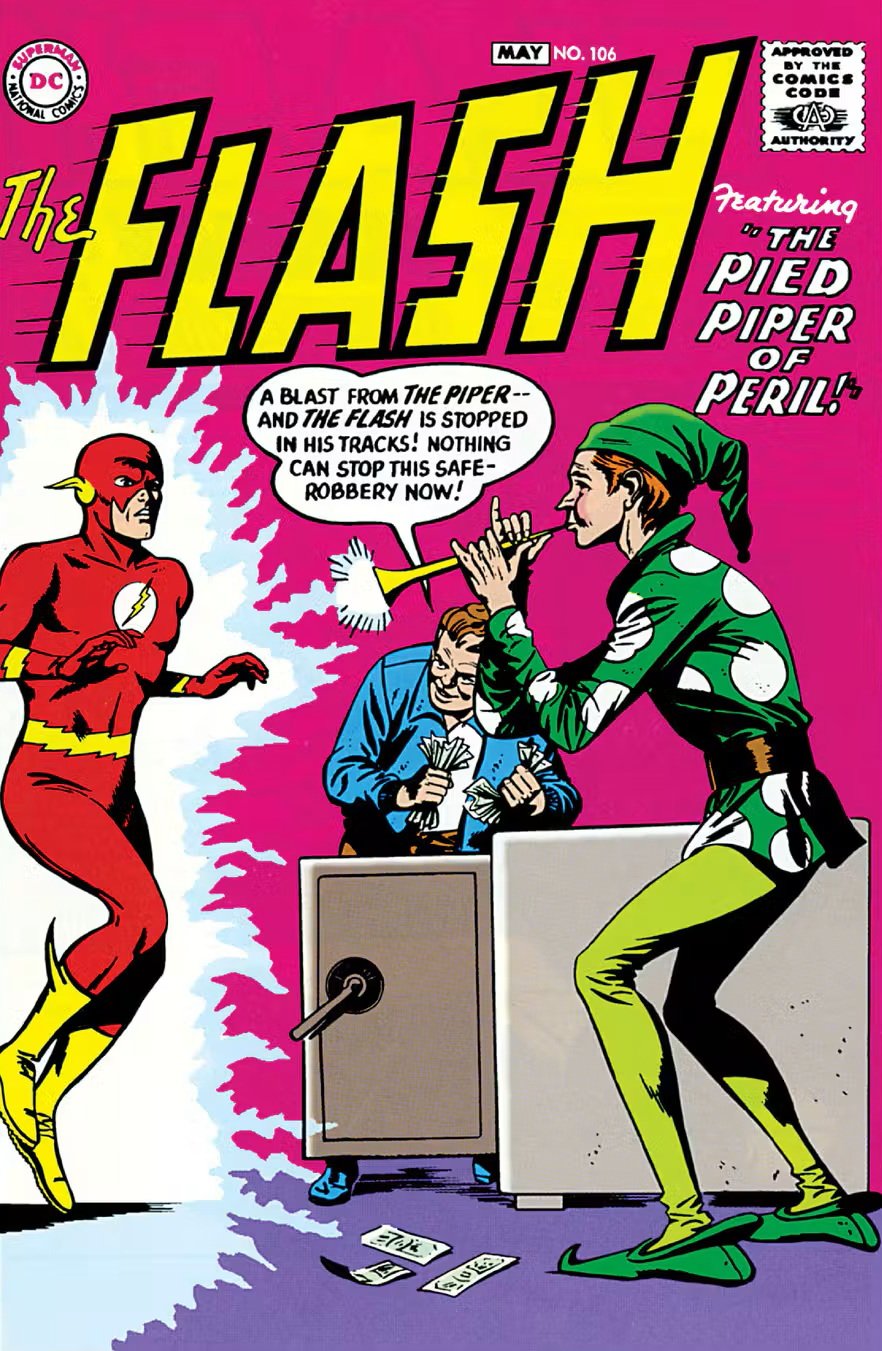
Mirror Master made his debut in The Flash #105 (1959), while Gorilla Grodd first appeared in The Flash #106 (1959). Both characters brought something substantially different to the hero’s early adventures. Mirror Master relied on illusion and mirror-based technology, while Grodd provided an intelligent, telepathic physical threat. Neither depended on simply outrunning the Flash, which explains part of their lasting appeal. Creating an interesting villain for someone who can move faster than almost anything is difficult. There are only so many situations where another bank robber with unusual equipment can convincingly keep Wally West occupied.
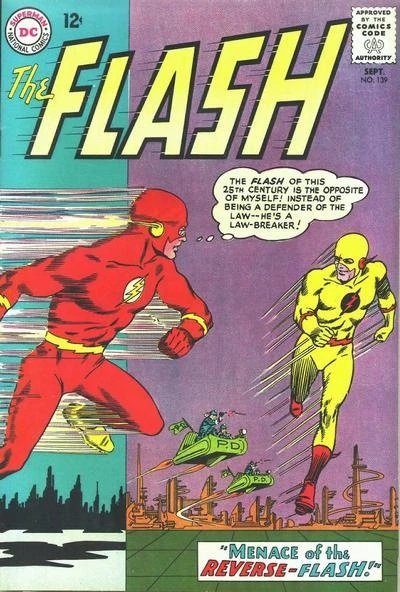
One of the most significant Flash villain introductions occurred in The Flash #139 (1963), featuring the first appearance of Eobard Thawne, also known as Professor Zoom or Reverse-Flash. This character established one of DC’s most personal superhero rivalries. Reverse-Flash could match the Flash’s abilities while attacking his life through time manipulation and deliberate psychological torment. His prominence demonstrates what can happen when a villain becomes integral to the hero’s personal history rather than remaining another opponent to defeat.
The Flash #39 offers an opportunity to follow the beginning of another potential adversarial relationship. There is also something compelling about Wally’s conflict with the Justice League. His efforts to prevent future crimes raise questions about responsibility, consequences, and the limits of superhero authority. Those concepts could create the foundation for a villain whose motivations are tied directly to Wally’s recent decisions.
From a comic book speculation perspective, the character’s actual introduction, identity, and subsequent appearances matter considerably more than promotional claims. Collectors should also pay attention to whether the new villain appears on a cover, receives a recognizable costume, or is connected to an existing Flash adversary. Those details often influence how first appearances are categorized and pursued. The opportunity to identify an important new character early is always appealing, but there’s a considerable difference between a potentially significant introduction and a confirmed long-term comic book key.
 The Spectacular Spider-Man #6
Writer: Dan Slott / Artist: Marcus To / Additional artist: Stefano Caselli / Inker: Stefano Caselli / Colorist: Alex Sinclair / Letterer: Joe Caramagna
Dan Slott and Marcus To are expanding their Spectacular Spider-Man storyline with a development that deserves immediate attention from first-appearance collectors. The Scavenger, a new Spider-Man villain, is being introduced, while another recent character, Turncoat, continues to develop following a full debut in the previous issue. Two relatively new adversaries appearing within consecutive installments offer collectors something more substantial than another return appearance by one of Peter Parker’s established enemies.
Turncoat’s full debut occurred in Spectacular Spider-Man: Brand New Day #5 (2026), making that issue a useful companion to the current release. Marvel’s promotion specifically identifies issue #5 as the character’s full debut, an important detail when evaluating the significance of issue #6. Collectors frequently encounter situations where a character appears briefly in one issue before receiving a more substantial introduction in another. These distinctions can produce separate markets for cameos, full appearances, and first covers. Turncoat and the Scavenger should be evaluated individually rather than assuming both characters originated in the same comic.
The Scavenger’s announced introduction in issue #6 is the more immediate first-appearance opportunity. Spider-Man has one of the largest and most established rogues galleries in comic book history, which can make it difficult for new villains to receive lasting attention. Green Goblin, Doctor Octopus, Venom, Mysterio, and the Lizard have occupied important positions in Peter Parker’s universe for decades. Introducing a character who can develop a meaningful place among that company requires more than an unusual name and an elaborate costume. Spider-Man already has plenty of those.
However, relatively recent characters have demonstrated that modern Spider-Man introductions can attract interest when subsequent stories provide them with a genuine role. The collectible significance of an initial appearance depends partly on what Marvel develops afterward. Will the Scavenger become a recurring problem for Peter Parker, or is this a storyline-specific adversary? Will Turncoat’s presence develop into a larger conflict? These are the questions that matter when approaching new key comics through a speculation lens.

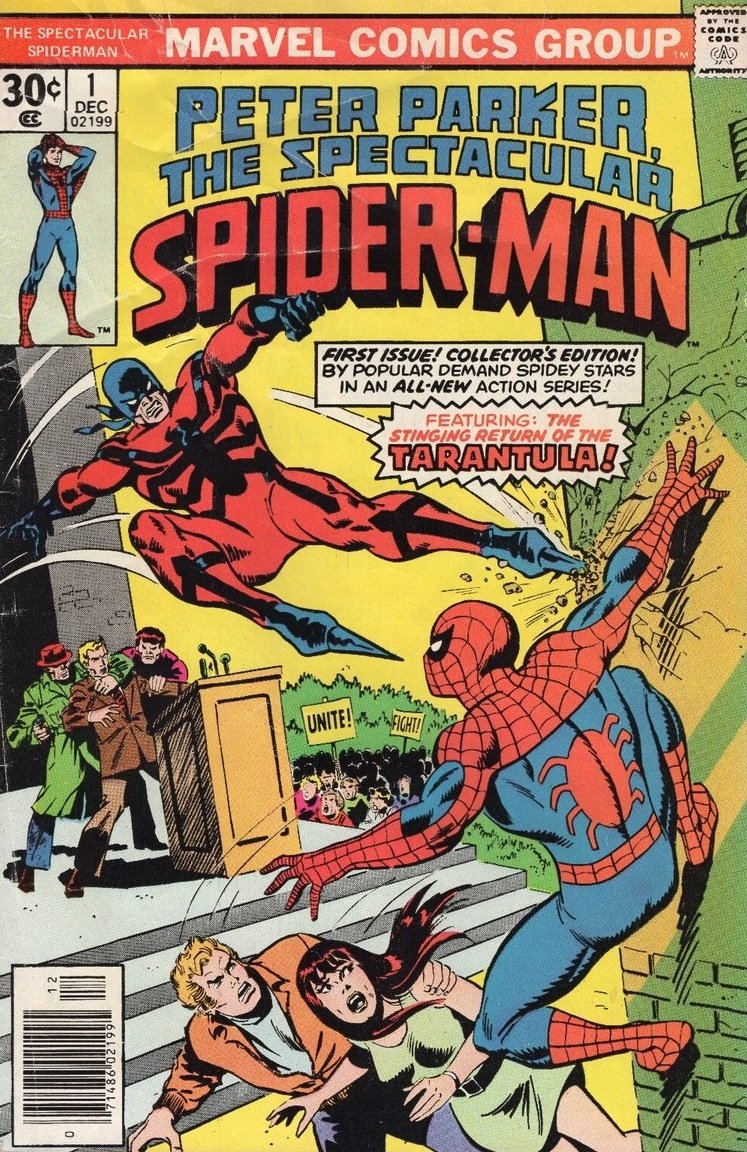 There is also an important historical connection to the Spectacular Spider-Man title itself. Peter Parker, The Spectacular Spider-Man #1 (1976) launched a second ongoing Spider-Man series, with Gerry Conway and Sal Buscema associated with the debut issue. The title provided Marvel with another regular publishing outlet for Peter Parker’s adventures and eventually became an important part of Spider-Man’s comic book history. The 50th anniversary of that launch adds another dimension to the current series, particularly with Marvel planning additional developments surrounding the anniversary.
Dan Slott’s familiarity with Spider-Man also matters. His previous work on Amazing Spider-Man included major character developments and new concepts that became part of the modern Spider-Man mythology. Marcus To brings a detailed approach to character designs and action, while Alex Sinclair’s colors contribute to the visual identity of the series. The additional pages involving Stefano Caselli provide another artistic connection that collectors of Spider-Man original art may find interesting.
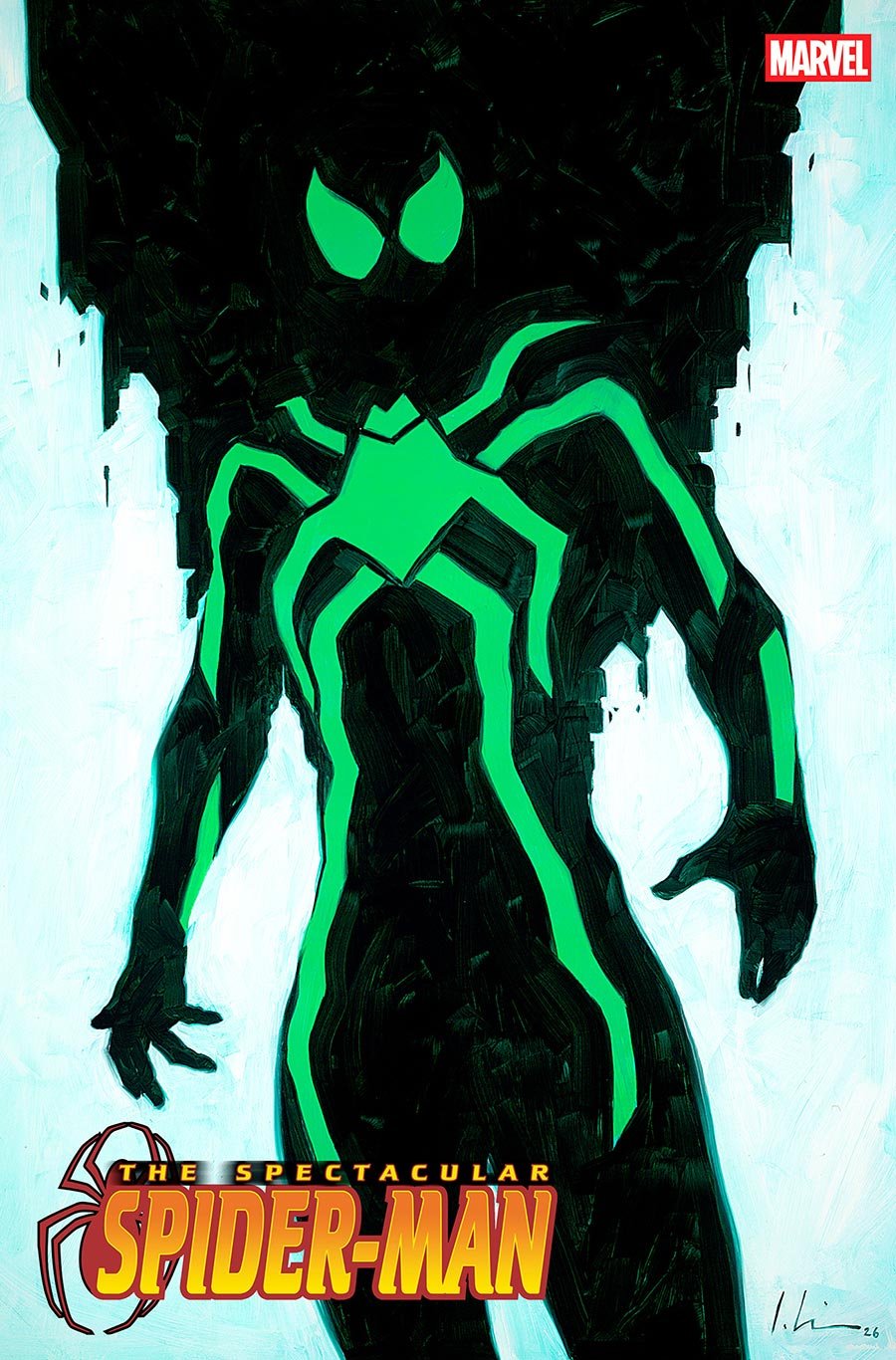
The featured black-and-green cover presents a striking design that stands apart from the traditional red-and-blue Spider-Man imagery. Its simplified color scheme and aggressive silhouette create the kind of visual identity that can attract cover-focused collectors regardless of how the interior storyline develops. That doesn’t automatically establish additional market value, but artist recognition, cover availability, and the long-term popularity of a design can influence collecting interest.
For comic book speculation, the most important element remains the introduction of the Scavenger and the continuing development of Turncoat. A new Spider-Man villain has an enormous established mythology to compete against, and the overwhelming majority of introductions will never become household names. That’s simply the reality of a character whose publishing history includes hundreds of villains. Still, the first appearance is where every significant character begins, and identifying those moments before their eventual importance becomes obvious has always been central to the collecting hobby.
 Venom #2
Writer: Charles Soule / Artist: Tommaso Bianchi / Colorist: Yen Nitro | Letterer: Clayton Cowles
Eddie Brock and the Venom symbiote are together again, and Marvel is wasting very little time complicating their reunion. Charles Soule and Tommaso Bianchi have established a new direction for the character following years of changing hosts, shifting identities, and increasingly elaborate symbiote mythology. This series returns to the relationship that helped establish Venom as one of Marvel’s most recognizable antiheroes. The original partnership is back, although expecting Eddie Brock to enjoy a peaceful reunion would be considerably optimistic.
The second issue introduces an intriguing mystery involving a woman who may become romantically connected to Eddie and his symbiote. Marvel has kept her identity central to the issue’s promotion, creating a legitimate character-speculation opportunity. Whether this woman is an entirely new character, an established figure returning in an unexpected role, or someone whose relationship with Venom develops into a larger storyline remains a question. Identifying her correctly will be important before assigning this comic first-appearance status.
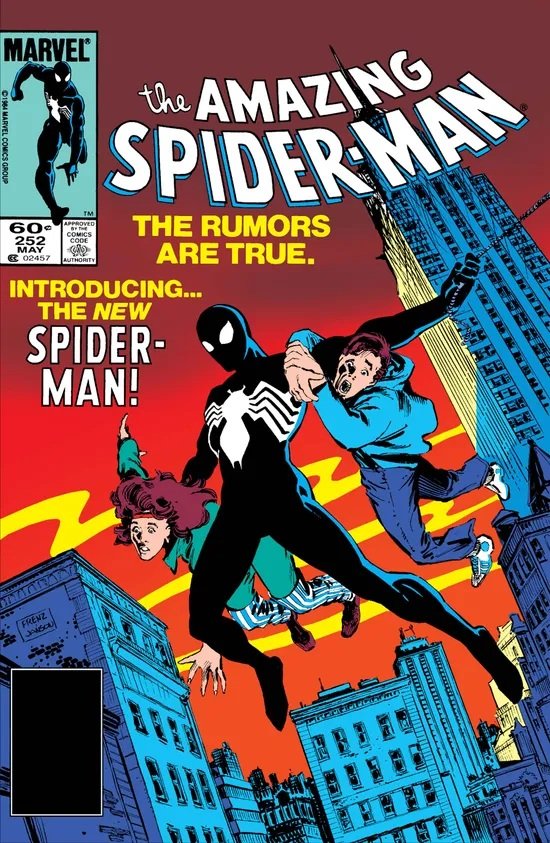
It’s worth revisiting how Venom became a major collectible character in the first place. The symbiote costume was established in Marvel continuity through comics such as The Amazing Spider-Man #252 (1984), featuring Spider-Man’s black costume. That appearance helped introduce a visual design that eventually became one of the most recognizable in the company’s history. The black costume’s development into a living alien entity fundamentally changed its significance, creating the foundation for a character that would eventually move far beyond Spider-Man’s supporting cast.
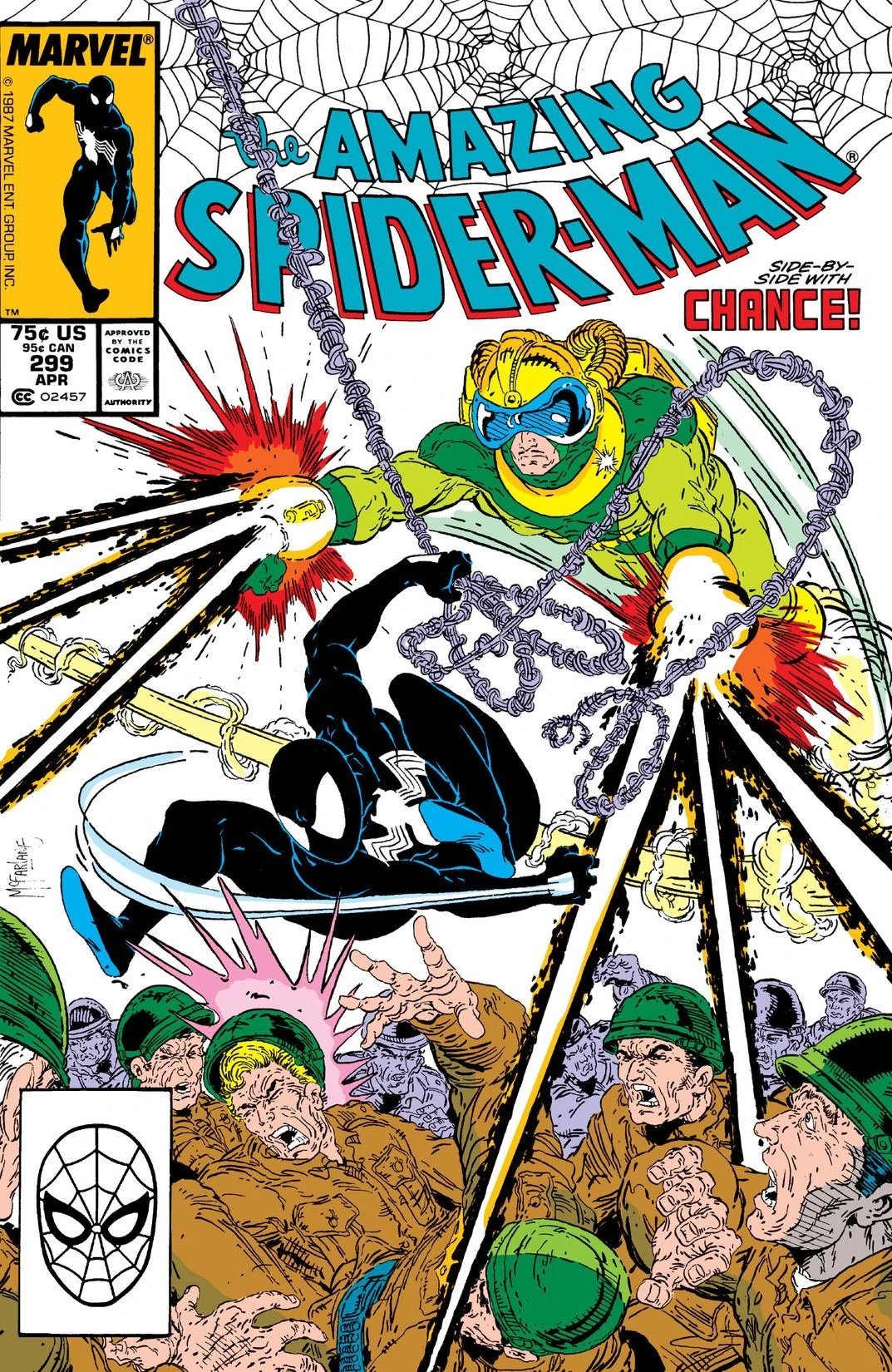
Venom’s memorable FIRST, yes first appearance, occurred in The Amazing Spider-Man #299 (1988). David Michelinie and Todd McFarlane helped establish Eddie Brock’s transformation into Venom, creating a villain whose relationship with Spider-Man was rooted in shared abilities, resentment, and the alien symbiote itself. For collectors, the distinction between two issues remains one of the most familiar examples of cameo-versus-full-appearance discussions. The significance of issue #300 is firmly established in the hobby, but that doesn’t mean every later Venom appearance automatically carries similar collectible importance.
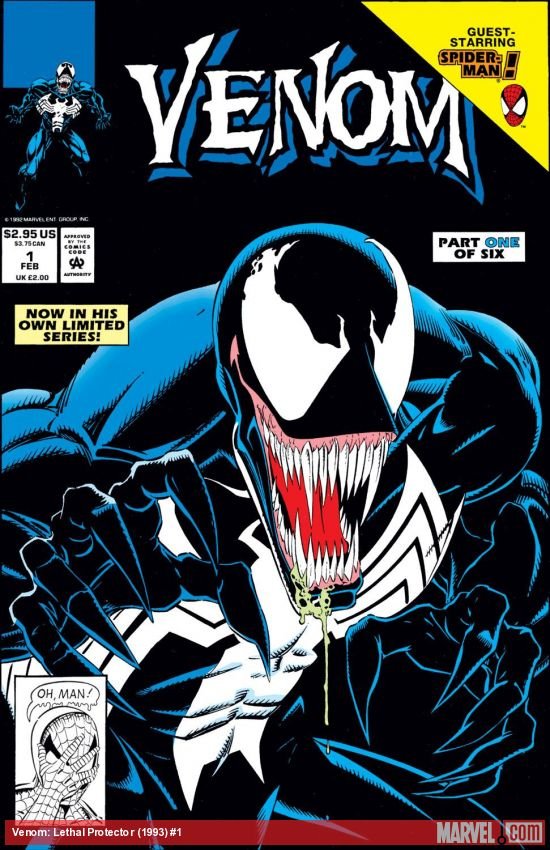
Venom’s first solo comic series arrived with Venom: Lethal Protector #1 (1993), written by David Michelinie with artwork by Mark Bagley. This six-issue limited series marked a major turning point for the character, repositioning Venom as an antihero capable of sustaining adventures outside his traditional rivalry with Spider-Man. The distinctive red foil cover remains a recognizable artifact of 1990s comic book collecting. It’s also a reminder that strong visual presentation and an important publishing milestone can contribute to a comic’s historical appeal, even when the marketplace produces large quantities of copies.
 The current series represents another significant reset in Venom’s history. Eddie Brock’s return to the original symbiote followed a period in which the character’s mythology expanded into cosmic territory and the bond itself became increasingly complicated. Charles Soule’s previous work on Carnage provides another connection to Marvel’s broader symbiote storylines. His familiarity with the characters and their shifting relationships creates opportunities for developments that could have consequences beyond this individual title.
What makes Venom #2 particularly interesting is the uncertainty surrounding the mystery woman. A new recurring character connected to Eddie Brock could become important to the series’ direction, but collectors should resist assuming every mysterious introduction represents an immediate valuable first appearance. If she turns out to be an established Marvel character, the collecting focus could shift toward her original debut or earlier significant appearances instead. If she is new, the issue could establish a collecting milestone whose eventual importance depends on how Marvel develops her.
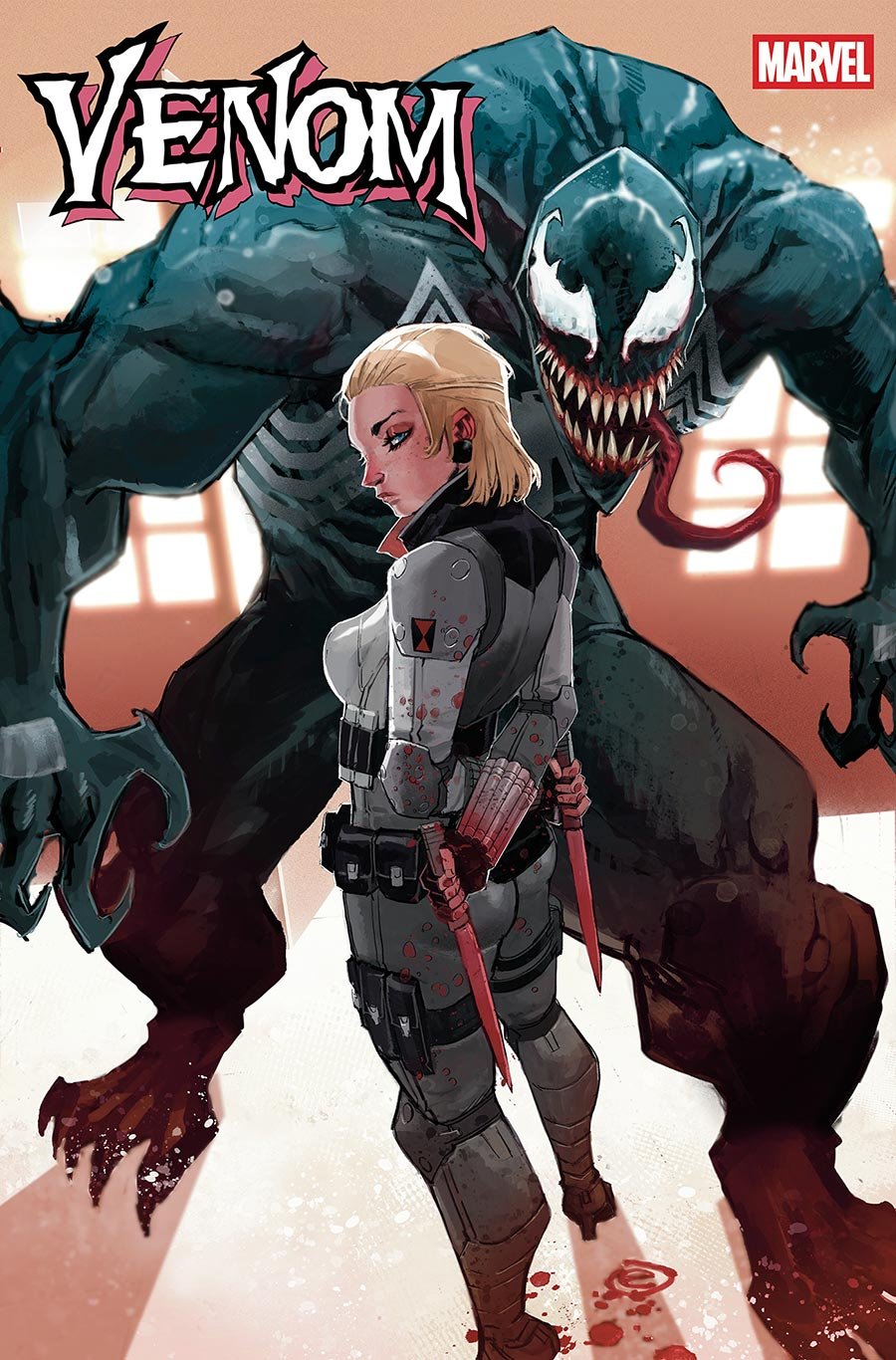
The featured Venom cover, presenting the character behind a mysterious blonde woman, adds another angle for collectors interested in visual clues and character-centered artwork. Cover speculation can sometimes move ahead of confirmed story information, particularly when promotional images deliberately conceal someone’s identity. It is worth distinguishing a character’s presence on an illustrated cover from an actual first interior appearance.
In the larger picture, comic book speculation surrounding Venom continues to benefit from the character’s extensive publishing history, while individual issues still have to earn their own significance. Eddie Brock and the symbiote are an established partnership, the new creative team is developing its direction, and the introduction of a mystery woman creates questions worth following. As always, confirmation matters more than assumptions, and long-term character development matters more than an enthusiastic first week of speculation.
-Jay Katz