
 Top 5 New Key Comics 6-17-26
LAST WEEK’S Top 5 New Key Comics 6-10-26
TOP 5 New Key Comics This Wednesday
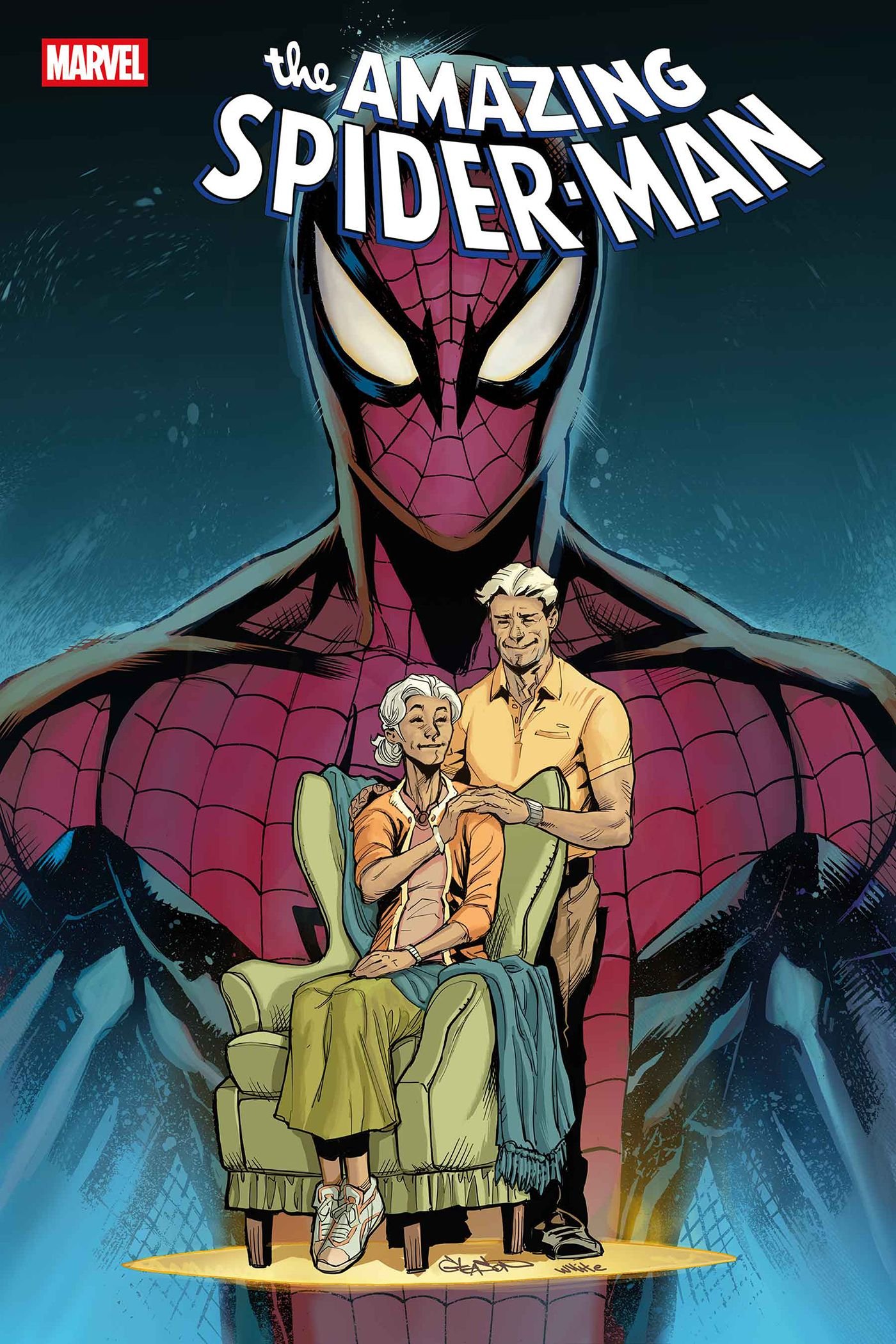
The Amazing Spider-Man #31 — Joe Kelly, Pepe Larraz, John Romita Jr., Patrick Gleason. This is the one Marvel is clearly positioning as a major Spider-Man moment, which means collectors get to play everyone’s favorite hobby within the hobby: figuring out whether “important” means historically relevant or just aggressively marketed with a straight face. The Amazing Spider-Man #31 brings “The Talk,” and Marvel is framing it as a pivotal moment in Spider-Man history, the kind of statement that sends collectors into full speculation mode before the book even hits the wall. The key question is obvious. Is this a genuine status-shifting moment for Peter Parker and the Spider-Man mythos, or is this another case of the publisher pointing at the sky and telling everyone to look before a regular-sized plane flies by? Either way, perception matters in the comic market, especially with Amazing Spider-Man, because this title has one of the deepest collector bases in all of comics. When Marvel says a Spider-Man issue matters, even the skeptics pay attention because the aftermarket has a long memory when Peter Parker gets a real continuity shake-up. The upside here depends on whether “The Talk” leads to a long-term change, a new relationship direction, a major reveal, a future first appearance setup, or a storyline that becomes a reference point down the road. Collectors should be looking at first print copies, variant heat, order numbers, and whether this issue becomes the “remember that moment” book in a few months. It may be overhyped. It may not be. That is the fun little trap Marvel loves setting, and collectors keep walking into it because occasionally the trap has value written all over it.
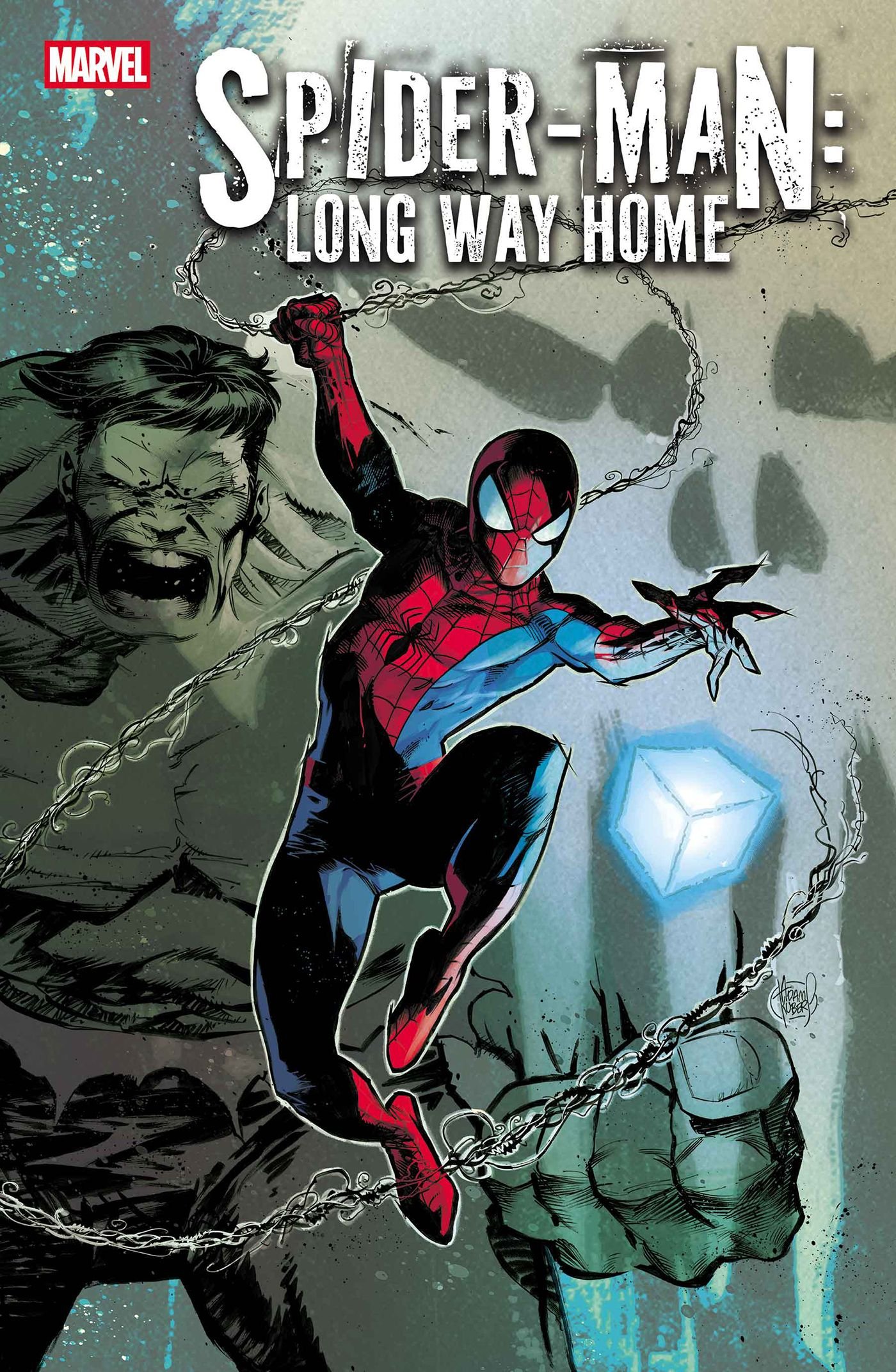
Spider-Man: Long Way Home #1 — Jonathan Hickman, Adam Kubert, Frank Martin. A new Spider-Man #1 from Jonathan Hickman and Adam Kubert already walks into the room with built-in attention, and that is before getting to the Punisher, Hulk, AIM, and the Cosmic Cube angle. Spider-Man: Long Way Home #1 has the kind of concept collectors tend to circle because it is a first issue, a limited series launch, and a high-profile creative team moving Spider-Man into a tougher, more cinematic setup. Hickman attached to Spider-Man is still a collector signal because his name brings structure, long-game plotting, and the possibility that even a contained story can introduce something worth tracking. Adam Kubert on art gives this book veteran Marvel credibility, especially with a lineup that includes Spider-Man, Hulk, and Punisher in the same orbit. From a speculation standpoint, the biggest thing here is not just the characters on the cover. It is the possibility of introductions, altered dynamics, new mission-specific threats, and a version of Spider-Man that may stand apart from the monthly noise. Standalone continuity can sometimes scare collectors away, but it can also create clean, collectible first issues that are easy to explain later. “Hickman Spider-Man mini with Kubert art and a Hulk/Punisher/Cosmic Cube setup” is not exactly a hard sales pitch. Subtle, no. Effective, probably.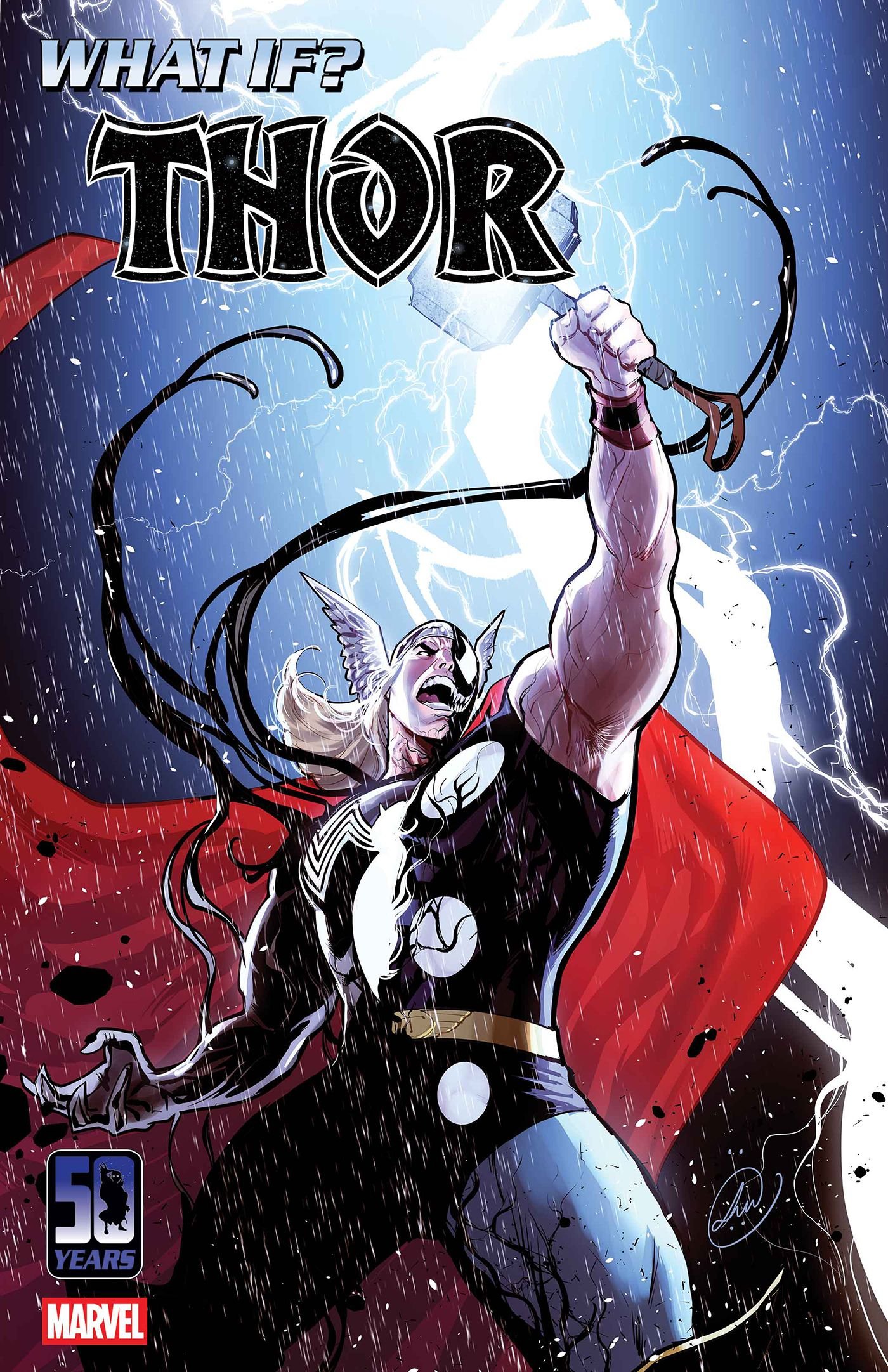
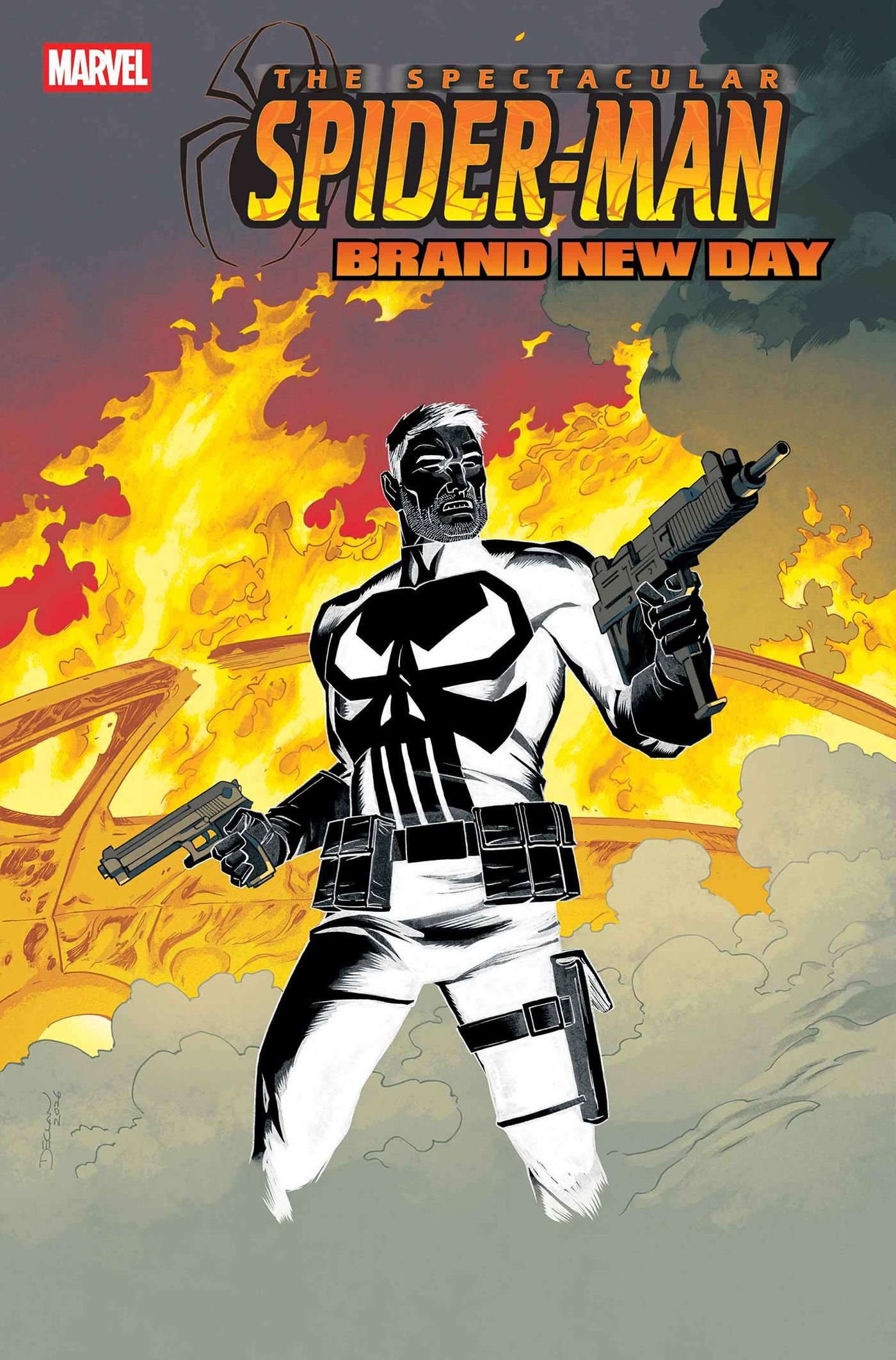 The Trillion Dollar Kid #1 — Geoff Johns, Peter J. Tomasi, Stefano Simeone, Rob Leigh. Image and Ghost Machine continue building their creator-owned universe, and The Trillion Dollar Kid #1 has the one thing collectors should always pause on: a new #1 introducing a major character concept inside a developing shared line. This kicks off “Who Are The Unbelievables?” and that matters because new teams, new characters, and first-chapter worldbuilding are exactly where speculative collectors tend to start digging before everyone else suddenly pretends they were there from day one. Geoff Johns and Peter J. Tomasi bring a strong mainstream superhero storytelling pedigree, while Stefano Simeone’s art gives the launch a distinct visual identity outside the usual corporate superhero machine. Yes, the title sounds like it was designed in a room where someone said, “what if Richie Rich had existential market pressure,” but that is not a negative when the book is clearly aiming for a big, strange, accessible new mythology. For collectors, this is about first appearance potential, first issue positioning, Ghost Machine expansion, and whether The Unbelievables becomes a corner of the line that gets more traction. Creator-owned launches can be risky, but that is also why the upside conversation exists. Nobody needs to chase every new #1 like it contains gold under the staples, but when a new universe begins building its roster, ignoring the first major chapters is how collectors end up paying more later while acting surprised.
What If…? Thor #1 — Torunn Grønbekk, Sergio Dávila, Lucas Werneck. What If…? Thor #1 gives collectors one of those alternate-universe concepts that sounds ridiculous until the visual lands and everyone remembers that “ridiculous” and “collectible” have been roommates in comics for decades. Thor bonded with Spider-Man’s symbiote suit is exactly the type of mashup that cover buyers, character collectors, and Marvel oddity hunters tend to notice. The key here is not normal continuity. The key is visual identity, first concept execution, symbiote collector appeal, and whether this version of Thor becomes something Marvel ever circles back to. Symbiote mashups have a proven way of sticking around in collector conversations because the market understands them instantly. You do not need a graduate thesis to explain “Thor with the black suit.” The moment works on sight. Torunn Grønbekk has already built credibility with Thor- 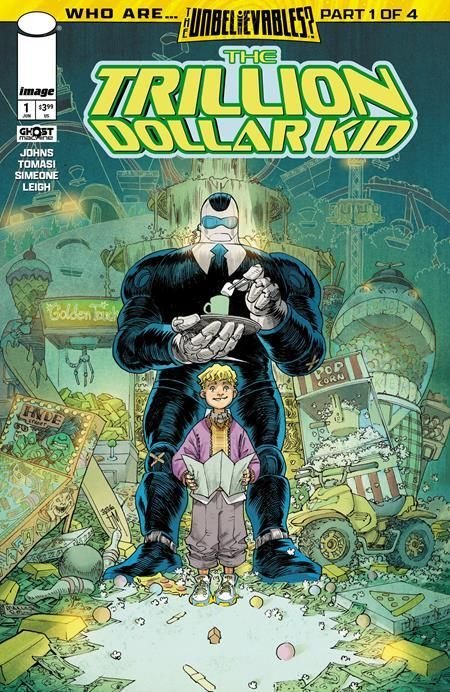
 related mythology, and Sergio Dávila gives the issue the kind of superhero scale a concept like this needs. Lucas Werneck’s cover presence adds another collector angle, especially for those who follow modern Marvel cover demand. Is this an in-continuity key? No. Does that automatically kill the speculation? Also no. Some of the weirdest What If-style concepts become the ones collectors remember because Marvel eventually realizes the toyetic nightmare monster they accidentally created looks too good to leave alone.
Spectacular Spider-Man: Brand New Day #2 — Dan Slott, Marcus To, Marcos Martin, Alex Sinclair, Muntsa Vicente. Spectacular Spider-Man: Brand New Day #2 continues the return to one of the most debated modern Spider-Man eras, because apparently Marvel looked at the phrase “Brand New Day” and decided collectors needed emotional cardio again. Dan Slott returning to this territory matters because he is not some random tourist walking through Spider-Man history. Marcus To and Marcos Martin bring direct artistic weight to a story built around the Lexicon, Kingpin, Punisher, Mr. Negative, and the kind of criminal-underworld information bomb that can shift the board if Marvel lets it breathe. From a collecting angle, the Lexicon is the kind of object collectors should watch. It may just be a plot device, or it may become one of those named items that later connects multiple villains, criminal networks, or future power plays. That matters because Spider-Man keys are not always just first appearances. Sometimes they are first concepts, first objects, first major story mechanics, or the first time a storyline creates a tool Marvel can reuse. Punisher stepping into the mix also helps, especially with the wider Spider-Man, Punisher, and street-level Marvel conversation heating up. This issue has underworld-key potential, continuity callback appeal, and enough villain involvement to make collectors wonder whether the real value play is not the loudest panel, but the piece of information everyone inside the story is trying to control. And that cover, Declan Shalvey cover, is this some new negative Punisher costume or just a negative cover?
-Jay Katz