
 Top 5 New Key Comics 11-11-26
Books from Jay Katz of InvestComics
Jay Katz of InvestComics has three comic-themed books available on Amazon: The Beginner’s Guide to Comic Investing: How to Spot Trends in Comics Before Everyone Else, The Ultimate Comic Book Word Search, and The Ultimate Comic Crossword Puzzle. Whether you want to sharpen your speculation instincts or test your comic knowledge, all three books are available in one place.
 View all three books on Amazon
LAST WEEK’S Top 5 New Key Comics 11-4-26
Clicking any red-highlighted link or comic book cover may direct you to eBay or another third-party marketplace where the item may be available for purchase. Please use your own judgment before buying. Always review the seller’s rating, feedback, item description, photos, shipping terms, and return policy before completing any transaction. InvestComics does not sell these items directly, does not control third-party listings, and is not responsible for any transaction, seller, product condition, shipping issue, refund, or dispute. InvestComics does not endorse any individual seller or listing. InvestComics participates in the eBay Partner Network and may receive compensation from qualifying purchases made through affiliate links on this site.
Predator vs. Punisher #1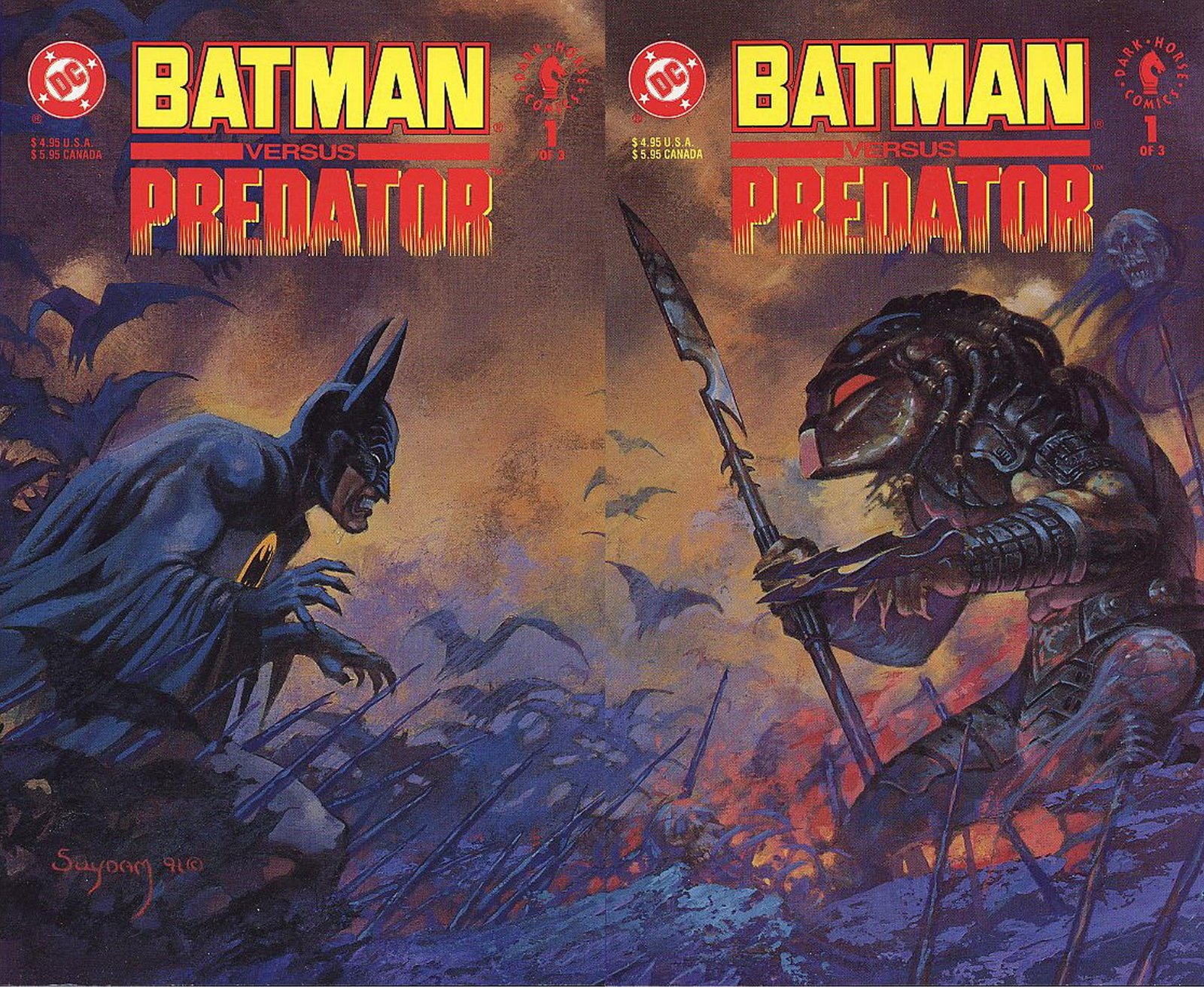
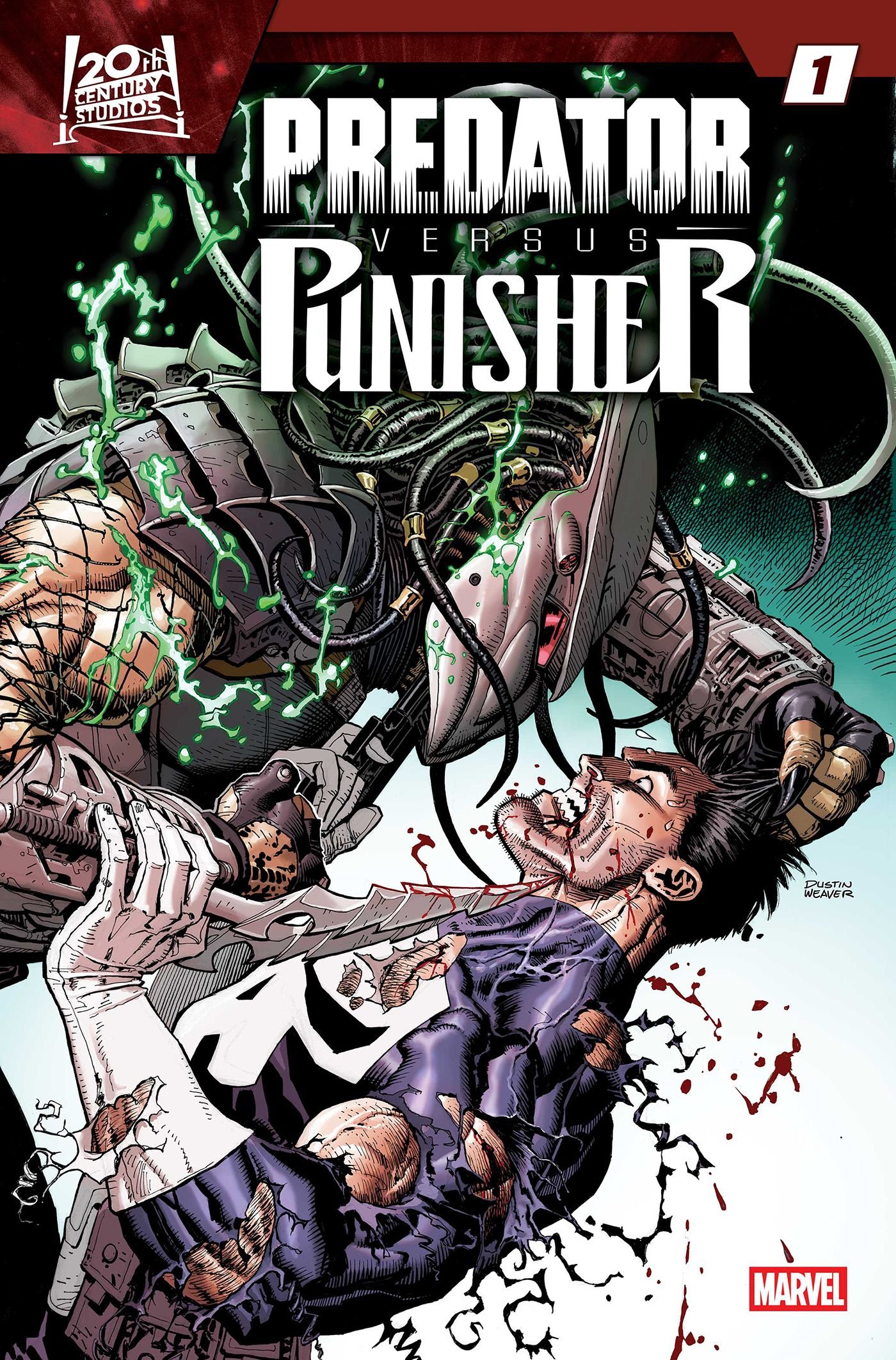
Writer: Frank Tieri | Artist: Jesús Saíz
The Predator has hunted some of the most dangerous characters in comic book history, but Frank Castle presents a particularly interesting problem. This isn’t an encounter with a hero who believes every conflict should end with an arrest and a lecture about making better choices. The Punisher has a considerably shorter list of acceptable outcomes, and the Predator probably isn’t interested in negotiating either. Marvel brings these two relentless killers together for their first official comic book confrontation, with Frank Tieri writing and Jesús Saíz handling the artwork.
New York City becomes the hunting ground, with Kingpin, Jigsaw, Silvermane, and the Owl among the criminal figures caught in the escalating violence. That supporting cast offers something more substantial than a simple confrontation between two recognizable characters. The Predator is entering a world already populated by professional killers, organized crime, and people who would happily sacrifice everyone around them to survive another day. Frank Castle is going to have a particularly unpleasant time explaining territorial boundaries to an extraterrestrial hunter.
For comic book speculation, the historical connection is worth examining. Predator #1 (1989), published by Dark Horse Comics, introduced the Predator to standard American comic books. Written by Mark Verheiden with artwork by Chris Warner, that original series brought the alien hunter into an urban environment, making the connection to this latest New York setting especially appropriate. That first appearance remains an important foundational comic for Predator collectors. And yes, here’s another Dark Horse comic that actually

 deserves attention when discussing collectible keys. Apparently, interesting first appearances weren’t exclusively reserved for Marvel and DC.
Predator has an established history of crossing into other comic book universes. Batman versus Predator #1 (1991), written by Dave Gibbons with artwork by Andy Kubert, established one of the character’s most memorable superhero encounters. Batman’s detective skills and arsenal were tested against a technologically advanced hunter whose only real objective was collecting a worthy trophy. Decades later, Predator vs. Wolverine #1 (2023) introduced another highly appropriate opponent, bringing together two characters whose abilities made their confrontation almost inevitable.
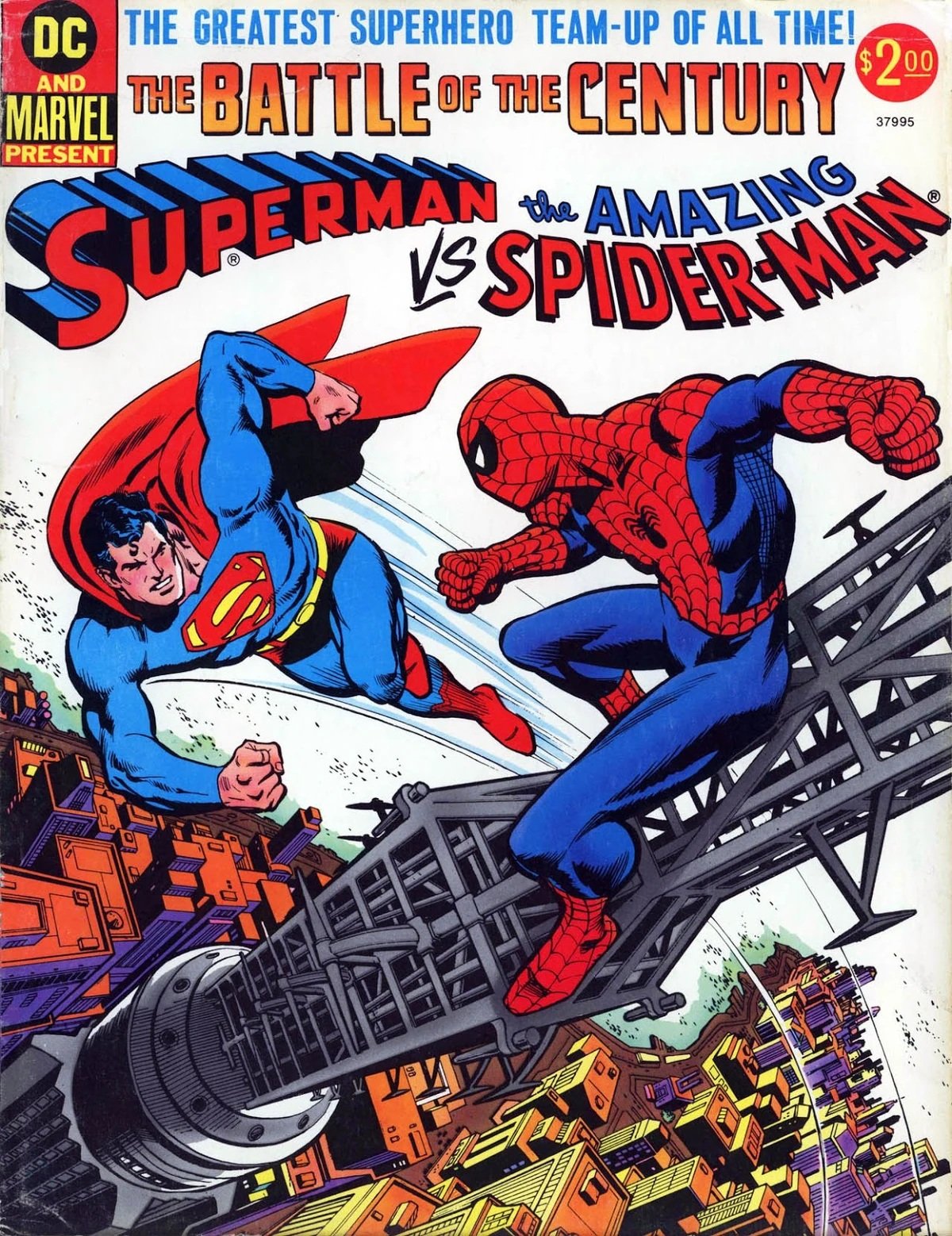
There have been numerous historic first meetings between major comic book properties. Superman vs. the Amazing Spider-Man #1 (1976) remains an important example of two publishers bringing their flagship characters together. Those crossover events demonstrate that a first meeting can become a historical collectible even when it doesn’t introduce a completely new character.
That’s the distinction collectors should keep in mind with Predator vs. Punisher. This isn’t the first appearance of either established character. Its significance is the first published meeting between them. Those are separate collecting categories, and treating them as interchangeable is one of the easier ways to confuse historical importance with promotional excitement.
The four-issue format also gives collectors a defined series to follow rather than an open-ended crossover with an uncertain destination. Whether this first meeting develops lasting secondary-market demand will depend on audience interest, print availability, cover preferences, and the staying power of the encounter itself. The historical first is established. The speculative value is another matter entirely.
Action Comics #1104

Writer: Mark Waid | Artist/Inker/Colorist: Patricio Delpeche | Letterer: Steve Wands
Lex Luthor and Clark Kent have one of the most complicated relationships in superhero history. One possesses abilities that make him nearly impossible to defeat, while the other believes his own intelligence should be enough to establish superiority over practically everyone alive. That sounds like a fairly balanced relationship until you remember that Lex has spent decades being personally offended by Superman’s existence.
Mark Waid continues the “Lex Luthor: Year One” storyline, with Patricio Delpeche providing the artwork. The previous chapter began in Action Comics #1103 (2026), establishing the foundation for a renewed examination of Lex’s childhood, his relationship with his parents, and the circumstances that helped create one of DC’s most dangerous minds.
Here, young Lex returns to Smallville and develops a friendship with Clark Kent. It’s an intriguing period to examine because these two characters have frequently been portrayed as enemies whose history stretches back much further than their adult confrontations. There’s something particularly unfortunate about knowing exactly where this friendship eventually leads. Most childhood friendships involve occasional disagreements. This one develops into an ongoing global security problem.
For collectors interested in Lex Luthor’s comic book history, Action Comics #23 (1940) is the important original. That issue introduced Luthor as a red-haired scientific criminal, long before his bald appearance became one of the most recognizable visual trademarks in superhero comics. It predates the childhood history that later connected Lex and Clark.


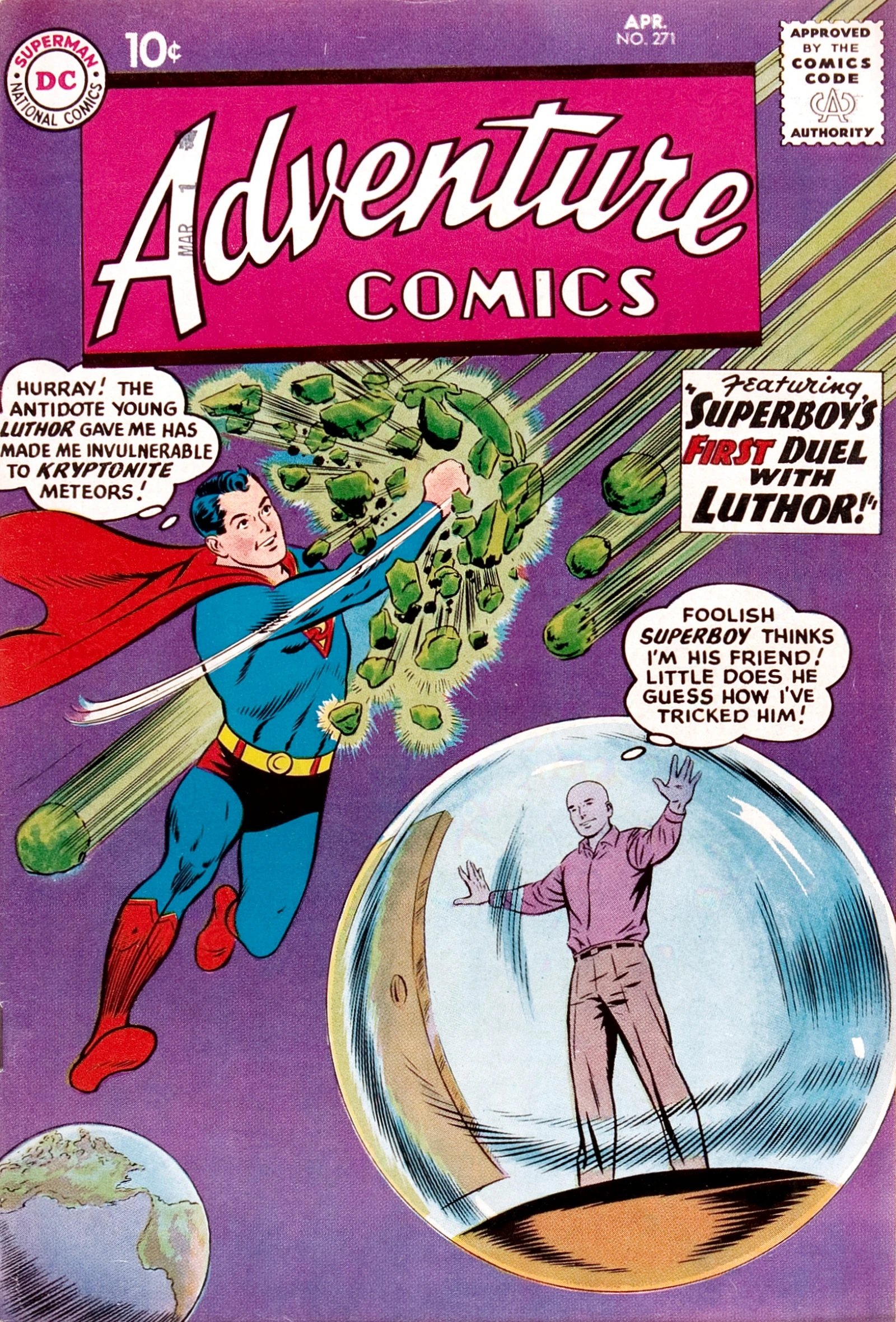 That connection was established in Adventure Comics #271 (1960), featuring the classic tale of how Luthor met Superboy. This is an especially appropriate historical correlation because it helped establish the youthful friendship, scientific ambition, and eventual resentment associated with their relationship. It also established the familiar first name Lex.
The modern storyline isn’t simply reproducing that earlier continuity. DC has revised Luthor’s family history and motivations repeatedly, and Waid is working with the modern versions of those concepts. That’s why the first chapter of this storyline matters when considering subsequent issues. Changes to a major character’s origins can become historically interesting, particularly when those changes remain part of the character’s mythology.
The cover supplied here adds another collecting angle. Mahmud Asrar’s Watchmen 40th Anniversary variant features characters from one of DC’s most influential comic book properties. Watchmen #1 (1986), by Alan Moore and Dave Gibbons, introduced Rorschach, Doctor Manhattan, Nite Owl, Ozymandias, and other central figures to the comic book audience. Forty years later, Watchmen imagery remains recognizable enough to anchor a special anniversary cover program.
For collectors who specialize in cover art, this creates two different reasons to pay attention: the continuing Lex Luthor origin storyline and a Watchmen anniversary cover by Asrar. Neither automatically guarantees a desirable future price, but they’re distinct collecting interests that may attract different audiences.
Comic book speculation involving long-established characters is often less about discovering an entirely new name and more about recognizing an important development in a familiar one. Lex Luthor isn’t going anywhere, and the continuing effort to define his earliest relationship with Clark Kent gives this storyline more historical relevance than a routine Superman-versus-Luthor confrontation.
Minor Threats: The Cleaner #1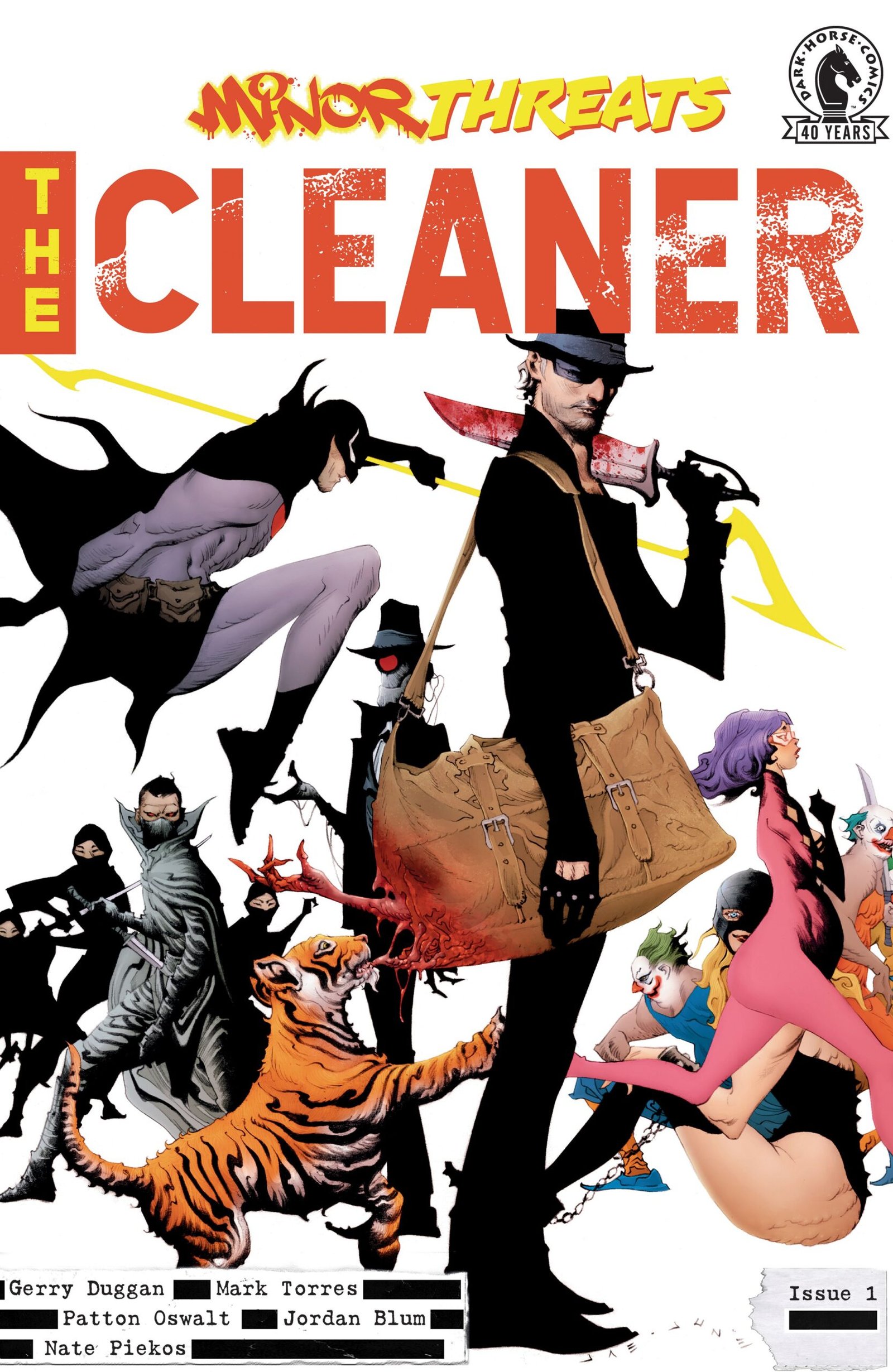
Writers: Gerry Duggan, Patton Oswalt, Jordan Blum | Artist/Inker/Colorist/Designer: Mark Torres | Letterer: Nate Piekos
Every superhero universe has people responsible for cleaning up the destruction left behind after an enormous battle. Somebody has to collect the wreckage, repair the buildings, and explain to the insurance companies why an entire neighborhood suddenly needs replacement windows. In the world of Minor Threats, there’s also somebody responsible for the bodies nobody particularly wants discovered.
Meet David O’Halloran, better known as the Cleaner. By day, he’s a struggling small business owner. By night, he handles the unpleasant aftermath of superhero and supervillain confrontations, removing evidence and disposing of things that ordinary cleanup crews couldn’t begin to understand.
This four-issue noir series expands a character who already has an established comic book debut. That detail is particularly important for first appearance collectors.
The Cleaner originally appeared in From the World of Minor Threats: Welcome to Twilight #4 (2025), published by Dark Horse Comics. That issue featured a story from Gerry Duggan, Patton Oswalt, and Jordan Blum, with artwork by Mark Torres. Anyone approaching the new series as the character’s first-ever appearance would be overlooking the actual key issue.
This distinction matters. A character receiving a first solo title and a character making a first appearance are two separate collecting milestones. Both can have an audience, but the original appearance usually carries greater historical significance. Speculation doesn’t improve when collectors decide to ignore publication history.
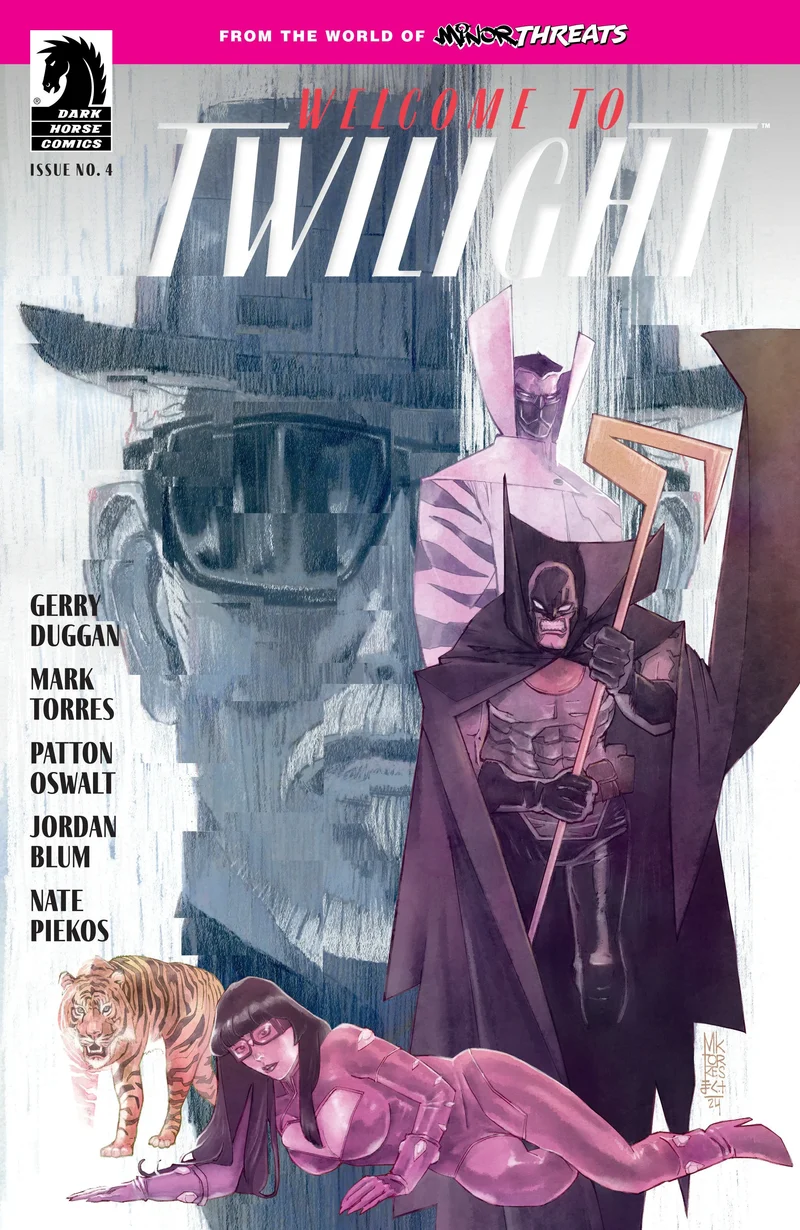
 The new storyline introduces another important complication: Diamond Dahlia, a mysterious woman whose history connects directly to the vigilante known as the Insomniac. Her involvement threatens to expose secrets that the Cleaner would presumably prefer remain buried. Given his occupation, that’s saying something.
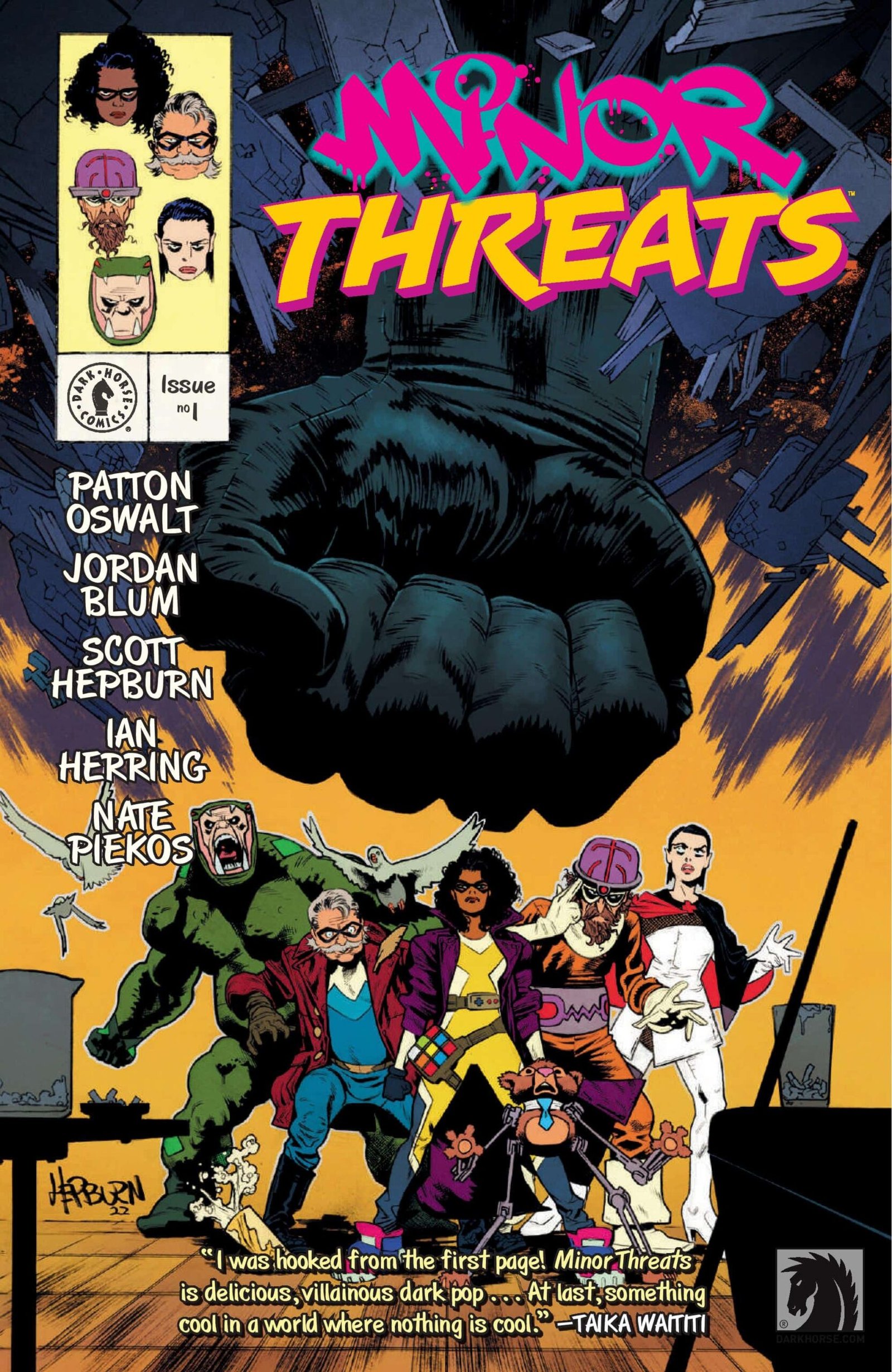
The larger Minor Threats universe began with Minor Threats #1 (2022), created by Patton Oswalt, Jordan Blum, and Scott Hepburn. The property has gradually expanded beyond the initial series, giving supporting characters and lesser-known figures opportunities to carry their own stories. This kind of expansion is worth monitoring because independent comic properties often develop their long-term identities through secondary characters rather than one permanently dominant protagonist.
And here’s something we don’t get to discuss every week in comic book speculation: a Dark Horse character whose earlier appearance could gain additional collecting attention because of a new solo series. Dark Horse has published important comic books for decades, including significant horror, science-fiction, and licensed properties. Nevertheless, genuine sustained speculative breakouts outside the major superhero publishers remain comparatively uncommon. Not every independent first appearance becomes a collectible success merely because somebody announces a new miniseries.
Torres brings a distinctive visual approach to this character’s world, handling the interior art, colors, and design, with Nate Piekos providing the lettering. The cover from Scott Hepburn helps preserve a visual connection to the wider Minor Threats property.
The logical collecting approach is to distinguish between the original Cleaner appearance, his first solo issue, and any additional characters who may become important as this storyline develops. Diamond Dahlia’s role is worth monitoring, although her appearance history should be verified before assigning any new first-appearance designation.
There’s potential here for collectors interested in independent comics and character-driven properties. More importantly, there’s already a documented back-issue connection, which is where the speculative conversation should begin.
Legion of Super-Heroes #3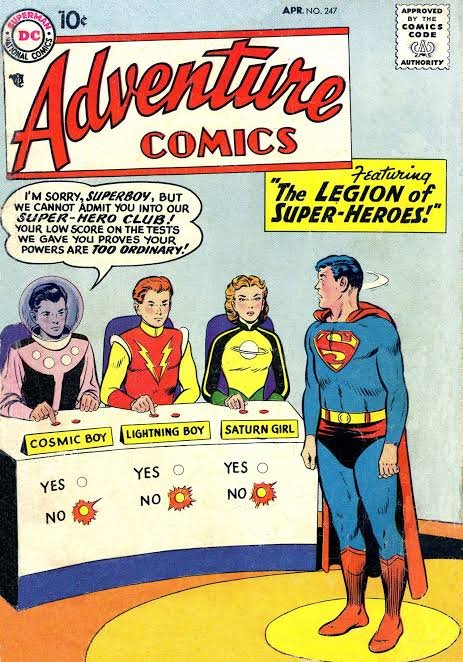
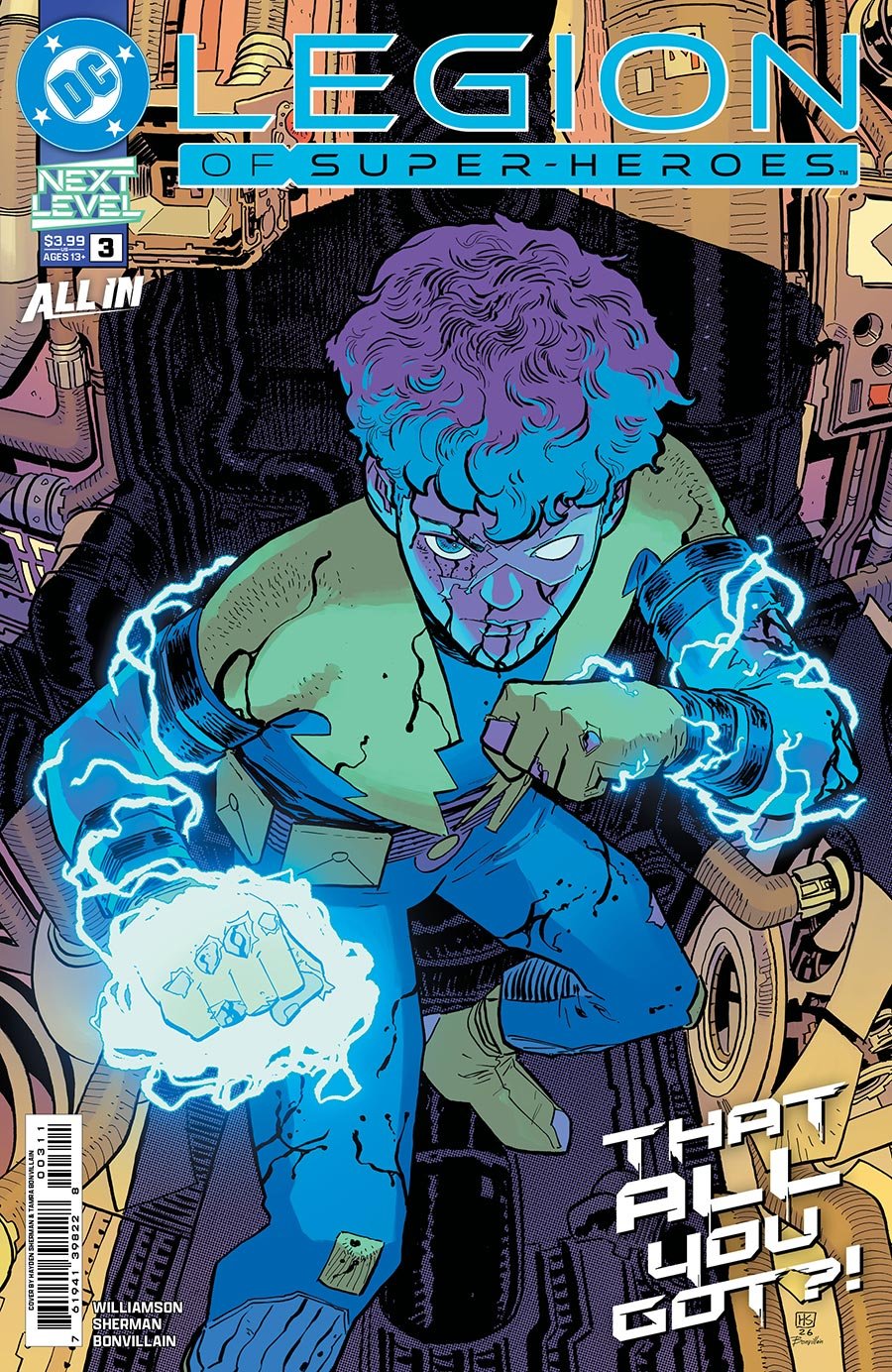
Writer: Joshua Williamson | Artist/Inker/Cover Artist: Hayden Sherman | Colorist: Tamra Bonvillain | Letterer: Hassan Otsmane-Elhaou.
The Legion of Super-Heroes has one of the most extensive character histories in DC Comics, which is both a tremendous strength and an occasional logistical nightmare. Multiple continuities, alternate futures, revised origins, changing memberships, and enough character identities to make a reasonably organized collector question their filing system.
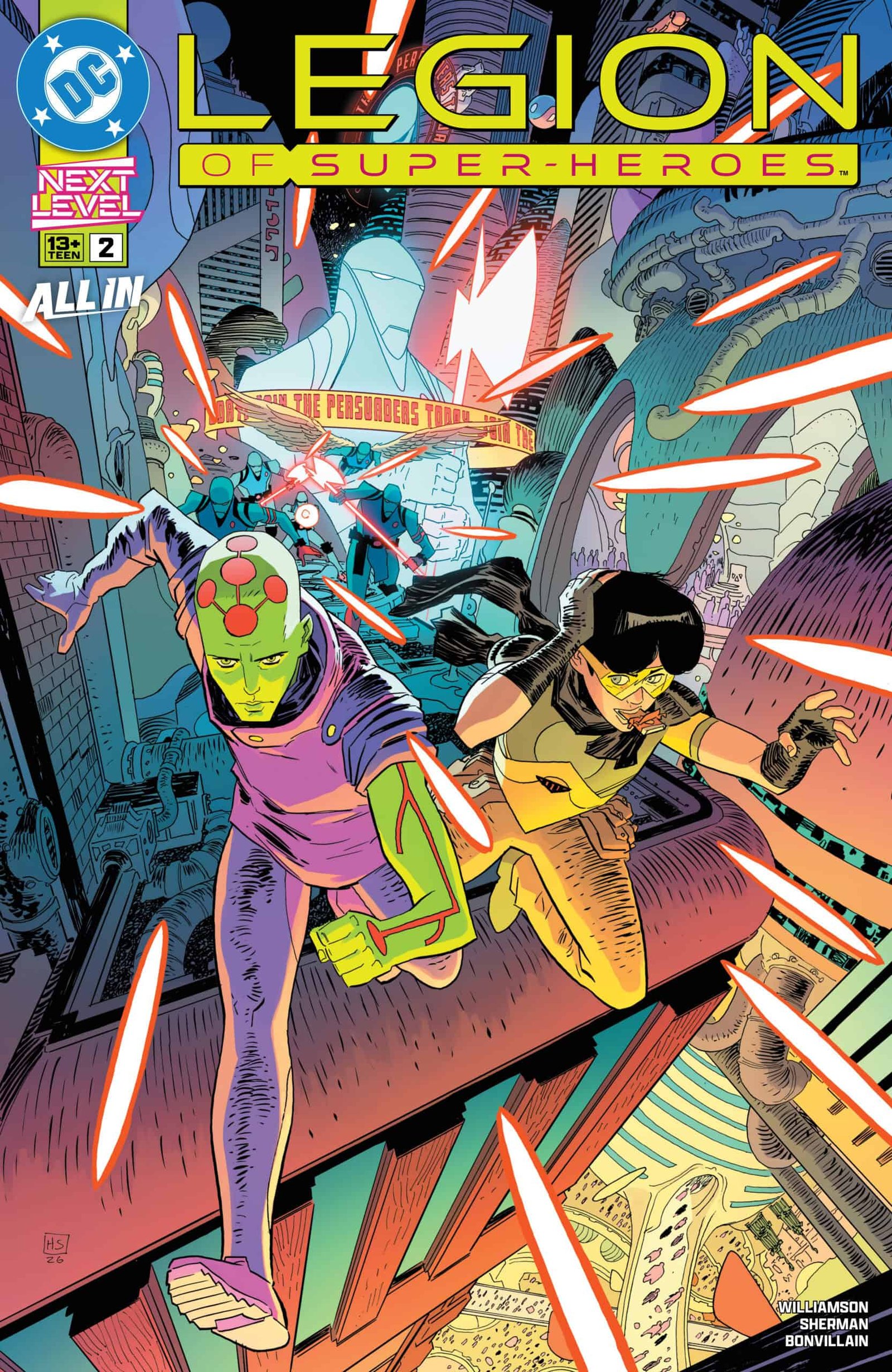
Joshua Williamson and Hayden Sherman have been rebuilding the foundation of the team’s future, placing considerable attention on Lightning Lad and the emerging relationships between the characters who will shape this new Legion.
The previous chapter, Legion of Super-Heroes #2 (2026), continued the investigation surrounding RJ Brande’s murder while introducing further complications involving the Persuaders, Brainiac 1 of 5, Matter-Eater Lad, and Lightning Lad’s development. The storyline has been shaping a new version of the team while retaining recognizable elements of its history.
In the third issue, Lightning Lad encounters what are described as his first enemies, with Brainiac 1 of 5 and Matter-Eater Lad occupying a rather unexpected position in that confrontation. Before the situation can be properly explained, Lightning Lad suffers his first devastating loss as a superhero.
That suggests an important turning point for this version of the character. First defeats, first enemies, and major personal losses can establish the foundations of an ongoing continuity, even when they don’t represent entirely new character appearances.
The original Legion debuted in Adventure Comics #247 (1958), written by Otto Binder with interior artwork by Al Plastino. That Silver Age key introduced the Legion of Super-Heroes along with Cosmic Boy, Saturn Girl, and Lightning Boy, the character who would become Lightning Lad. The issue remains one of the most historically significant first team appearances in DC’s publishing history.
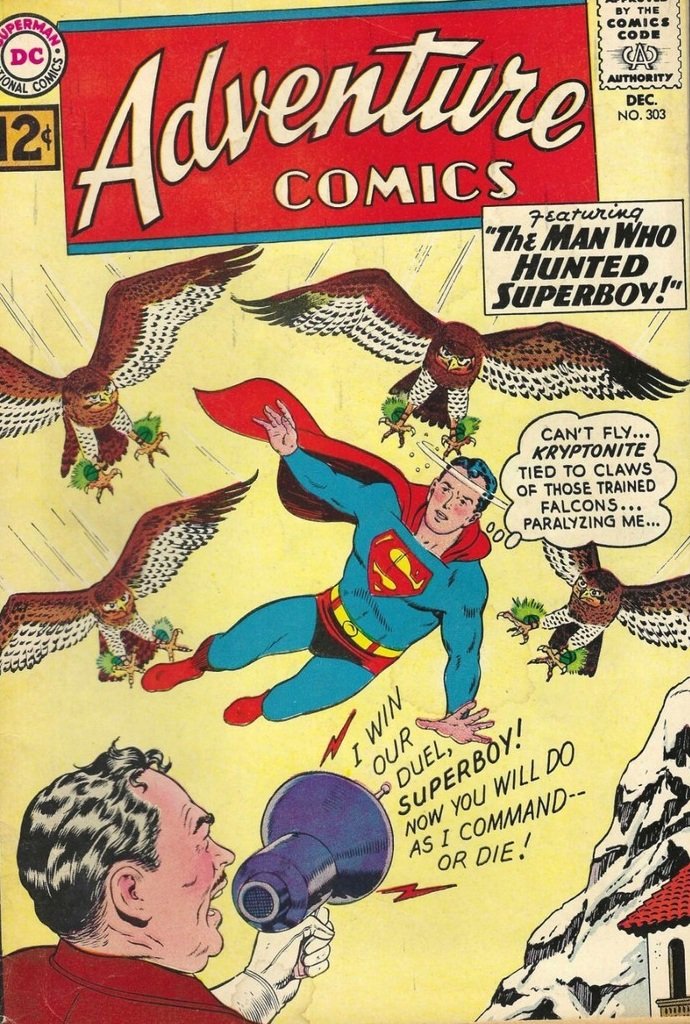
 Matter-Eater Lad arrived later in Adventure Comics #303 (1962). His ability to consume virtually any substance made him one of the more unusual additions to the Legion, which is impressive considering the team’s roster includes characters with some extremely specialized abilities. Nevertheless, he became an established part of the Legion’s history, making his involvement in the modern storyline more meaningful than a random supporting-character appearance.
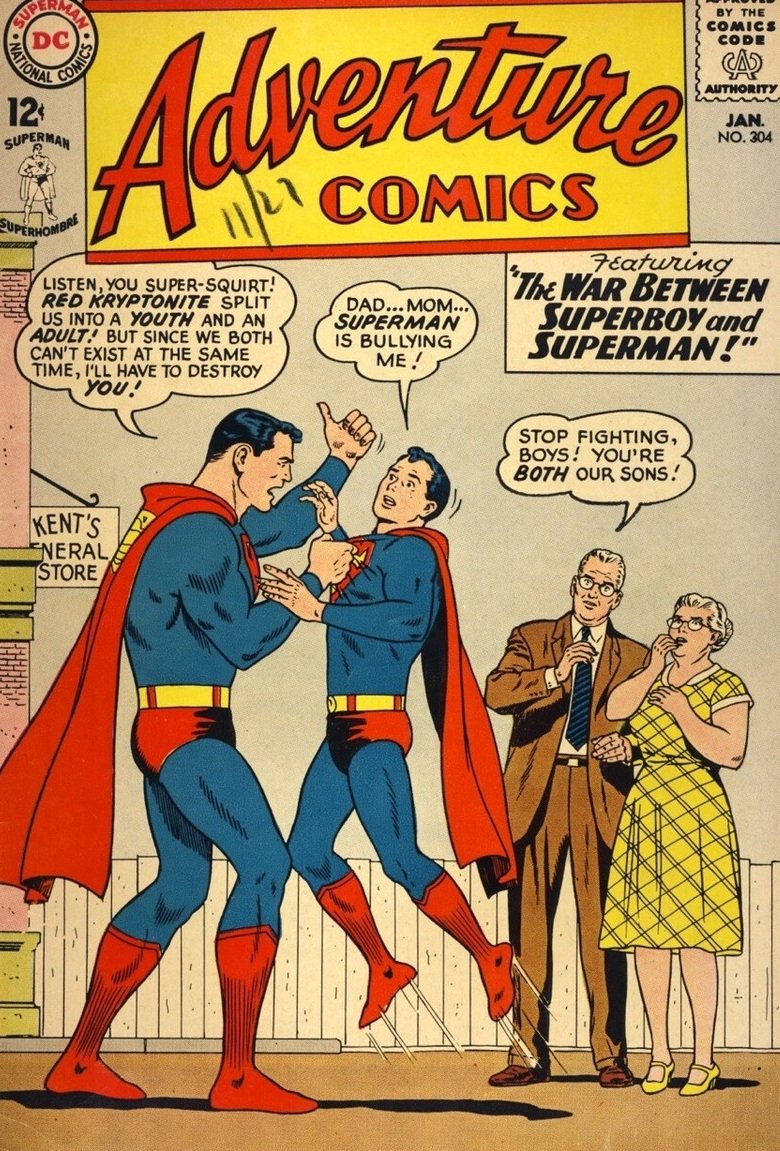
Lightning Lad’s early publication history also offers an interesting comparison with Adventure Comics #304 (1963), which featured his death during the Legion’s Silver Age adventures. That event helped establish that membership in a futuristic superhero team came with consequences considerably more serious than maintaining a clubhouse and agreeing on a team uniform.
There is no reason to assume the latest storyline will duplicate that earlier event. However, collectors familiar with the Legion’s history understand why a major loss involving Lightning Lad deserves attention.
The artwork from Sherman, accompanied by Tamra Bonvillain’s colors, gives this version of the Legion a distinctive look. The evolving visual identities and character designs may become part of the series’ collecting appeal, especially if the creative direction establishes a longer-lasting interpretation of the team.
For comic book speculation, the important distinction is between an established character appearing in a fresh continuity and an entirely original character making a first appearance. Brainiac 1 of 5 is particularly interesting as an identity to follow, but collectors should establish precisely how the character is presented in the earlier issues before attaching a first-appearance label to this installment.
The Legion has always generated collecting interest through its enormous roster, early debuts, deaths, revivals, and historical team milestones. Williamson’s storyline adds another chapter to that complicated history, and the first enemies and first personal losses of this new era are the developments worth tracking.
Emperor Doom #1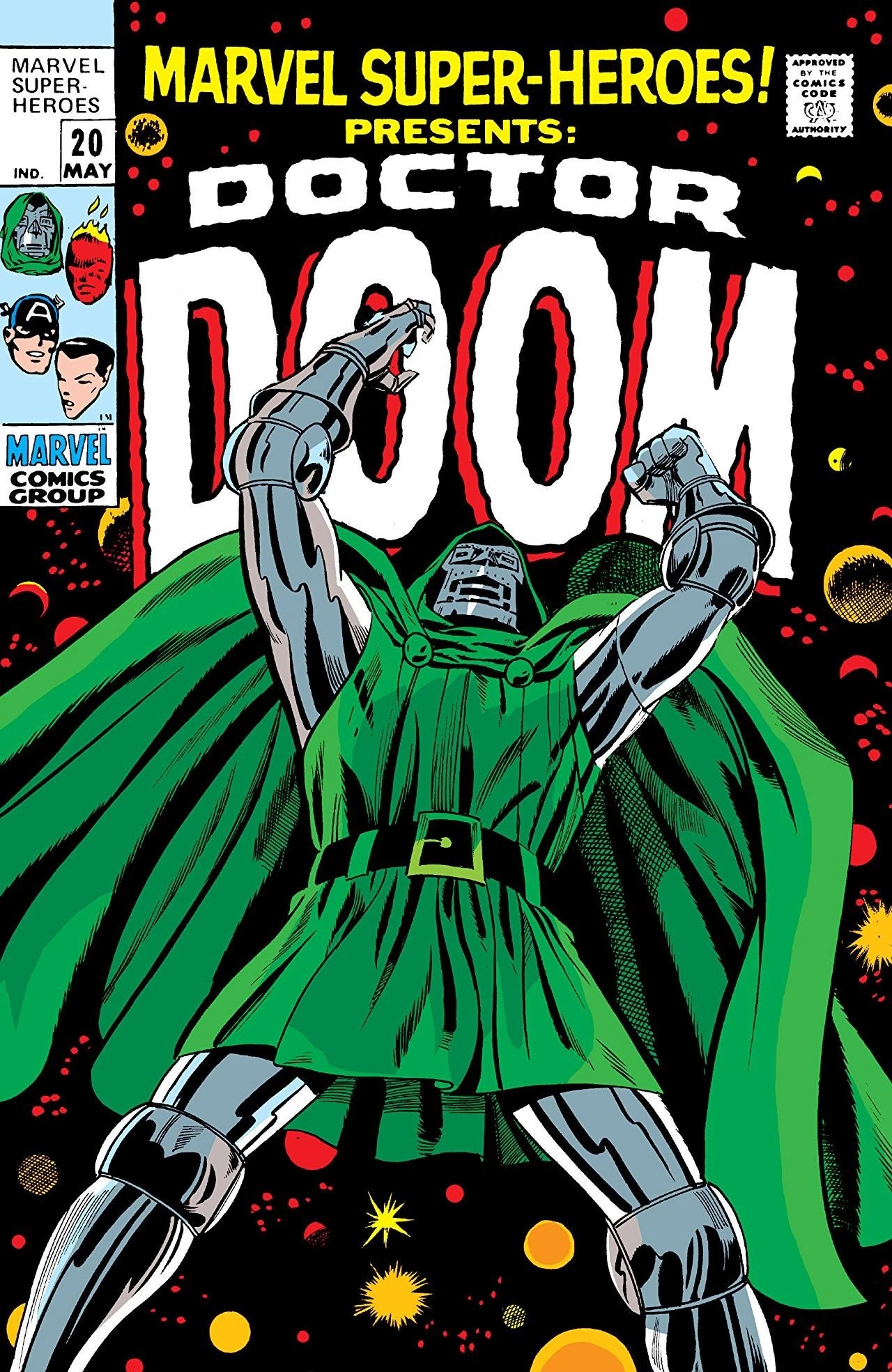
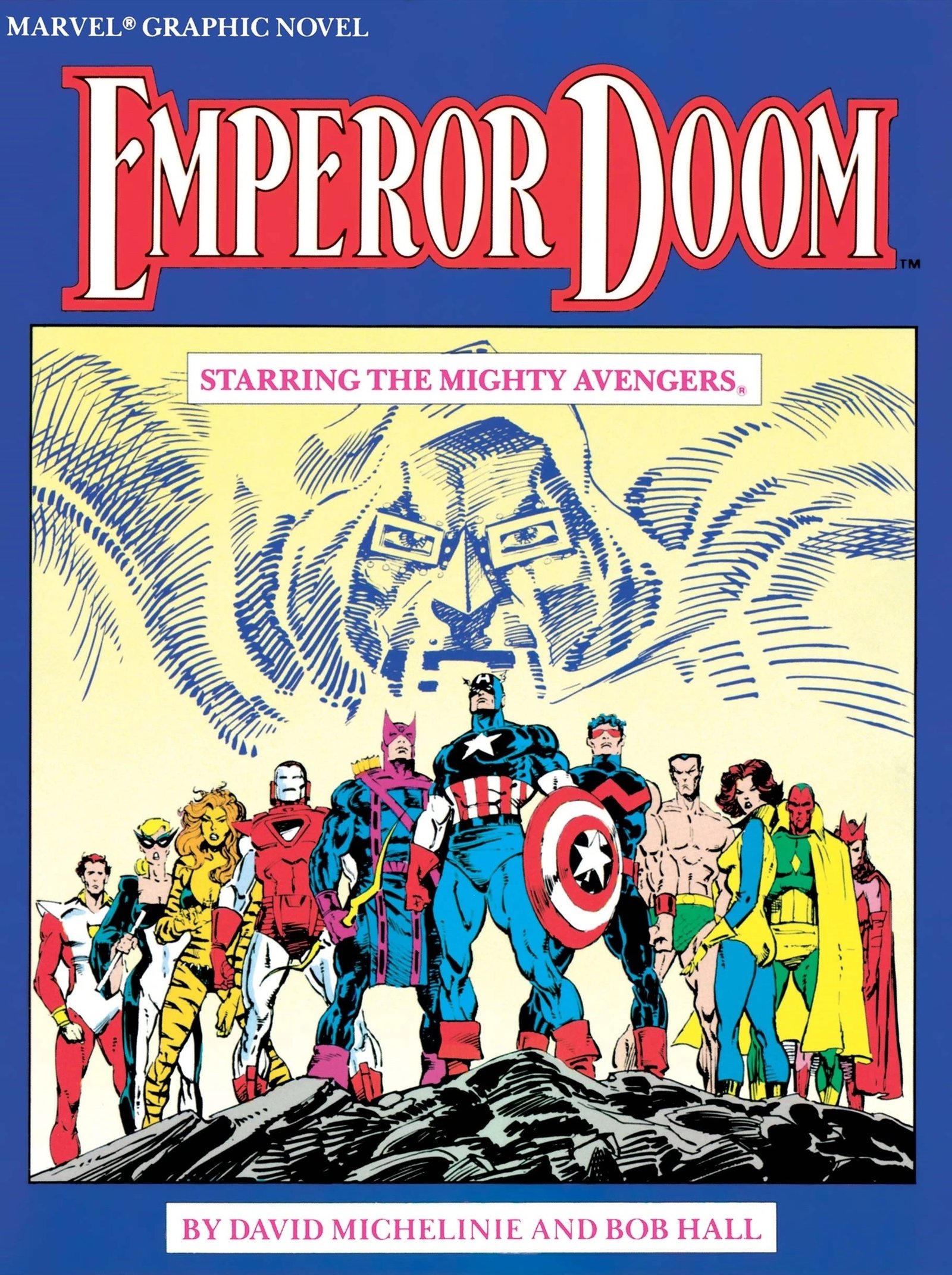

Writer: David Michelinie | Artist/Penciller: Bob Hall | Inkers: Bob Hall and Keith Williams | Colorist: Bob Hall | Letterer: Bill Oakley
Doctor Doom conquering the world isn’t exactly a revolutionary concept. The man has practically built his entire existence around the belief that humanity would function considerably better if everyone would simply acknowledge his superiority. The difference with Emperor Doom is that Victor von Doom actually accomplishes what he’s been threatening to do for decades. And then comes the uncomfortable realization that being in charge of everything might not be quite the satisfying experience he imagined.
Marvel is bringing back one of Doctor Doom’s most fascinating stories in Emperor Doom #1, a special comic book edition of the original Marvel Graphic Novel #27: Emperor Doom (1987). Written by David Michelinie with artwork by Bob Hall, the original graphic novel presented a scenario that went well beyond Doom’s usual attempts to embarrass Reed Richards or seize another convenient source of cosmic power. This time, Doom obtains control over virtually the entire planet, and the Avengers find themselves facing an enemy who has already won.
What makes this particular story so interesting is the method Doom uses to accomplish his objective. Rather than unleashing another enormous robotic army or constructing some catastrophic device that inevitably develops a mechanical problem during the final confrontation, Doom turns to the Purple Man. Zebediah Killgrave possesses the ability to influence the actions of others through mind control. Doom finds a way to amplify that ability on a global scale, essentially stripping humanity of its free will.
It’s an efficient solution, if you happen to be a dictator with absolutely no concern for individual rights. For Doom, that describes a fairly ordinary Tuesday.
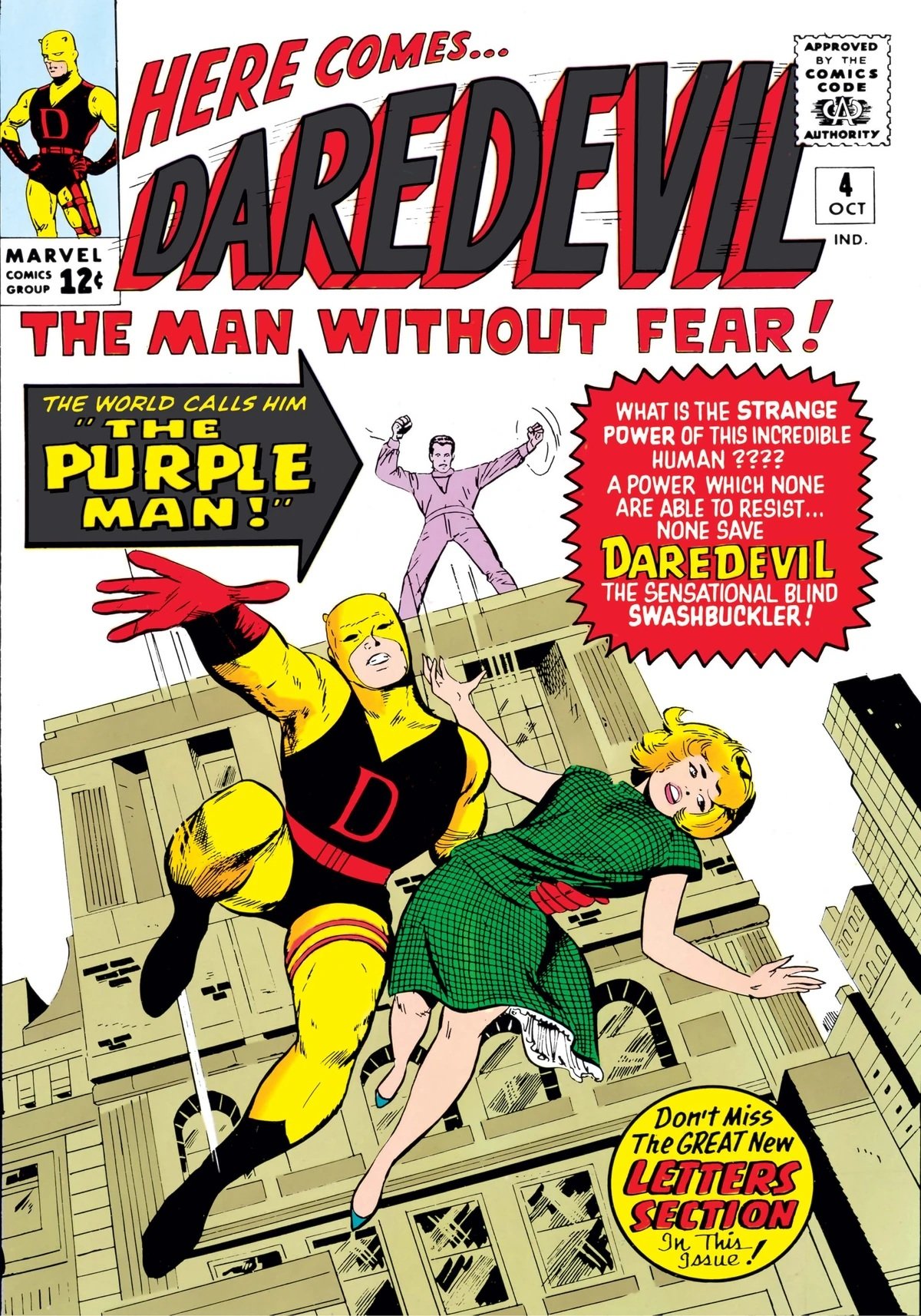
The Purple Man has his own collectible history. His original appearance came in Daredevil #4 (1964), written by Stan Lee with artwork by Joe Orlando. He was introduced as an adversary of Matt Murdock, but his powers would eventually make him one of Marvel’s more psychologically disturbing villains. Connecting him to Doom created a particularly effective combination: one character obsessed with controlling the world and another capable of controlling the minds of the people living in it.
There is, however, one significant obstacle to Doom’s carefully arranged global obedience. Wonder Man, Simon Williams, remains unaffected because of his ionic physiology. That makes him one of the few individuals capable of recognizing what has happened, while the rest of the world continues functioning under Doom’s influence. Wonder Man must convince the Avengers to break free of the control they don’t even realize they’re under.
For collectors who appreciate how supporting characters become central to important Marvel storylines, Wonder Man’s original appearance in The Avengers #9 (1964) offers another excellent historical connection. Introduced during the early years of the team, Simon Williams eventually developed into a significant member of the Avengers and their extended family of characters. His role in Emperor Doom reinforces how a character who isn’t necessarily Marvel’s biggest commercial attraction can become essential to an important storyline.
The original graphic novel also presents something rarely associated with Doctor Doom’s methods of government: the world actually appears to improve under his control. Crime decreases, order increases, and many of the problems associated with human conflict begin disappearing. Of course, everyone has also surrendered the ability to make decisions for themselves. There always seems to be one small inconvenience attached to absolute dictatorship.
That moral contradiction is central to the significance of Emperor Doom. Would a peaceful world still be desirable if its citizens had absolutely no freedom? Is Doom successful because he’s genuinely capable of leading humanity, or because nobody is permitted to disagree with him? And perhaps more importantly, does a supposedly improved world justify the elimination of individual choice?
These are the kinds of questions that separated the original graphic novel from a conventional superhero confrontation. Doom doesn’t need to defeat every Avenger in physical combat when he has effectively eliminated their ability to oppose him.
The original 1987 edition deserves special attention from collectors. Marvel’s graphic novel line presented stories in a larger, prestige-style format, frequently allowing creators more room to develop concepts outside the traditional monthly comic structure. Marvel Graphic Novel #27: Emperor Doom (1987) is the original collectible publication, while the newly numbered Emperor Doom #1 is a reprint presented in the conventional comic book format.
That distinction is extremely important for comic book speculation. A new number one attached to an established story does not make the material a first appearance or a brand-new adventure. The original printing remains historically significant as the first publication of the story. The new edition provides a different collecting opportunity, particularly for those interested in Doctor Doom’s resurgence and the available cover artwork.
 And there are several other Doom-related back issues worth bringing into this conversation without repeating his familiar first appearance.
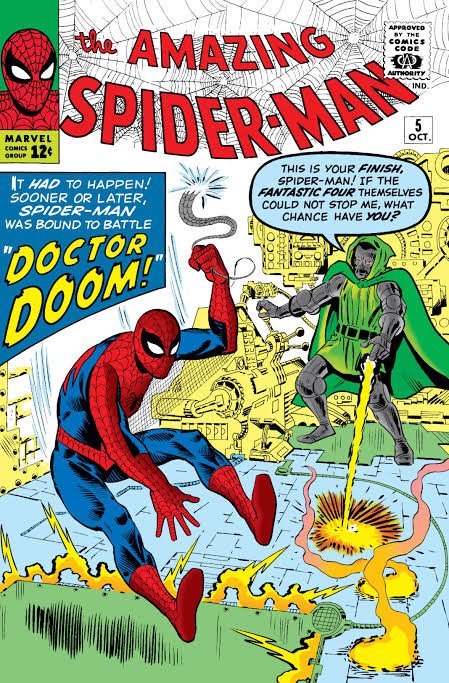
Consider The Amazing Spider-Man #5 (1963). Written by Stan Lee with artwork by Steve Ditko, this issue marked Doctor Doom’s first comic book appearance outside the Fantastic Four title. It also established his first major confrontation with Spider-Man, demonstrating how quickly Marvel recognized Doom’s potential beyond his original rivalry. His ambitions were already expanding into the larger Marvel Universe. Apparently, restricting Doom to one superhero franchise was never going to be a realistic arrangement.
Another particularly interesting issue is Marvel Super-Heroes #20 (1969), featuring Doctor Doom’s first solo story. The tale, “This Man… This Demon!”, explored Doom’s history and his connection to Valeria, a woman from his earlier life, while placing him against Diablo. The story was developed by Larry Lieber and Roy Thomas, with artwork involving Lieber, Frank Giacoia, and Vince Colletta. For collectors interested in Doom’s evolution from recurring villain to a character capable of carrying his own stories, this is a far more meaningful historical milestone than simply acquiring another modern issue with his name on the cover.
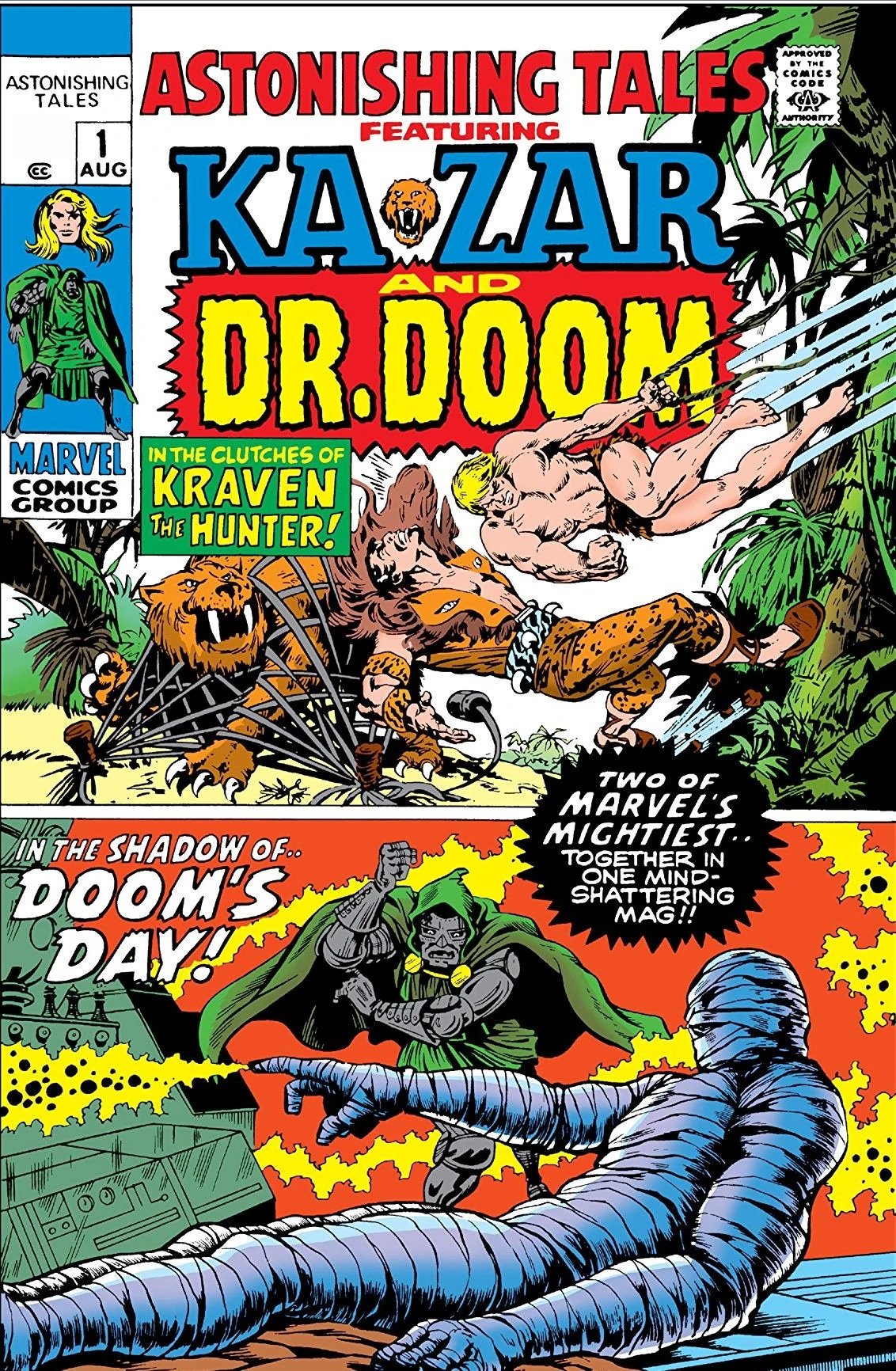
That development continued in Astonishing Tales #1 (1970), which launched Doctor Doom’s first recurring solo feature alongside Ka-Zar. Roy Thomas and Wally Wood handled Doom’s portion of the issue, introducing the Doomsman and giving readers another glimpse into the complicated politics of Latveria. It’s an important early Doom-related key because Marvel was increasingly allowing villains to become the central figures of their own adventures.
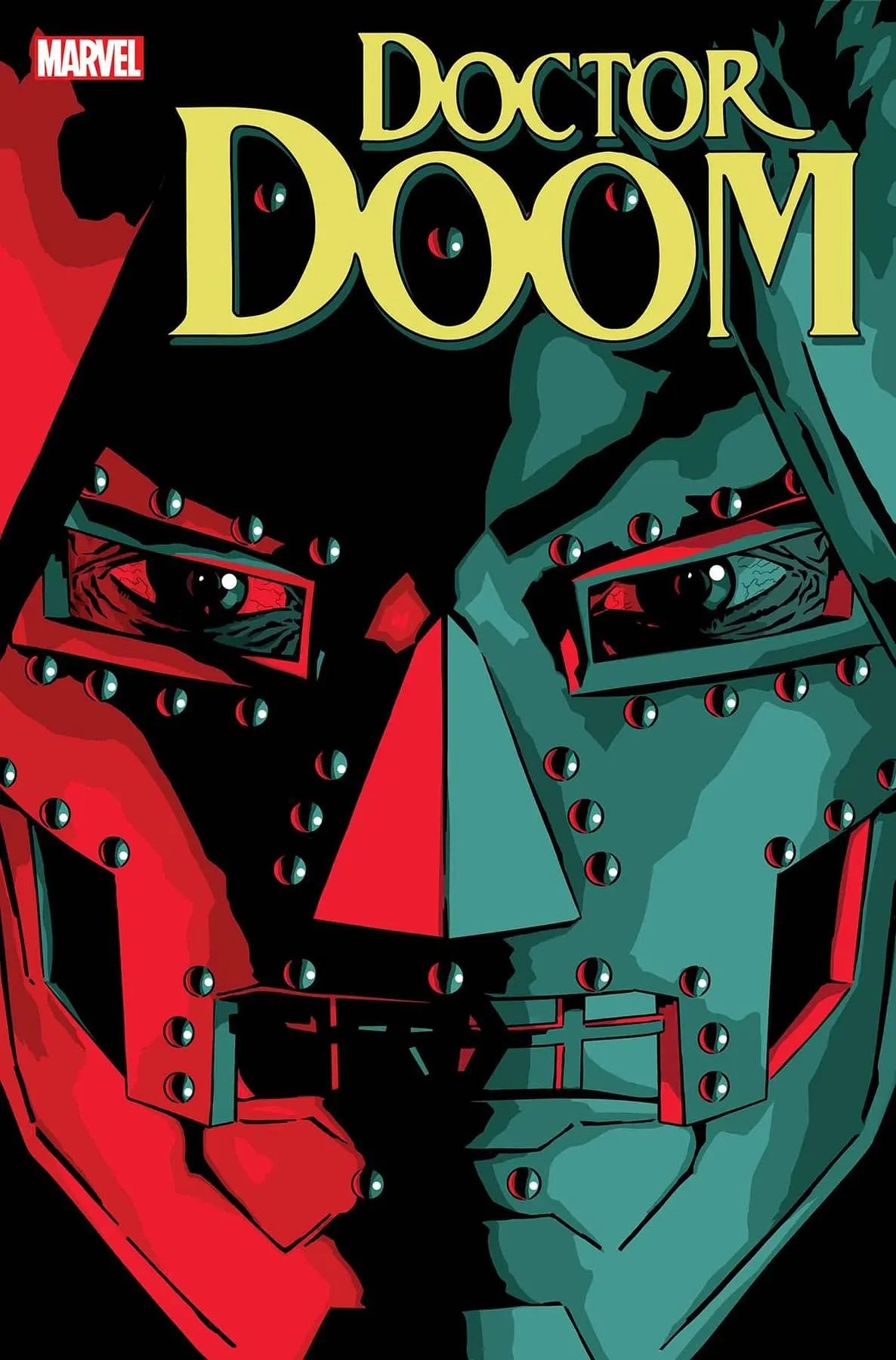
Decades later, Doctor Doom #1 (2019), written by Christopher Cantwell with artwork by Salvador Larroca, launched a self-titled ongoing series devoted to Victor von Doom. That issue represents another distinct collecting milestone. His first solo story, first recurring solo feature, and first ongoing series bearing his own name are different historical events. They should be identified accordingly rather than grouped together under the vague description of a Doom first.
 The timing of Marvel’s return to Emperor Doom also creates an obvious connection with the upcoming Avengers: Doomsday film. Robert Downey Jr. is taking on the role of Victor von Doom, with Anthony and Joe Russo directing the next major Avengers event. The cinematic attention surrounding Doom has brought renewed interest to his extensive comic book history, particularly stories where his ambitions threaten the entire Marvel Universe rather than merely the Fantastic Four.
Emperor Doom fits that category almost perfectly. Here is a villain who has successfully placed the world under his control, leaving Earth’s Mightiest Heroes to figure out how to reverse an outcome that already appears permanent.
That doesn’t mean the movie will adapt this particular graphic novel. Marvel Studios has not established that connection, and movie titles should never be treated as confirmation of specific comic book storylines. Nevertheless, the general concept of Doom confronting the Avengers on an enormous scale makes the original Emperor Doom graphic novel an especially appropriate historical reference as the film approaches.
It’s also worth remembering that movie speculation can generate significant attention without producing lasting value across every connected back issue. The market has demonstrated repeatedly that a character’s cinematic importance and the secondary-market performance of individual comics are related only when actual collector demand follows.
The attraction here is the artwork and the presentation of a classic story, not an undiscovered first appearance.
There’s something especially appropriate about Marvel revisiting Emperor Doom while Doom is preparing for one of his largest appearances outside comic books. The original graphic novel demonstrated that Victor von Doom could operate as a threat to the entire Marvel Universe long before his name became central to a major Avengers film.
Collectors interested in historical significance have several different approaches: the original 1987 graphic novel, his early solo appearances, the first time he stepped beyond Fantastic Four, and the modern reprint with its accompanying cover choices.
Doom may believe that everything ultimately belongs to him, but collectors should probably continue making their own decisions. That’s the benefit of having free will, even when the ruler of Latveria strongly disagrees.
-Jay Katz