
 Top 5 New Key Comics 11-4-26
Books from Jay Katz of InvestComics
Jay Katz of InvestComics has three comic-themed books available on Amazon: The Beginner’s Guide to Comic Investing: How to Spot Trends in Comics Before Everyone Else, The Ultimate Comic Book Word Search, and The Ultimate Comic Crossword Puzzle. Whether you want to sharpen your speculation instincts or test your comic knowledge, all three books are available in one place.
 View all three books on Amazon
LAST WEEK’S Top 5 New Key Comics 10-28-26
Clicking any red-highlighted link or comic book cover may direct you to eBay or another third-party marketplace where the item may be available for purchase. Please use your own judgment before buying. Always review the seller’s rating, feedback, item description, photos, shipping terms, and return policy before completing any transaction. InvestComics does not sell these items directly, does not control third-party listings, and is not responsible for any transaction, seller, product condition, shipping issue, refund, or dispute. InvestComics does not endorse any individual seller or listing. InvestComics participates in the eBay Partner Network and may receive compensation from qualifying purchases made through affiliate links on this site.
The Avengers #1 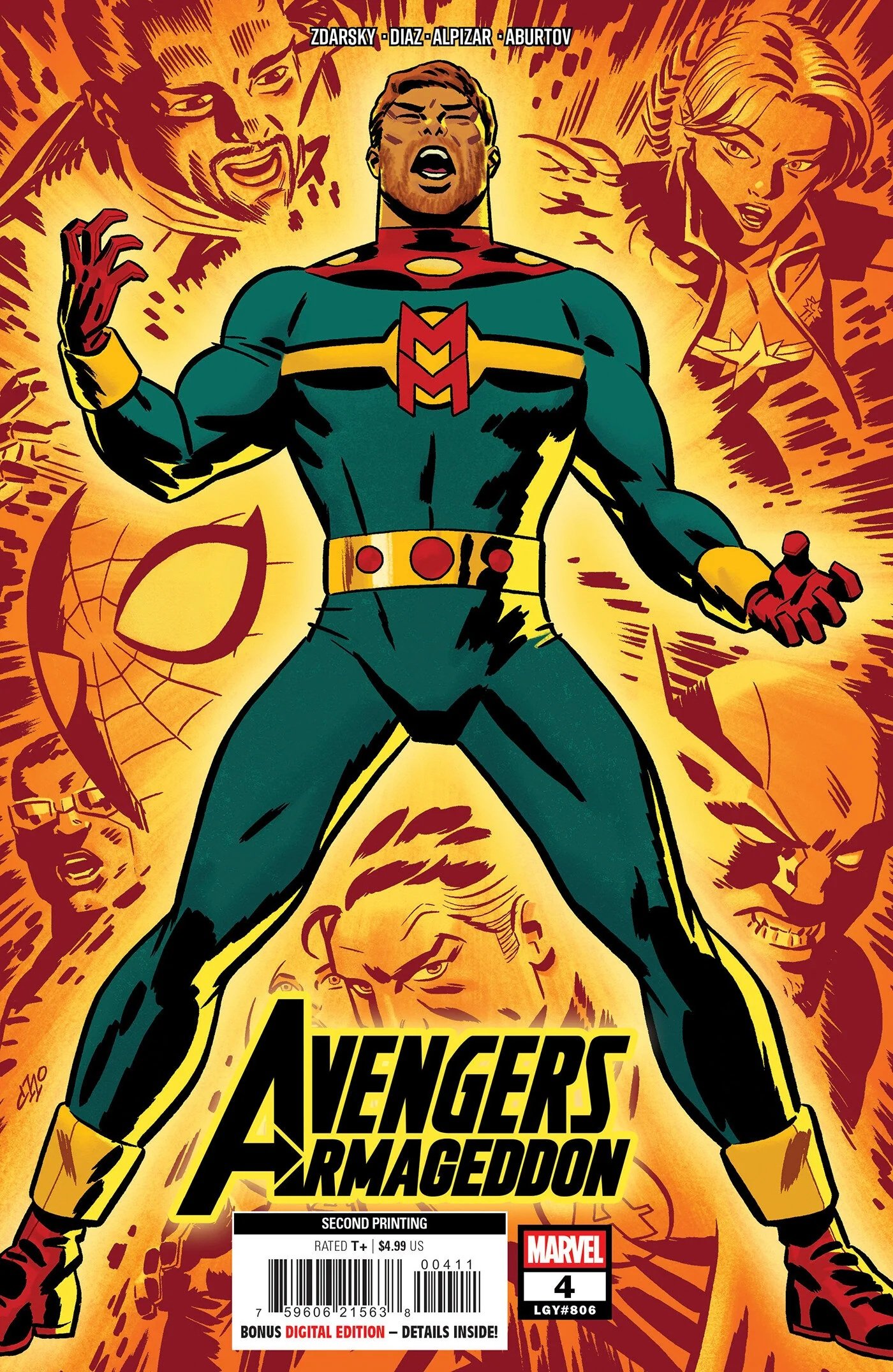
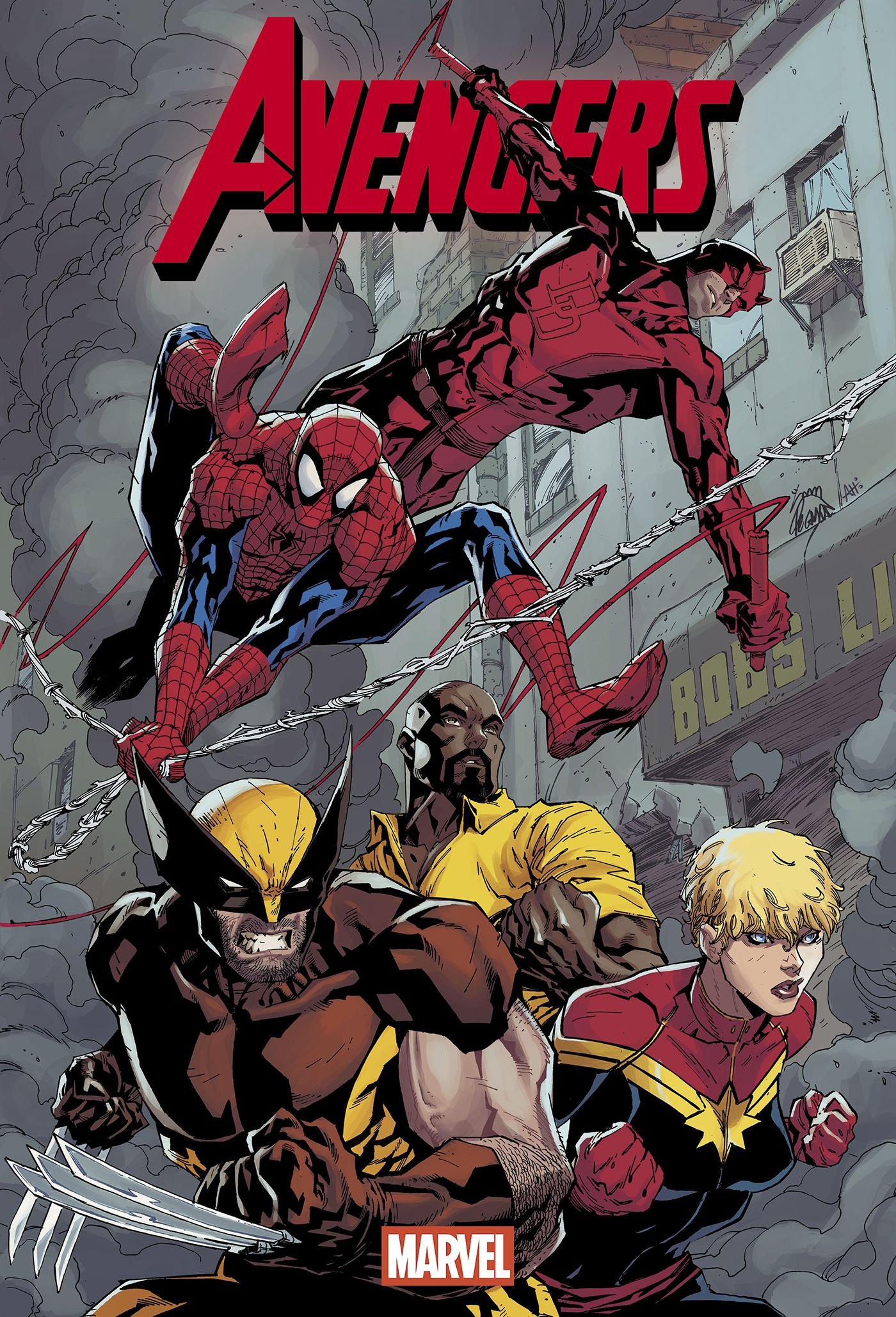
Writer: Chip Zdarsky | Artist: Marco Checchetto | Colorist: Matt Wilson
Marvel is assembling a new Avengers lineup, and this one looks considerably different from the traditional collection of heroes everyone has grown accustomed to. Chip Zdarsky and Marco Checchetto reunite for a new ongoing series following the catastrophic events of Avengers: Armageddon. Their previous collaboration on Daredevil established them as a formidable creative team, and now they’re responsible for rebuilding the Avengers in a Marvel Universe that isn’t particularly interested in trusting its superheroes anymore. Apparently, saving the world repeatedly wasn’t enough to establish a decent reputation.
The new roster consists of Spider-Man, Wolverine, Captain Marvel, Daredevil, Luke Cage, and David Colton, the newest incarnation of Miracleman. That last addition is especially significant to comic book speculation.
David Colton made his first appearance in Captain America #1 (2025), written by Chip Zdarsky with art by Valerio Schiti. Introduced as a soldier connected to a modern American super-soldier program, Colton eventually became a central figure in the Armageddon storyline. His transformation into Miracleman occurs in Avengers: Armageddon #4 (2026), making that comic an important first-identity appearance for collectors following this emerging character. It’s worth distinguishing Colton’s debut from his first appearance using the Miracleman identity, because they’re two different collecting milestones.
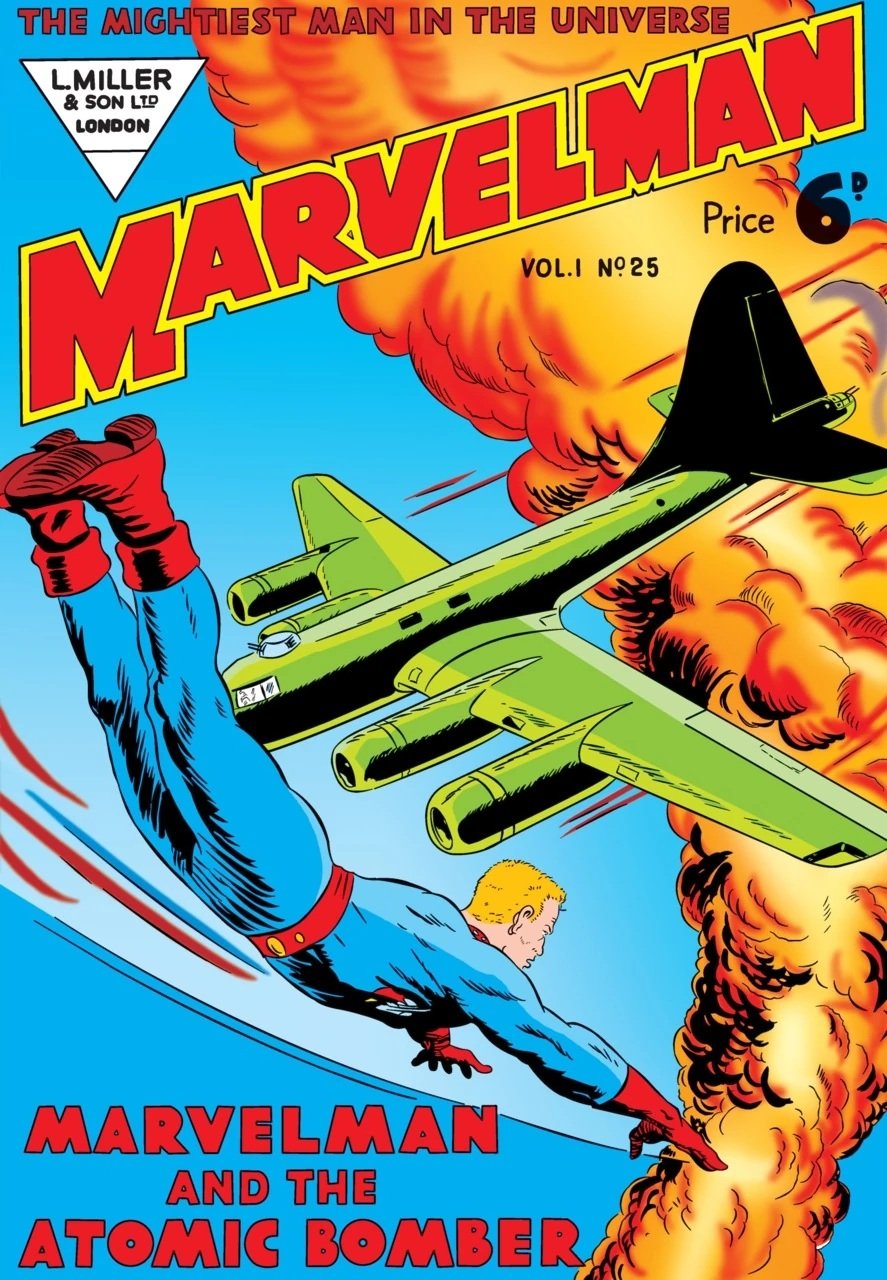
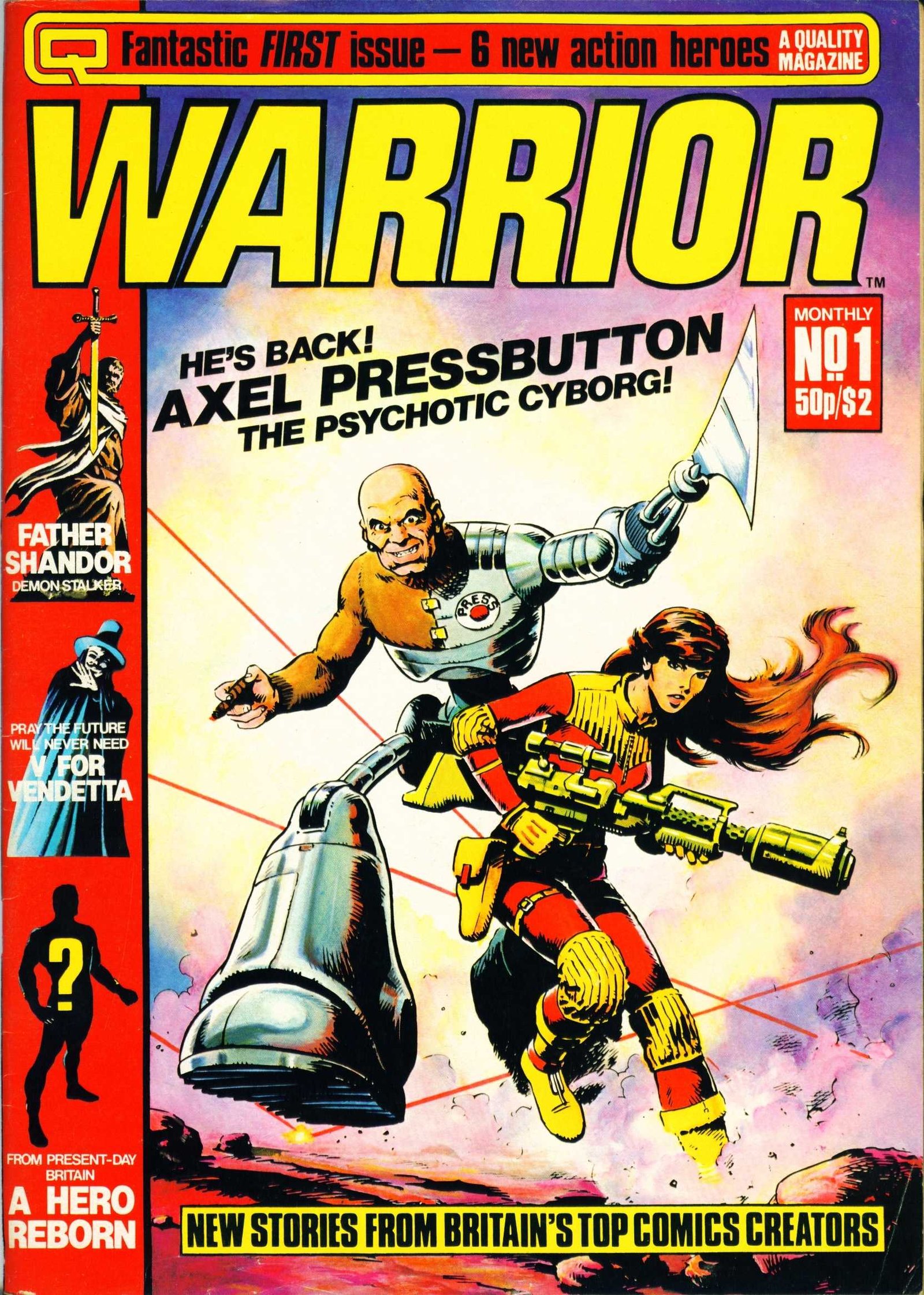
Miracleman’s publishing history, of course, goes considerably further back. The original Marvelman appeared in Marvelman #25 (1954), created by Mick Anglo. The character was subsequently reinvented in Warrior #1 (1982), beginning one of the most influential modern interpretations of superhero storytelling. David Colton represents a distinctly different incarnation of that legacy, so collectors should avoid confusing the original Miracleman keys with the modern Colton appearances.
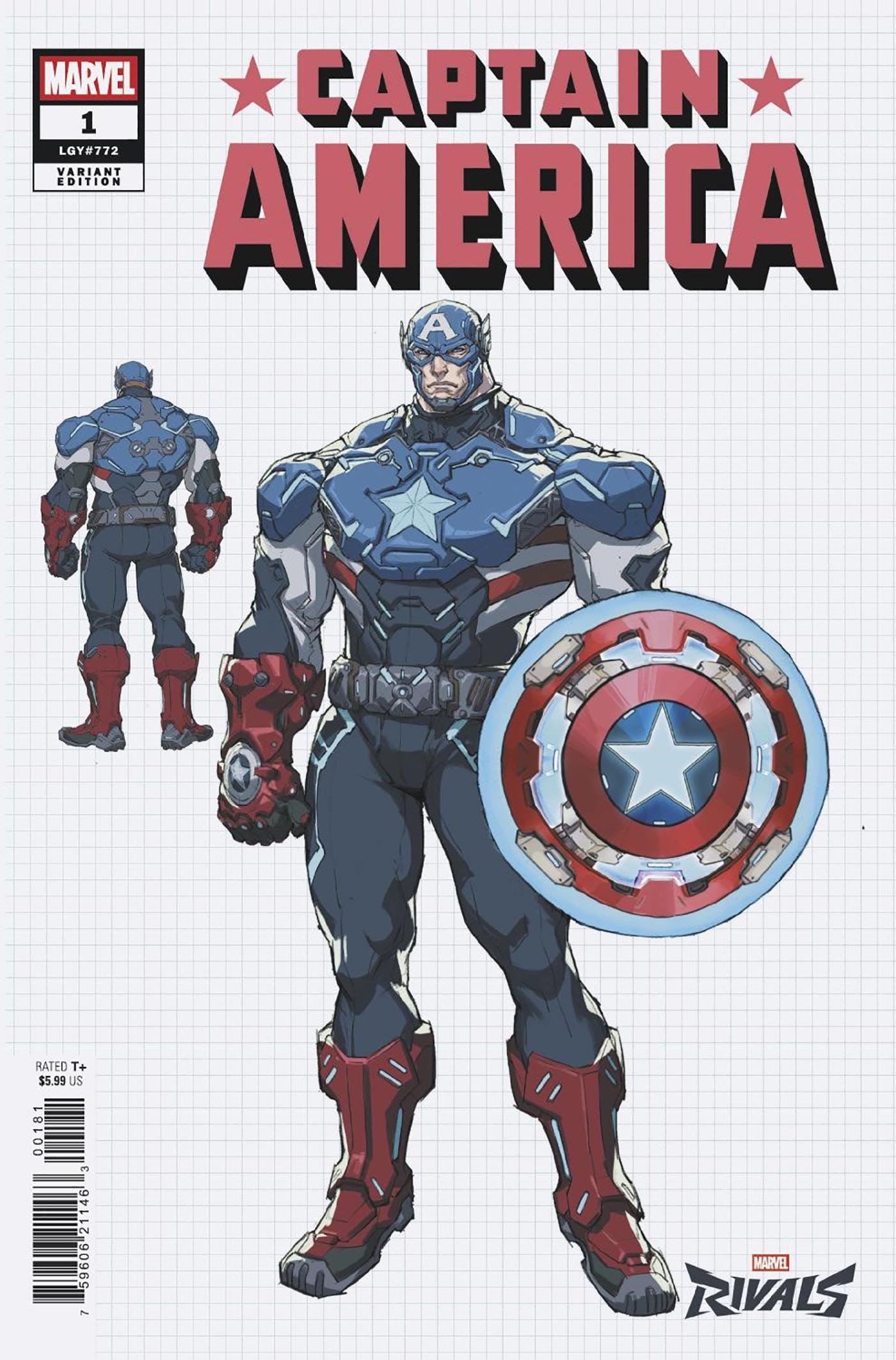
 What distinguishes this new lineup is the combination of street-level characters and enormously powerful heroes. Daredevil and Luke Cage bring a different perspective from the cosmic threats traditionally associated with the Avengers, while Wolverine and Spider-Man introduce personalities not exactly known for following committee procedures. Then there’s Miracleman, whose presence could substantially change the team’s power structure.
From a collecting standpoint, comic book first appearances involving new identities and team memberships deserve attention, particularly when a publisher positions a character for a larger role. Whether David Colton develops into a long-term Marvel fixture remains an open question. The back issues documenting his introduction and transformation already have identifiable historical significance, regardless of what the secondary market eventually decides.
Marco Checchetto’s artwork also adds considerable appeal to the launch. His dynamic compositions and character work have built a dedicated following, and the opportunity to showcase an entirely new Avengers lineup gives collectors another reason to examine the available covers.
There’s a difference between collecting a major new direction and assuming every number-one issue will become valuable. Marvel has launched enough Avengers titles to furnish a small warehouse. The real question is whether this particular team, and especially its newest member, becomes important enough to remain part of the Marvel Universe.
The Punisher Showdowns: Wolverine #1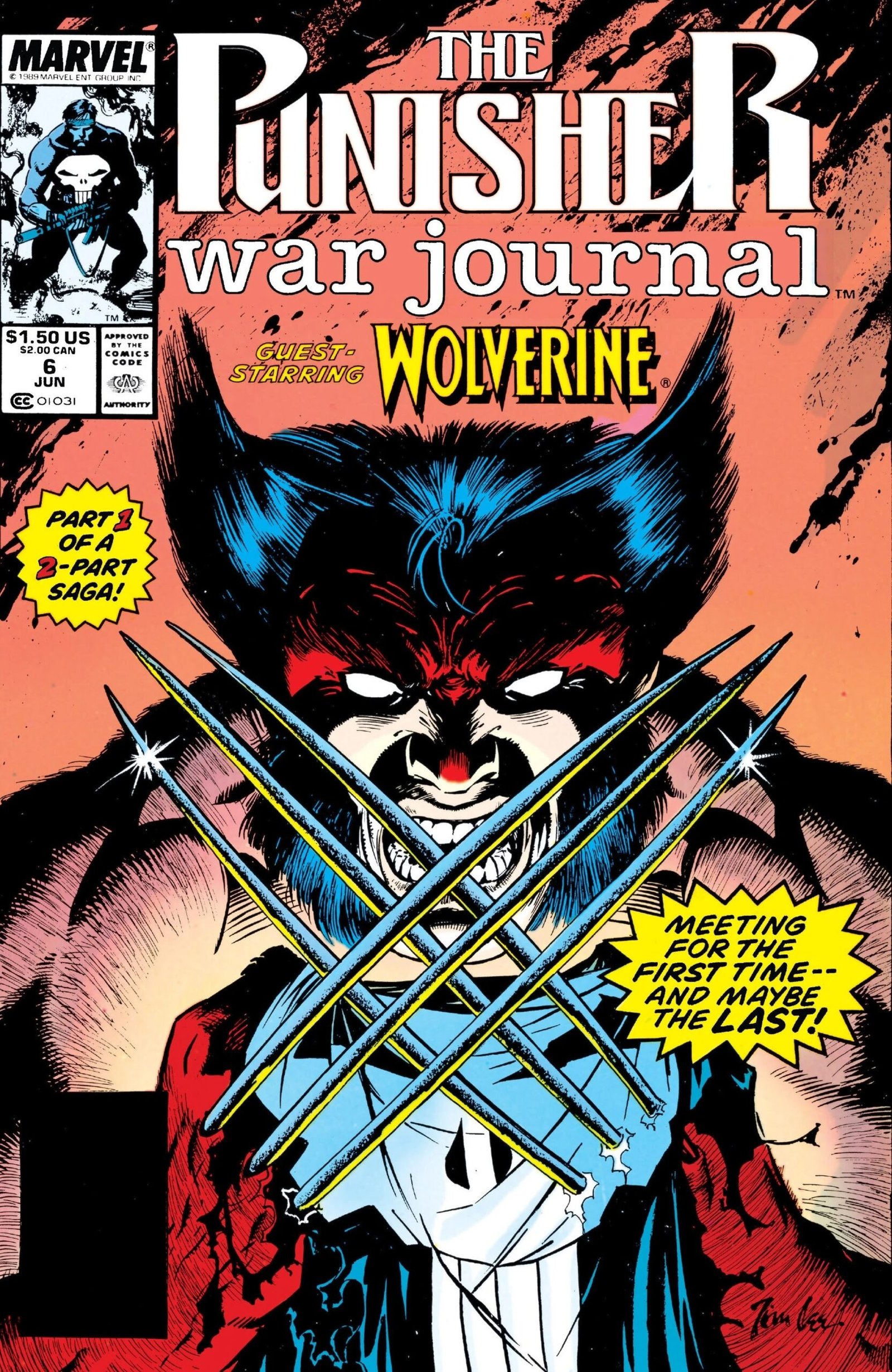
Writer: Tom Waltz | Artist: Bruno Büll | Colorist: Mario Menyz | Letterer: Cory Petit
Frank Castle and Logan have never been particularly concerned with providing criminals an opportunity to reconsider their career choices. Both characters operate in a morally complicated territory, although Wolverine occasionally attempts to observe a few more boundaries. Occasionally being the important word.
Tom Waltz continues Marvel’s Punisher Showdowns series with another encounter involving Frank Castle and a recognizable Marvel hero. Following the confrontation with Black Widow, this installment brings the Punisher into Wolverine’s territory as both characters investigate the criminal underground of New York City.
The Yakuza are distributing a dangerous drug capable of triggering violent behavior, providing Frank and Logan with a common enemy. Unfortunately, identifying the same criminals doesn’t automatically make the two men partners.
That brings us to one of the more interesting historical connections in this week’s group of new comics.
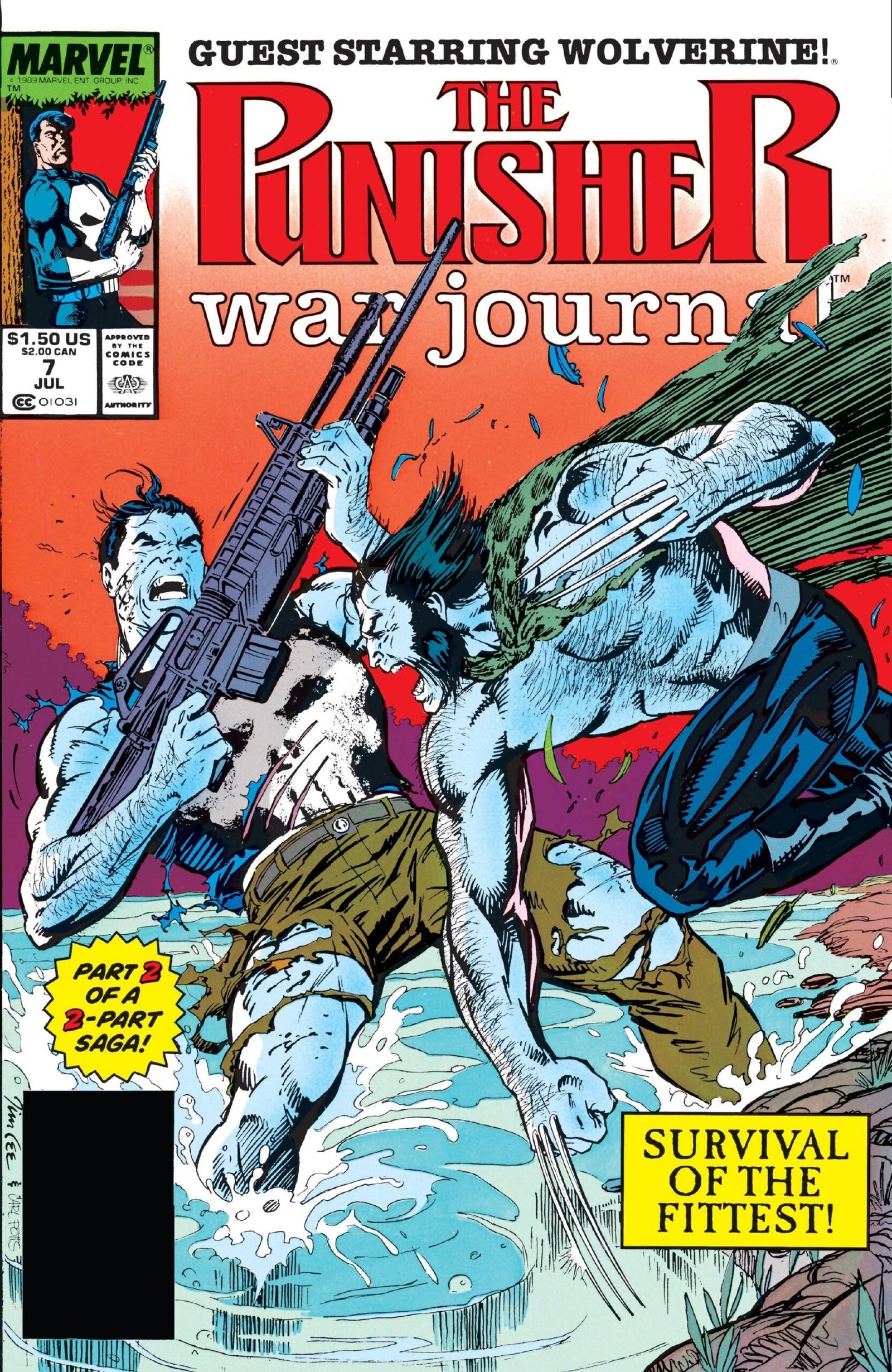
The first comic book meeting between the Punisher and Wolverine occurred in The Punisher War Journal #6 (1989), written by Carl Potts and illustrated by Jim Lee. The encounter took place in Africa, where Wolverine was investigating illegal poaching while Frank Castle became involved in an expedition. A misunderstanding resulted in the two characters attacking one another.
It wasn’t exactly the beginning of a healthy professional relationship.
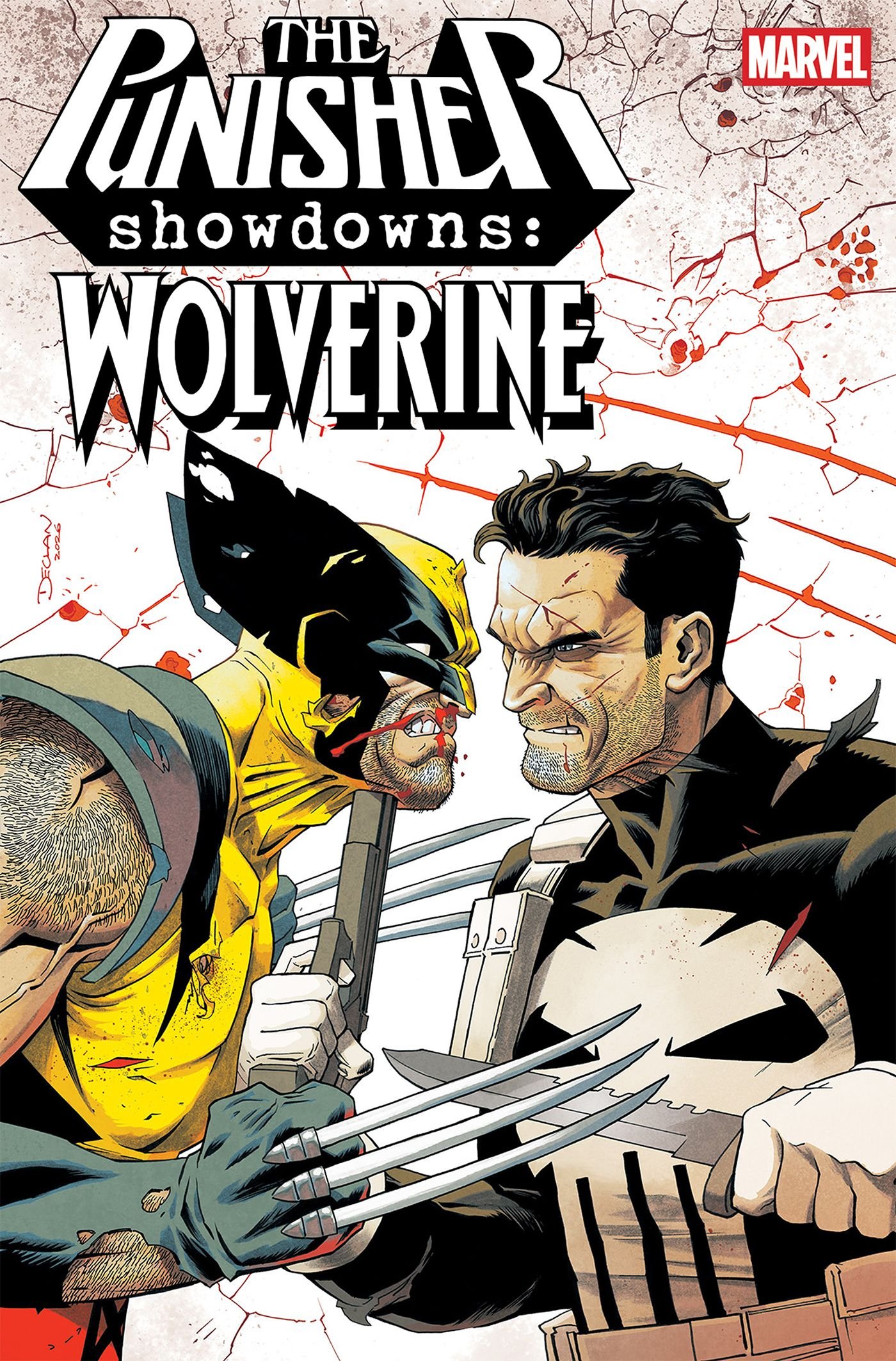
The encounter continued in The Punisher War Journal #7 (1989), creating a two-issue storyline that remains particularly attractive to fans collecting early Jim Lee artwork. Both issues represent an interesting combination of Wolverine, Punisher, and a major artist whose reputation would continue growing substantially throughout the following decade.
The sixth issue is the significant historical key because it documents their first meeting. Issue seven completes the confrontation and has its own appeal as the companion book.
In the current one-shot, the emphasis returns to the fundamental disagreement between Wolverine and the Punisher. Both believe their methods are justified. Neither seems especially interested in adopting the other’s approach.
From a collecting perspective, the new comic has several elements worth considering. The standalone format provides a recognizable character pairing, Bruno Büll brings a different artistic interpretation to the encounter, and the featured Declan Shalvey cover offers another opportunity for collectors who specifically follow established comic book artists.
Shalvey has developed a following through work involving Moon Knight, Wolverine, and other darker Marvel characters. His visual approach makes considerable sense for this particular pairing.
The historical Punisher War Journal issues remain the more established collectible connection. Modern confrontation comics may attract attention because of striking artwork or distinctive covers, but it’s difficult to manufacture the importance of a documented first meeting from 1989.
That distinction is precisely why comparing modern releases with their historical counterparts remains useful when evaluating comic book first appearances and character relationships.
Uncanny X-Men #38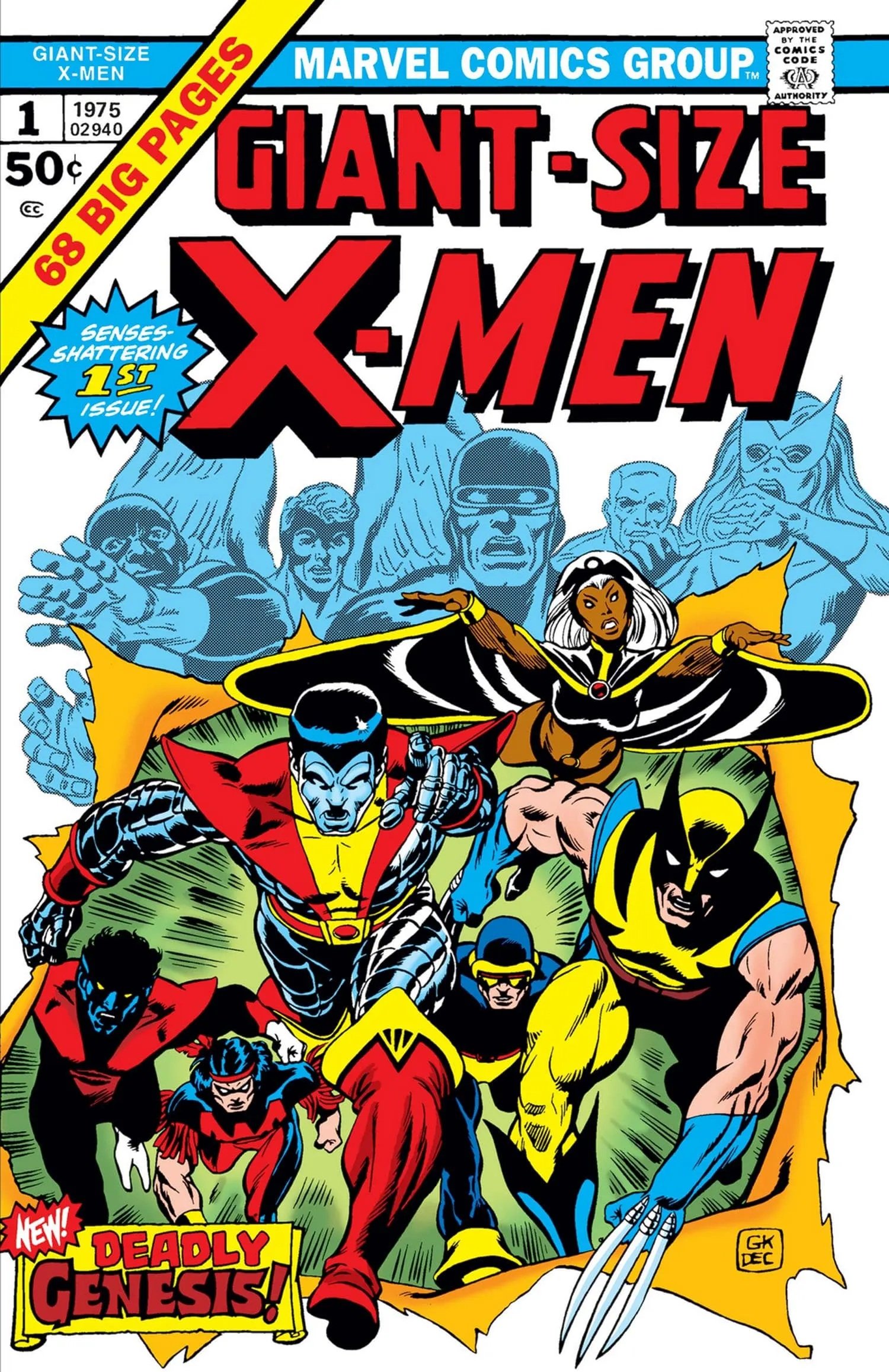
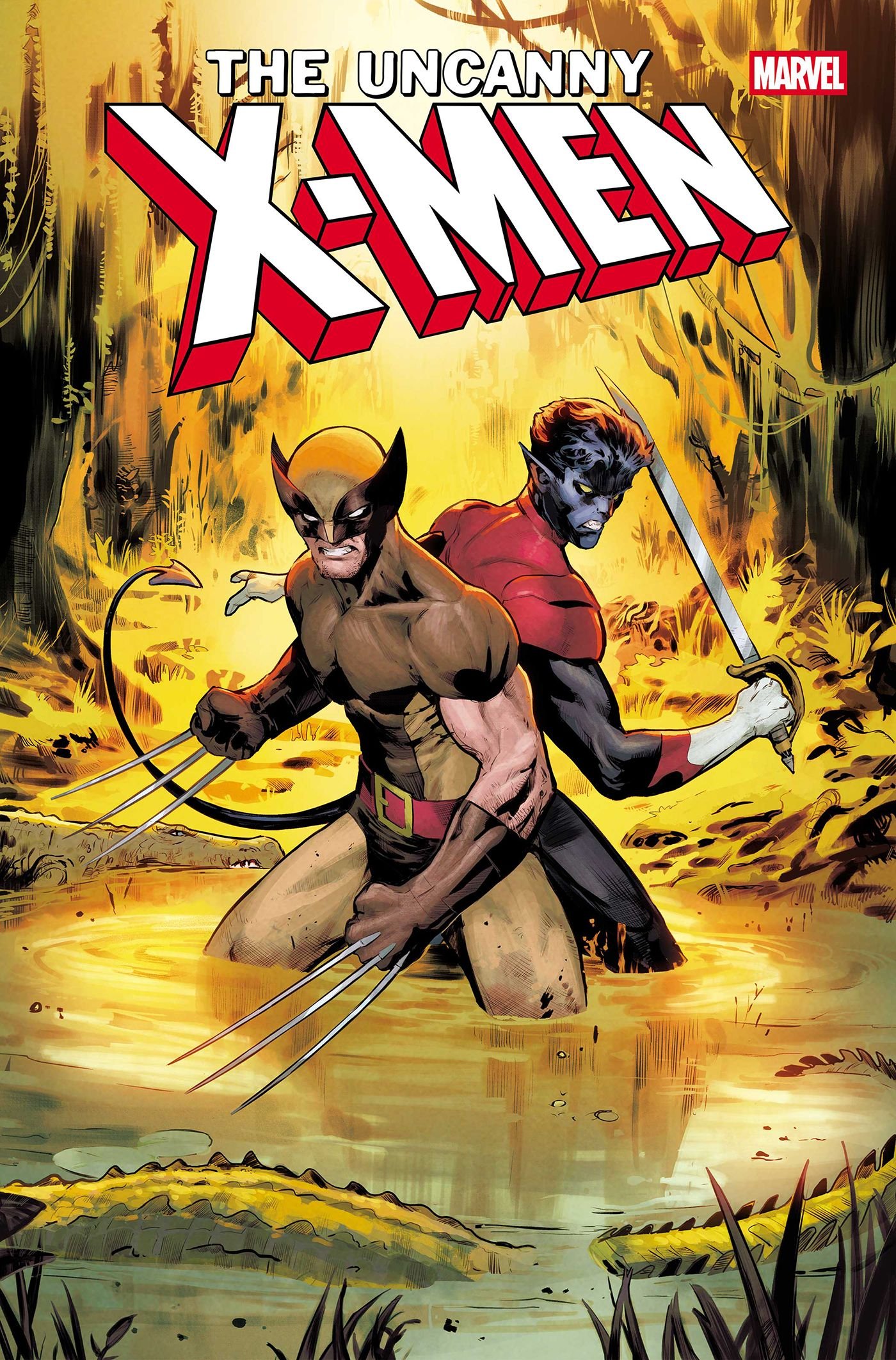
Writer: Gail Simone | Artist: Luciano Vecchio | Colorist: Matt Wilson | Letterer: Clayton Cowles
The X-Men have spent most of their existence dealing with people attempting to control, duplicate, eliminate, or weaponize mutants. One would assume the scientific community could find something more productive to do with its resources, but apparently creating dangerous experiments remains a popular Marvel Universe research program.
Gail Simone begins a new storyline, “The Scavenged,” that brings the consequences of Graymalkin Prison’s experiments back into the lives of the X-Men.
Four damaged mutants have emerged from the horrors associated with the former prison. Their abilities have been manipulated to resemble Wolverine, producing unstable and dangerous individuals with claws and powers they cannot properly control.
Their target is a new ally of the Uncanny X-Men.
The distinction here is worth examining. Marvel’s advance description identifies four altered mutants, but it does not establish that all four are making their first comic book appearances in this issue. Whether these characters are completely new introductions or previously established mutants undergoing significant transformations will matter when assigning specific key-issue status.
For collectors, a character’s first appearance and the debut of a new identity or physical transformation are separate milestones. The comic book market frequently treats them differently, particularly when a new version becomes popular enough to remain relevant.
The broader X-Men history offers another important collecting connection. Giant-Size X-Men #1 (1975) introduced the new international lineup that included Storm, Colossus, Nightcrawler, and Thunderbird, while bringing Wolverine into the team. Written by Len Wein with artwork by Dave Cockrum, that issue fundamentally changed the direction of Marvel’s mutants.
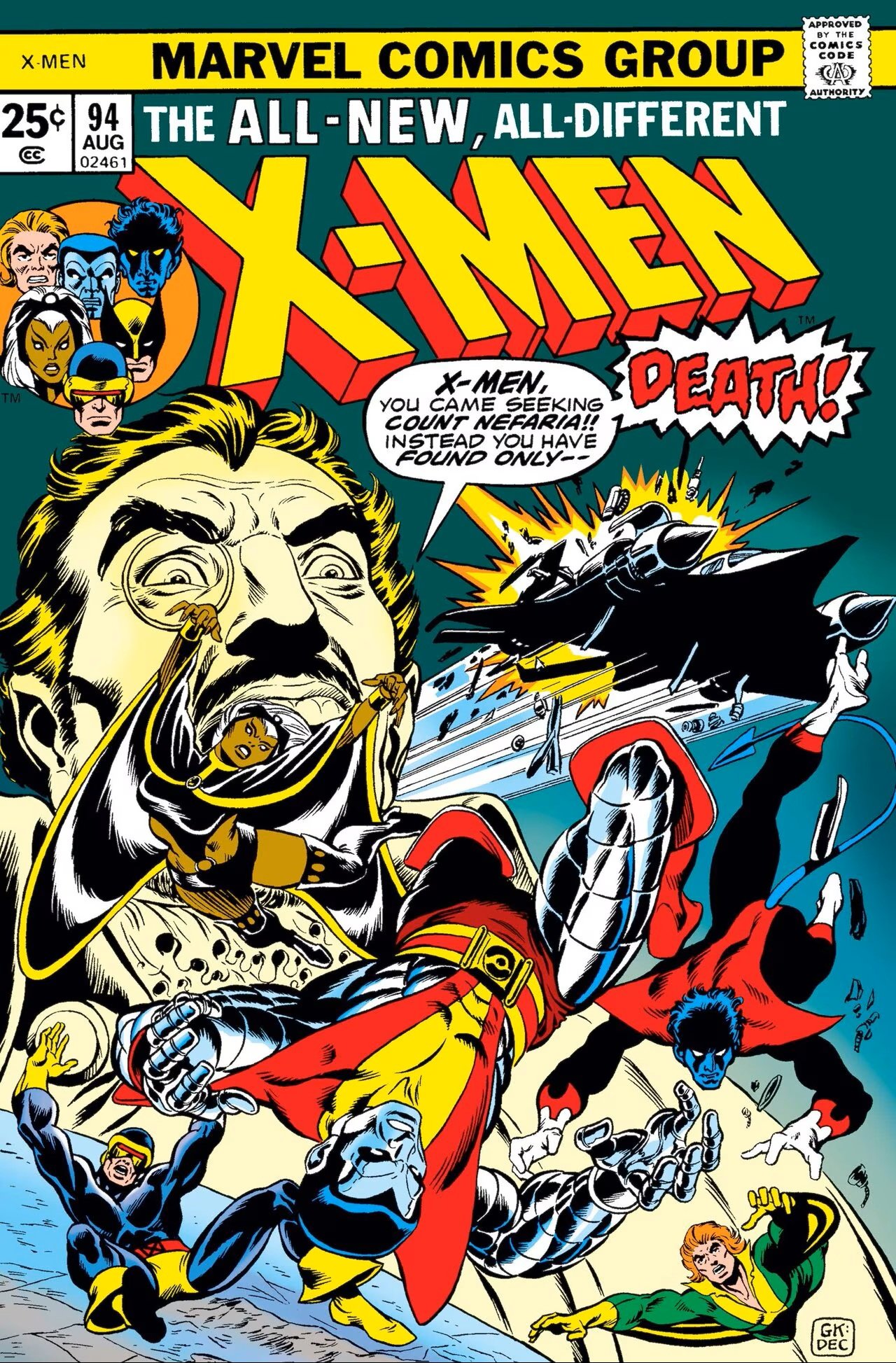
The new roster then began its ongoing adventures in X-Men #94 (1975), with Chris Claremont taking over the writing and Dave Cockrum continuing as artist. Those two comics established much of the foundation that would transform the X-Men into one of the industry’s largest franchises.
For collectors interested in character introductions, that’s an important distinction. If any of these four altered mutants develop individual names, identities, or a continuing role in the X-Men universe, their earliest appearances may receive additional attention.
Luciano Vecchio’s artwork is also worth acknowledging. Vecchio has worked on several Marvel mutant-related projects, including Iceman, and brings expressive character designs to a storyline involving physically altered mutants. Juan Frigeri’s cover, featuring Wolverine and Nightcrawler, also connects the modern title visually to the classic X-Men lineup.
There’s no shortage of Wolverine-related characters in Marvel’s publishing history. Adding claws to four more individuals doesn’t automatically create four collectible sensations. Their eventual importance will depend on what Marvel establishes about their origins, whether they survive the storyline, and whether the publisher develops them beyond the immediate conflict.
For anyone tracking modern X-Men key comics, those details are considerably more useful than declaring every unidentified mutant the next major first appearance before the character has even been properly established.
Spider-Woman #1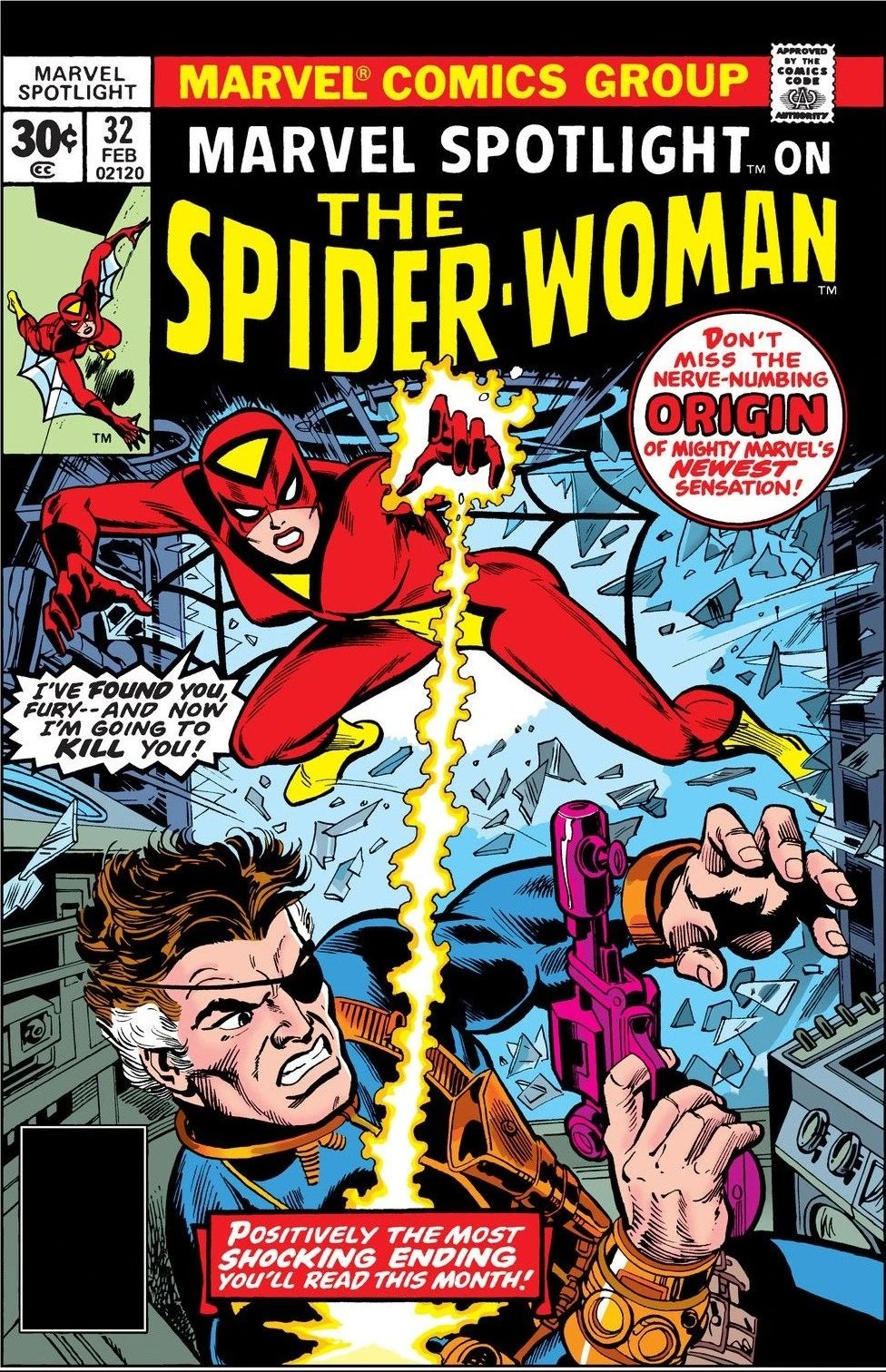
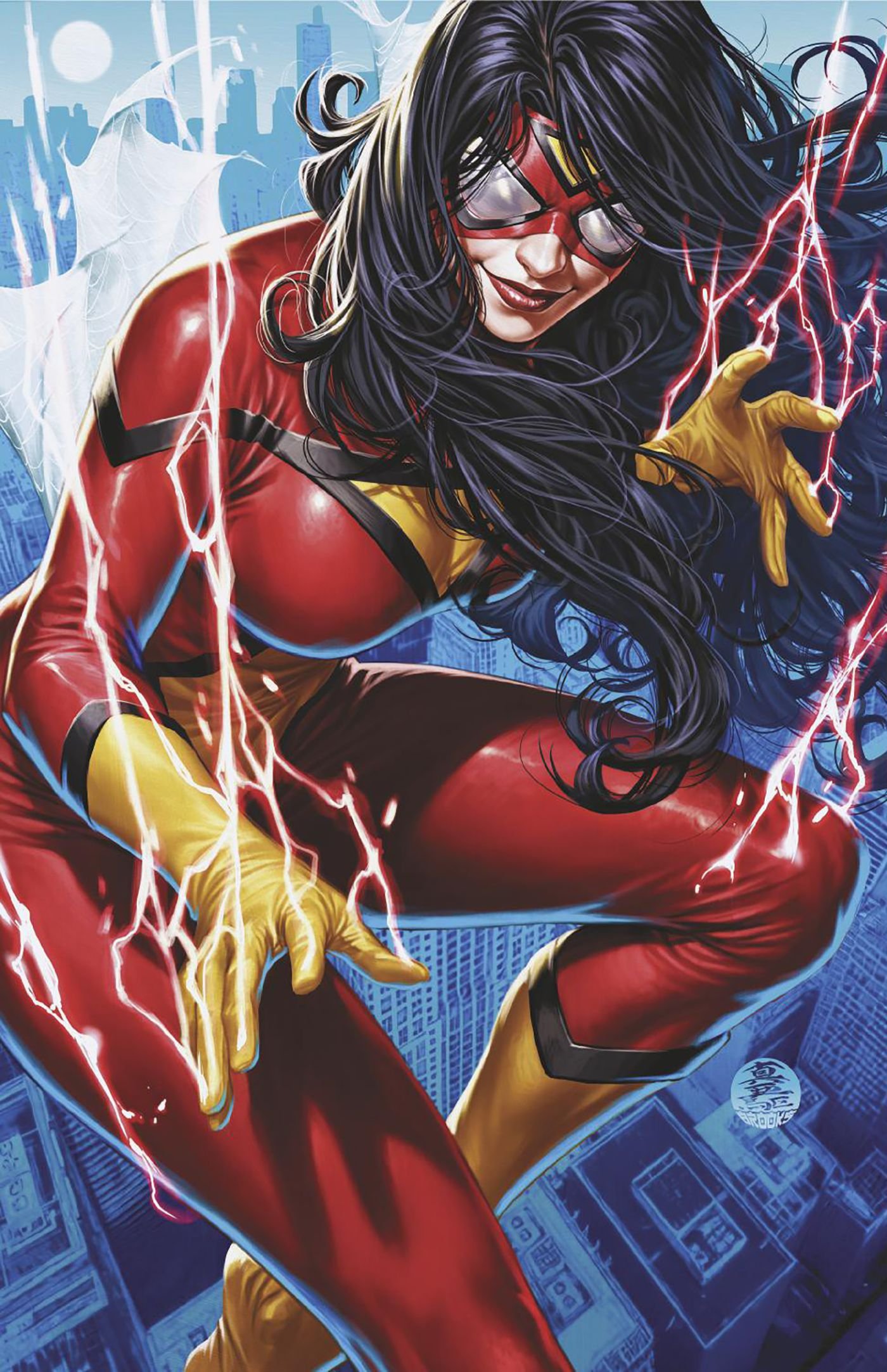
Writer: Dan Watters | Artist and Inker: Andrea Broccardo | Colorist: Mattia Iacono | Letterer: Travis
Jessica Drew has been part of the Marvel Universe for nearly fifty years, and apparently that isn’t enough time to escape the occasional disastrous decision. Her newest adventure involves one of Marvel’s most dangerous symbiotes, a renewed investigative career, and a situation that could turn Spider-Woman into something considerably more frightening.
Writer Dan Watters and artist Andrea Broccardo take over the character following developments in Amazing Spider-Man: Spider-Versity and the Spider-Woman 50th Anniversary Special. The new series places Jessica in a position where her greatest threat may be the creature she’s carrying around with her. That creature is Carnage.
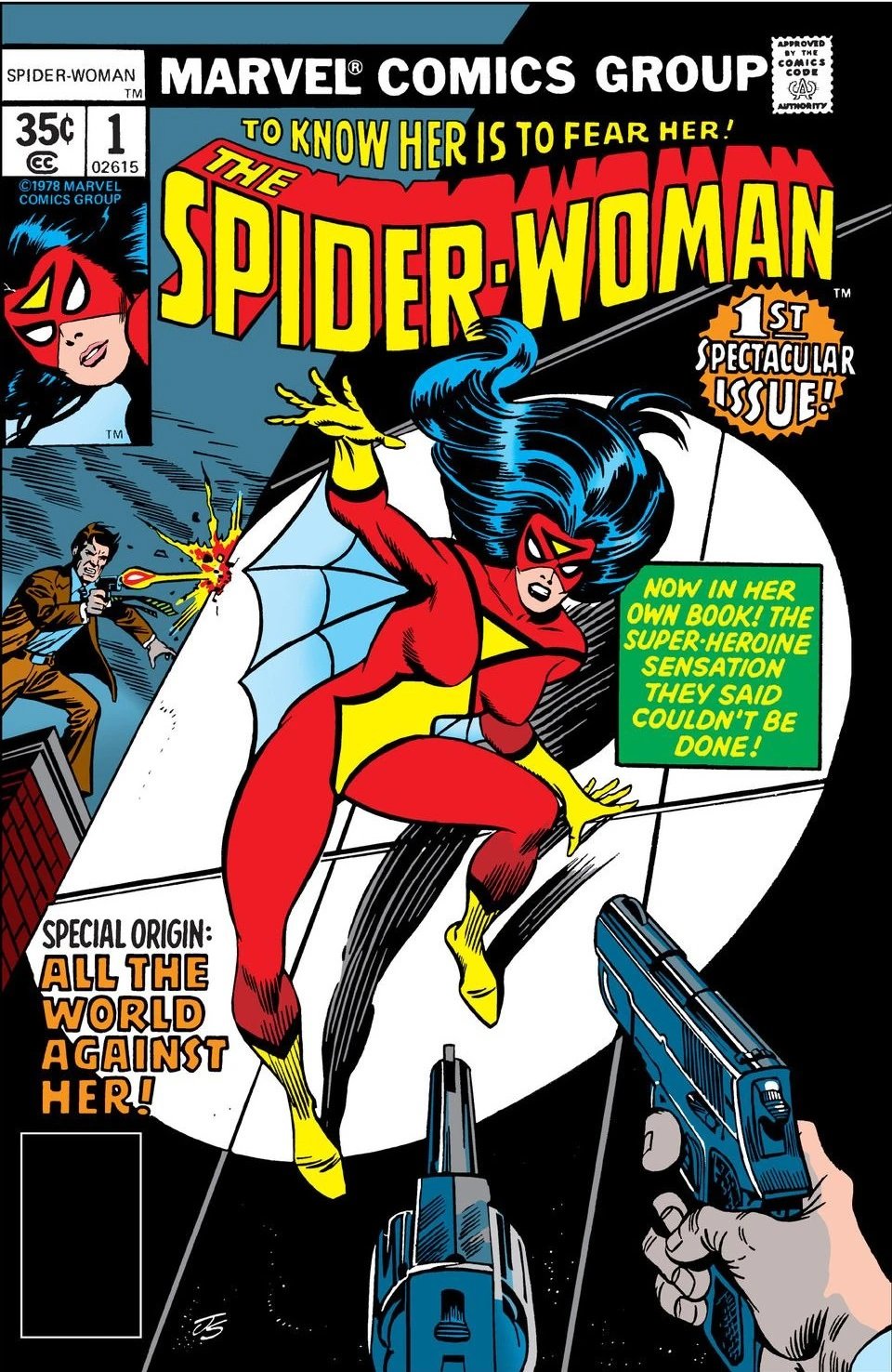
The original first appearance of Jessica Drew occurred in Marvel Spotlight #32 (1977), written by Archie Goodwin with interior artwork by Sal Buscema and Jim Mooney. Spider-Woman was introduced with connections to Hydra and a mysterious background involving Nick Fury. Her history would subsequently undergo considerable revisions, eventually developing her into one of Marvel’s more recognizable female superheroes.
Jessica received her first ongoing solo title in Spider-Woman #1 (1978), written by Marv Wolfman and illustrated by Carmine Infantino. That issue remains an important historical milestone because it established her as the central character of a continuing series rather than simply another supporting superhero. Carnage has an equally significant collecting history.
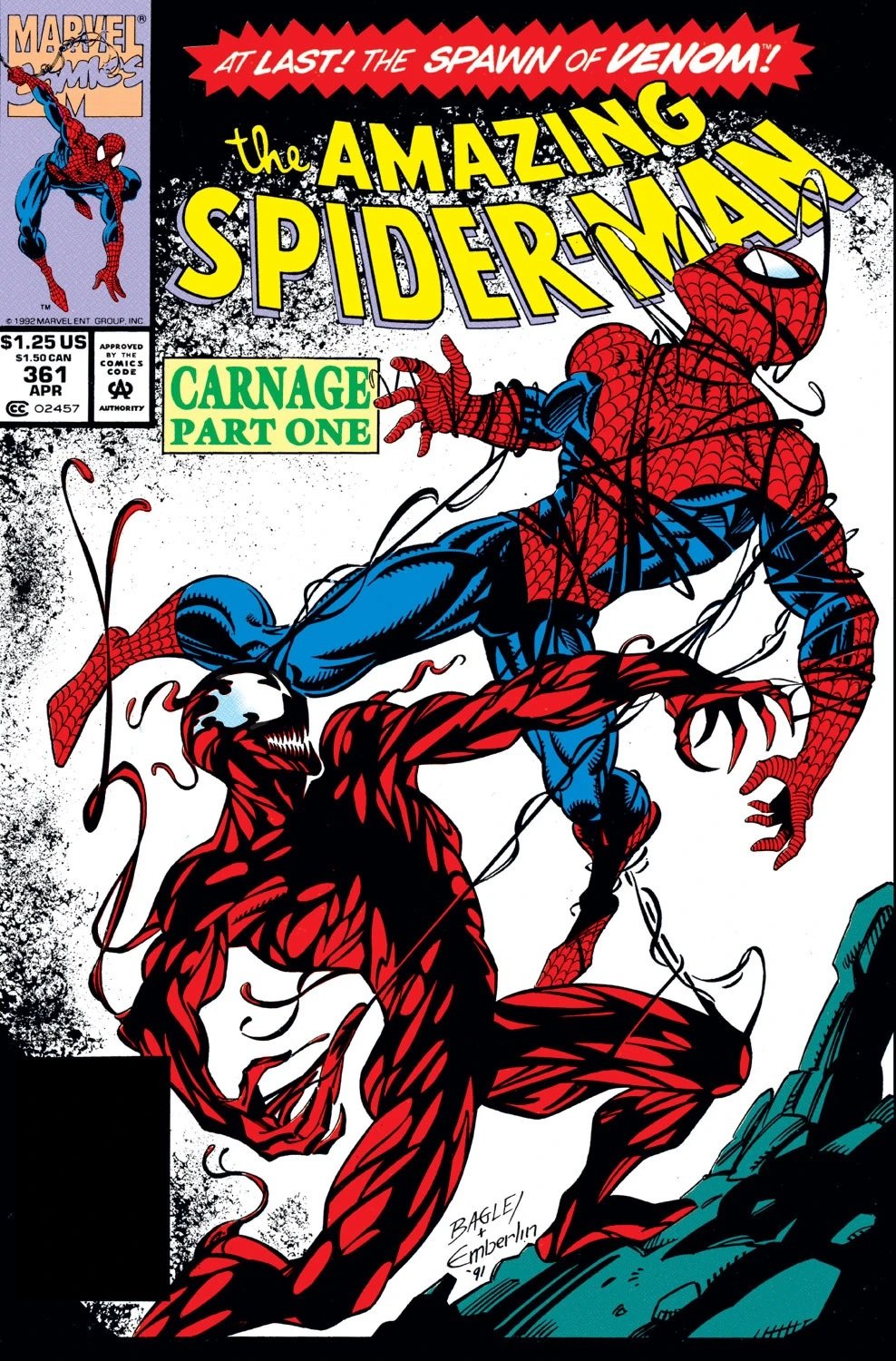
Cletus Kasady became the bloodthirsty symbiote villain in The Amazing Spider-Man #361 (1992), written by David Michelinie with artwork by Mark Bagley. Following earlier appearances of Kasady and brief Carnage teases, issue #361 established the villain’s first full appearance.
That book remains one of the more recognizable early-1990s Spider-Man keys and continues attracting collectors because of Carnage’s lasting importance to Marvel’s symbiote mythology.
The connection between Carnage and Jessica Drew becomes particularly important in Amazing Spider-Man: Spider-Versity #5 (2026). During the confrontation involving Norman Osborn and the Carnage symbiote, Jessica uses her venom blasts to separate the symbiote from Norman. Rather than destroying the threat, she secretly takes Carnage into herself. An interesting strategy, 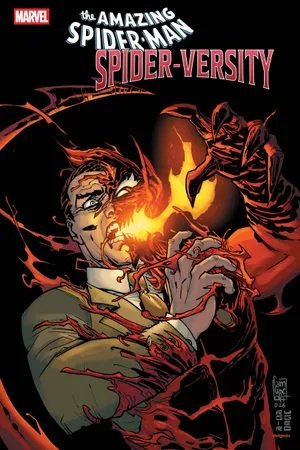
 considering the creature’s employment history.
This creates an important distinction for collectors. Jessica Drew’s original first appearance is a Bronze Age key, Carnage’s original first full appearance is an established modern-era key, and Spider-Versity #5 documents the development that connects the two characters in this new arrangement.
Those are three separate collecting categories, and anyone examining the potential significance of this new Spider-Woman series should understand the difference.
The new book also restores Jessica’s connection to investigative work. Dan Watters has described her involvement as an investigator working with the Daily Bugle, a role that fits her established background in espionage and detective work. Combining that career with the unpredictable Carnage symbiote provides an interesting contradiction. She’s supposed to investigate dangerous situations while attempting to restrain something that might be more dangerous than the criminals she’s pursuing.
From the cover-collecting side, Mark Brooks provides the featured artwork supplied here. His illustration places considerable emphasis on Spider-Woman’s familiar appearance, making it attractive for collectors who prefer recognizable character imagery even when the internal storyline is taking a darker direction.
The initial connection to Carnage may prove more important than another costume change or another number-one issue. If Jessica’s relationship with the symbiote becomes a defining period in her history, the earlier issue documenting the bonding could become especially relevant.
The sensible approach is to identify the established first appearances, recognize the new status quo, and follow whether that development becomes a permanent part of Spider-Woman’s history. Marvel has certainly changed enough symbiote hosts over the years to demonstrate that permanence is a somewhat flexible concept.
Absolute Superman #25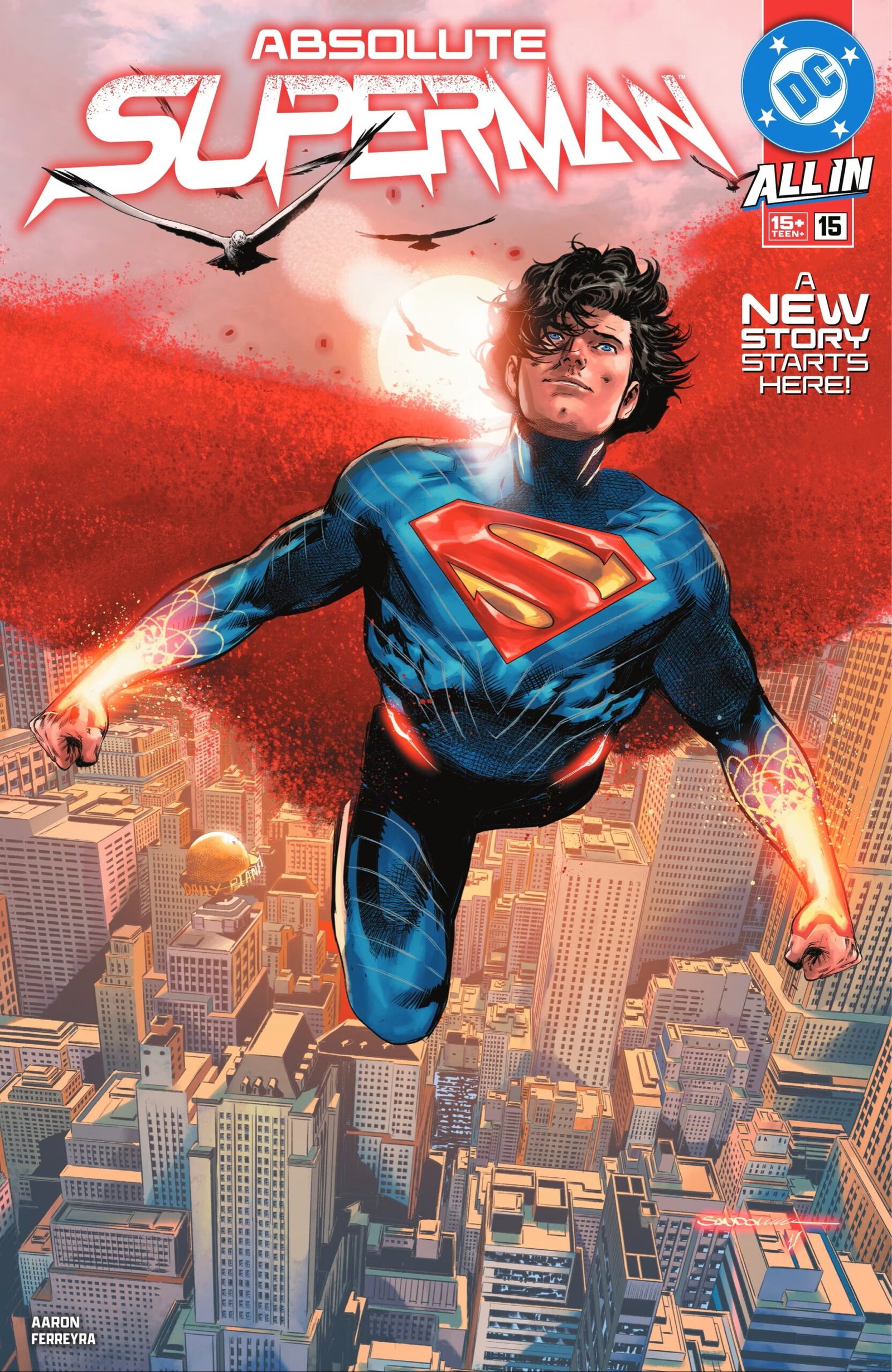
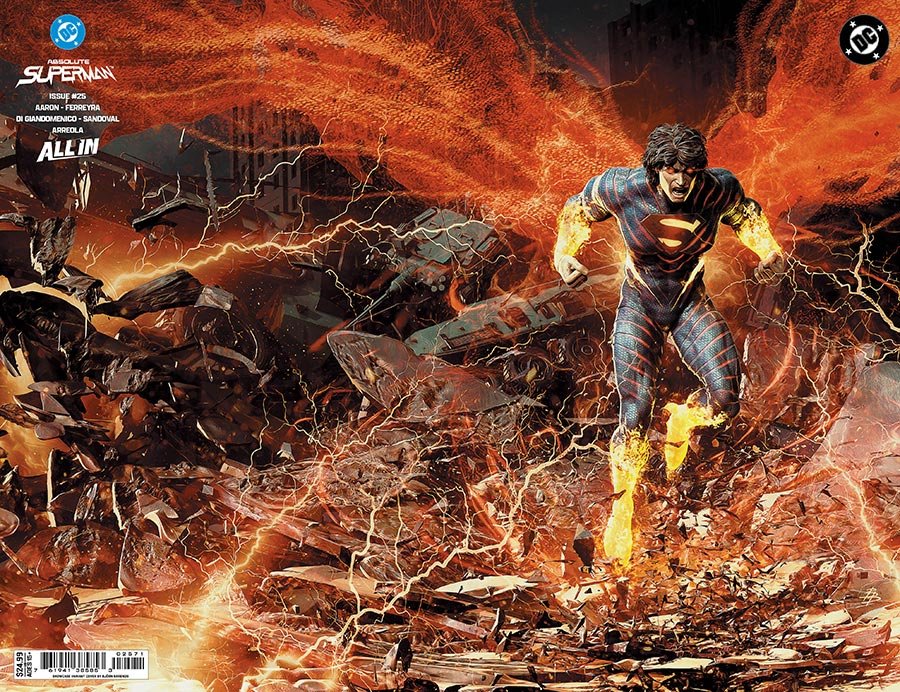
Writer: Jason Aaron | Artists and Inkers: Rafa Sandoval, Juan Ferreyra, and Carmine Di Giandomenico | Colorists: Juan Ferreyra and Ulises Arreola | Letterer: Becca Carey
Jason Aaron’s reinterpretation of Superman reaches a major milestone with an oversized twenty-fifth issue, bringing the confrontation with Brainiac to its conclusion.
The Absolute Universe has transformed several familiar DC characters by removing the circumstances that traditionally defined them. Batman exists without his family fortune. Wonder Woman has a completely different upbringing. Superman, meanwhile, begins his journey without the familiar support system, security, and advantages associated with his traditional history. The result is a version of Kal-El who has been forced to confront a significantly more hostile world.
For collectors following the Absolute line, Absolute Superman #1 (2024) is the starting point. Written by Jason Aaron with artwork by Rafa Sandoval and colors by Ulises Arreola, that issue introduced this interpretation of Superman and established the foundation of his new universe.
Since then, the series has developed its own versions of familiar characters, relationships, and enemies. One of the most disturbing has been Brainiac.
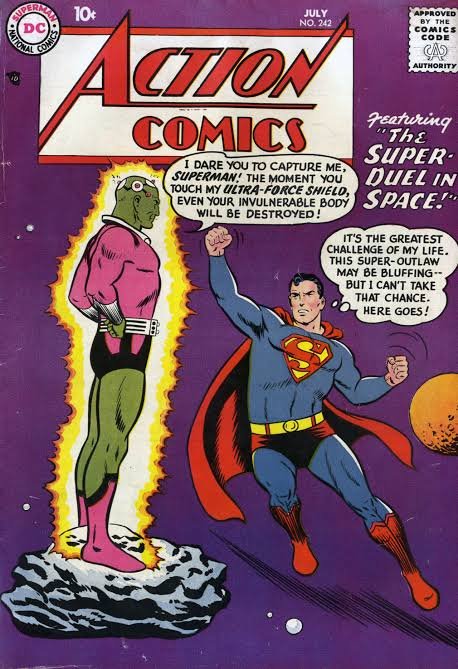
The villain’s historical first appearance occurred in Action Comics #242 (1958), written by Otto Binder and illustrated by Al Plastino. That issue introduced Brainiac as an alien intelligence responsible for shrinking and collecting entire cities, including the Kryptonian city of Kandor.
Brainiac would eventually become one of Superman’s most dangerous adversaries, evolving through several interpretations involving artificial intelligence, advanced technology, alien civilizations, and a pathological obsession with knowledge and control. Jason Aaron’s Absolute interpretation takes the character into considerably darker territory.
The ongoing “Get Brainiac” storyline, beginning in Absolute Superman #22, has escalated the conflict between Kal-El and a monstrous version of the villain. This is not simply a familiar superhero confronting a familiar enemy. The storyline has involved prolonged psychological and physical torment, with Brainiac becoming a central figure in Superman’s struggle to survive his 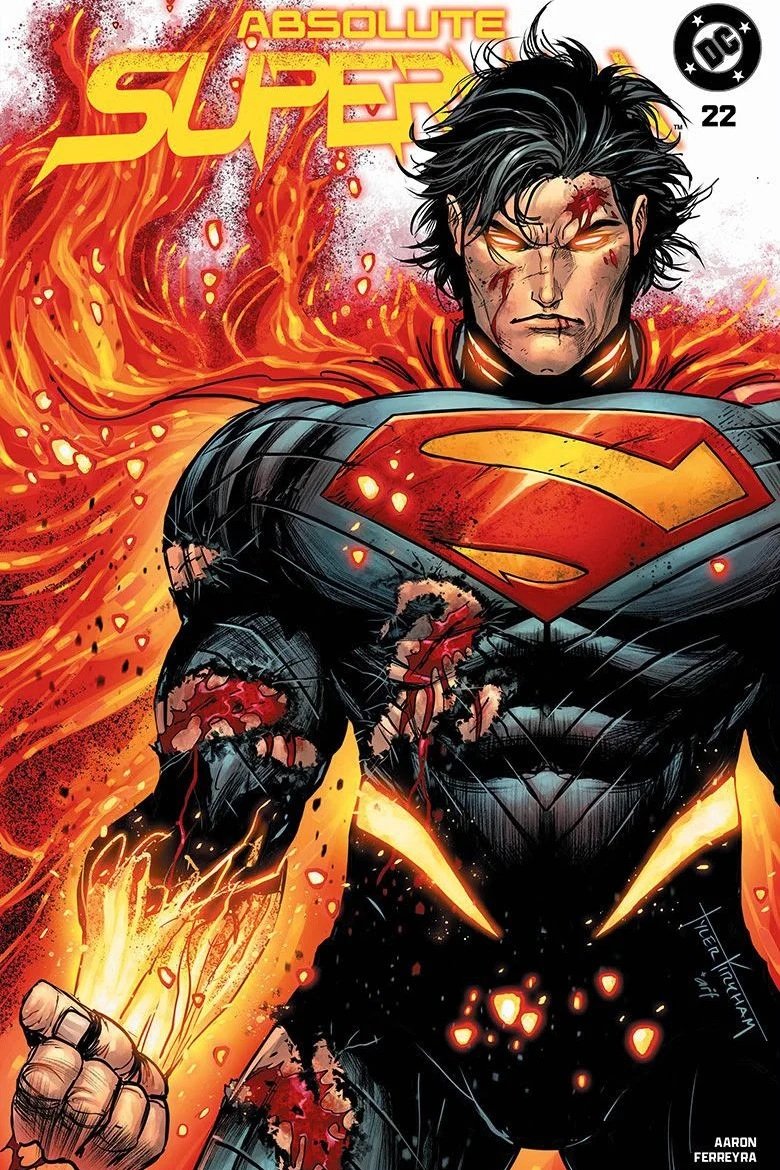
 new reality.
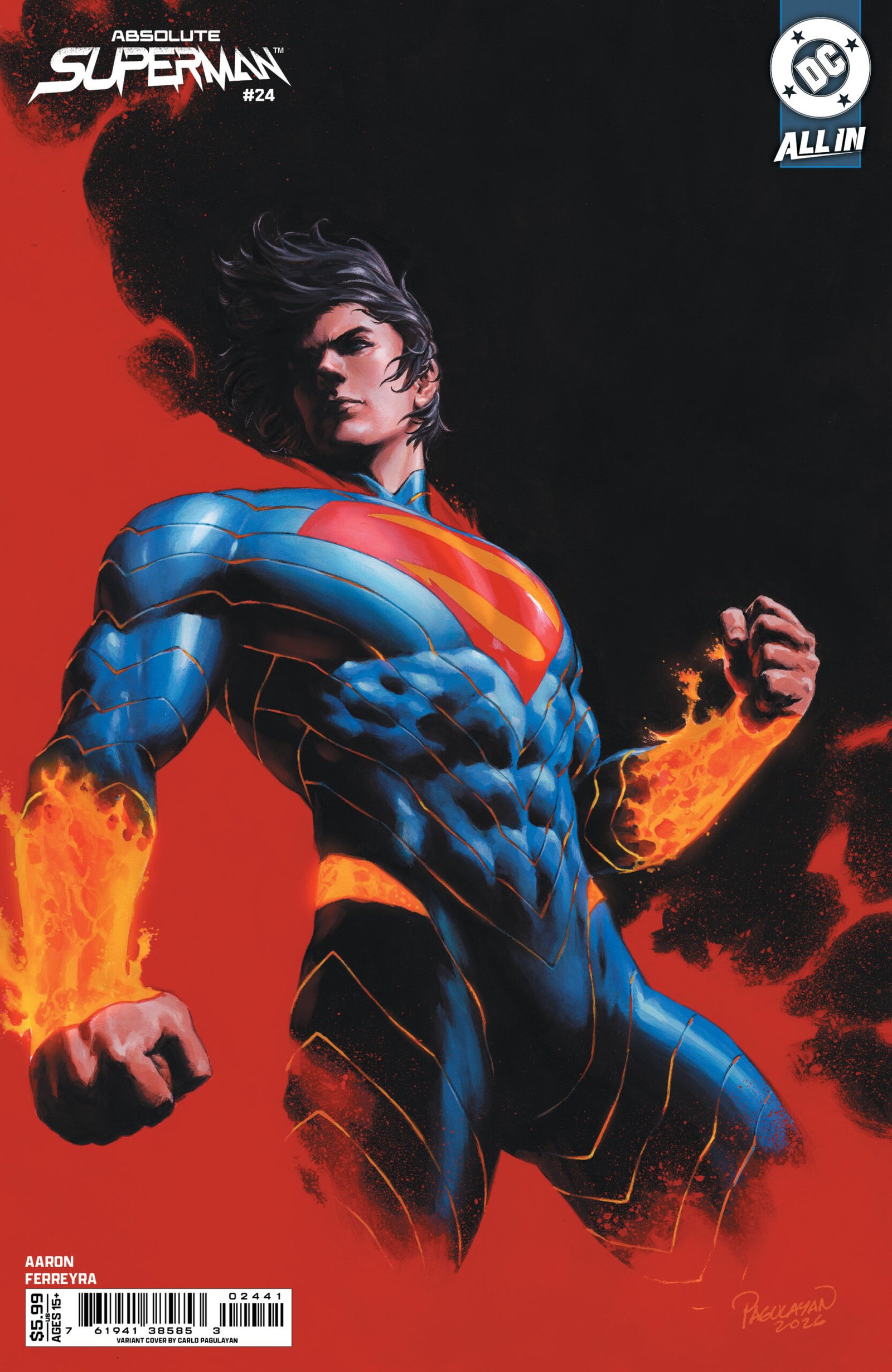
Issue #24 brought John Henry Irons into the confrontation, strengthening the connection between Superman and another character closely associated with the Man of Steel’s historical legacy. That development creates additional interest in the approaching conclusion because the Absolute Universe is still establishing how its supporting characters fit together. Issue #25 promises a conclusion that changes Superman’s circumstances and establishes a new direction for the title.
That doesn’t automatically make it a first appearance or a major key issue. An anniversary number and an oversized format are not substitutes for an actual historical development. However, important conclusions sometimes establish new identities, permanent transformations, or character relationships that become relevant later. The collecting question is whether the consequences of Brainiac’s defeat establish something lasting.
Collectors who follow Barends’s cover work may approach this issue differently from those assembling a complete Absolute Superman run. Both collecting interests are legitimate, although they involve different purchasing considerations.
The participation of several interior artists also makes this an interesting creative milestone. Rafa Sandoval helped establish the visual identity of the series, while Juan Ferreyra and Carmine Di Giandomenico have contributed to its expanding artistic direction.
For those tracking comic book first appearances, the original Absolute Superman debut remains the foundation. The twenty-fifth issue should be judged on the importance of the new direction it establishes, rather than the assumption that every milestone issue automatically becomes a major secondary-market collectible.
Twenty-five issues into a new Superman universe, the title has developed enough history for collectors to begin distinguishing its genuine character introductions from its regular storyline developments. That’s when a collectible universe starts becoming considerably more interesting.
The Infernal Hulk vs. Spider-Man #1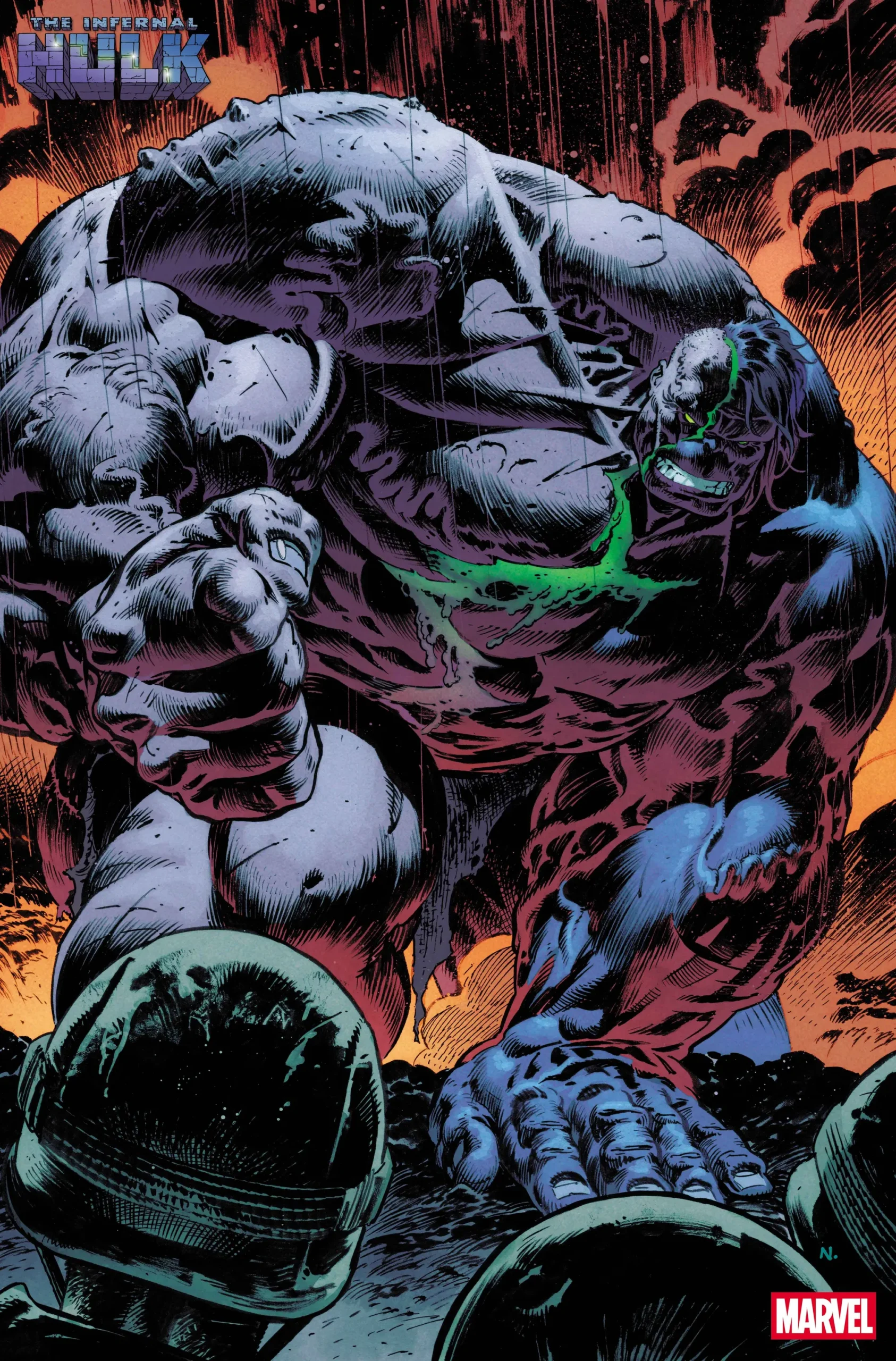
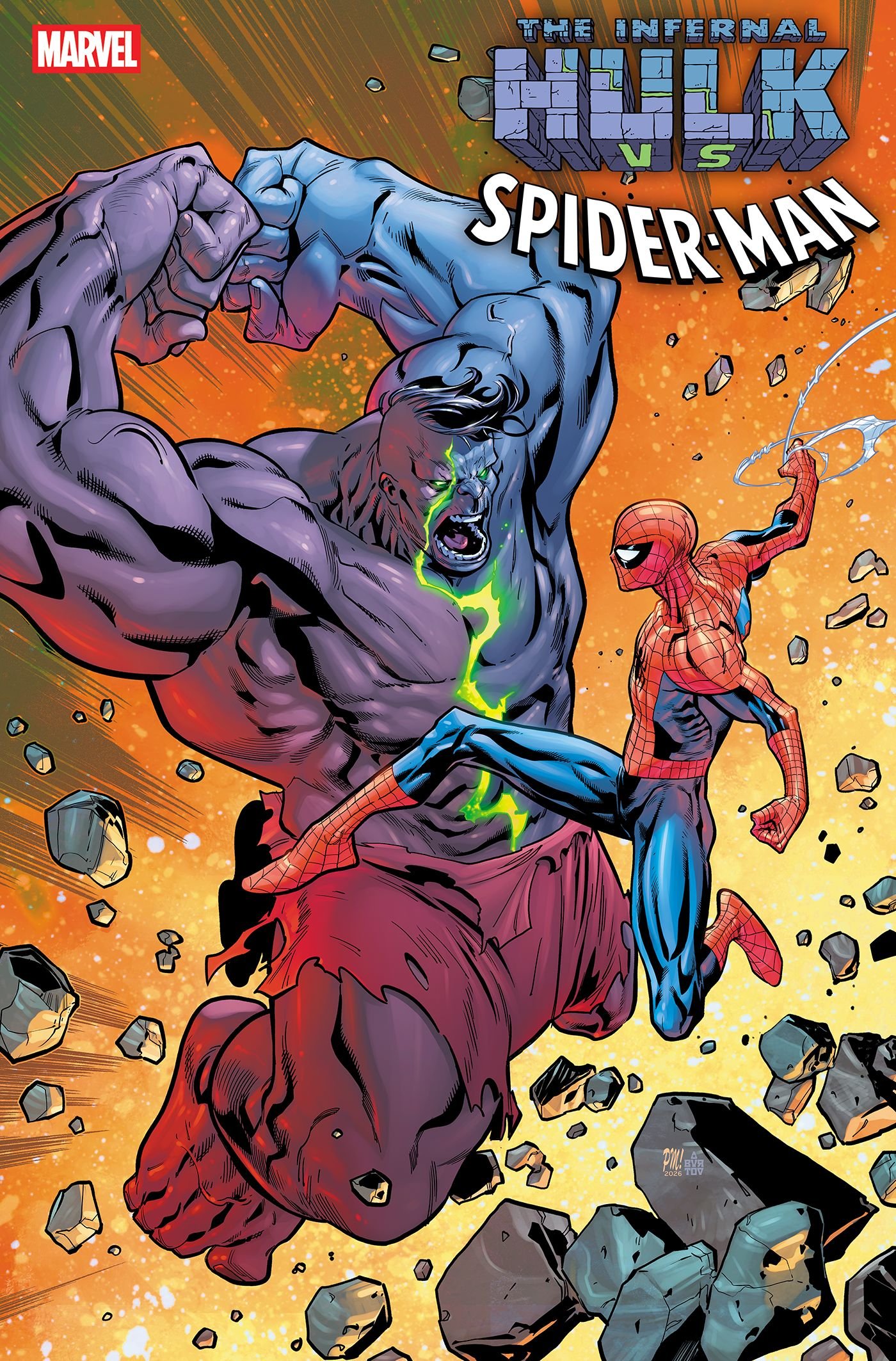
Writer: Phillip Kennedy Johnson | Artist: Javier Pina
The Hulk and Spider-Man have a lengthy history of encounters, disagreements, and physical confrontations. One character can lift enormous amounts of weight, while the other generally survives by staying several steps ahead of whatever is attempting to flatten him.
That formula has worked for decades, although the newest version of the Hulk presents a problem considerably more complicated than an angry Bruce Banner.
Phillip Kennedy Johnson continues his monstrous interpretation of the character with a confrontation involving Spider-Man, the Fantastic Four, and the growing threat of the Infernal Hulk.
The Infernal Hulk isn’t simply another version of Bruce Banner having an especially bad afternoon. This incarnation emerged when the ancient entity known as the Eldest separated Banner from the Hulk and took possession of the Hulk’s body. The resulting creature represents an entirely different level of danger.
Its first significant collecting connection comes from The Incredible Hulk #30 (2025), which features the character’s initial cameo and the first appearance of the Mother of All Horrors. Written by Phillip Kennedy Johnson with artwork by Nic Klein, the issue provides the transition toward the Infernal Hulk’s creation. The character’s first full appearance followed in Infernal Hulk #1 (2025), also by Johnson and Klein. That issue formally established the new monstrous incarnation and began the storyline involving the corruption and transformation of other Marvel characters.
For collectors, those two issues are especially relevant because they document the character’s progression from introduction to full appearance. The distinction between a cameo and a first full appearance remains a familiar subject of debate in comic book collecting, but both issues have clearly identifiable roles in the character’s publishing history. Now Spider-Man has become involved in the expanding crisis.
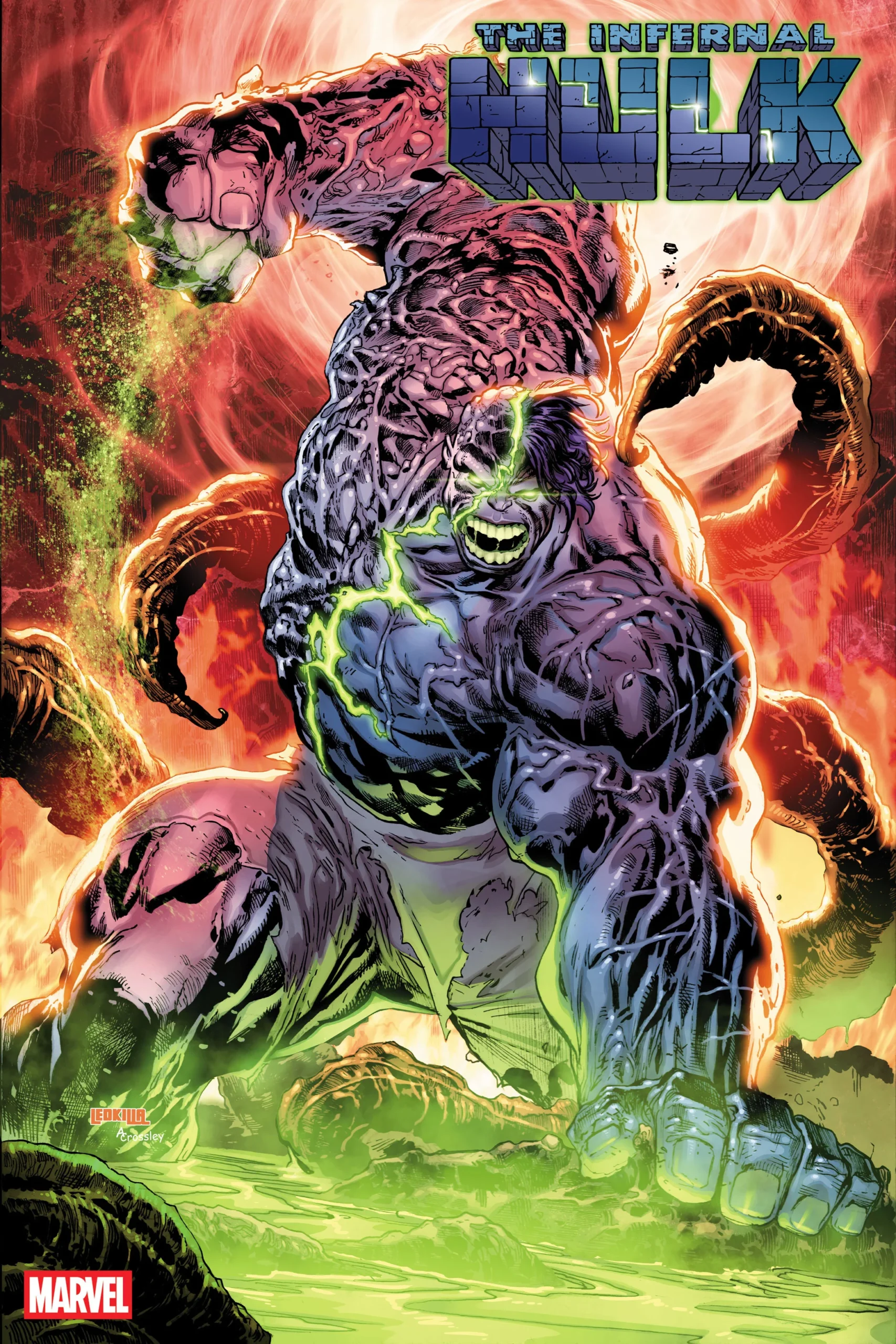
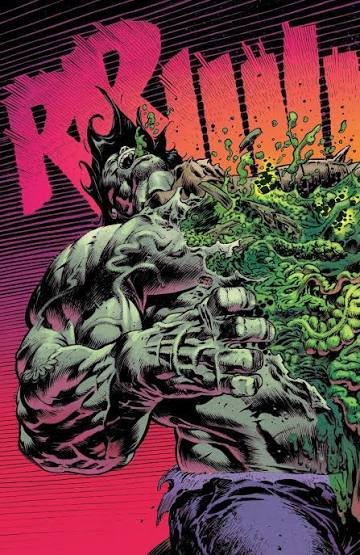 The Fantastic Four and the Baxter Building have already fallen to the Infernal Hulk’s assault. Franklin and Valeria Richards are taken, forcing Peter Parker into a rescue mission that puts him directly against a creature capable of transforming the world into something considerably less hospitable. Spider-Man also needs to obtain a weapon that could give the Avengers an opportunity to stop the Infernal Hulk and prevent the Age of Monsters from advancing further.
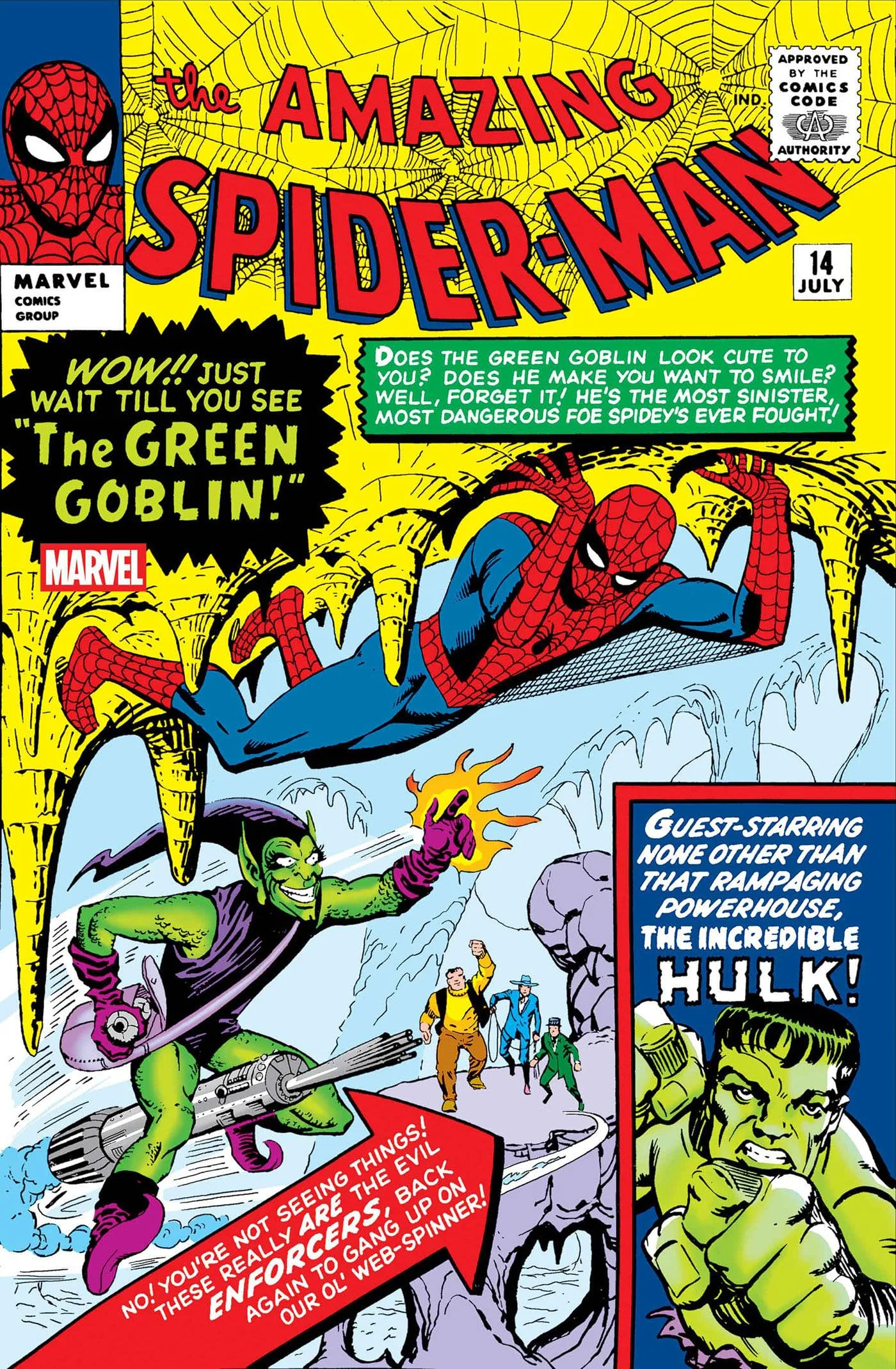
The original first meeting between Spider-Man and the Hulk occurred in The Amazing Spider-Man #14 (1964), written by Stan Lee and illustrated by Steve Ditko. That comic is particularly interesting because it also introduces the Green Goblin, one of Spider-Man’s most significant villains. It is therefore both a major first-appearance key and a historical crossover milestone.
The encounter demonstrates how early Marvel began establishing connections between its different superheroes. Spider-Man and Hulk were operating in different corners of the Marvel Universe, but their shared appearance helped reinforce the concept that these characters occupied the same world.
As for the Infernal Hulk specifically, Spider-Man has already appeared within the Infernal Hulk storyline, including issue #7 of that series. This new one-shot therefore shouldn’t be advertised as their first-ever appearance in the same comic without qualification. Its significance is the dedicated confrontation between Spider-Man and the Infernal Hulk, rather than the first historical meeting of Peter Parker and a Hulk character. That distinction matters when collectors are evaluating new comic book speculation. The first appearance of a particular incarnation, the first meeting between two characters, and the first comic titled around their confrontation can represent completely different collecting milestones.
Paco Medina supplies the featured cover artwork, presenting Spider-Man attacking the monstrous Hulk in an image built around the considerable difference in their physical abilities. Medina has an established Marvel history, and collectors who appreciate energetic superhero artwork have a distinct cover option to consider.
The broader storyline also makes this one-shot important to the buildup toward Hulk War. With the Fantastic Four compromised, the Richards children endangered, and the Avengers becoming involved, Marvel is positioning the Infernal Hulk as a threat affecting multiple corners of its universe. Whether the character eventually becomes a lasting villain or remains associated with this particular storyline is an important consideration for long-term collecting interest. The early issues documenting the Infernal Hulk’s introduction are already established milestones. The Spider-Man confrontation adds another chapter to that history, but its eventual significance will depend on the events established within the issue and their consequences for the larger Marvel Universe.
Not every Marvel hero needs a new monstrous counterpart. Apparently, someone in the Marvel Universe disagrees, and now the Avengers have to deal with the consequences.
-Jay Katz