
 Top 5 New Key Comics 12-2-26
Books from Jay Katz of InvestComics
Jay Katz of InvestComics has three comic-themed books available on Amazon: The Beginner’s Guide to Comic Investing: How to Spot Trends in Comics Before Everyone Else, The Ultimate Comic Book Word Search, and The Ultimate Comic Crossword Puzzle. Whether you want to sharpen your speculation instincts or test your comic knowledge, all three books are available in one place.
 View all three books on Amazon
LAST WEEK’S Top 5 New Key Comics 11-25-26
Clicking any red-highlighted link or comic book cover may direct you to eBay or another third-party marketplace where the item may be available for purchase. Please use your own judgment before buying. Always review the seller’s rating, feedback, item description, photos, shipping terms, and return policy before completing any transaction. InvestComics does not sell these items directly, does not control third-party listings, and is not responsible for any transaction, seller, product condition, shipping issue, refund, or dispute. InvestComics does not endorse any individual seller or listing. InvestComics participates in the eBay Partner Network and may receive compensation from qualifying purchases made through affiliate links on this site.
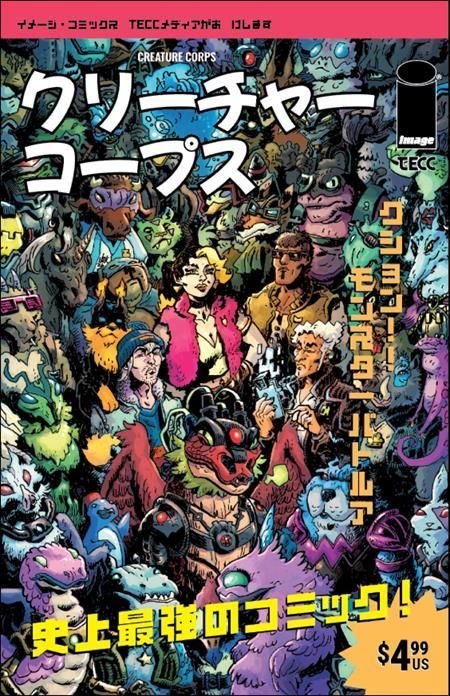 Creature Corps #1 – Image Comics
Writers: Curt Pires and Timmy Teague (backup story). Artist and Colorist: JOK. Backup Artist: Stefan Tosheff. Letterer: Micah Myers.
There is something interesting happening with independent comics, and Creature Corps is stepping directly into the middle of it. Curt Pires and JOK introduce a new universe where monsters, corporate greed, competitive fighting, and the rather disturbing business of turning creatures into entertainment have become everyday activities. The premise begins in 1999, when time fractures and creatures from a devastated future enter our world. Naturally, humanity discovers that these monsters can be turned into an extremely profitable competitive sport. Because apparently, finding a way to make money from an impending catastrophe is one of the few things humans consistently do well. Dusty Gotem became a Creature Corps champion at fourteen before abandoning the sport. Seventeen years later, a family medical crisis threatens to pull him back into the world he left behind. This first issue establishes Dusty, the Calamity Creatures, the surrounding competitive universe, and a new cast that could become important if Image Comics develops this property into something substantial. The issue also features a backup story involving Gerald, another character within this new universe. From a comic book speculation standpoint, original properties offer an opportunity that established superhero franchises generally cannot: collectors are present at the beginning of an entirely new mythology. However, an original concept does not automatically translate into aftermarket demand. Character development, artistic identity, publisher support, and sustained interest matter considerably more than a promising first issue alone.
The cover situation deserves its own conversation. JOK provides a Japanese video game magazine-style variant, complete with Japanese typography and an enormous collection of colorful creatures. It is a clever presentation that connects the comic’s monster-battling premise with the Japanese gaming culture that helped popularize the genre. There is also an Absolute Batman homage variant and a Japanese-themed virgin foil incentive cover. We recently witnessed the 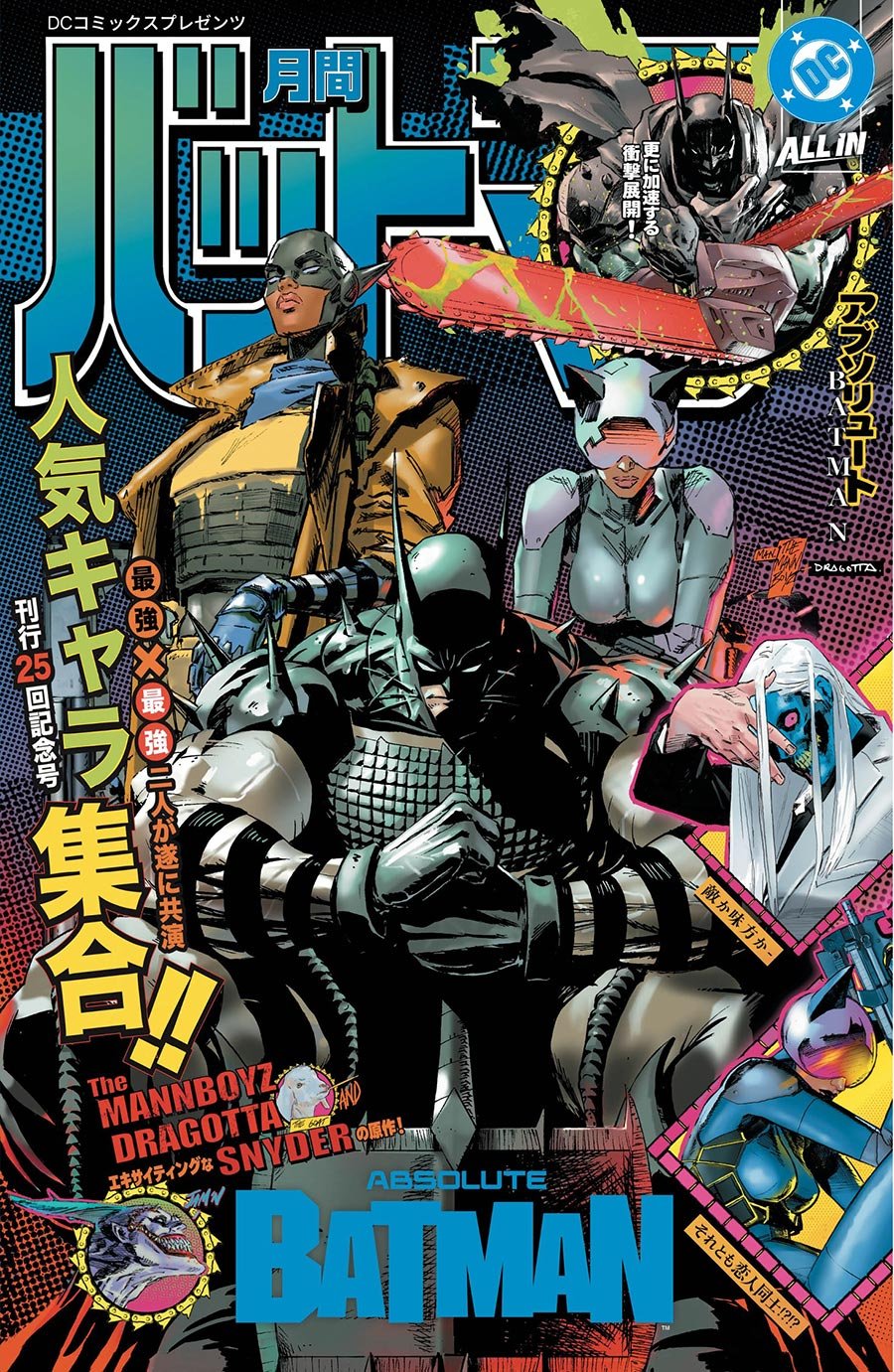 ridiculous excitement surrounding Absolute Batman #25 (2026) and its manga-style foil variant by Clay Mann and Nick Dragotta. That cover reportedly reached approximately $80, with some transactions exceeding that figure during the initial buying frenzy. The excitement was heavily driven by speculation, social media attention, and the sudden belief that a Japanese-inspired cover automatically meant the next major collectible had arrived. Prices and listings subsequently began moving downward, with copies appearing for substantially less than the initial highs. That is what happens when demand is fueled more by artificial urgency than by a sustainable collector base. Followers of InvestComics would recognize that situation for what it was: manufactured hype disguised as an opportunity. There was never a sound reason to chase an $80 cover simply because everyone else suddenly discovered Japanese lettering.
The Creature Corps variant belongs in a different conversation. Its artistic presentation complements the actual concept, and its standard Cover D is not automatically a scarce collectible simply because it resembles Japanese magazine art. The 1:50 virgin foil edition presents another collecting option, but the ratio alone says nothing definitive about future value. Similar Japanese-inspired variants across the Energon Universe, including manga covers associated with Transformers and M.A.S.K., demonstrate how publishers have begun embracing this aesthetic. Some of these covers are genuinely excellent pieces of artwork. Others will be forgotten almost immediately after the promotional cycle concludes. What makes Creature Corps worth monitoring is the combination of a new property, a recognizable creative team, potential first appearances, and distinctive cover artwork. Collect the cover because the artwork deserves attention, and watch what happens with the characters and the series before assigning it some imaginary future value. That approach is considerably less exciting than watching social media convince someone to pay eight times cover price, but it also makes considerably more sense.
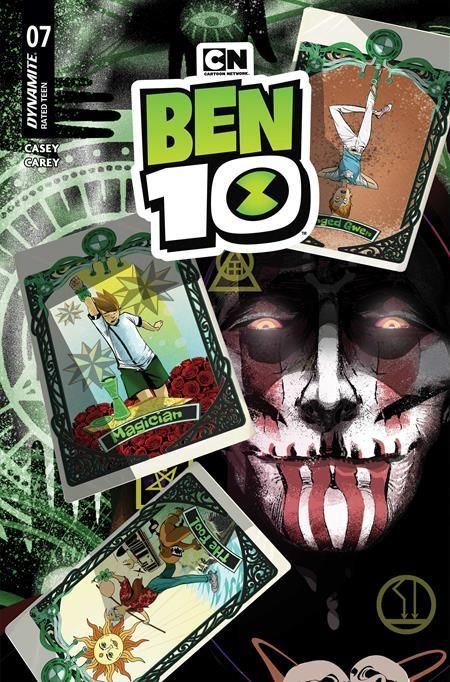 Ben 10 #7 – Dynamite Entertainment
Writer: Joe Casey. Artist: Robert Carey.
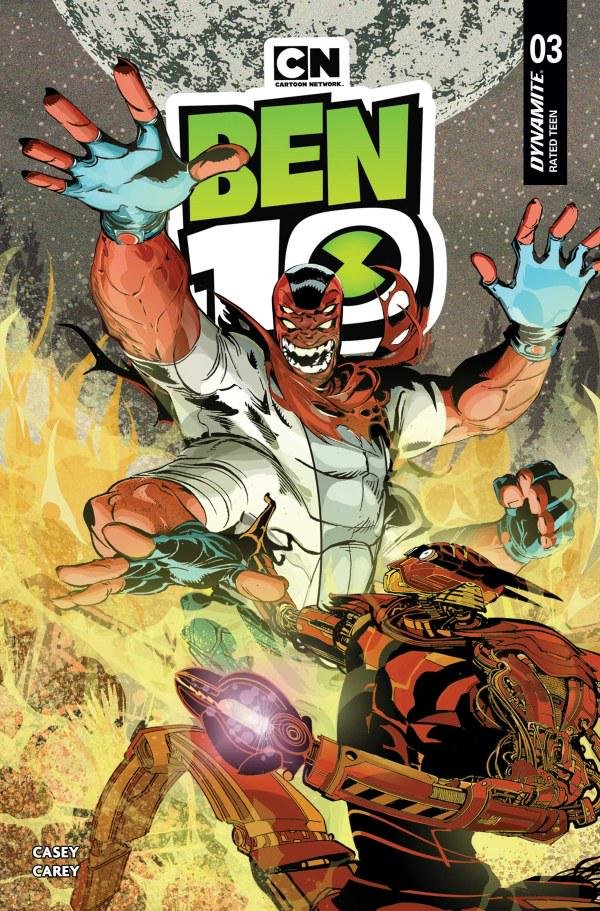
Dynamite’s current Ben 10 series has quietly been building a new comic book foundation for a franchise that already enjoys considerable recognition outside the direct comic book market. Joe Casey, one of the original members of the Man of Action creative collective responsible for Ben 10, returns with artist Robert Carey as the story develops into something considerably more complicated than Ben Tennyson discovering another alien transformation. Ben has been kidnapped, the supernatural villain Hex is accessing dangerous new forces, and Grandpa Max and Gwen are racing against a newly established organization called SECT. There is also an introduction connected to Grandpa Max’s secretive past, suggesting that the series has more character development planned beyond its familiar alien transformations. However, the important collecting detail is the advertised first appearance of Overflow. This is precisely the kind of development collectors should identify before assuming that the only significant Ben 10 comics are those featuring the franchise’s established leading characters.
The issue offers something increasingly valuable to franchise collectors: an identifiable new appearance tied to a character with an existing fan base. Overflow is not being introduced into a completely unknown property. The character joins a mythology with years of animated history, merchandise, and recognizable alien designs. The important distinction is that Overflow has appeared in the animated franchise before, so this is a comics debut within the current continuity rather than the character’s first appearance in any medium.
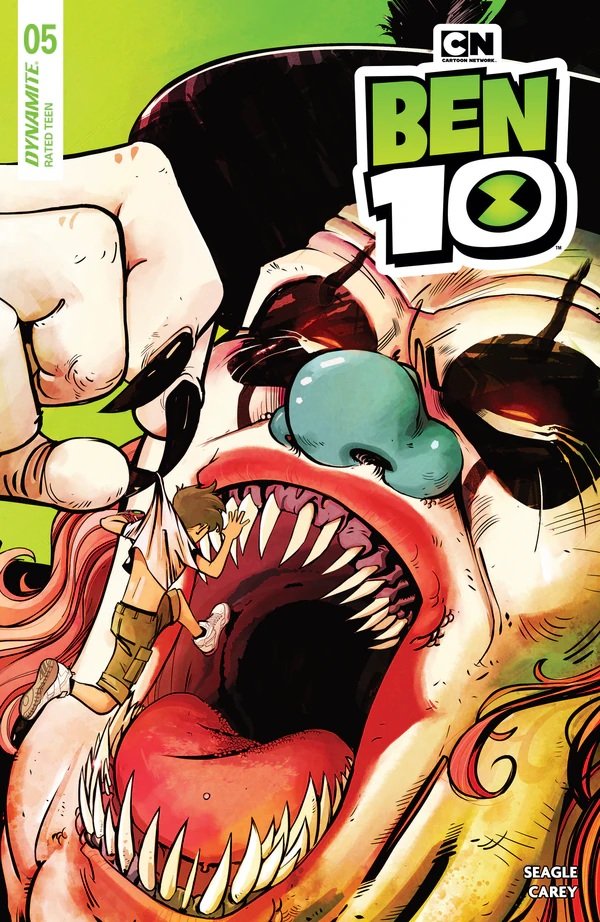
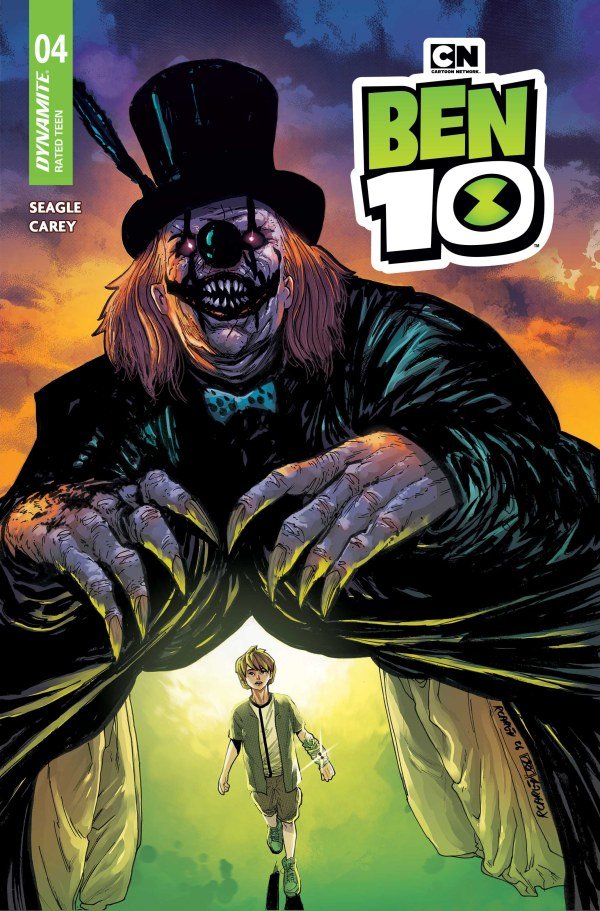
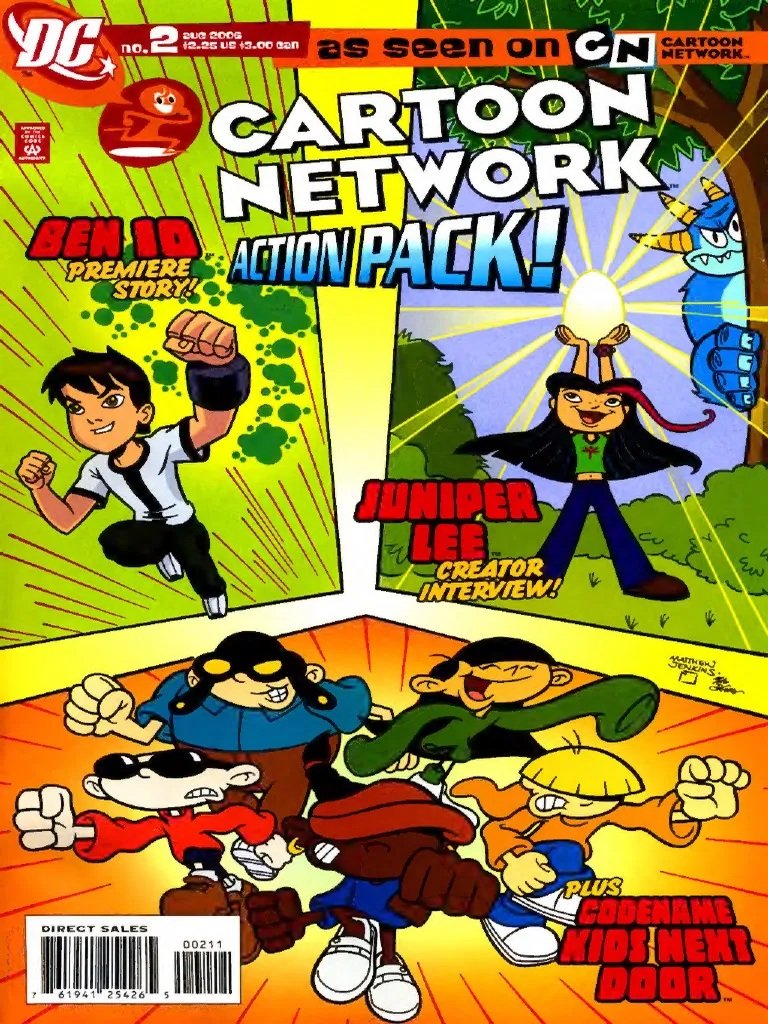
For some perspective, Ben Tennyson’s earliest comic book appearance can be traced to DC’s Cartoon Network Action Pack #2 (2006), which featured the character in a Cartoon Network anthology. That issue predates Dynamite’s present incarnation by two decades and remains an interesting historical starting point. Within the current series, Ben 10 #3 (2026) introduced Diamondhead in this continuity, while Ben 10 #4 (2026) featured the debut appearances of XLR8 and Stinkfly. Ben 10 #5 (2026) subsequently brought Grey Matter into the comic’s developing mythology. These are character introductions within Dynamite’s interpretation, not necessarily the first time those aliens appeared in any comic published over the franchise’s history. That distinction is important when evaluating key issues, especially when advertisements and online discussions begin casually throwing around the phrase first appearance.
Another interesting collecting element is the series’ growing assortment of variant covers, including Premium Mystery Blind Bag editions. This particular issue features Sumo Slammer-inspired artwork by Cormac Hughes, connecting the fictional card game to the comic’s physical cover program. The combination of established franchise appeal and collectible presentation could attract fans who do not normally follow monthly comic releases. Nevertheless, variant scarcity, actual distribution, and buyer demand need to be established rather than assumed. Ben 10 already has the recognition that many new comic properties spend years trying to achieve. What it needs in the collectible market is sustained attention to individual comic appearances. Overflow’s debut, the introduction from Max’s past, and the expanding supernatural storyline provide several developments worth recording. These are the details that can eventually distinguish an ordinary issue from one that collectors actively search for.
 Venom: P.O.V. #1 – Marvel Comics
Writer: Ryan Stegman. Artist: Carlos Gómez.
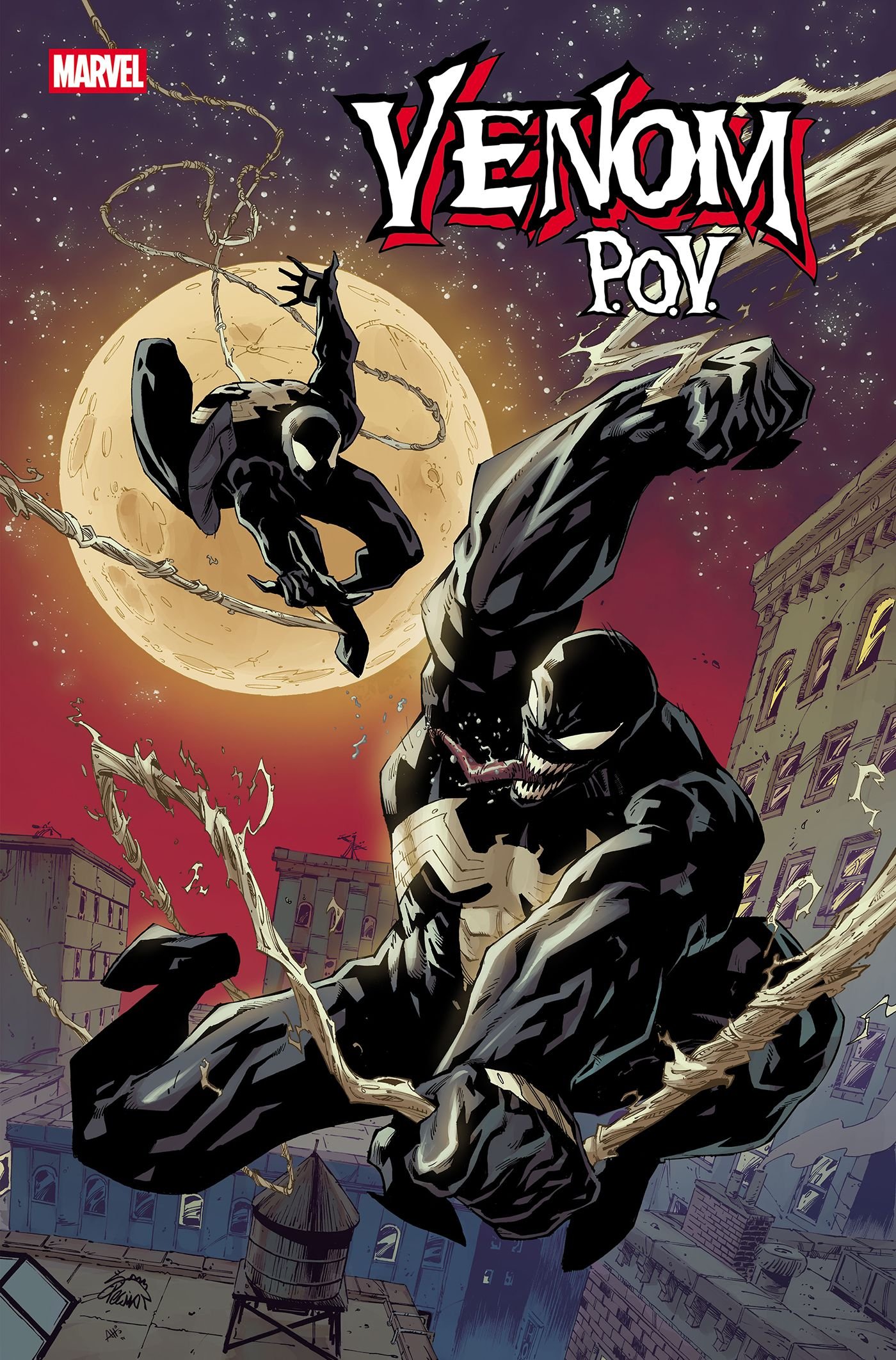
There is no shortage of Venom comics, Venom variants, Venom transformations, Venom offspring, or characters who have worn a symbiote for approximately fifteen minutes before receiving their own limited series. Marvel has become exceptionally efficient at expanding the symbiote corner of its universe. This new five-issue series, however, approaches the character from an interesting direction by returning to the circumstances surrounding Eddie Brock’s transformation into Venom. Ryan Stegman and Carlos Gómez revisit the original conflict between Eddie Brock, the alien symbiote, and Spider-Man, presenting the familiar events through Venom’s perspective. Rather than introducing another symbiote simply to expand an already crowded family tree, the creative team is examining the motivations and resentment responsible for creating one of Spider-Man’s most recognizable enemies.
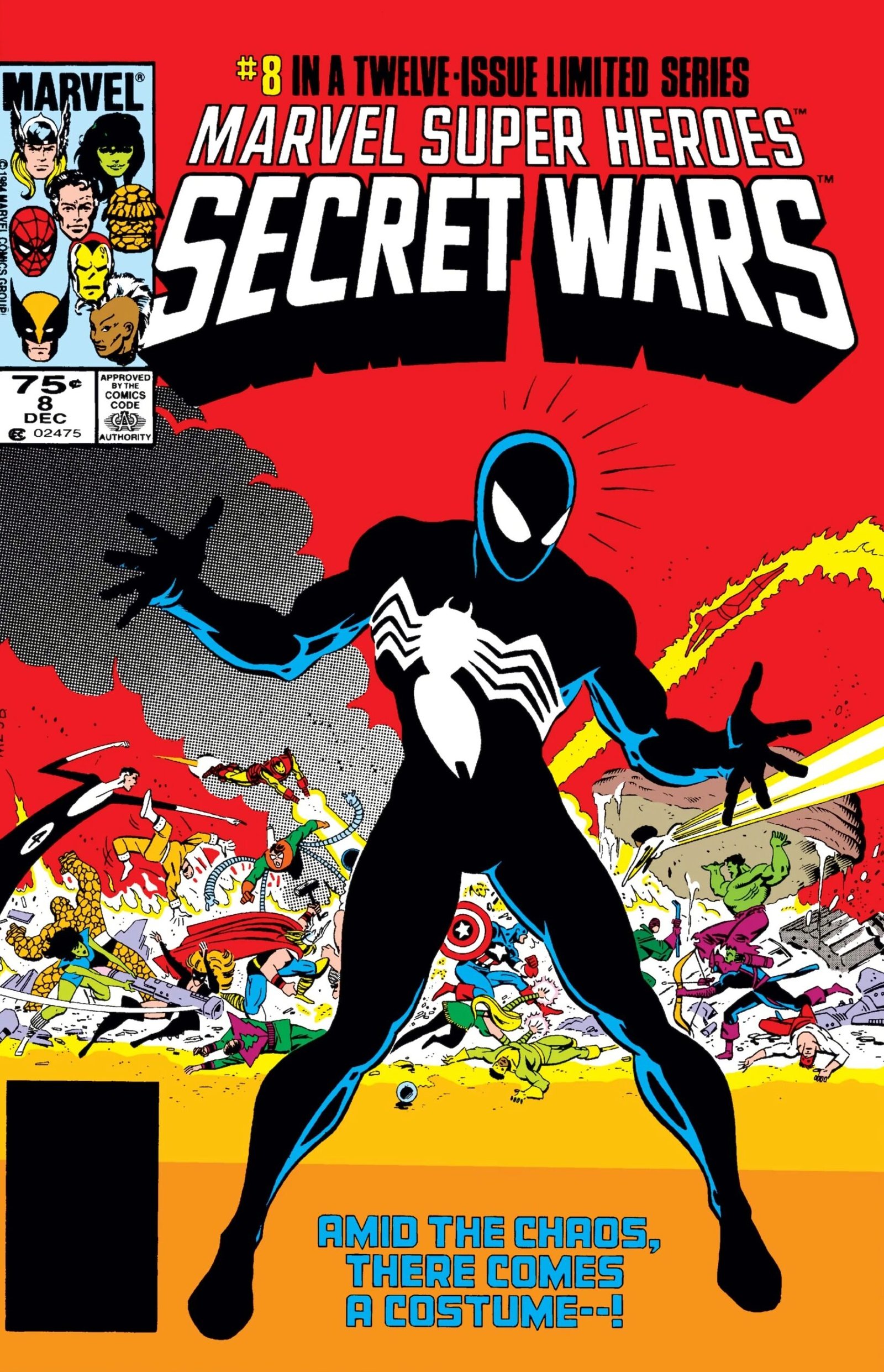
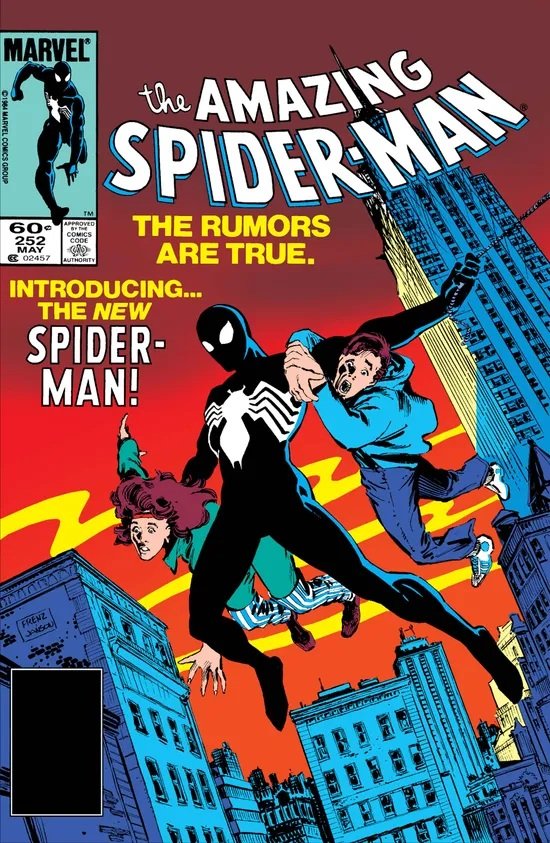
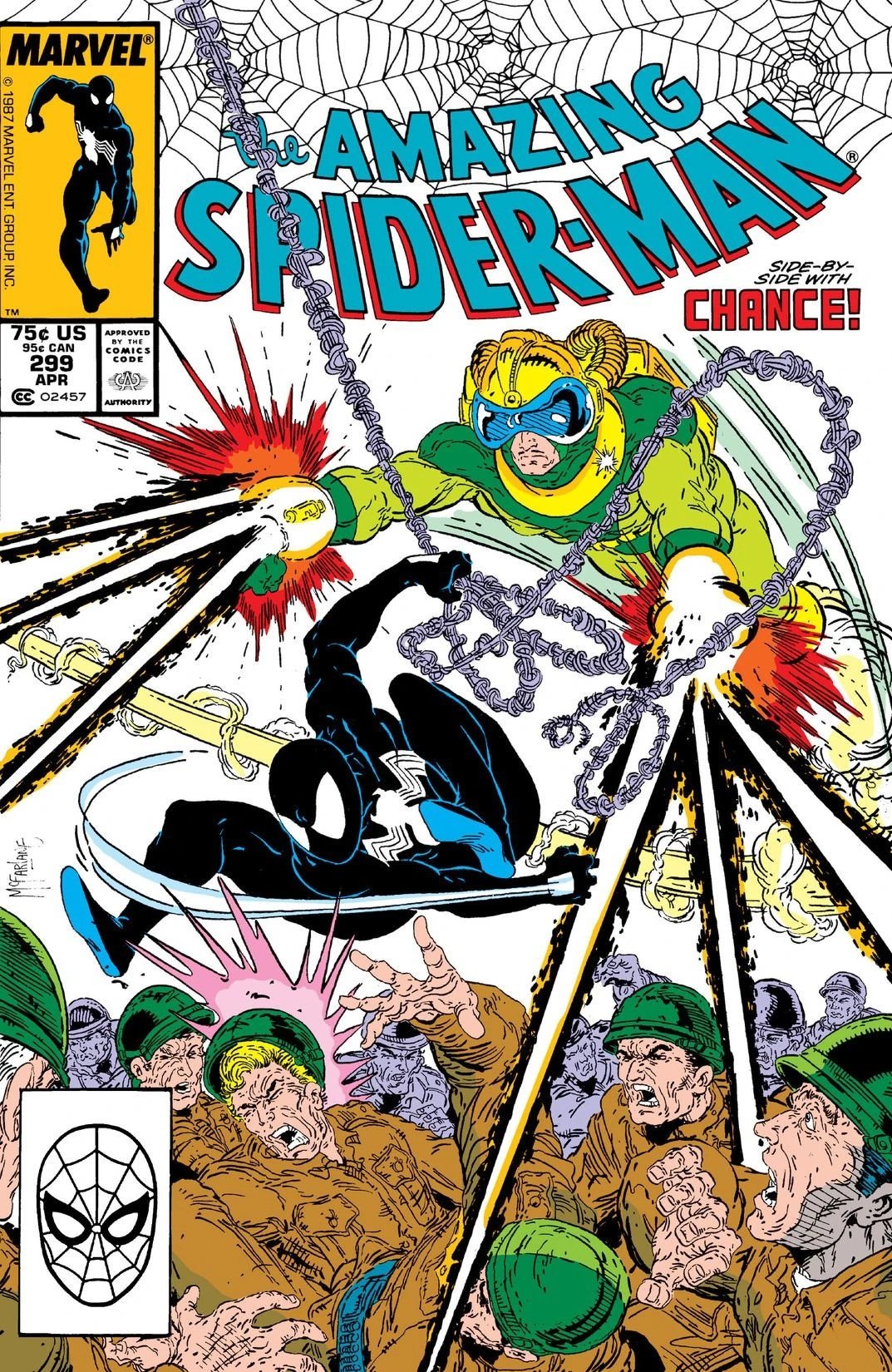
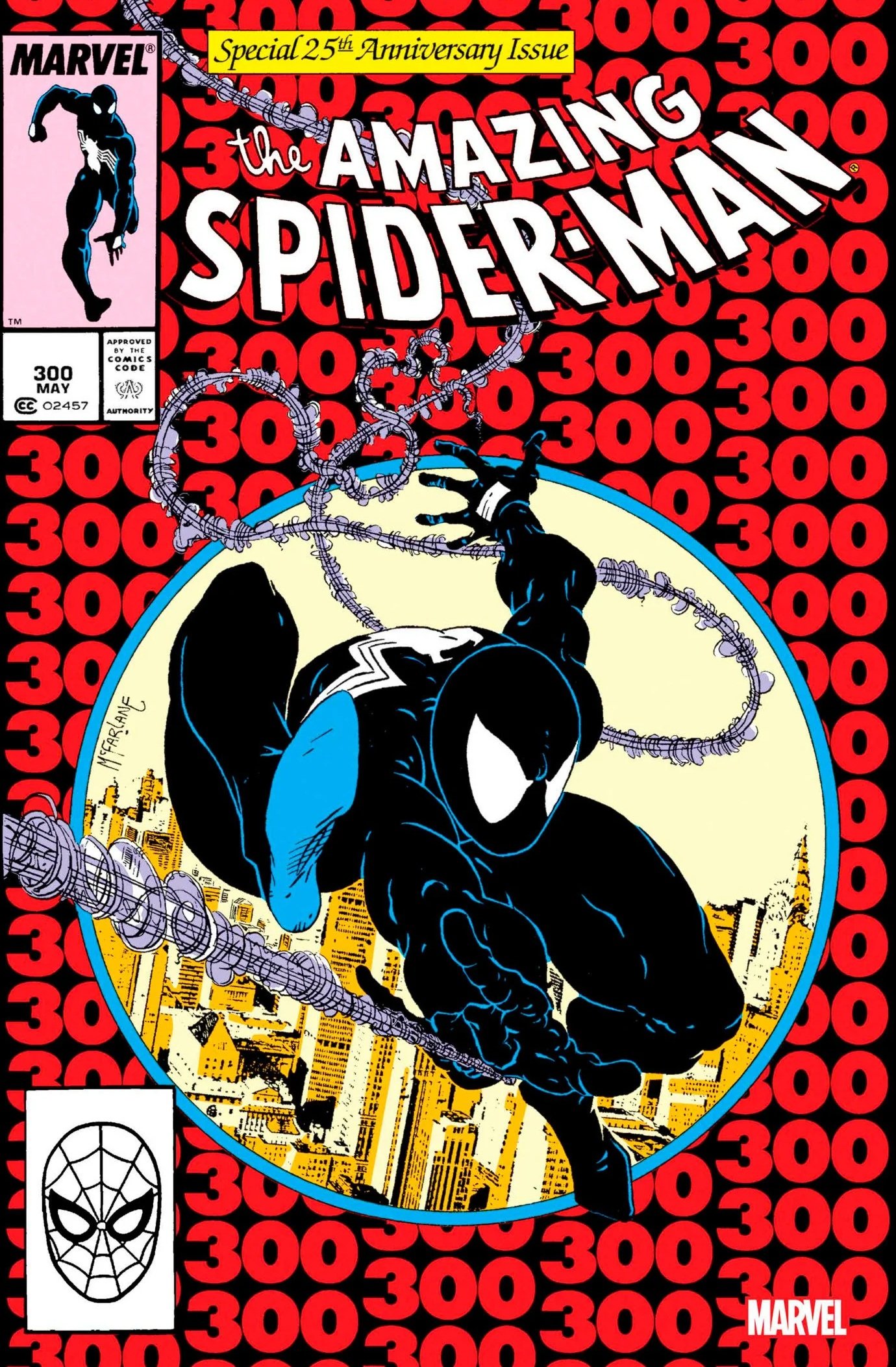
For comic collectors, this approach creates an opportunity to revisit some extremely important earlier appearances. The Amazing Spider-Man #299 (1988) features Venom’s brief FIRST appearance near the conclusion of the issue, while The Amazing Spider-Man #300 (1988) delivers the character’s landmark “full” appearance and establishes the relationship between Eddie Brock and the alien symbiote. These two books continue to occupy important positions in modern Marvel collecting history. However, the symbiote’s background reaches further into Marvel’s publishing history. The Amazing Spider-Man #252 (1984) helped introduce Spider-Man’s black costume to the public, while Marvel Super Heroes Secret Wars #8 (1984) subsequently explained how Peter Parker acquired that alien costume. Those two issues remain significant because the black costume ultimately developed into something far more important than an alternative Spider-Man design.
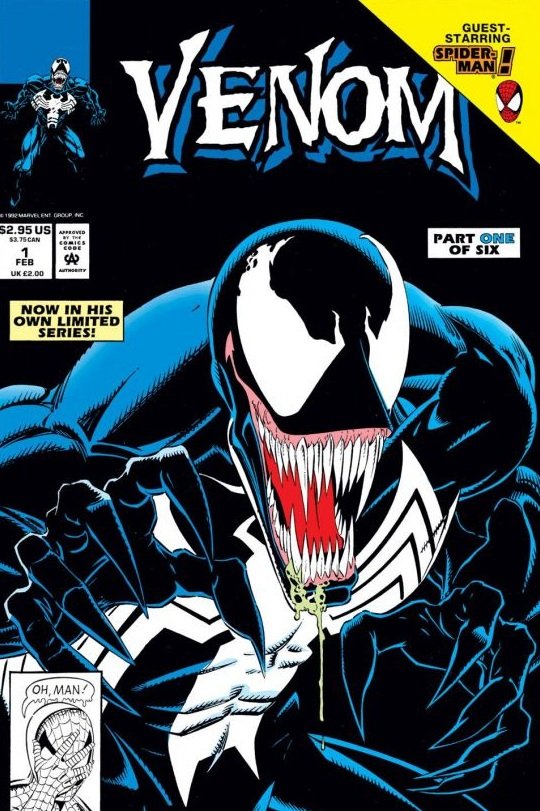
Another major reference point is Venom: Lethal Protector #1 (1993), which gave Eddie Brock’s Venom his first solo comic book series and helped establish the character as something more complicated than a straightforward villain. That title represented a major turning point in how Marvel positioned Venom. Ryan Stegman’s history with the character adds another layer of interest. His collaboration with Donny Cates on the 2018 Venom series, including the development of Knull and the larger symbiote mythology, helped define a particularly influential period for the property. Stegman also possesses the advantage of understanding Venom from both a storytelling and visual perspective. Carlos Gómez brings a different artistic approach while maintaining the exaggerated physical energy that has become an essential part of Venom’s identity.
The speculative question surrounding this first issue is whether Marvel introduces additional previously unseen details, supporting characters, or meaningful changes to the established mythology. A retelling does not automatically create a new key appearance, and collectors should be careful about treating every reinterpretation of an established event as something historically equivalent to the original. New key comics often receive attention because of what they add to continuity, not merely because they revisit a famous moment. The stronger collecting interest here could be connected to Stegman’s involvement, the first issue of the limited series, its cover artwork, and the possibility of previously unexplored material involving Eddie Brock and the symbiote. Marvel already has several decades of important Venom comics. Adding another issue to that history is easy. Creating one that collectors continue to discuss years later is considerably more difficult.
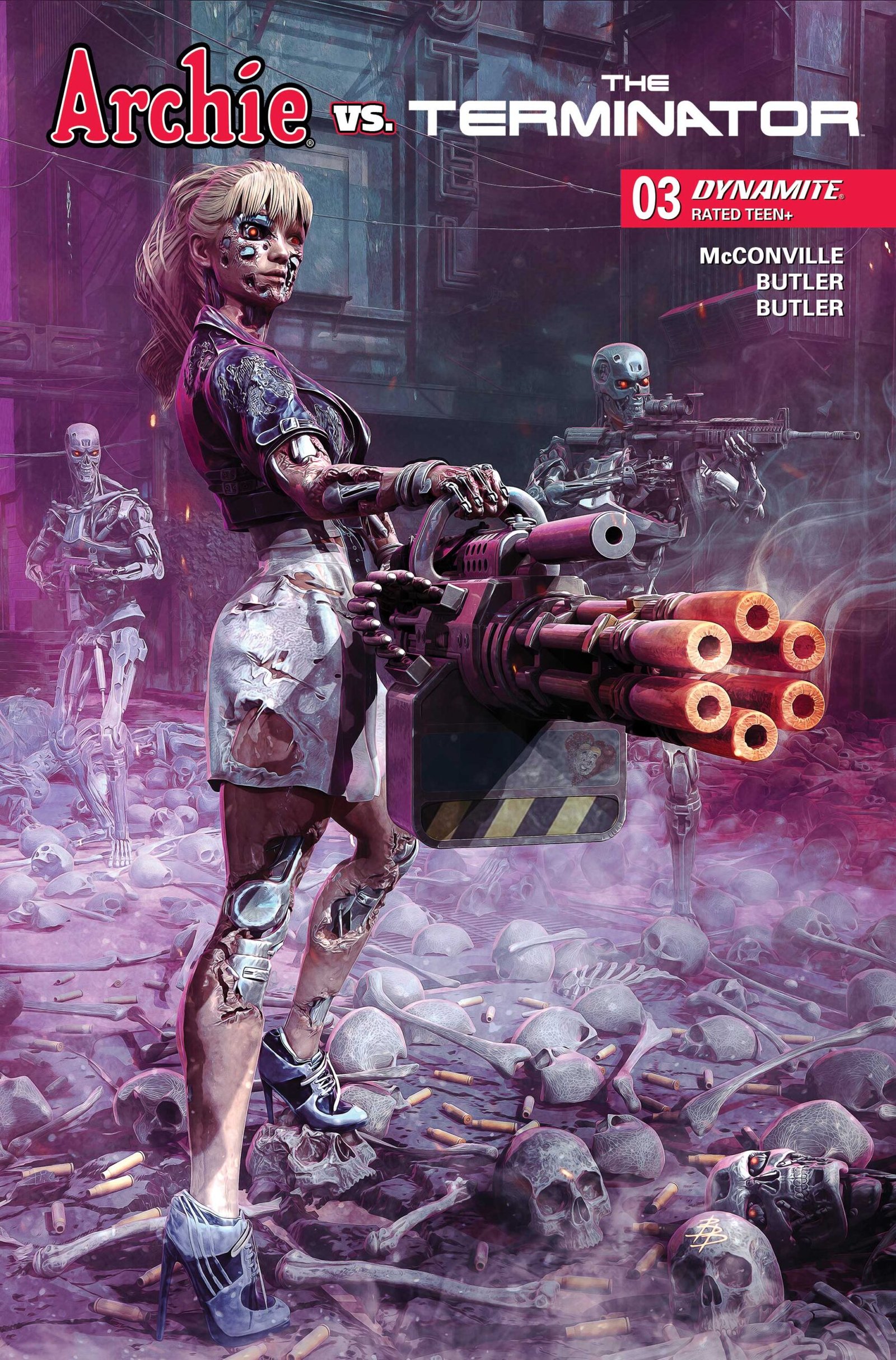 Archie vs. The Terminator #3 – Dynamite Entertainment
Writer: Rory McConville. Artist: Bill Galvan. Series Artists: Steven Butler and Lily Butler.
There was a time when Archie Andrews having a disagreement with Reggie Mantle represented a particularly difficult afternoon in Riverdale. Those days are apparently long gone. Now Archie and his friends have to contend with a teenage John Connor, time-traveling killing machines, and a future in which humanity has considerably more serious problems than determining whether Betty or Veronica gets invited to the next school dance. Rory McConville continues this four-issue crossover with an interesting development involving one of Riverdale’s most recognizable supporting characters, Dilton Doiley. The third issue introduces the Doiley 3000, a robotic creation that apparently represents Dilton’s contribution to humanity’s battle against a Terminator. Whether this machine accomplishes anything meaningful is another matter entirely. However, from a collecting perspective, the introduction of a named robotic character creates a potential first appearance worth tracking. There is also the promise of information concerning the origins of Cyberdyne, the corporation responsible for developing the technology that ultimately leads to the Terminators. A crossover built around an established science-fiction franchise introducing an original robotic character and expanding its mythology provides considerably more to discuss than another unusual character pairing.
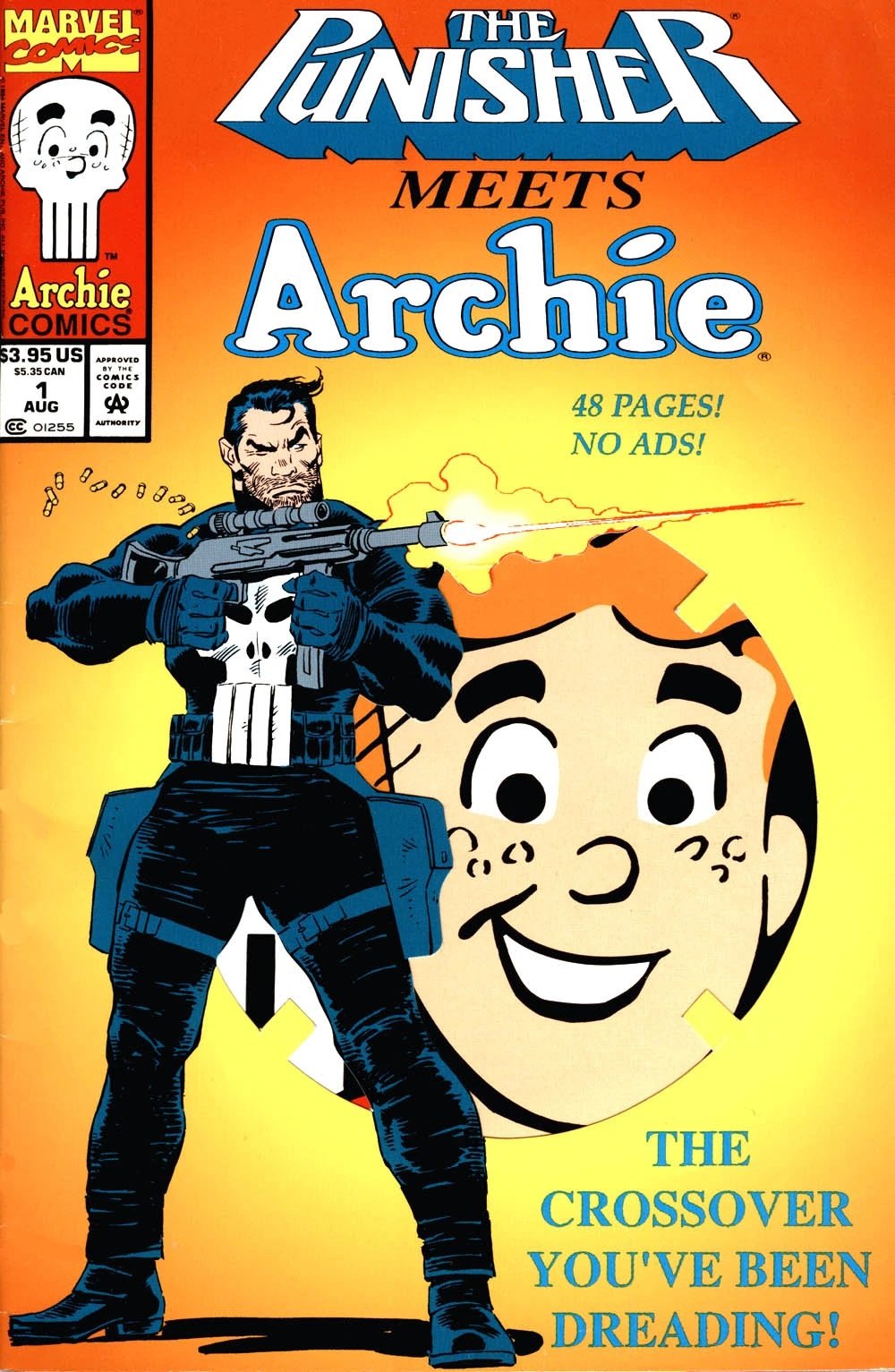
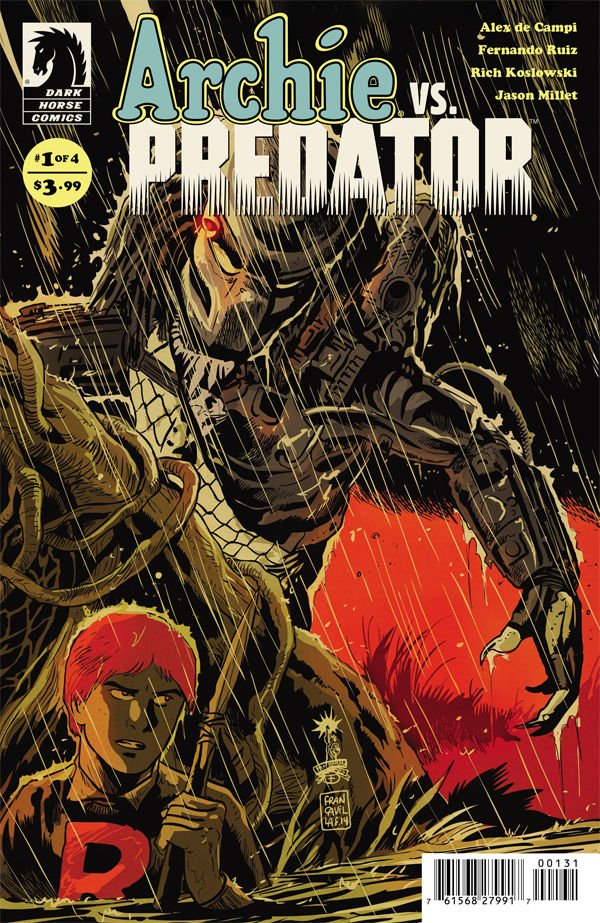
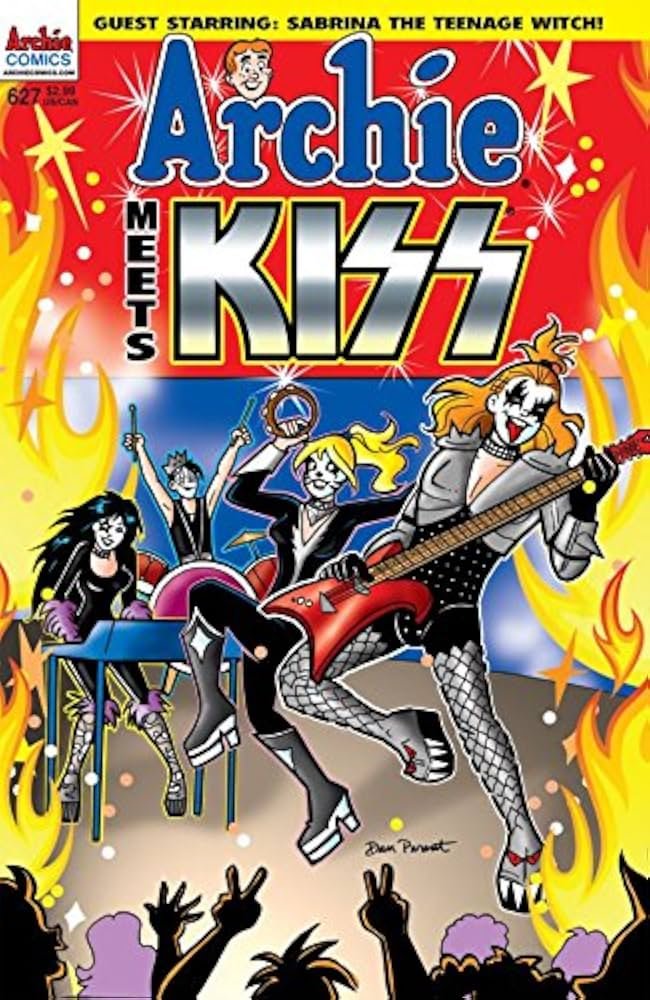
Archie Comics has a surprisingly extensive history of teaming its characters with properties that have absolutely no reasonable business appearing in Riverdale. Archie Meets the Punisher #1 (1994) remains one of the most recognizable examples. Marvel and Archie published their respective versions of the crossover, placing Frank Castle in the unlikely position of operating within Archie Andrews’ world. The concept sounded absurd, which was precisely why it attracted attention. Several years later, Archie #627 (2011) began the Archie Meets KISS storyline, pairing the Riverdale cast with the legendary rock band’s larger-than-life personas. Then came Archie vs. Predator #1 (2015), which demonstrated that the publisher was perfectly comfortable placing its established characters directly in the path of an extraterrestrial hunter. What began as an unusual novelty developed into a recognizable tradition of strange but entertaining publishing collaborations.
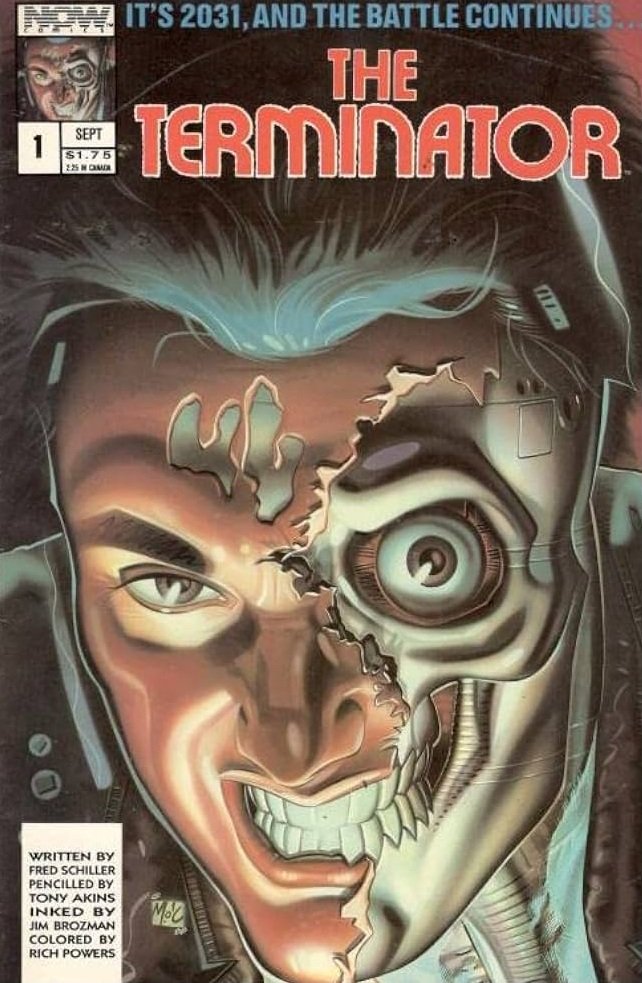
The Terminator has its own substantial comic book history, including the Dark Horse Comics era that helped establish the property in the comic book market. The Terminator #1 (1988) from NOW Comics is another early collecting reference, representing the beginning of the franchise’s comic book publishing history. The current Archie crossover builds on that history without needing to compete directly with the original material. The introduction of the Doiley 3000 is the immediate detail collectors can document, while the potential expansion of Cyberdyne’s origins adds another interesting connection. However, newly introduced robotic characters do not automatically develop into recurring franchise fixtures. Some disappear as quickly as they arrive. For comic speculation, the more important question is whether the Doiley 3000 becomes memorable enough to extend beyond this particular storyline. Archie has survived encounters with the Punisher, KISS, and the Predator. Having a Terminator wandering around Riverdale is almost beginning to feel like a natural progression. Almost.
 Judge Dredd/Biker Mice from Mars #1 – Oni Press
Writers: Dan Watters and Ryan O’Sullivan. Artist: Jordi Tarragona.
Judge Dredd has spent decades policing one of the most unforgiving cities in comic book history, confronting criminals, mutants, monsters, extraterrestrial creatures, and pretty much anyone unfortunate enough to question his authority. The Biker Mice from Mars, on the other hand, have generally approached problems with motorcycles, oversized weapons, and a considerable amount of attitude. Putting these characters together sounds like something that might have originated during an unusually enthusiastic conversation at a comic convention. Nevertheless, the concept has an important connection to the publishing histories of two established properties.
This first issue brings Throttle, Modo, and Vinnie into Mega-City One after their enemies, Limburger and Karbunkle, discover a new location worth exploiting. Unfortunately, their arrival places them directly in the path of Judge Dredd. As if a confrontation with the lawman were not enough, Judge Death also becomes involved, adding another recognizable character to an already unusual gathering. For collectors, this represents the first comic book crossover bringing Judge Dredd and the Biker Mice together.
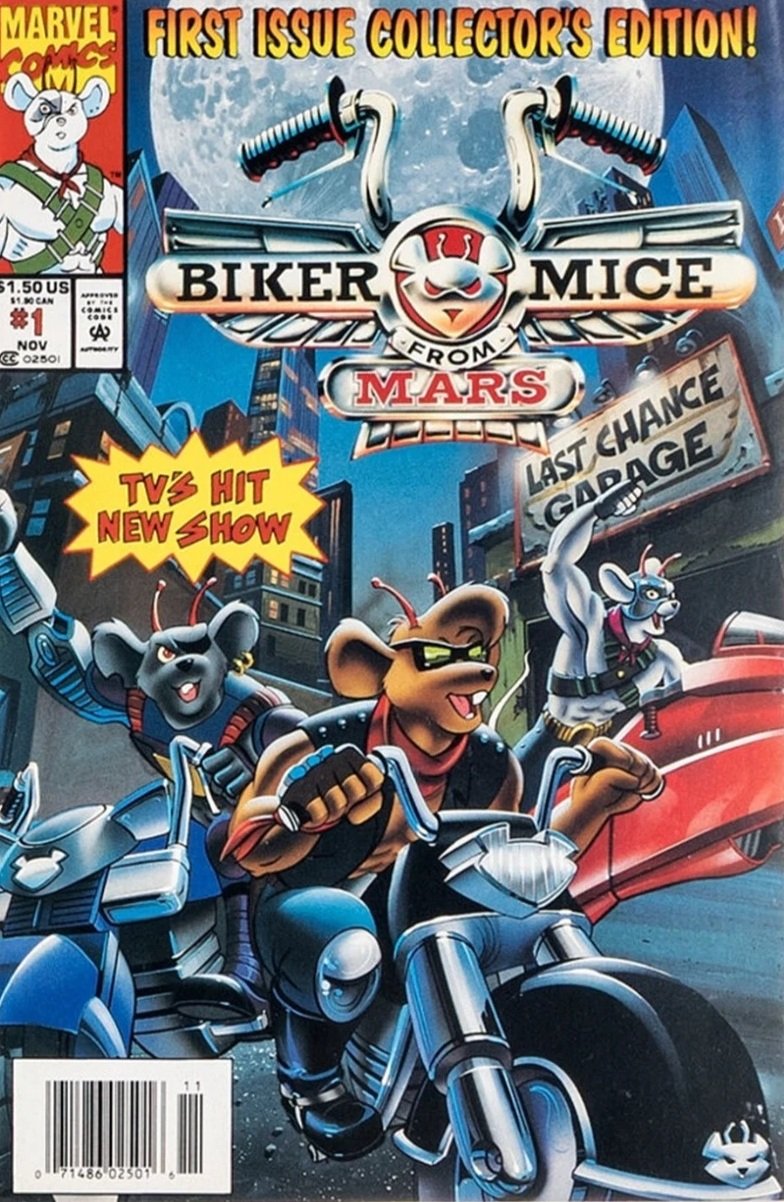
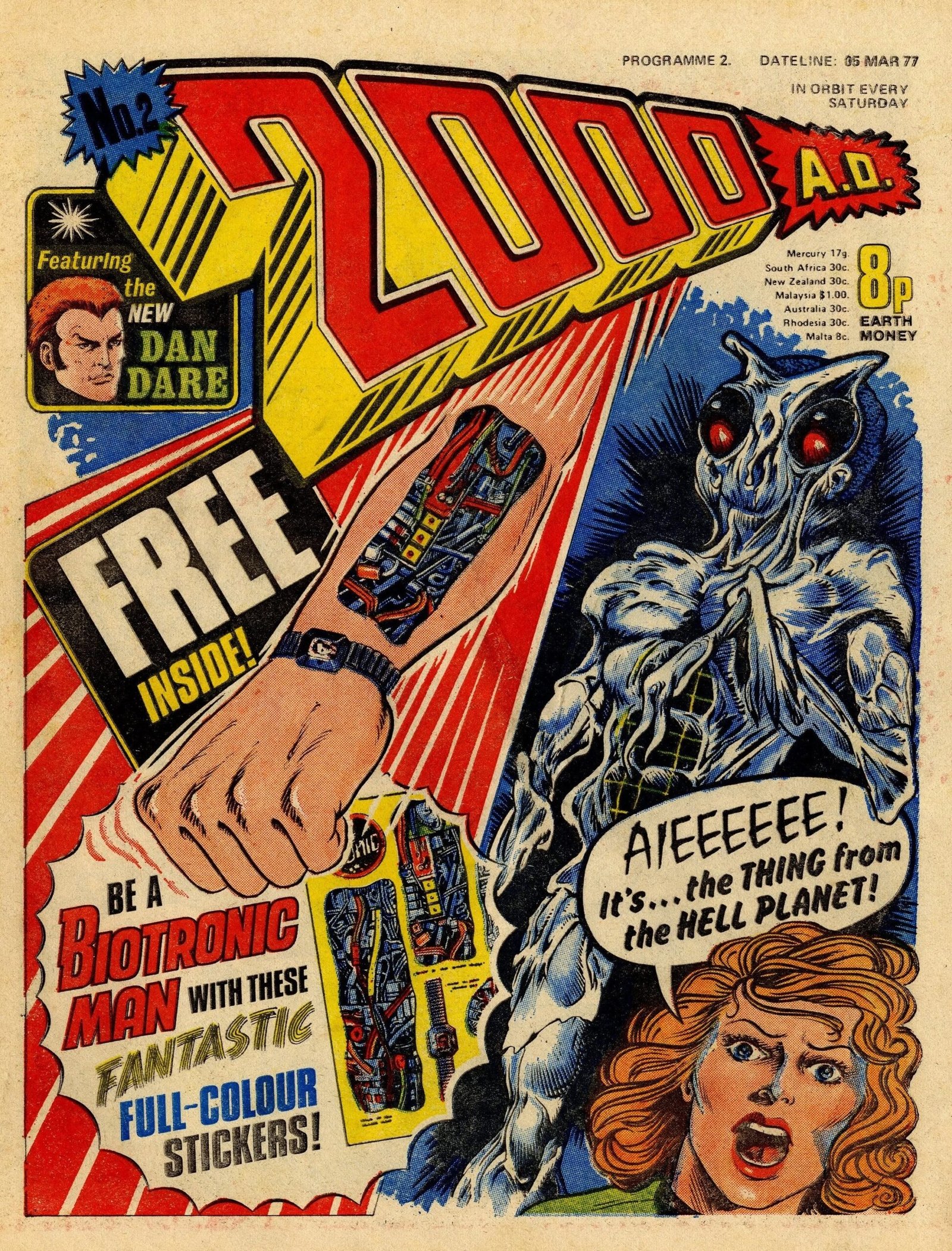
The history behind these characters is especially interesting. Judge Dredd first appeared in 2000 AD Prog 2 (1977), with the character created by John Wagner and Carlos Ezquerra. Although Dredd became one of the most recognizable characters in British comics, his first published story appeared in the second issue of the weekly anthology, with artwork by Mike McMahon. The Biker Mice made their original comic book appearance in Marvel’s Biker Mice from Mars #1 (1993), which introduced Throttle, Modo, and Vinnie as a team in comic book form. The original Marvel series consisted of only three published issues, making its relatively short run another interesting historical detail. Collectors interested in the earliest comic appearances of animated properties should recognize that certain franchises have much smaller original publishing histories than their television popularity might suggest.
Judge Death provides another worthwhile connection. The undead lawman’s first appearance occurred in 2000 AD Prog 149 (1980), featuring artwork by Brian Bolland. His involvement gives this crossover an established villain with a history of his own, rather than relying entirely on the novelty of the two headline properties meeting.
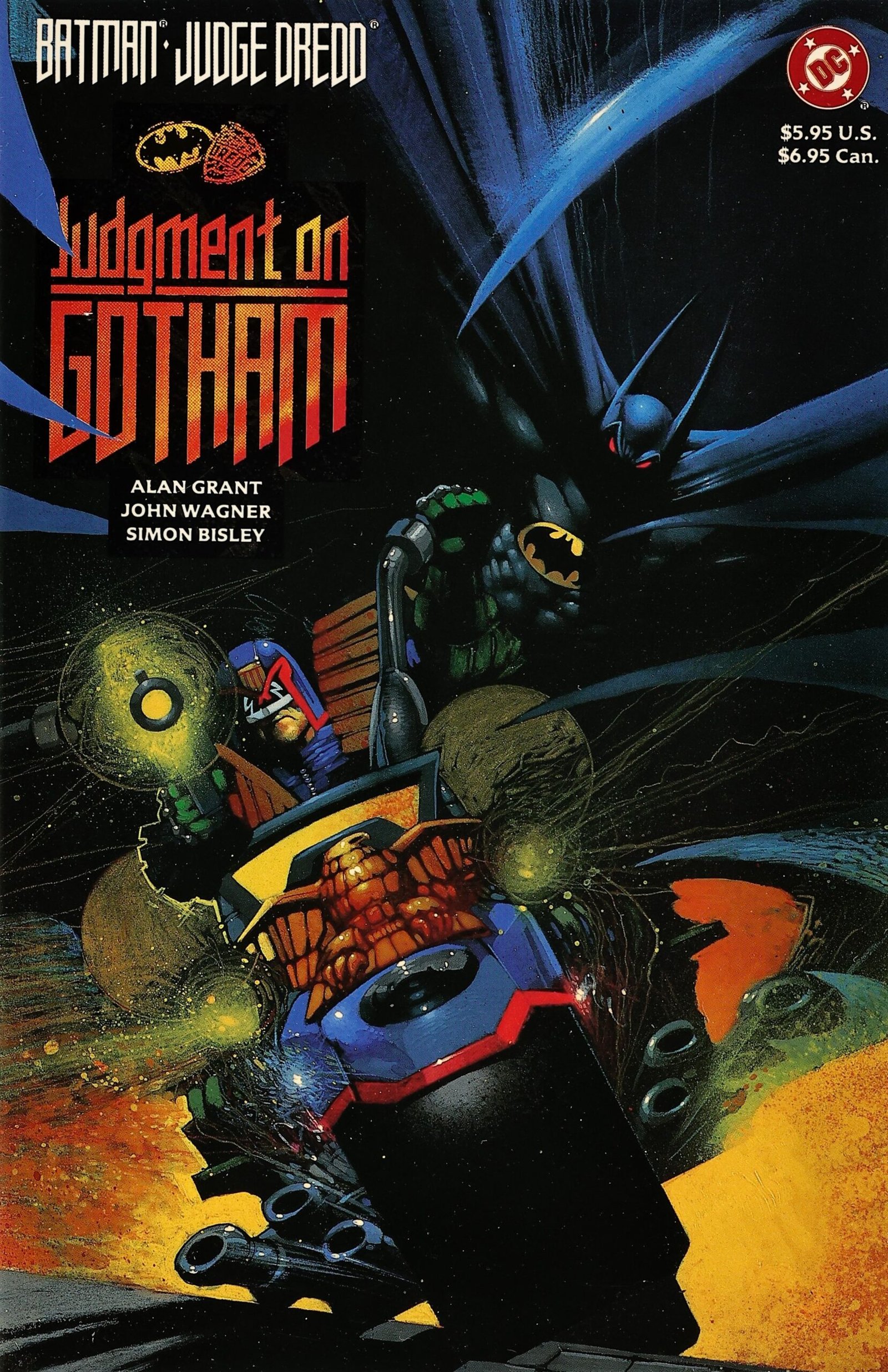
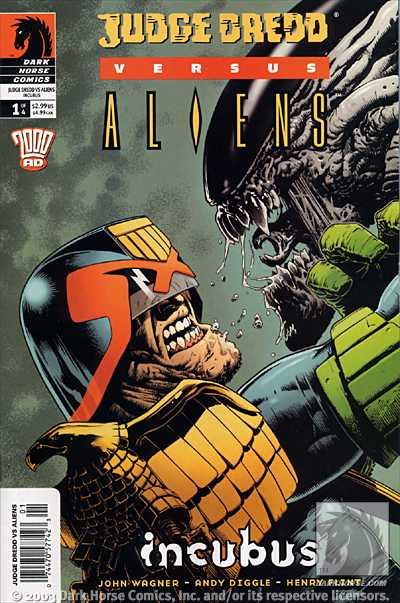
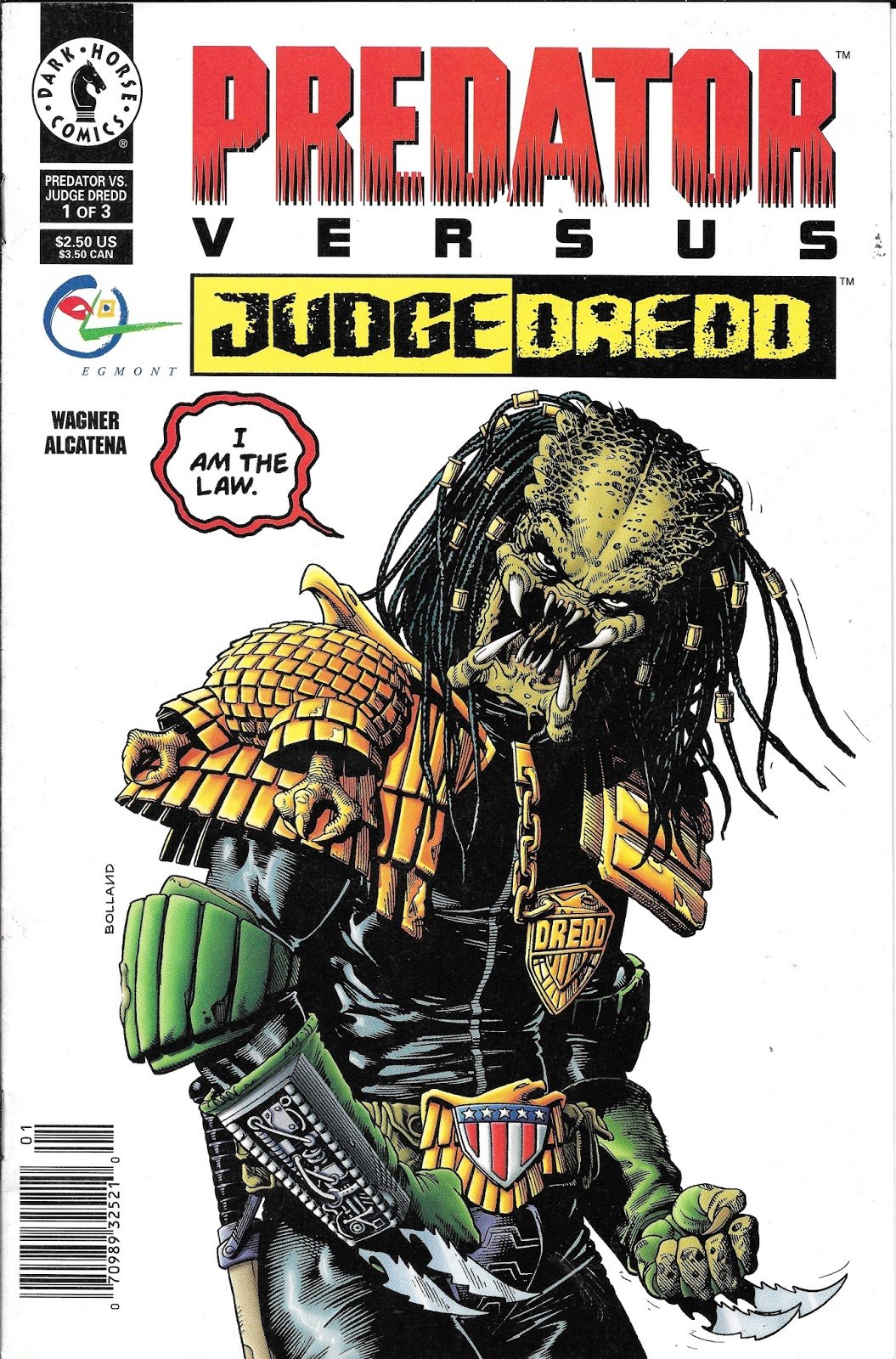
Judge Dredd has also participated in some interesting crossovers over the years. Batman/Judge Dredd: Judgment on Gotham (1991) brought the lawman face-to-face with Batman in a memorable collaboration featuring Simon Bisley’s painted artwork. Predator vs. Judge Dredd #1 (1997) placed Dredd against another extraterrestrial hunter, while Judge Dredd vs. Aliens: Incubus #1 (2003) continued his encounters with established science-fiction horror properties through its American comic edition. The broader history demonstrates that Judge Dredd has never been particularly concerned about remaining within the boundaries of one publisher’s universe.
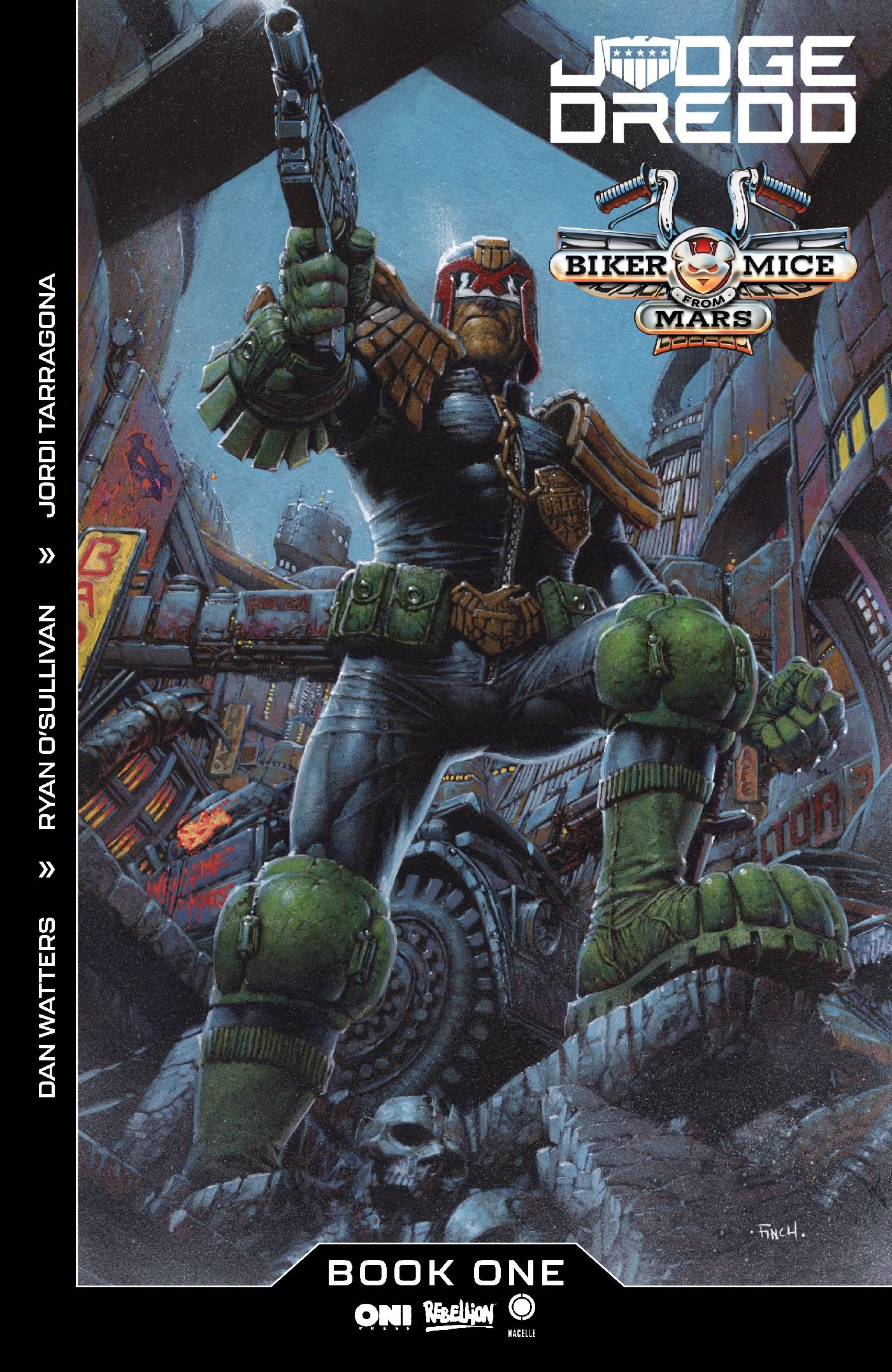
The new project benefits from a recognizable creative team, particularly Dan Watters, whose work includes Batman: Dark Patterns and several darker DC projects. Ryan O’Sullivan contributes additional experience with science-fiction properties, while Jordi Tarragona provides the interior artwork. David Finch’s cover presents Dredd in a heavily detailed futuristic environment, emphasizing the character’s intimidating presence. It is an appealing visual direction for collectors who follow Finch’s artwork. This crossover is unlikely to be confused with an important new character debut simply because familiar properties share a cover. Its potential collecting appeal rests in the first meeting, the recognizable franchises, and the individual cover artists. Sometimes those elements generate an enthusiastic response. Sometimes they become interesting additions to a crossover collection without commanding significant aftermarket premiums. Either outcome is possible, regardless of how unusual the pairing appears.
-Jay Katz