
 Top 5 New Key Comics 6-24-26
LAST WEEK’S Top 5 New Key Comics 6-17-26
TOP 5 New Key Comics This Wednesday
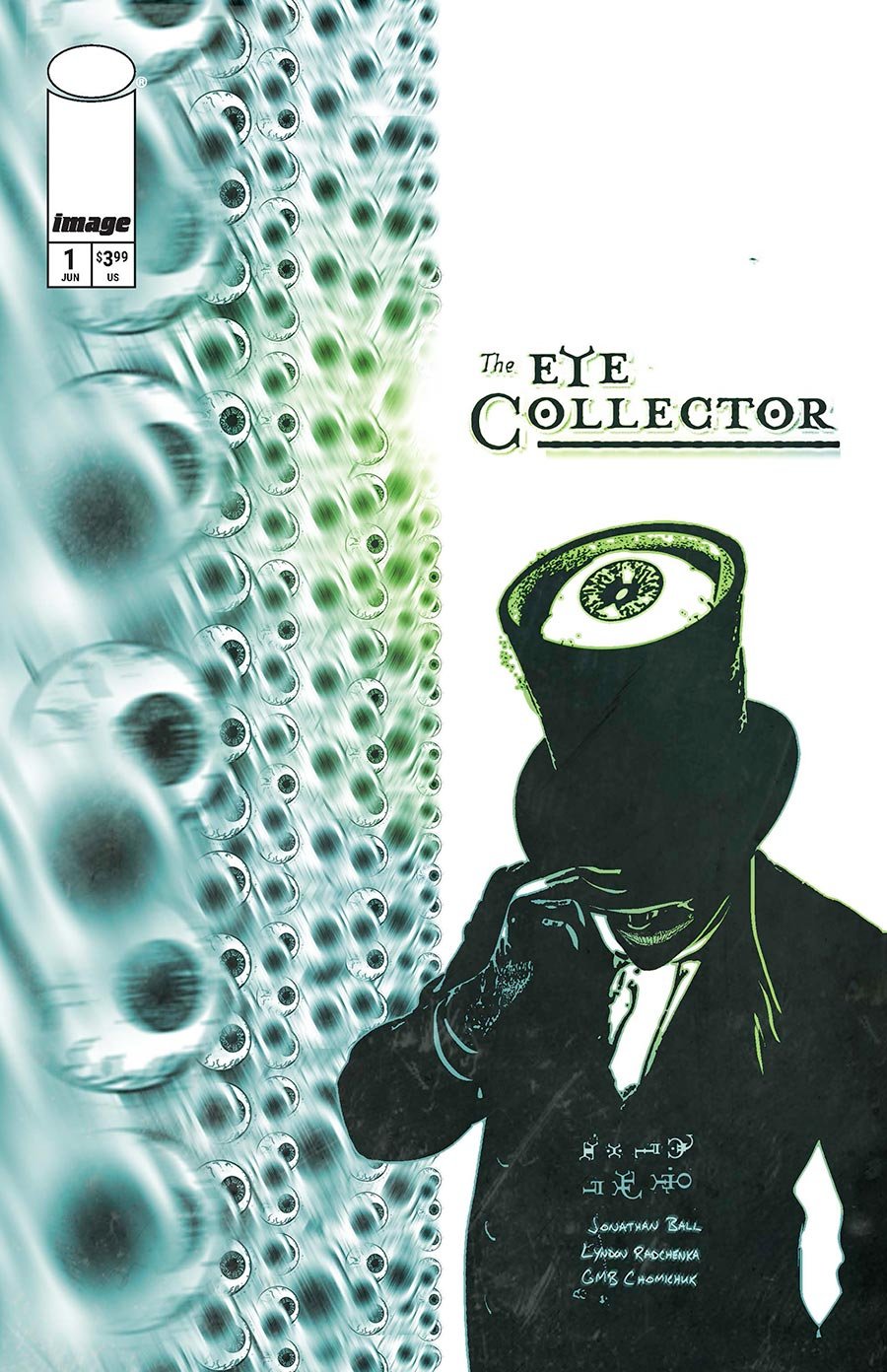
The Eye Collector #1
Creators: Jonathan Ball, Lyndon Radchenka, G.M.B. Chomichuk
The Eye Collector #1 is the cleanest speculation setup of the week because it is a brand-new Image Comics number one, and collectors still understand the basic math here even when they pretend they do not. New title, new concept, new characters, new mythology, and the first issue entry point. That combination has always been a magnet for early collectors because the barrier to entry starts here. No complicated back issue chase. No pretending you knew about the character years ago. No “I had that in a box somewhere” speech that somehow never includes a photo. This is issue one, and that alone makes it one of the stronger Top 5 new key comics for anyone looking at the speculative side of the week. Image has long been the publisher where original concepts can quietly become collector targets when the right creative energy, genre hook, and visual identity line up. With The Eye Collector #1, the immediate attraction is the debut of a surreal cosmic horror concept that feels built around mood, mythology, and disturbing visual design. The cover makes the title almost impossible to ignore, which is probably the point. Eyes everywhere. A central figure that looks less like a standard horror villain and more like a collector of things nobody sane should be collecting. Subtle, really. From a collecting standpoint, this is the type of book where the first appearance angle is broad but important: first issue, first appearance of the title concept, first appearance of the Eye Collector mythology, and likely the first appearance of the principal cast and antagonist structure. That matters because with creator-owned comics, issue one is usually the anchor. If the series builds an audience, option interest, collected edition buzz, or a cult following, the first issue becomes the obvious target. That does not mean every Image number one becomes a major aftermarket book. Obviously, if that were true, every long box would be a retirement plan and every comic shop would have a velvet rope. But original horror has been one of the more interesting lanes for speculation because horror travels well across comics, film, television, streaming, and collector conversation. The serious collector approach here is simple: pay attention to order numbers, variant structure, creator interest, and whether the concept has legs beyond the first shock of the cover. A debut like The Eye Collector #1 is not just about what happens now. It is about whether this becomes a title people come back to after the market already had its chance to notice. That is where the smarter speculation lives. Image’s official announcement identifies
 Ultimate Endgame #5
Creators: Deniz Camp, Terry Dodson, Jonas Scharf
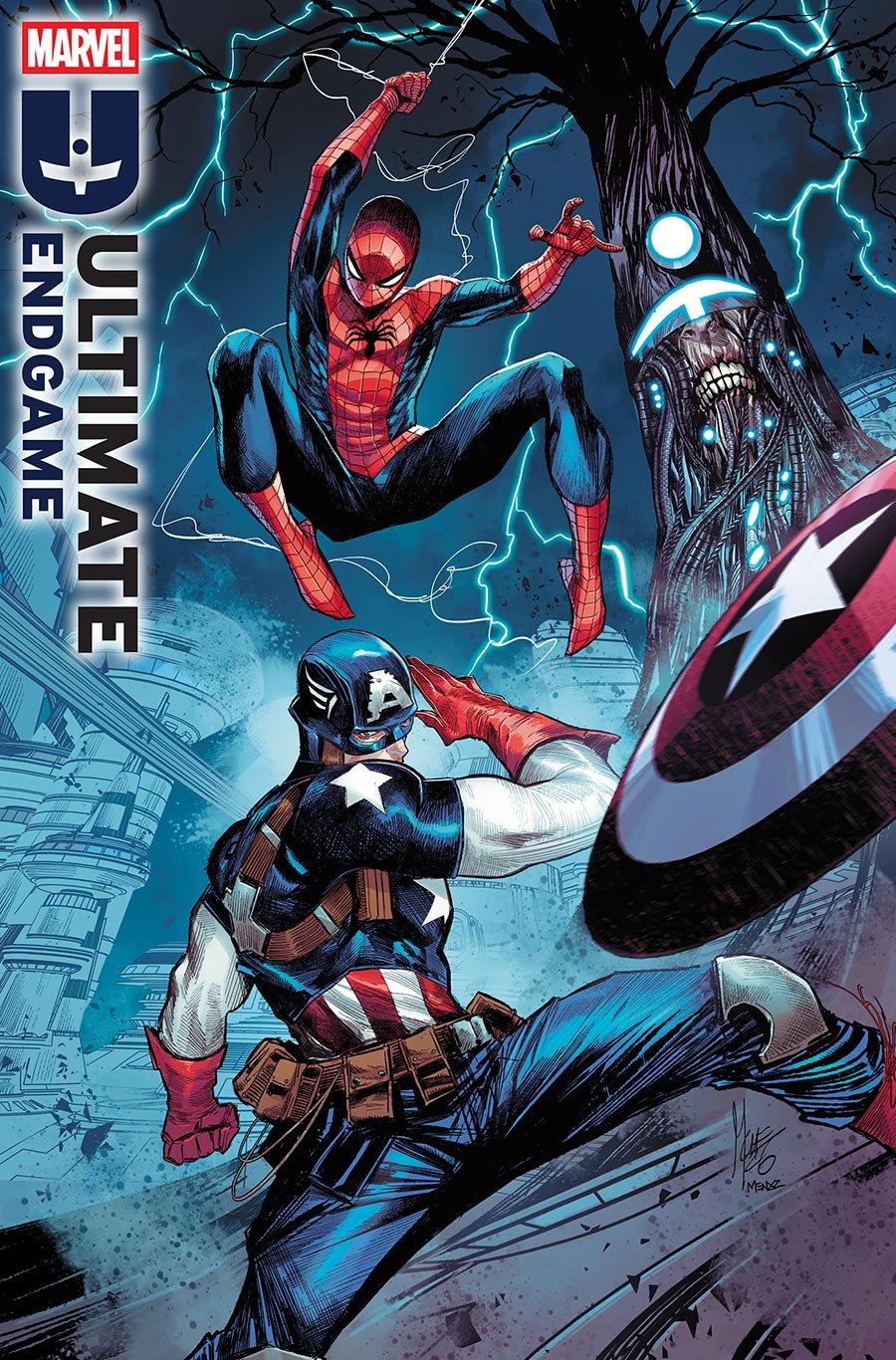
Ultimate Endgame #5 is the event finale slot in this week’s Top 5 new key comics, and finale issues are always tricky little gremlins in the collector market. Sometimes they quietly resolve everything and disappear into the weekly pile. Sometimes they contain deaths, reveals, new alignments, future setup, or the kind of final-page moment that makes everyone suddenly care after final order cutoff has already waved goodbye. This issue carries the weight of being the oversized final chapter of the Ultimate Universe showdown with The Maker, which automatically makes it relevant for collectors tracking the larger direction of Marvel’s Ultimate line. The Maker has been one of Marvel’s more fascinating modern long-game villains, especially because his presence usually signals reality engineering, future manipulation, and terrible decisions made with terrifying confidence. Collectors should care because Ultimate books have been one of Marvel’s stronger modern speculation lanes, and event conclusions often become historical markers even when they do not immediately explode in value. Ultimate Endgame #5 has the kind of setup collectors watch for: a final issue, a major villain confrontation, the potential for character deaths, possible reshuffling of the Ultimate line, and consequences that may ripple into future titles. It is not just “the last issue.” It is the last issue of a major chapter. That distinction matters. If this issue closes the current Ultimate era, sets up the next phase, removes characters from the board, or introduces a new status quo, it becomes a reference point. Reference-point comics are not always instant wall books. Sometimes they sit around at cover price until the market realizes a later story keeps pointing back to them. That is the fun part, assuming your definition of fun includes second-guessing yourself in front of a short box. The collector angle here is not to blindly chase every event finale, because that is how people end up with stacks of very dramatic conclusions nobody asked about later. The angle is to track whether Ultimate Endgame #5 contains a concrete first, final, death, transformation, new team structure, or future-facing reveal. Deniz Camp has been one of the central creative engines behind this Ultimate direction, and with Terry Dodson and Jonas Scharf involved visually, this finale also has a higher-profile creative footprint. For collectors, that combination places Ultimate Endgame #5 firmly inside the “pay attention now, verify later” category.
Venom #259
Creators: Al Ewing, Carlos Gómez
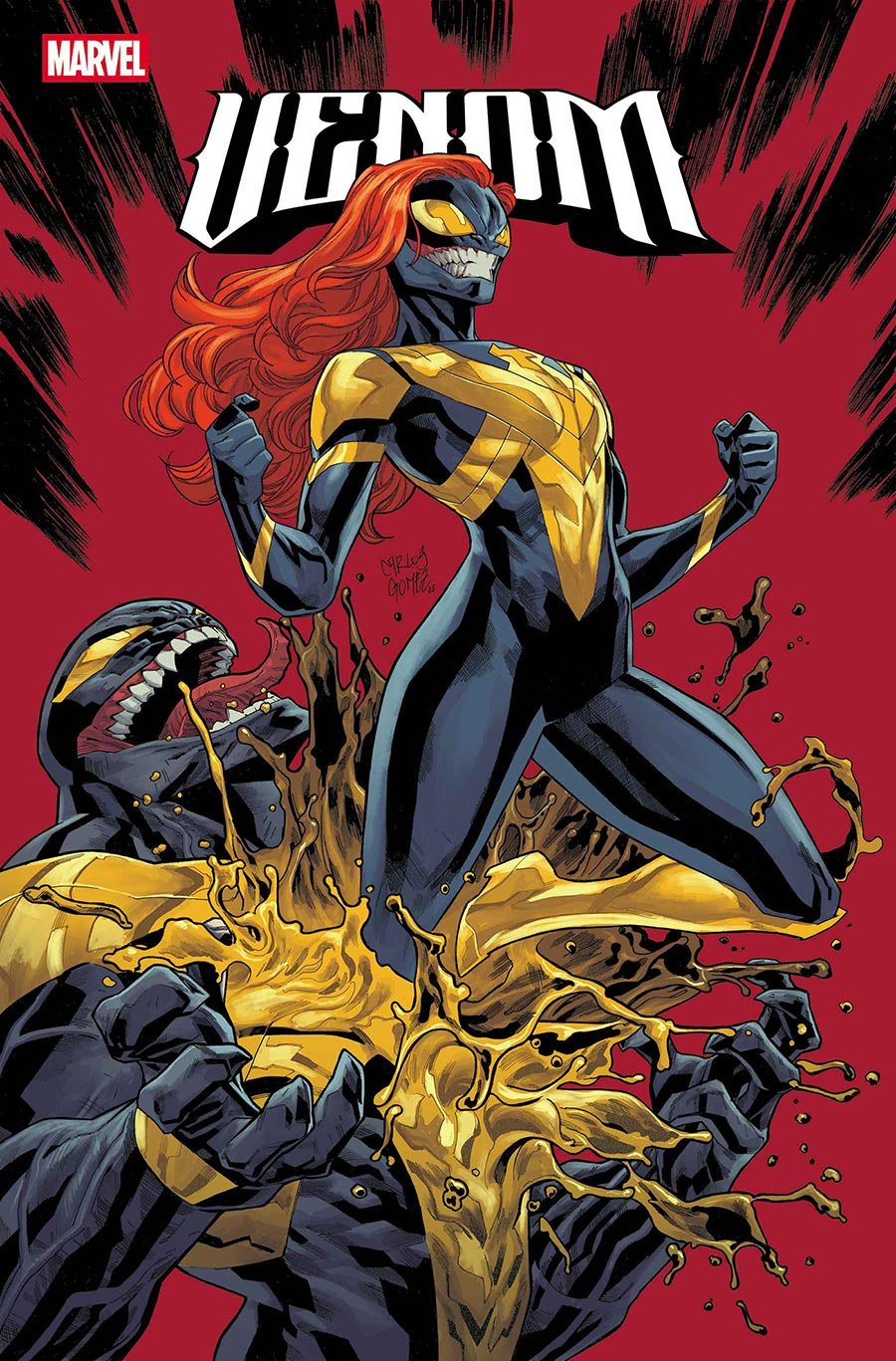
Venom #259 earns its place in the Top 5 new key comics because symbiote comics have trained collectors to look for new looks, new hosts, new codex weirdness, new family drama, and any small phrase that smells like a future key. This issue gives collectors the phrase “VenoMJ gets an all-new look,” which is exactly the type of thing the market tends to circle in red while pretending it is being rational. A new look does not always equal a long-term key. That needs to be said because not every costume adjustment is a market event, no matter how many people type “new suit” into a listing title. But Venom history is full of host changes, symbiote evolutions, identity shifts, and redesigns that later become relevant because the character mythology never really stays still. Venom #259 also brings back a face from Venom’s past with a warning tied to the end of the world, because apparently nobody in the Venom orbit can just send a normal text message. For collectors, the two important angles are the all-new VenoMJ look and the warning that could push the Venom family into a new direction. Mary Jane Watson as VenoMJ has already carried collector interest because she connects one of Marvel’s most recognizable supporting characters to the symbiote mythos. When a familiar character receives a new visual identity inside a popular franchise, collectors tend to track whether it becomes a one-issue design, a sustained character phase, or something Marvel later uses in covers, games, animation, or merchandise. That is the speculative lane here. Al Ewing’s involvement also matters because his Marvel work often builds larger structural mythology rather than simple issue-to-issue movement. Carlos Gómez handling the art gives this issue a strong visual component, and that matters when the hook is literally a new look. If the design lands with fans, the issue becomes more attractive as the first appearance of that updated VenoMJ visual identity. If it fades quickly, it becomes another interesting checkpoint in Venom history. Either way, Venom #259 is one of those books that collectors should not dismiss just because it is deep into a numbered run. Sometimes the later-numbered issues are exactly where the better character changes hide, because everyone is too busy chasing the obvious number ones.
 Wolverine #22
Creators: Saladin Ahmed, Julius Ohta
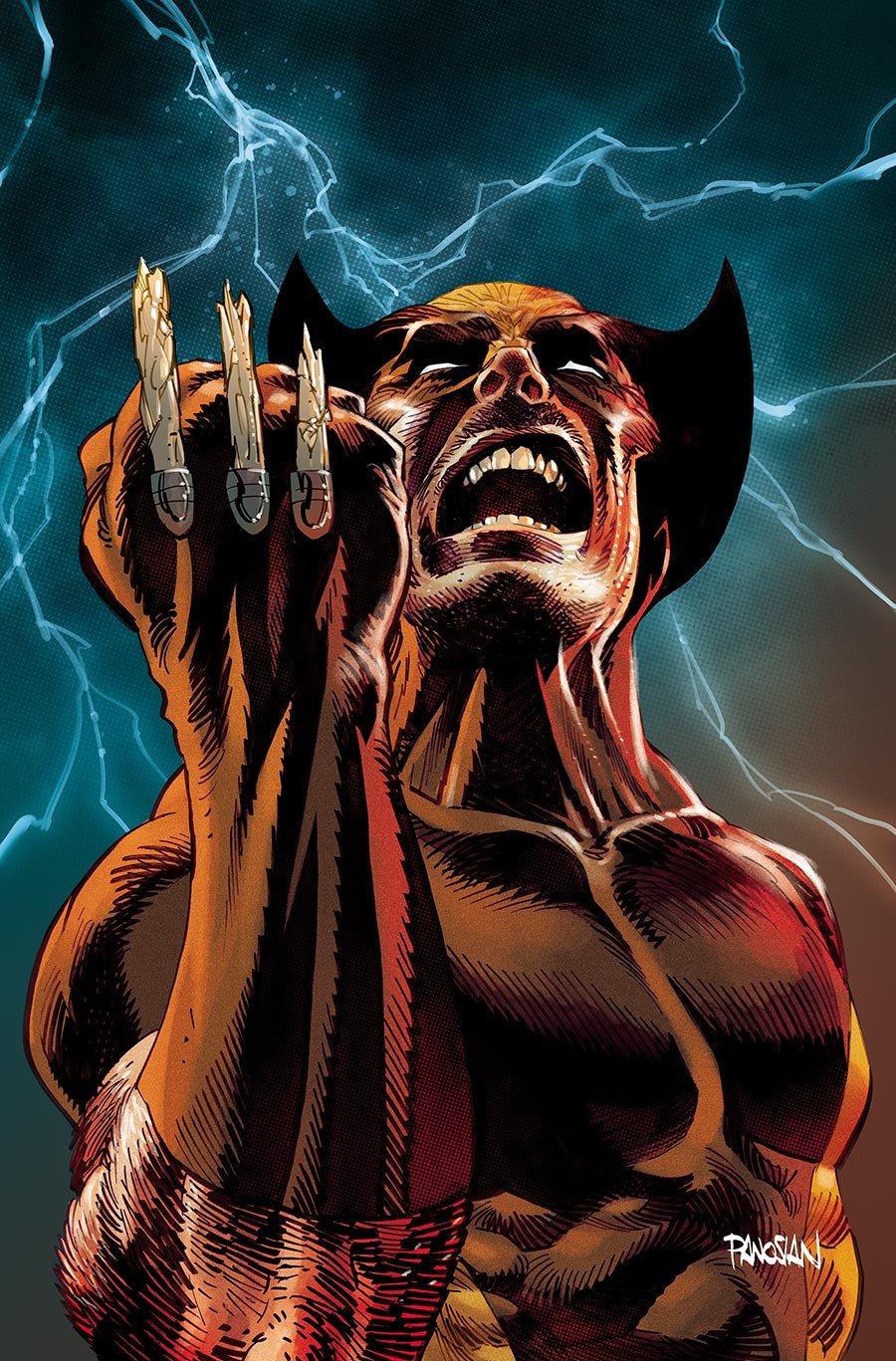
Wolverine #22 is the kind of issue collectors flag because Wolverine being broken, altered, stripped down, physically changed, or placed into a major trial tends to create timeline importance. Logan has been through so many brutal status shifts that he should probably qualify as a Marvel structural stress test, but this one is still worth watching. The hook here centers on Wolverine’s adamantium claws being shattered, his body being pushed to the edge, and the question of whether he will remain a mutant. That is not a small status quo tease. For a character like Wolverine, the claws are not just weapons. They are iconography. They are branding. They are the sound effect, the silhouette, the toy aisle, the poster pose, and half the reason collectors notice a cover from across the room. So when Marvel runs a story around the claws being broken down to nubs, collectors should at least pay attention. Wolverine #22 also appears to continue the larger Adamantium/Adamantine conflict, with Hercules involved in the surrounding storyline and Logan forced into a gauntlet of enemies. That gives the book both a physical transformation angle and a mythological combat angle, which is a very Wolverine way to ruin a peaceful Wednesday. For speculation, the key question is whether this issue marks a temporary injury, a lasting transformation, or a stepping stone toward a new Wolverine status. Temporary damage can still matter if the visual sticks, if the storyline becomes memorable, or if a later issue refers back to this moment as the breaking point. Collectors have long chased Wolverine issues tied to costume changes, power changes, healing factor shifts, adamantium loss, major injuries, and significant villain confrontations. Not all of them become high-value keys, but many remain cataloged as important character moments. That is where Wolverine #22 sits. It is not automatically a value spike. It is a character-condition key candidate. Saladin Ahmed has been putting Logan through a rough run, and Julius Ohta’s art gives the issue the kind of damage-heavy visual storytelling that can help a status issue stand out. Collectors looking at Top 5 new key comics this week should keep this one on the radar because Wolverine books with clear physical consequences tend to age better in collector memory than random fight chapters.
Ultimate Impact: Reborn #2
Creators: Christopher Condon, Stefano Caselli
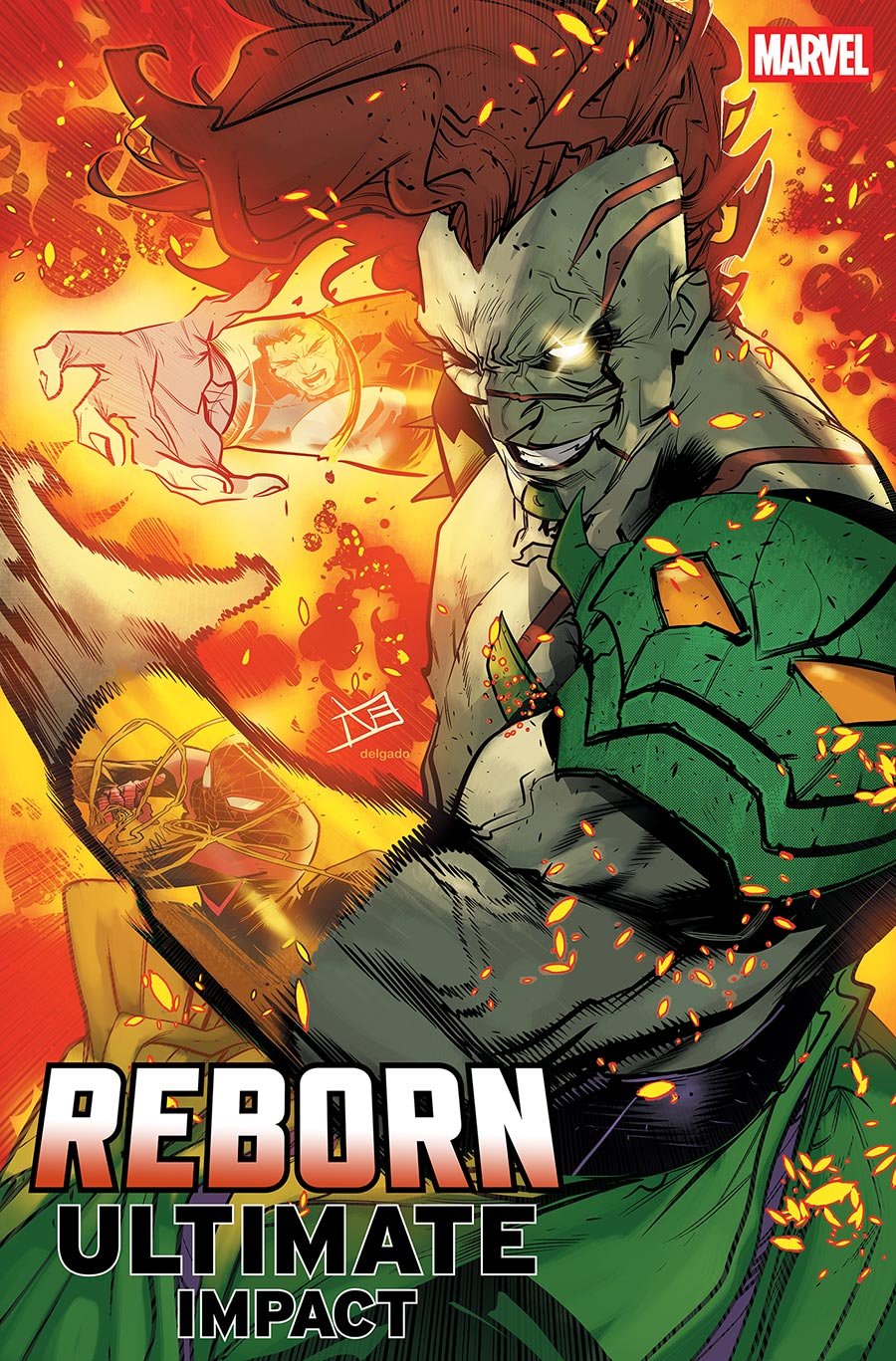
Ultimate Impact: Reborn #2 is the kind of second issue collectors should not automatically overlook, because the market often gets so obsessed with number ones that it forgets issue twos can introduce the real character, the actual threat, the first full appearance, the first explanation, or the first meaningful version of the thing the first issue only teased. Very convenient for everyone who missed issue one and now wants to sound strategic. This book sits inside the Ultimate-related lane, which already gives it relevance because Marvel’s modern Ultimate material has been a major collector conversation. The cover alone screams power escalation, conflict, and possibly the kind of reimagined character energy that collectors tend to track in alternate-universe books. With Christopher Condon writing and Stefano Caselli on art, Ultimate Impact: Reborn #2 also has a notable creative pairing that brings credibility to the concept beyond simple branding. The collecting angle here is about development. Issue one establishes the doorway. Issue two often shows whether the title has a real engine. If a new version, new villain, new faction, or clearer character identity emerges here, Ultimate Impact: Reborn #2 could become more than a continuation issue. It could become the book that sharpens the speculative hook. The Ultimate line thrives on altered versions of familiar Marvel DNA, and collectors are always looking for which reinterpretations actually stick. New versions can matter. First full appearances can matter. First named appearances can matter. First costume appearances can matter. And issue twos are sneaky places for that sort of thing because the crowd is usually staring at the first issue pile like it contains ancient treasure. For Top 5 new key comics speculation, this is one of the books that requires follow-up. Watch whether this issue gives collectors a clear first, a new Ultimate identity, or a major connective tissue moment. If it does, this could be one of the more underappreciated books of the week. If it does not, it still remains part of an Ultimate-branded storyline with strong creative talent and collector visibility. Either way, it is not a throwaway.
-Jay Katz